Survey of Photography — Quiz 3 Study Guide
 Call Kai
 Learn
 Practice Test
 Spaced Repetition
 Match
 Flashcards
 Knowt Play
1/42

There's no tags or description
Looks like no tags are added yet.
43 Terms
The true rise of both snapshot photography and the amateur can be attributed to two major developments: the Brownie camera and roll film developed by the Kodak company, founded by George Eastman.
true
The first commercially viable color process was developed by the ______ brothers and called the ______.
Lumière brothers — Autochrome
Anne Brigman was an early Pictorialist photographer whose images helped pave the way for other women photographers like Francesca Woodman.
true
An influential Pictorialist, ______, took many cues from French painting and explored the romantic notions of the working class and peasantry.
Peter Henry Emerson
Steichen and Stieglitz, two leading figures in the Pictorialist movement, eventually abandoned the ideals of soft imagery for more detail-rich straight photography, promoting Modernism in photography.
true
______ was one of the first fine-art magazines focusing on photography, developed by Alfred Stieglitz.
Camera Work
The Photo-Secession and Linked Ring were two photographic groups that promoted photography as fine art, both adopting an anti-Pictorialism stance.
false
______ was a member of the American Pictorialist movement and became the first formal educator in photography, being hired to teach at Columbia University.
Clarence H. White
The Zoopraxiscope was invented by ______ and was an early proof of concept that helped pave the way for cinema.
Eadweard Muybridge
John Joly invented the three-print color process that became the first commercially viable color process.
false
Louis Ducos du Hauron's color process was significant because it was the first process to produce an actual ______.
Color photographic print.
Edward Steichen was the most exhibited photographer in Camera Work and would eventually head the Photography Department at the Museum of Modern Art.
true
Recognizing the ultimate significance of cinema, the Lumière brothers abandoned photography to dedicate themselves to developing and promoting cinema.
false
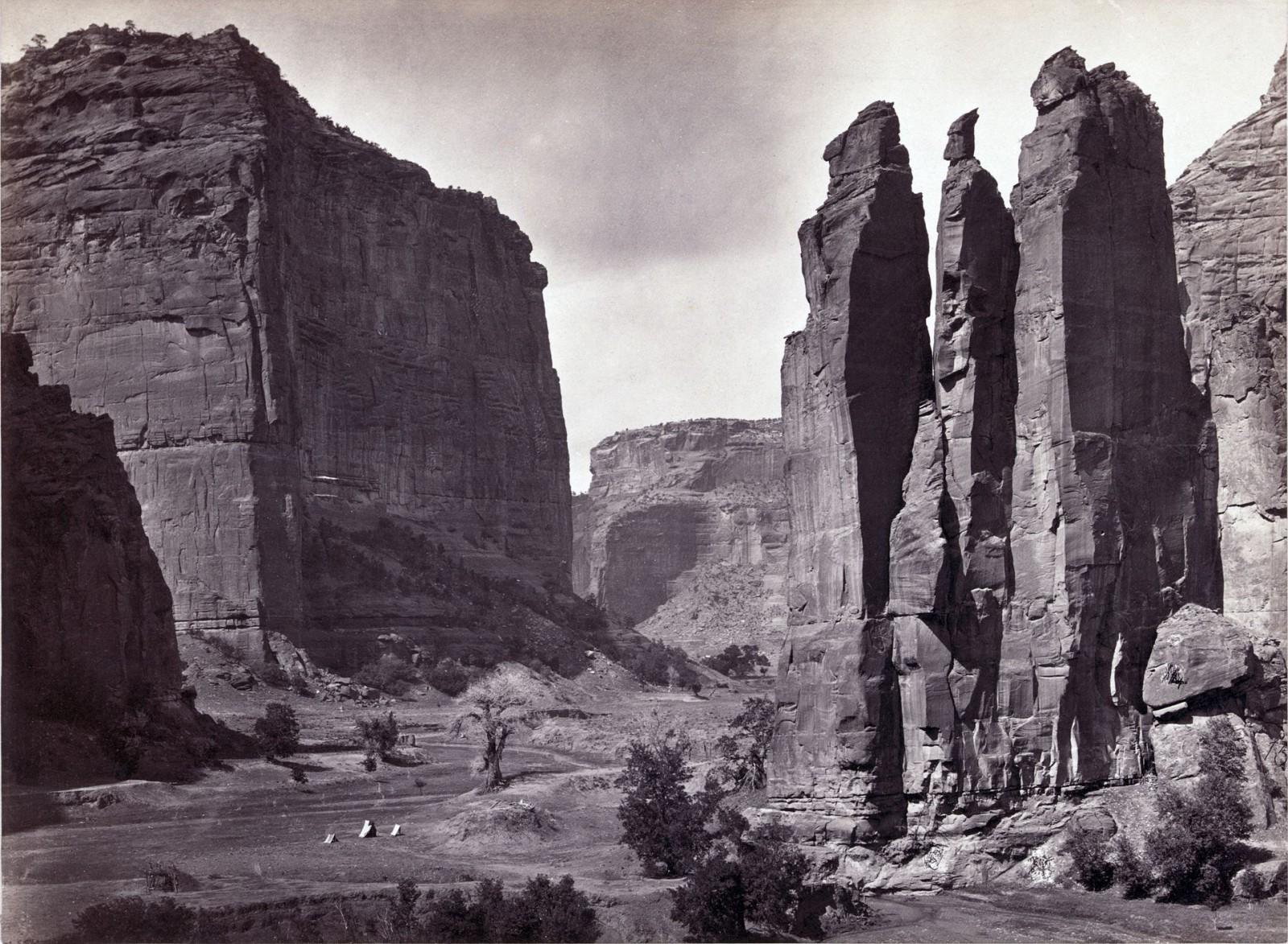
What is the name of this photograph?
Camp Beauty
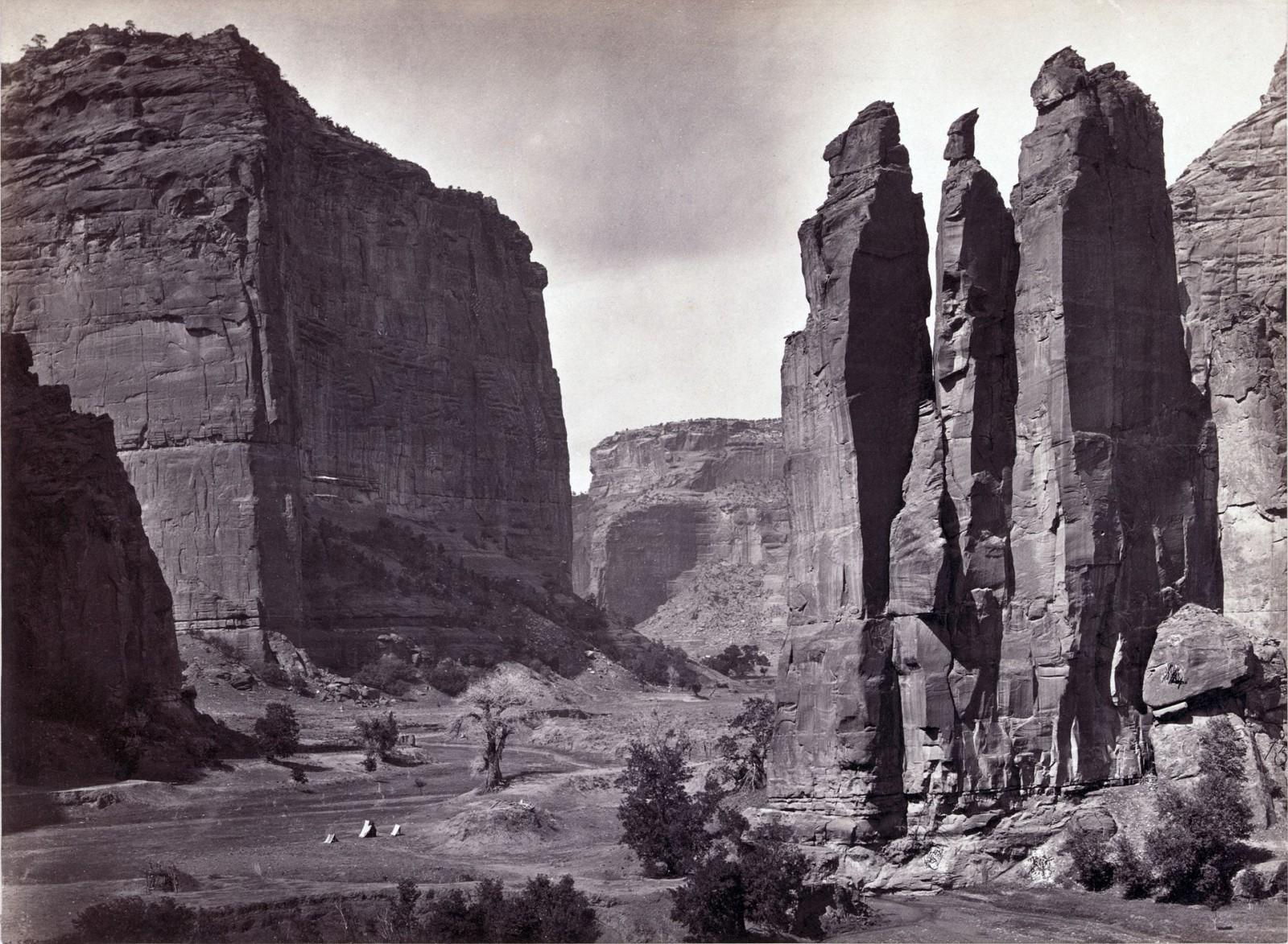
Who is the photographer? What was he known for?
Photographer: Timothy O'Sullivan
Known for: Photographing the American Civil War and documenting landscapes of the American West during government surveys.

What is the name of this photograph?
Cape Horn, Columbia River

Who is the photographer? What was he known for?
Photographer: Carleton Watkins
Known for: Monumental landscape photographs of the American West, especially Yosemite, using very large glass-plate negatives
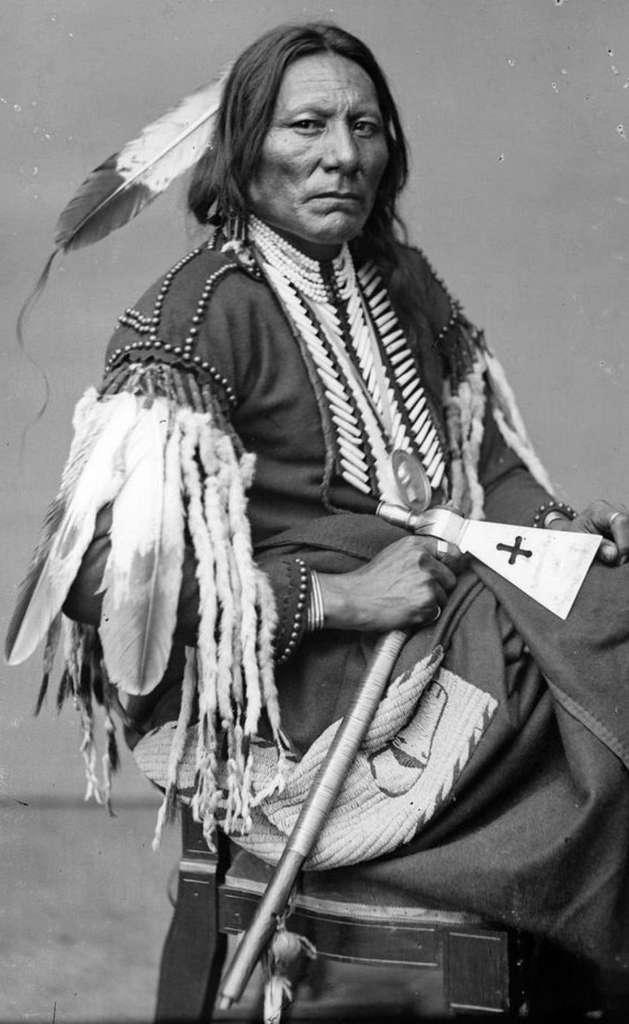
What is the name of this photograph?
White Eagle, Ponca Chief

Who is the photographer? What was he known for?
Photographer: John K. Hillers
Known for: Photographic documentation of the American West, including portraits of Native Americans and images taken during expeditions.
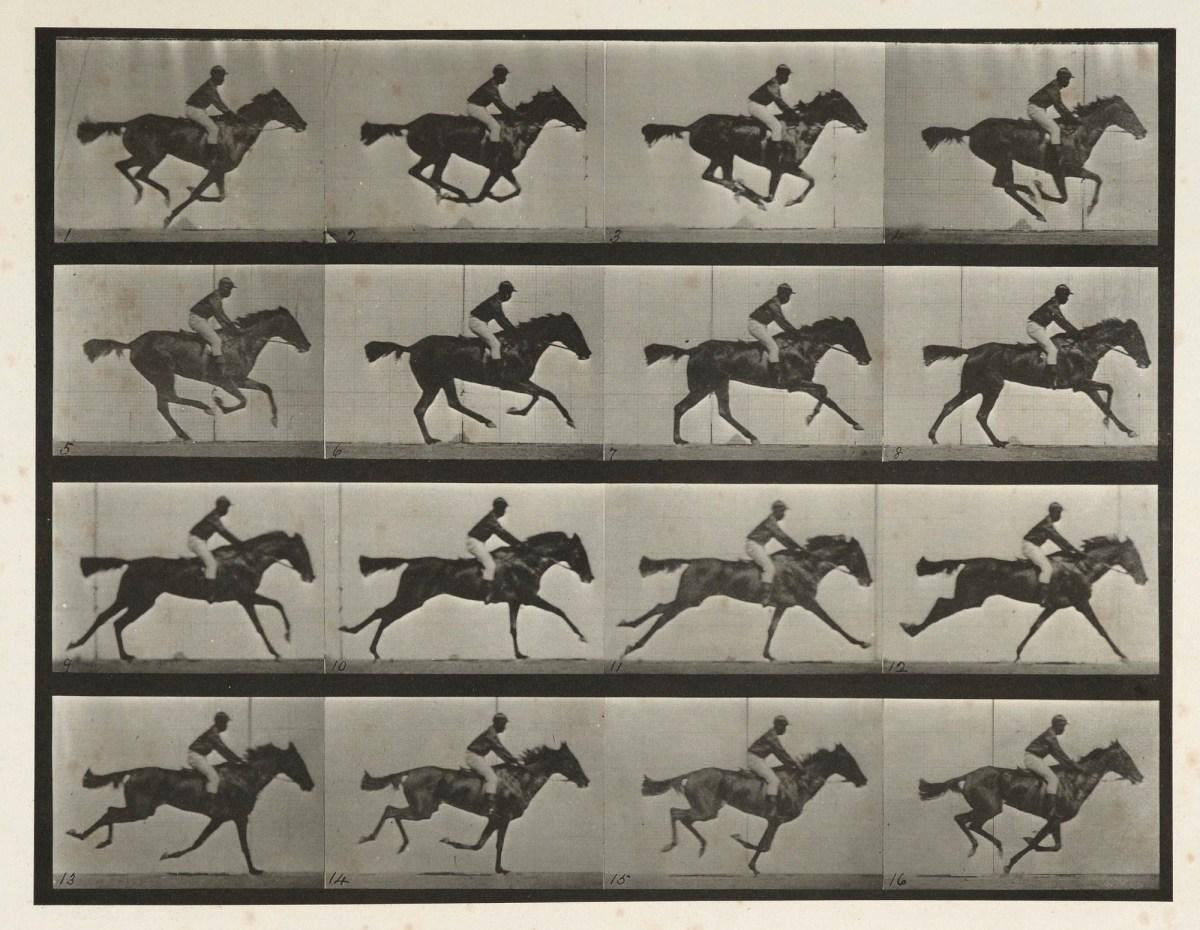
What is the name of this photograph?
Man Horse Vehicle
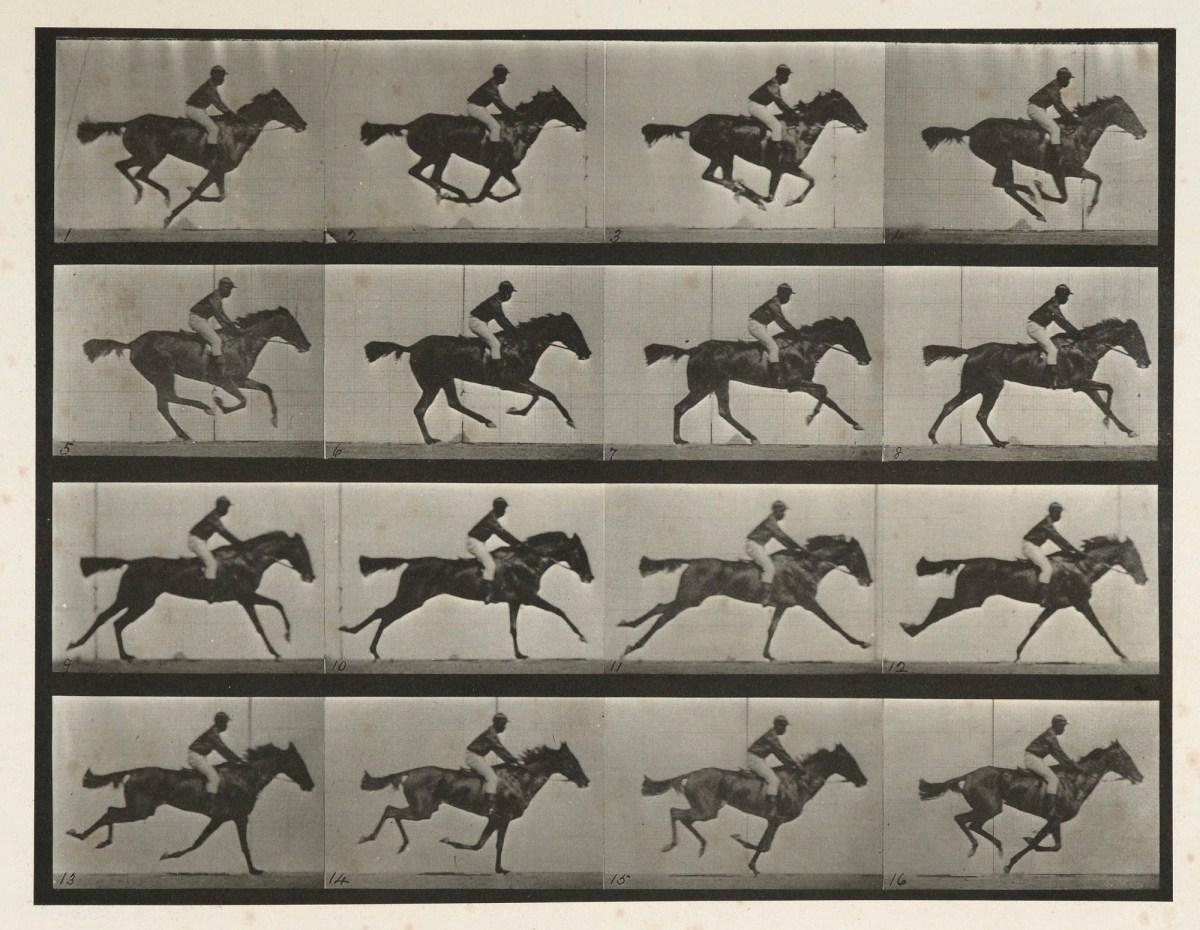
Who is the photographer? What was he known for?
Photographer: Eadweard Muybridge
Known for: Sequential motion photography of humans and animals, especially horses. Invented the Zoopraxiscope, an important precursor to cinema.
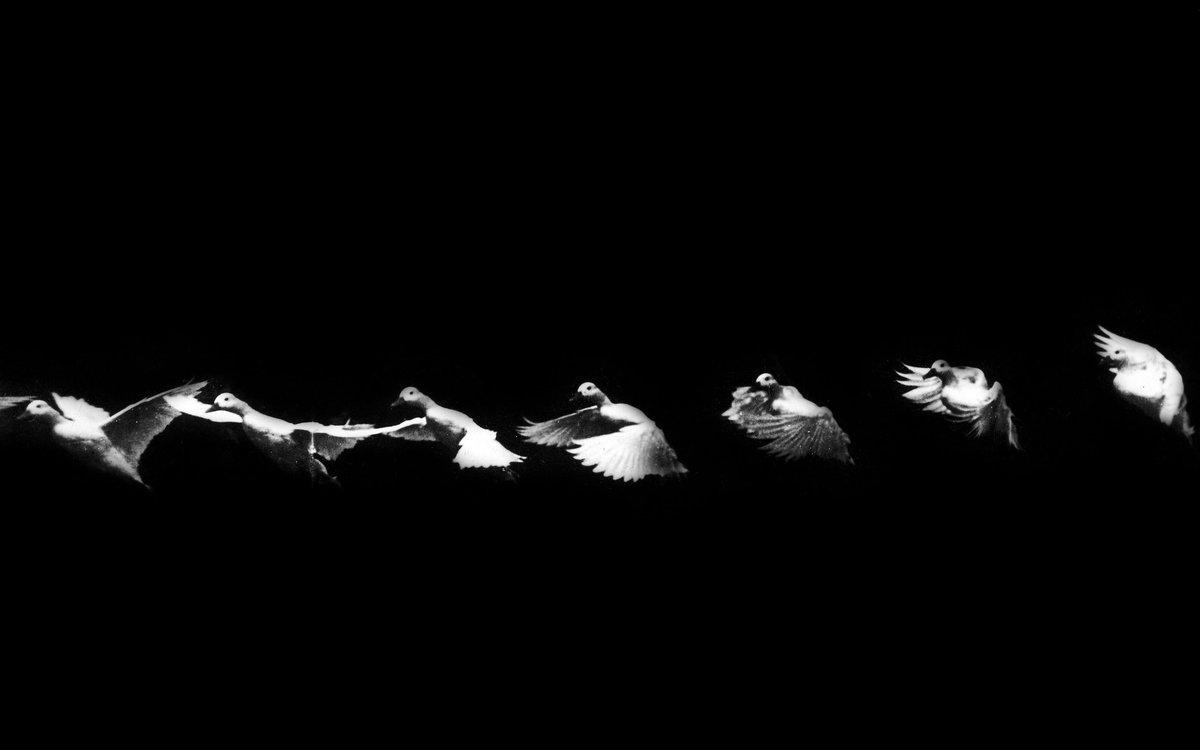
What is the name of this photograph?
Bird-motion chronophotograph
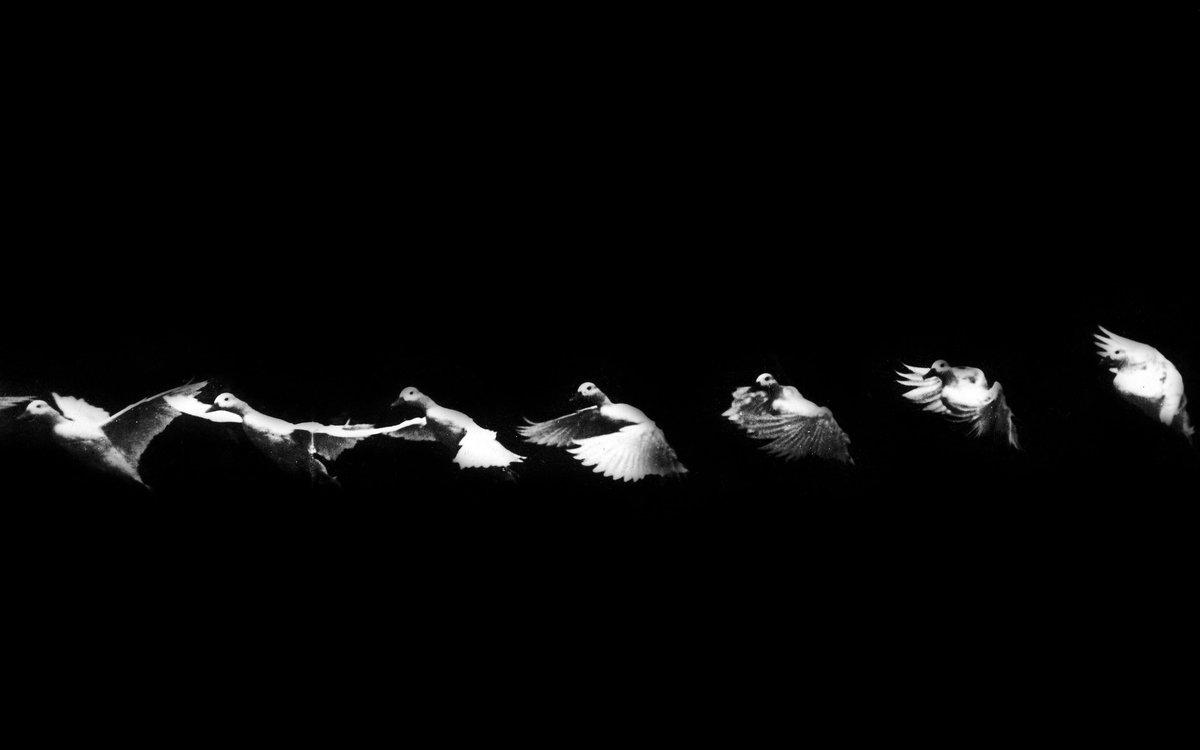
Who is the photographer? What was he known for?
Photographer: Étienne-Jules Marey
Known for: Chronophotography, capturing successive phases of movement through multiple exposures on one photographic plate.
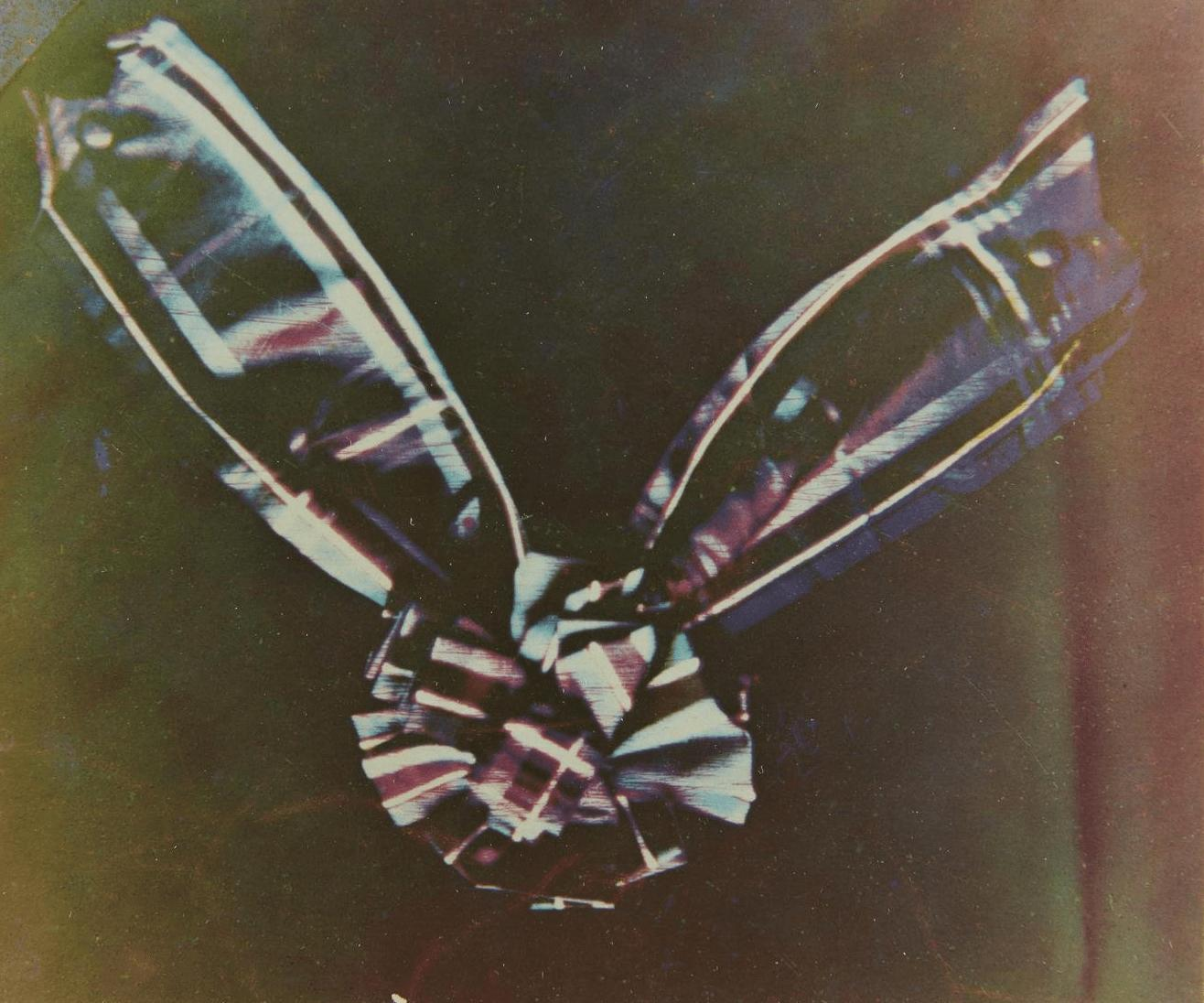
What is the name of this photograph?
Tartan Ribbon

Who is the photographer? What was he known for?
Credited to: James Clerk Maxwell
Known for: Demonstrating three-color additive photography by combining red, green, and blue light.

What is the name of this photograph?
Rooster and Parrot

Who is the photographer? What was he known for?
Photographer: Louis Ducos du Hauron
Known for: Pioneering three-color photographic printing through a subtractive color process.
What is the name of this photograph?
Untitled photograph
Who is the photographer? What was he known for?
Photographer: Unknown
Known for: No specific artist can be identified from the slide. It appears in the historical context of amateur or vernacular snapshot photography.
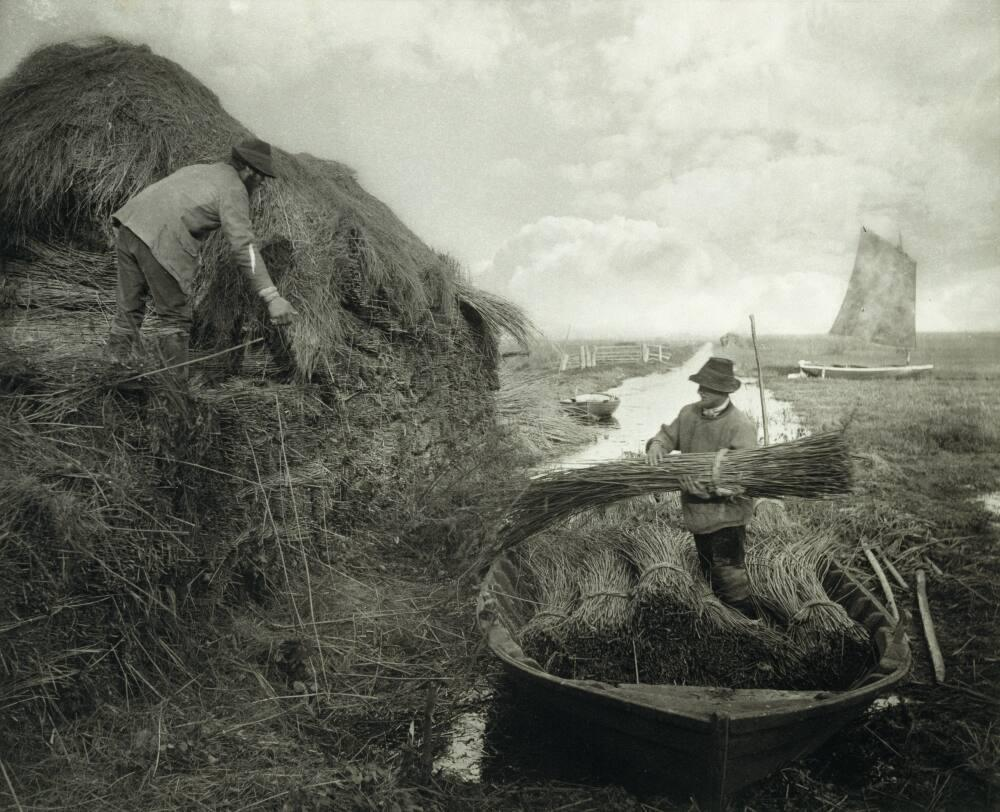
What is the name of this photograph?
Ricking the Reed

Who is the photographer? What was he known for?
Photographer: Peter Henry Emerson
Known for: Naturalistic photographs of rural workers and landscapes, particularly in East Anglia, England. His photographs drew inspiration from painting and used selective focus.
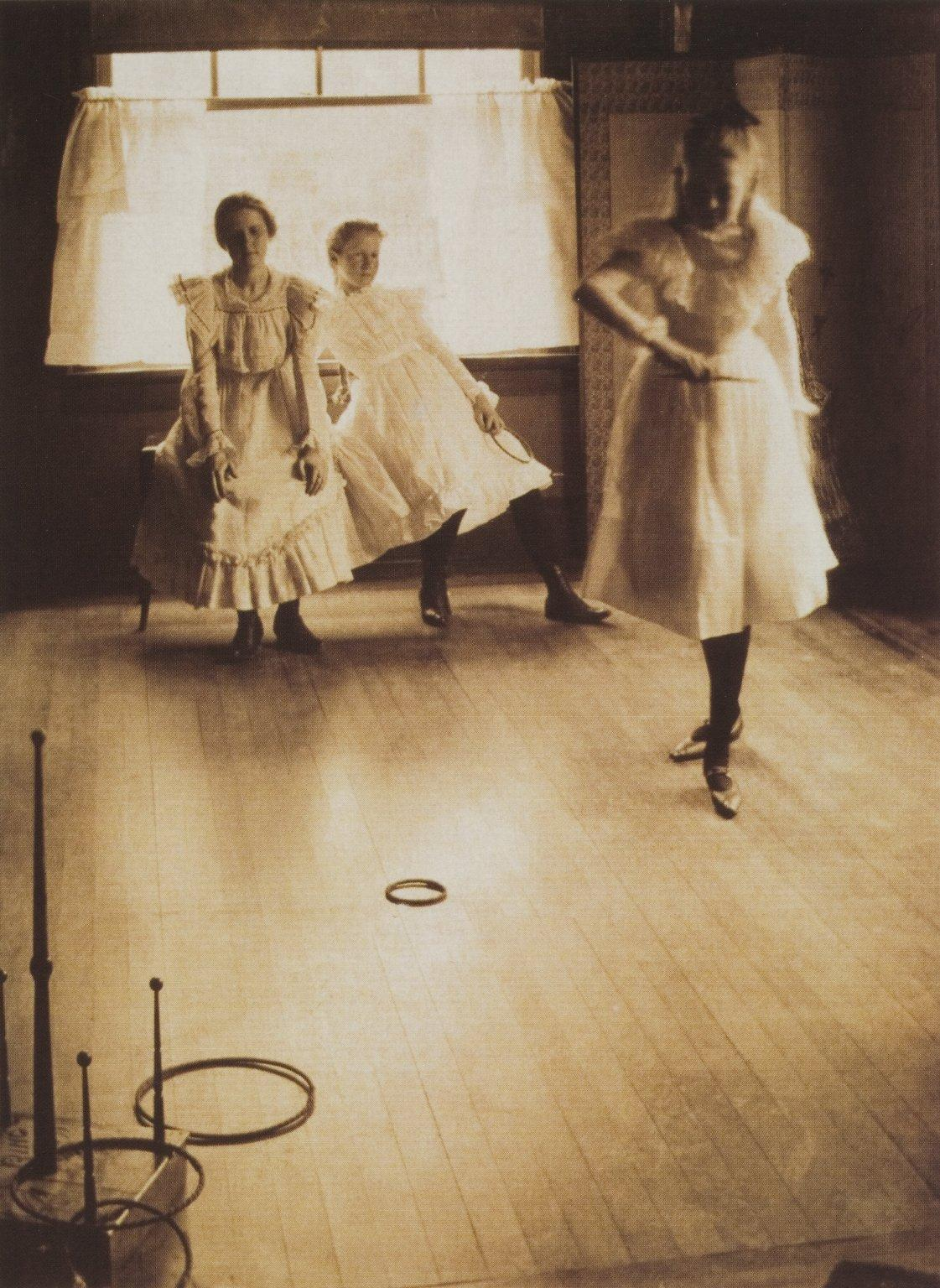
What is the name of this photograph?
The Ring Toss

Who is the photographer? What was he known for?
Photographer: Clarence H. White
Known for: Soft, poetic Pictorialist photography and pioneering formal photography education at Columbia University.

What is the name of this photograph?
Portrait of Alvin Langdon Coburn

Who is the photographer? What was he known for?
Photographer: Gertrude Käsebier
Known for: Pictorialist portraits, particularly expressive images of women, children, motherhood, and prominent artists.

What is the name of this photograph?
The Bubble

Who is the photographer? What was he known for?
Photographer: Anne Brigman
Known for: Pictorialist photographs featuring women, often nude, in natural landscapes; an early advocate for women expressing freedom and independence through photography.

What is the name of this photograph?
The Struggle

Who is the photographer? What was he known for?
Photographer: Robert Demachy
Known for: French Pictorialism and the use of gum bichromate printing to manipulate photographic images so that they resembled drawings or paintings.
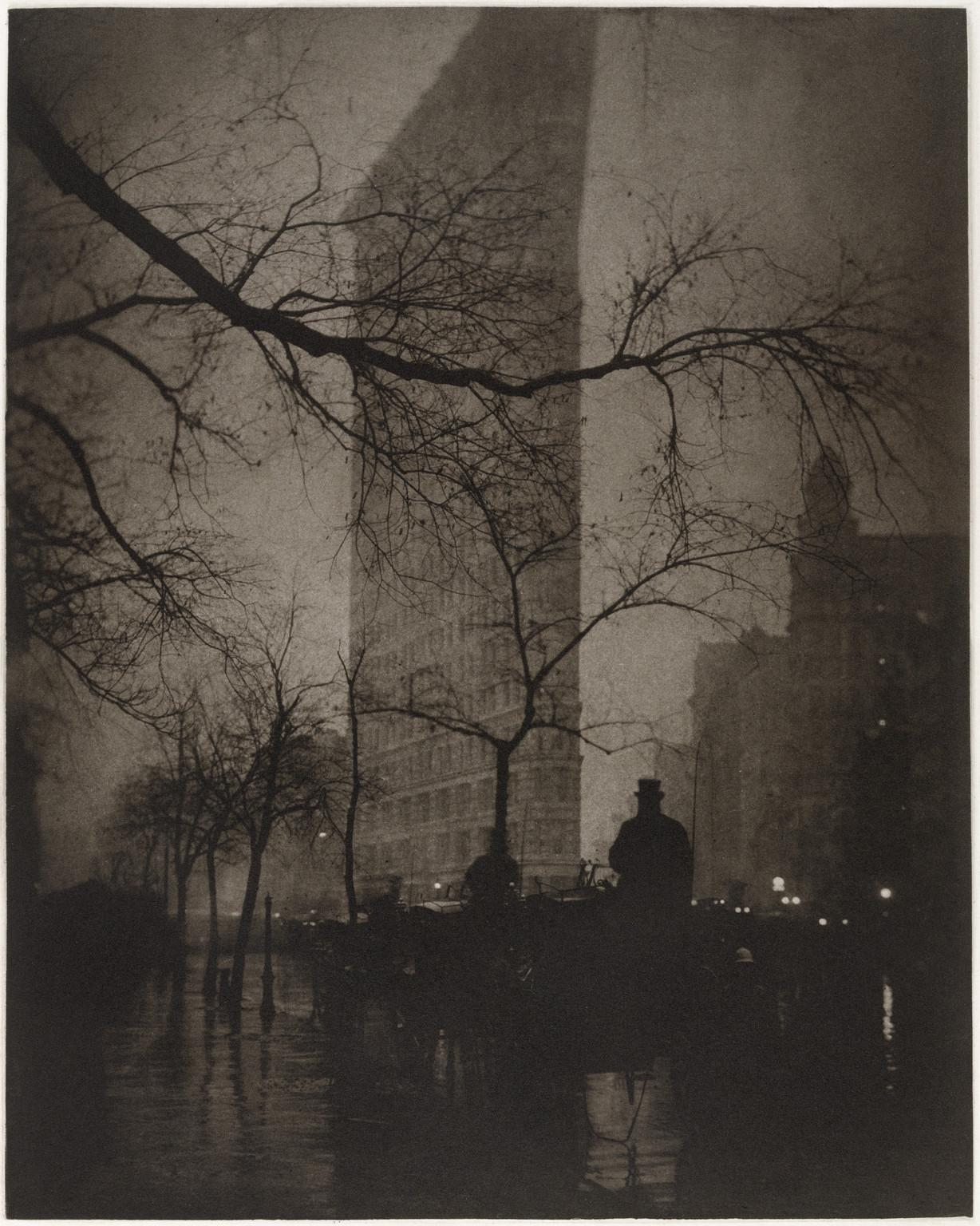
What is the name of this photograph?
The Flatiron

Who is the photographer? What was he known for?
Photographer: Edward Steichen
Known for: Pictorialist photography, experimental photographic printing, influential portraiture and fashion photography, and later heading MoMA's photography department.

What is the name of this photograph?
The Steerage

Who is the photographer? What was he known for?
Photographer: Alfred Stieglitz
Known for: Establishing photography as a legitimate fine art, leading the Photo-Secession, publishing Camera Work, and helping move photography toward Modernism.