AP chapters 7-8 outline study guide
 Call Kai
 Learn
Learn Practice Test
 Spaced Repetition
 Match
Match Flashcards
 Knowt Play
1/403

There's no tags or description
Looks like no tags are added yet.
Name | Mastery | Learn | Test | Matching | Spaced | Call with Kai | Chat |
|---|
No analytics yet
Send a link to your students to track their progress
404 Terms
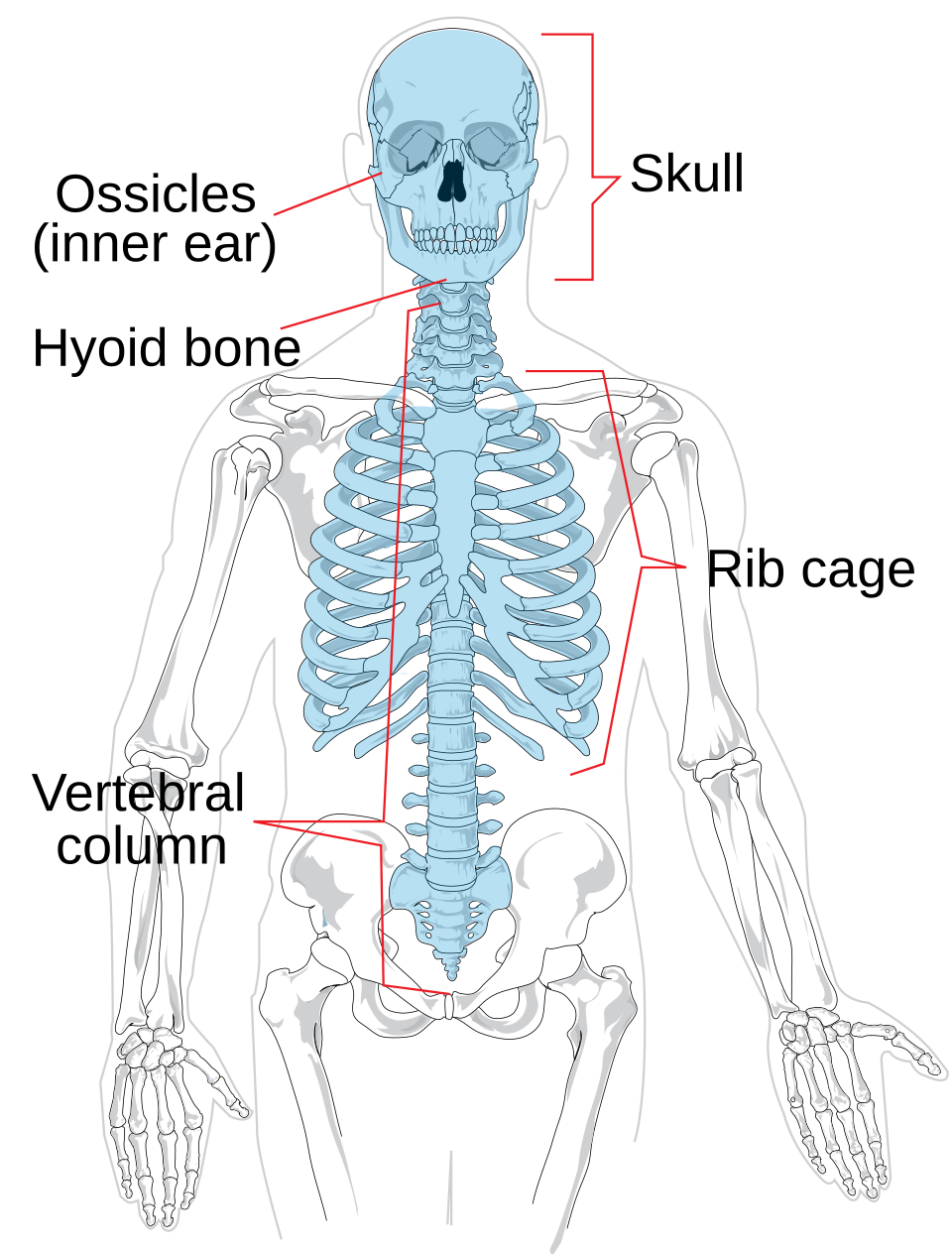
What is the Axial Skeleton
The bones that form the body’s central axis, vertebral column, and thoracic cage.
What does the Axial Skeleton protect
The brain, spinal cord, and organs of the chest and provides the central framework of the body.

What is the appendicular skeleton
The bones of the pectoral girdle, upper limbs, pelvic girdle and lower limbs. Limbs that are heavily involved in movement.

What is a bone marking
A surface feature on a bone, such as a projection, depression, or opening.
What do bone markings tell you
Where muscles and ligaments attach, where joints form, or where nerves and blood vessels pass.
What is process/projection
A general term for bony prominence extending from a bone. A raised area that often serves as an attachment point or part of a joint.

Tubercle
A small, rounded projection. Usually a small attachment point for a tendon or a ligament. Muscles and ligaments attach to these bumps to help move joints.
Tuberosity
Moderate-to-large slightly rough bump or raised area on a bone, a bigger attachment site where strong muscles or tendons pull on bone.

What is the Trochanter
A very large, blunt projection found only on the femur. A large femur landmark used for major muscle attachments.

What is the crest
A prominent ridge of bone. A long raised border or ridge, often an attachment site.

Line
A low ridge of bone, less prominent than a crest. Smaller ridge used for attachment. Appears as a faint line that can differ slightly in elevation, texture, or color from the surrounding bone surface.

What is a spine
A sharp, slender projection. A pointed bony projection, commonly used for muscle or ligament attachment.

Epicondyle
An attachement point near a joint; for example, the medial and lateral epicondyles of the humerus. A raised area located above or adjacent to a condyle.

Condyle
A smooth, rounded articular projection. A rounded end of bone that participates in a joint.

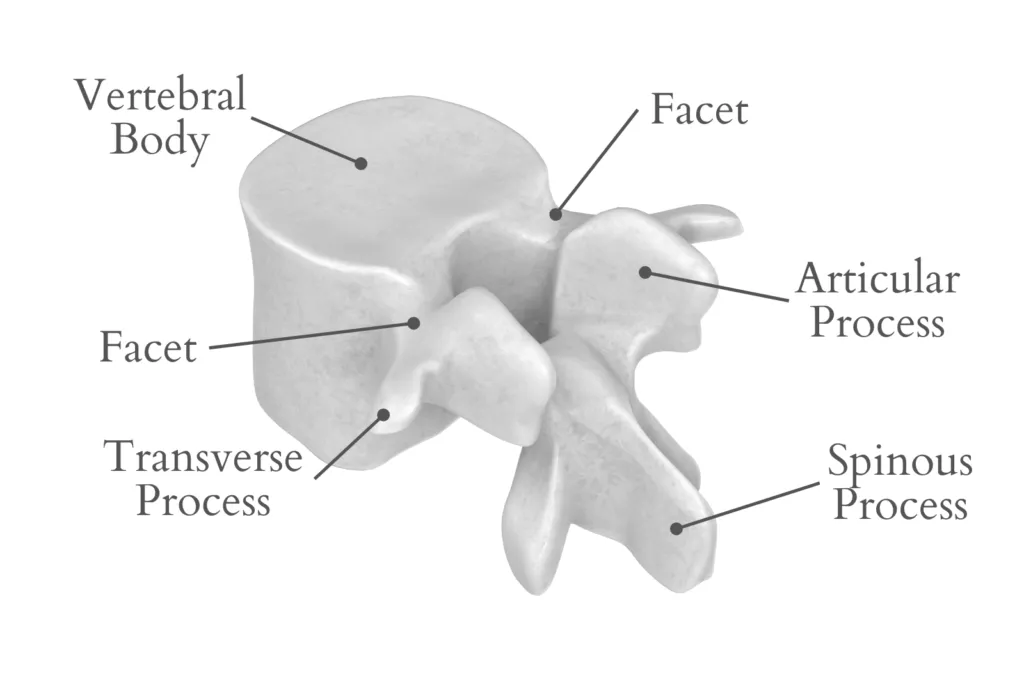
Facet
A small, flat articular surface, such as the articular facets of vertebrae
Head
A rounded, expanded articular end of a bone, often on a narrow neck. Ball-like part of a bone, such as the head of the femur or humerus. Also known as the epiphysis

Fossa
A shallow depression in a bone. A basin-like area that may receive another structure or provide space for tissue. Much like the temporal fossa.

Sulcus/ groove
A narrow depression or channel. A track where a tendon, nerve, or blood vessel may run.

Notch
An indentation at the edge of a bone. A cut-out area that may help form a joint or allow structures to pass.

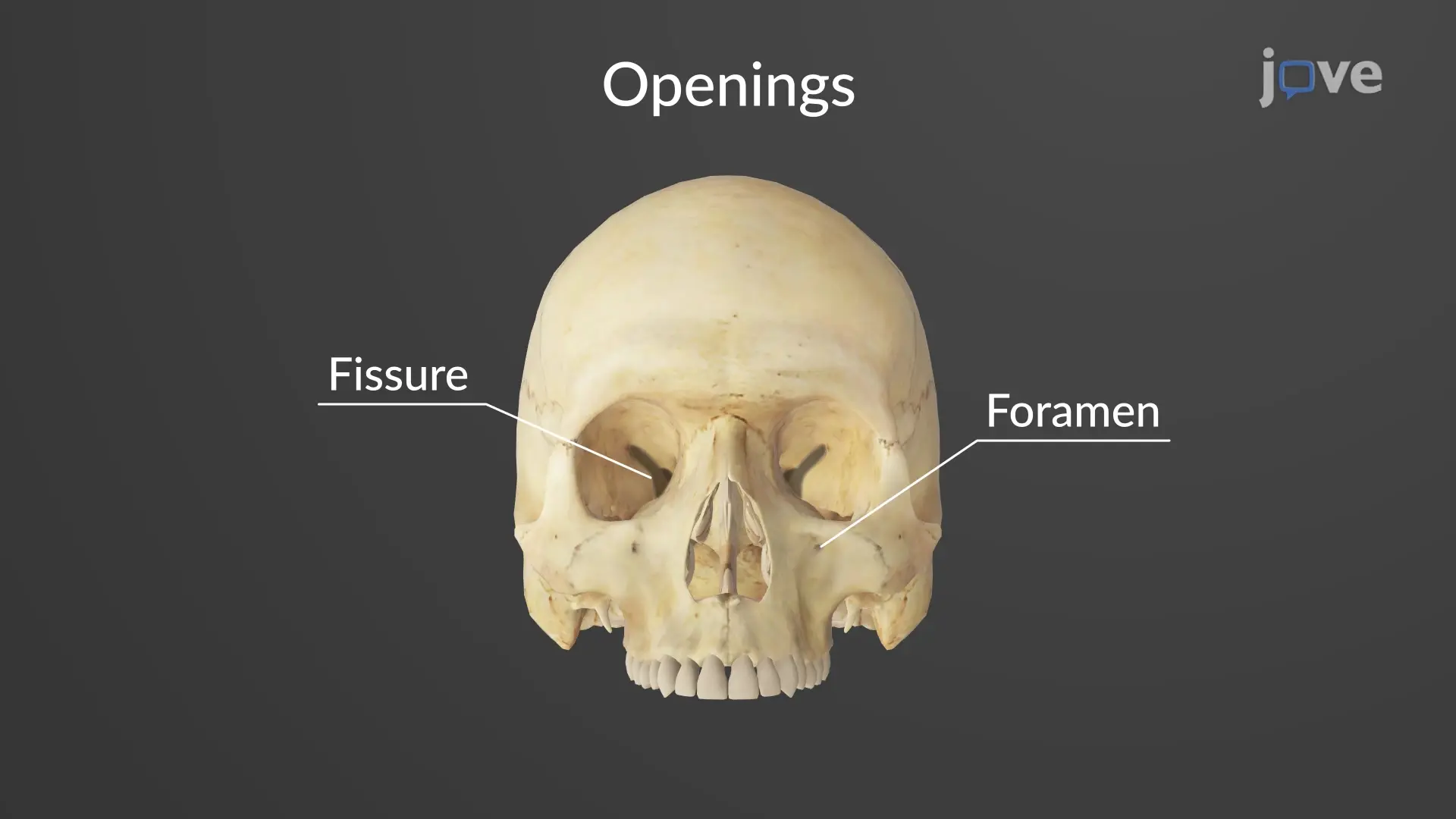
Foramen
A hole through a bone, An opening that allows nerves, blood vessels or other structures to pass. a natural opening, hole, or passage in the body, most commonly found in bones.

Fissure
A narrow slit-like opening. A thin opening through bone, often for nerves or vessels. a long, narrow crack, break, or opening in a surface, or a natural groove dividing an organ
Meatus/canal
A tube-like passageway through bone. A tunnel in a bone.

Sinus
An air-filled cavity within a bone, lined with mucous membrane. A hollow air space that can lighten the skull and affect voice resonance.

Hyaline Cartilage
Smooth, glassy cartilage that covers articular surfaces and forms structures such as costal cartilage and growth plates. Most common cartilage, create smooth joint surfaces and supports growth and the rib cage.

Fibrocartilage
Very strong cartialge containing dense collagen fibers, found in intervertebral discs, pubic symphysis and menisci. “Shock absorber” cartilage because it handles compression and tension well.
Elastic Cartilage
Flexible cartilage containing elastic fibers; found in structures such as the external ear and epiglottis. Cartilage can bend and return to shape.
Support of bones
Skeletal function in which bones provide the body’s framework. Bones give soft tissues a structure to attach to and help maintain body shape.
Protection of bones
Skeletal function in which bones shield delicate organs. Skull protects brain, ribs protect heart and lungs.
Movement in bones
Skeletal function in which bones act as levers and joints act as pivot points for muscles. Muscles pull on bones across joints to create movement.
Mineral storage
Storage of minerals, especially calcium and phosphate, in bone matrix. Bone acts like a mineral bank and can release minerals when the body needs them.
What is Hematopoiesis
Formation of blood cells in red bone marrow. Red marrow makes red blood cells, many white blood cells and platelets. The creation and maturation of new blood cells from stem cells
Yellow bone marrow
Marrow rich in adipose tissue, especially in adult long-bone cavities. Is mainly an energy/storage site rather than a major blood/cell factory.