Life in a digital age (1)
 Call Kai
 Learn
 Practice Test
 Spaced Repetition
 Match
 Flashcards
 Knowt Play
1/32

There's no tags or description
Looks like no tags are added yet.
33 Terms

Perform operations
executing specific tasks, commands, or processes on data, hardware, or software systems

Access the Internet
having the ability to connect a device (such as a phone, tablet, or computer) to the global network of computers
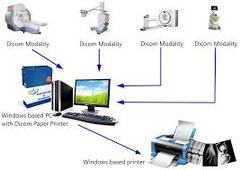
Store information
to keep data for future use
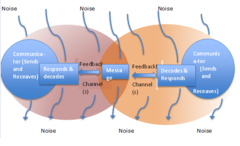
Carry out transactions
to execute, process, or complete an exchange of money, goods, services, or data

Display data
the visual or structured representation of numerical, text, or graphic information so that people can easily read, analyze, and understand it

hardware
the physical parts of a computer
software
the programs and other operating information used by a computer.

Central processing unit (CPU)
Brain of the computer that performs instructions defined by software
Main/ expandable memory
the fast, temporary workspace that a computer or smartphone uses to hold data and apps that the processor is actively running

Peripherals
omething located on an outer edge, a matter of minor importance, or an external device attached to a computer

Storage
the retention of encoded information over time

output devices
Devices that enable the computer to give the user the results of the processed data.
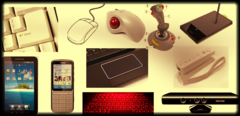
input devices
keyboards, mouse, scanners, cameras, joysticks, and microphones; a piece of equipment used to provide data and control signals to an information processing system.

Disk drives
a device that allows a computer to read from and write to computer disks.
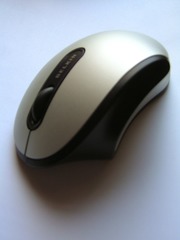
mouse
a hand-operated electronic device that controls the coordinates of a cursor on your computer screen as you move it around on a pad

Keyboard
A computer input device that uses a set of keys to put data into the computer.

monitor
display consisting of a device that takes signals from a computer and displays them on a CRT screen

printer
A machine that prints characters or other images on paper

ports
Connection points that we can connect devices to that extend the functionality of our computer
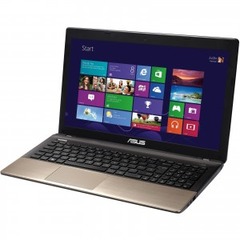
Laptop
A portable computer small enough to use in your lap
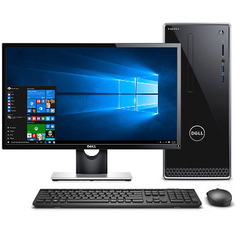
desktop PC
a computer that isn't portable and remains in situ on a desk
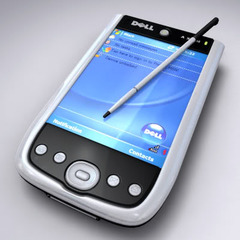
PDA
personal digital assistant

mainframe
a high-performance enterprise computer system designed to process massive volumes of real-time transactions, heavy input/output operations, and critical business data with extreme reliability

tablet PC
A personal computer similar in size and thickness to a notepad on which you can take notes using a stylus or digital pen on a touch screen.

Processor
short for microprocessor or CPU

chip
a tiny piece of semiconducting material—usually silicon—containing millions or billions of microscopic electronic components like transistors, resistors, and capacitors

Integrated circuit
a tiny, self-contained electronic device that packs millions or billions of electronic components (such as transistors, resistors, and diodes) onto a single piece of semiconducting material, usually silicon

Control unit
Component of a processor that directs and coordinates most of the operations in the computer.
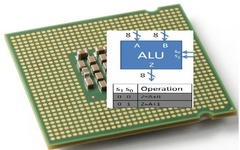
Arithmetic logic unit (ALU)
The part of the central processing unit that performs arithmetic computations and logical operations.

Registers
Small, high-speed storage locations that temporarily hold data and instructions.

System clock
controls the timing of all computer operations

Clock speed
The speed, or frequency, expressed in MHz, that controls activity on the motherboard and is generated by a crystal or oscillator located somewhere on the motherboard.

Gigahertz (GHz)
A billion cycles per second; a measurement used to express a computer system's clock speed or clock rate.