Ch. 34 obstetrics and neonatal care
 Call Kai
 Learn
Learn Practice Test
 Spaced Repetition
 Match
Match Flashcards
 Knowt Play
1/64

There's no tags or description
Looks like no tags are added yet.
Name | Mastery | Learn | Test | Matching | Spaced | Call with Kai | Chat |
|---|
No analytics yet
Send a link to your students to track their progress
65 Terms
when does ovulation occur
approximately 2 weeks prior to menstruation
female reproductive system

placenta
disk-shaped
attached to the uterine wall and provides nourishment to the fetus
keeps the circulation of the women and fetus separate but allows substances to pass between them

umbilical cord
connects the women and fetus through the placenta
umbilical vein and artery
umbilical vein: carries oxygenated blood from the placenta to the heart of the fetus
umbilical artery: carries deoxygenated blood from the heart of the fetus to the placenta

amniotic sac
fluid-filled, baglike membrane in which the fetus develops
when the sac ruptures, fluid is released in a gush - usually the beginning of labor
which systems undergo major physiologic and anatomic changes during pregnancy?
respiratory
cardiovascular
musculoskeletal
reproductive
reproductive system changes
hormone levels increase
uterus is displaced
increases the chance of direct fetal injury in trauma
rapid uterine growth during 2nd trimester:
uterus pushes up on the diaphragm displacing it from its normal position
increased RR, decreased minute volume
overall blood volume gradually increases
number of RBCs increases
speed of clotting increases
HR increases
cardiac output is significantly increased
what are pregnant women at an increased risk for?
gastroesophageal reflux
nausea, vomiting
aspiration
weight gain during pregnancy
challenges the heart and impacts the musculoskeletal system
certain hormones make the joints “looser” or less stable
3rd trimester → changes in the body’s center of gravity causes an increase risk of falls
diabetes
develops during the 2nd half of pregnancy in many women who previously did not have it
gestational diabetes - usually resolves after delivery
treatment: same as other pts with diabetes
hypertensive disorders
gestational hypertension
preeclampsia or pregnancy-induced hypertensin
can develop after the 20th week of gestation
eclampsia
gestational hypertension
definition: presence of high BP in the absence of other systemic effects
SBP higher than 140, DBP higher than 90
severe = SBP higher than 160, DBP higher than 110
signs and symptoms of preeclampsia
severe hypertension
severe of persistent headache
visual abnormalities
edema in the hands and feet
upper abdominal or epigastric pain
dyspnea and/or retrosternal chest pain
anxiety
altered mental status
eclampsia
definition: seizures that occur as a result of hypertension
treatment:
lay pt on her left side
maintain airway
oxygen
suction if necessary
rapid transport + call for ALS
supine hypotensive syndrome
low BP resulting from compression of the inferior vena cava by the weight of the pregnant uterus when the women is supine
ectopic pregnancy
definition: an embryo develops outside of the uterus, typically in the fallopian tube
occurs in the 1st trimester - some pt’s might not know they are pregnant yet
signs/symptoms: internal bleeding, sudden onset of severe abdominal pain, vaginal bleeding
it’s important to consider this in pts who have missed their menstrual cycle and are showing signs
spontaneous abortion (miscarriage)
definition: the loss of pregnancy prior to 20 weeks of gestation without any preceding surgical or medical intervention
often causes hemorrhage
abruptio placenta
definition: premature separation of the placenta from the wall of the uterus
commonly caused by hypertension or trauma
signs/symptoms: dark vaginal bleeding, severe abdominal/back pain, rigid and tender uterus

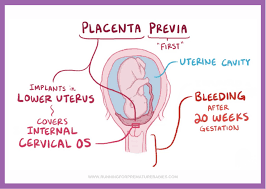
placenta previa
definition: a condition in which the placenta develops over and covers the cervix
signs/symptoms: bright red, painless vaginal bleeding
treating any bleeding from the vaginal canal in pregnant women
tret for shock if necessary
place a sterile pad over the area and replace as needed
do NOT insert anything to control bleeding
abuse of pregnant women
increases the chance of spontaneous abortion, premature delivery, and low birth weight
high risk of bleeding, infection, and uterine rupture
talk to the pt in a private area so they feel comfortable
substance abuse
effects on the fetus - prematurity, low birth weight, severe respiratory distress, death
fetal alcohol syndrome - condition of infants born to women who have abused alcohol
newborn may need immediate resuscitation
trauma to the uterus
uterus is vulnerable to penetrating and blunt force trauma
can be life-threatening due to its rich blood supply
usually the only chance to save the fetus is to adequately resuscitate the women
CPR on a pregnant pt
may require compressions to be a little higher on the sternum of the pt is far in her pregnancy
delivering on scene
stay in the house or in the ambulance
area should be warm and private with lots of space
transporting pts in the 2nd or 3rd trimester
transport them lying on their left side of possible
provide rapid transport for pregnant pts who:
have significant bleeding and pain
are hypertensive
are having a seizure
have an altered mental status
history taking
expected due date
any complications that she is aware of
if she has been receiving prenatal care
a complete medical history
frequency of contractions
history of previous pregnancies and their complications
determine if there is a possibility of multiples
has the mother taken any drugs or medications
if what broke, ask if it was green (due to meconium)
stages of labor
1.) dilation of the cervix
2.) delivery of the fetus
3.) delivery of the placenta
1st stage of labor
begins with onset of contractions, ends when the cervix is fully dilated
usually the longest stage
rupture of the amniotic sac
frequency and intensity of contractions increase with time
lightening occurs
Braxton-Hicks contractions
sporadic, often painless, or mildly uncomfortable uterine tightenings that act as a “warm-up” exercise for labor
firm, tightening abdomen - last 30-60 seconds and occur irregularly
lightening
baby descends lower into the pelvis to prepare for birth
2nd stage of labor
contractions are usually closer together and last longer
perineum will bulge significantly - crowning will happen
3rd stage of labor
placenta must completely separate from the uterine wall
may take up to 30 min
begins with the birth of the newborn, ends with the delivery of the placenta
when to consider delivery at the scene
delivery is imminent
a natural disaster, inclement weather, or other factors make it impossible to reach the hospital
ask the following questions to determine if the delivery is imminent
how long have you been pregnant?
when are you due?
is this your 1st pregnancy?
are you having contractions?
how far apart?
how long do they last?
have you had any spotting or bleeding?
has your water broken?
do you feel as though you need to have a bowel movement?
do you feel the need to push?
to help determine potential complications, ask the following questions?
were any of you previous deliveries by c-section?
have you had problems in this or any previous pregnancies?
do you use drugs, drink alcohol, or take any meds?
do you know if there is a chance you will have multiple deliveries?
does your physician expect any complications?
patient position for delivery
clothing should be removed/pushed up to waist
place pt on a firm surface that is padded with blankets, folded sheets, or towels
elevate the hips about 2-4 inches with a pillow or blankets
support the head, neck, and upper back with pillows or blankets
have her keep her legs and hips flexed, with her feet flat on the surface beneath her and knees spread apart
preparing the delivery field
put on proper BSI
place towels or sheets on the floor
open the OB kit
use the sterile sheets and drapes from the OB kit
delivery
someone should be reassuring the pt at the head
administer oxygen if the pt allows it
be prepared for the pt to vomit
continually check for crowning
time the contractions
during contractions → quick, short breaths
between contractions → rest and breathe deeply though mouth
delivering the head
observe the head as it begins to exit
place your sterile gloved hand over the emerging bony parts of the head to help maintain control
continue to support the head as it rotates
be careful that you don’t poke the newborn’s eyes or fontanelles
locations of fontanelles

unruptured amniotic sac
will appear as a fluid-filled sac emerging
sac will suffocate the fetus if not removed
puncture it with a clamp or tear it by twisting it between fingers - make sure the puncture site is away from the fetus’s face
clear the newborn’s mouth and nose with a bulb syringe and wipe the mouth and nose
umbilical cord around the neck
as soon as the head is delivered, use 1 finger to feel whether the umbilical cord is wrapped around the neck
usually, you can slip the cord gently over the delivered head
if not, it must be cut
delivering the body
support the head and upper body as the shoulders deliver
do not put the fetus from the birth canal
the newborn may be slippery and covered in vernix caseosa
postdelivery care
place the newborn on the mother’s abdomen is she is able and willing so skin-to-skin contact can begin
dry off the newborn and wrap him/her in a warm blanket or towel - ensure the top of the head is also covered
keep the newborn’s neck in a neutral position
wipe secretions
clamp and cut the umbilical cord after approximately 60 seconds
obtain the 1-minute Apgar score
after delivery of the placenta, place a sanitary pad
record time of birth
emergency situations after delivery
more than 30 min elapse and the placenta has not delivered
there is more than 500 mL of bleeding before delivery of the placenta
there is significant bleeding after the delivery of the placenta
what is the golden minute?
the 1st minute after birth
the following should be done during the newborn’s 1st minute of life
airway positioning and suctioning, if needed
drying
warming
tactile stimulation
stimulation that can be done to encourage the newborn to breathe
position the airway in a neutral or sniffing position
if necessary, then suction the mouth and nose
vigorously dry the head, body, and back
rub the newborn’s back, and gently flick or slap the soles of his or her feet
tactile stimulation
if signs of adequate ventilation are not present after 30 sec, then positive pressure ventilations may be necessary
additional resuscitation efforts
observe the newborn for spontaneous respirations, skin color, and movement of the extremities
evaluate the HR - should be 100 or higher
listen to heart/lung sounds
use hand-encircling technique for compressions - 3:1 ratio
if you see meconium staining consider quickly suctioning the newborn’s mouth and nose after delivery
The Apgar score
calculate at 1 min and 5 min after birth
highest score = 10

assessing newborn’s pulse ox
best taken at the right wrist
observe for central cyanosis
administer blow-by oxygen if cyanosis is present
set flow rate to 5 L/min
breech delivery
definition: buttocks or feet are delivered 1st
usually take longer
during delivery
support the chest and trunk
make sure the airway is not compressed

limb presentation
cannot be delivered in the field so you must transport immediately
cover the protruding limb with a sterile towel
place the pt on her back, with her dead down and pelvis elevated
prolapse of the umbilical cord
keep the cord from compressing the fetus’s head
push the head away from the cord
place the women supine with the foot of the stretcher raised 6-12 inches higher than her head, with hips elevated on a pillow or folded sheet
or knee-chest position
wrap a sterile moist towel with saline around the exposed core
give the pt high-flow oxygen and transport
spina bifida
definition: developmental defect in which a portion of the spinal cord or meninges may protrude outside of the vertebrae and possibly outside of the body
treatment: cover the open area of the spinal cord with a sterile, moist dressing and then an occlusive dressing immediately after birth
maintenance of the newborn’s body temp is important when applying the moist dressings
multiple gestation
twins occur about 1/30 births
10 minutes after the 1st birth, the process will begin again
clamp and cut the cord of the 1st newborn as soon as it has been born and before the 2nd newborn is delivered
record the time of birth of each twin separately
premature birth
any newborn who delivers before 8 months (36 weeks) or weighs less than 5lb at birth is considered premature
head is proportionately larger than the rest of the body
vernix caseosa will be absent or minimal and there will be less body hair
postterm pregnancy
definition: pregnancies lasting longer than 41 weeks of completed gestation
fetuses can be larger than a typical 40-week fetus, sometimes weighing 10 lb or more
more difficult labor
increased chance of c-section
the women is at risk for tears and infection
postterm newborns have increased risks of meconium aspiration, infection, and being stillborn
fetal demise
the onset of labor may be premature, but labor will otherwise progress normally in most cases
if an intrauterine infection has caused the demise, you may note an extremely foul odor
do not attempt to resuscitate an obviously deceased neonate
postpartum pts are at an increased risk of a _____ ______
venous embolism
postpartum pts and pulmonary embolisms
after delivery in the field, if the woman begins to report sudden difficulty breathing or shortness of breath, consider PE
suspect PE in pts of childbearing age with respiratory complaints who have recently delivered, especially with the sudden onset of difficulty breathing or altered mental status