biology macromolcules test
 Call Kai
 Learn
Learn Practice Test
 Spaced Repetition
 Match
Match Flashcards
 Knowt Play
1/44

There's no tags or description
Looks like no tags are added yet.
Name | Mastery | Learn | Test | Matching | Spaced | Call with Kai | Chat |
|---|
No analytics yet
Send a link to your students to track their progress
45 Terms
Ionic bond
one or more electrons are transferred from one atom to another
covalent bond
electrons are shared between two nonmetals
hydrogen bond
A weak chemical bond formed when two molecules have a polar covalent bond
Buffer
weak acid or base that can react with strong acids or bases to help prevent sharp, sudden changes in pH
Universal solvent
Water because of the polarity and ability to dissolve many different solutions
Four macromolecules
Carbohydrates, Lipids, Proteins, and Nucleic Acids
Monomer of Carbohydrates
Monosaccharides (Galactose, Glucose or Fructose)
Monomer of Proteins
amino acids
monomer of nucleic acids
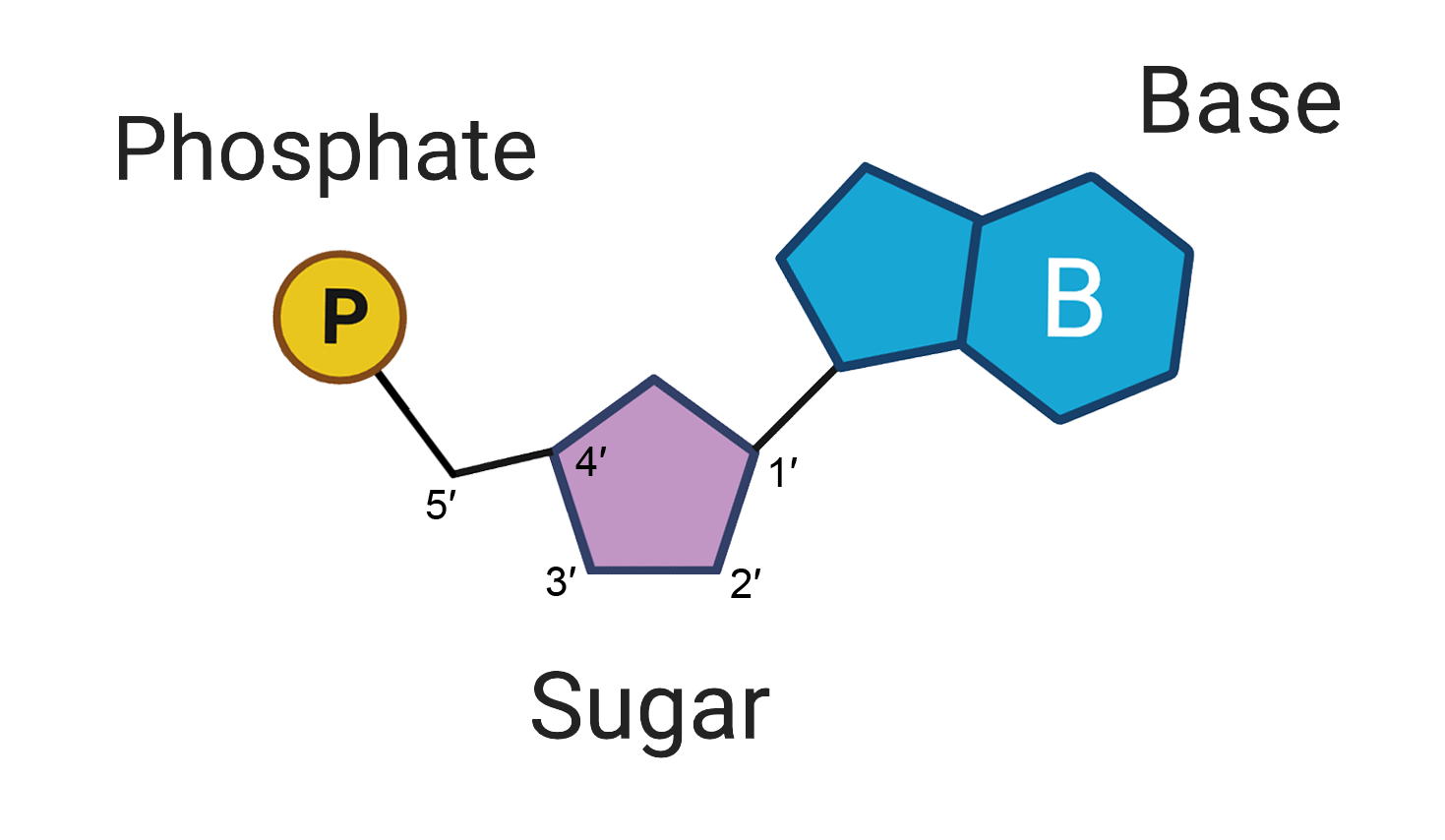
nucleotides
Function of carbohydrates
short term energy source
function of lipids
long term energy source
function of nucleic acids
Store and Transmit your Genetic Information
function of proteins
1. Controls the Rates of Reactions 2. Fights Diseases 3. Forms Cell Structures 4. Regulates Cell Processes 5. Transports stuff In/Out of the Cell
examples of carbohydrates
Monosaccharides - Glucose, Fructose Disaccharides Polysaccharides
Protein structure

carbohydrates structure

nucleic acids structure
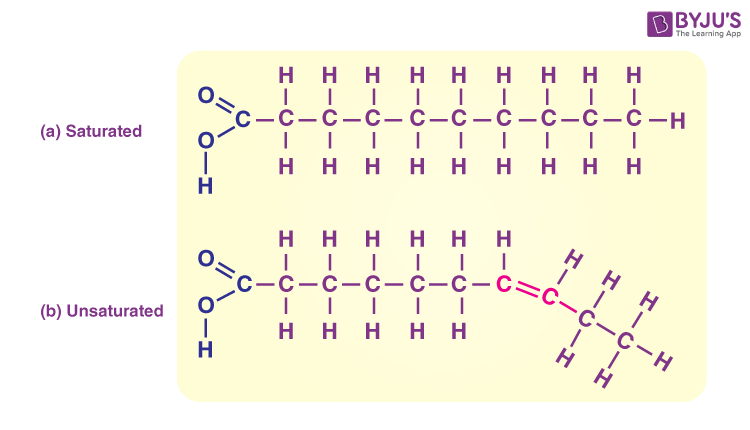
lipid structure
active site
where the enzyme undergoes a chemical reaction
Adaptation
a trait or change in a living thing that helps it survive and reproduce in its environment
Control Group
a standard group in an experiment that does not receive the test treatment or intervention
Control Variable
is any factor that a researcher keeps constant (the same) throughout an experiment or study
Dependent Variable
the factor you measure or test in an experiment to see how it responds to changes
Catalyst
A substance that speeds up chemical reactions or lowers the energy needed to start it, without being used up or permanently changed in the process
Dehydration Synthesis
a chemical reaction that joins two small molecules (monomers) together to build a larger molecule, releasing a water molecule as a byproduct.
Denature
means to change the natural structure, shape, or qualities of a substance—most commonly a protein, DNA strand, or alcohol
Endergonic reaction
a chemical reaction that absorbs energy from its surroundings
Enzymes
a type of protein that increases the speed of a reaction
Exergonic reaction
a chemical reaction that releases free energy into its surroundings
Homeostasis
an organism's automatic process of keeping its internal environment stable and balanced, even when conditions outside change
Hydrolysis
a chemical reaction where water is used to break down the bonds of a larger molecule into smaller parts
Independent variable
the factor in an experiment or study that you intentionally change or control to see what effect it has
Inorganic
any chemical compound or material that does not contain carbon-hydrogen (C–H) bonds, or that is not derived from living organisms
Monomer
is a small, simple molecule that can join together with other similar molecules to form a large, chain-like structure called a polymer.
monosaccharides
the simplest form of a carbohydrate, commonly called a "simple sugar," that consists of a single sugar unit which cannot be broken down into smaller sugars by hydrolysis (water-based splitting)
Phospholipids
a type of fat molecule that forms the main outer barrier, or membrane, of living cells
Polar
having two opposite ends or sides—one end with a positive electrical charge and the other with a negative electrical charge
response to stimulus
the reaction of a living organism to any change in its internal or external environment
saturated fat
a type of dietary fat that has single bonds between its carbon atoms, stays solid or semi-solid at room temperature, and is found mostly in animal products and tropical oils
substrate
a foundational surface, material, or molecule that is acted upon or lived on by something else
triglycerides
a type of fat (lipid) found in your blood that your body uses for energy
unsaturated fat
a type of dietary fat that contains one or more double bonds in its chemical structure, making it liquid at room temperature
What are the characteristics of life?
Order( organization of organs), response to a stimulant(response to the environment), Reproduction, adaptation.
Parts of an experiment
Independent variable, dependent Variable, constants and control group
What characteristics of water make it important
Universal solvent, polar, has hydrogen bonds, cohesive, high heat capaticity