Ghana, Africa U1 REVIEW
 Call Kai
 Learn
Learn Practice Test
 Spaced Repetition
 Match
Match Flashcards
 Knowt Play
1/21

There's no tags or description
Looks like no tags are added yet.
Name | Mastery | Learn | Test | Matching | Spaced | Call with Kai | Chat |
|---|
No analytics yet
Send a link to your students to track their progress
22 Terms

What does the red represent?
Ghana

totodzi
What is a polyrhythm?
two contrasting rhythms
What is the Ewe music timeline? What instrument is it anchored by?
a repeating pattern of music notes with differing starting points, anchored by the gankogui
What are the three categories of African instruments?
Drums, Rattles/shakers, bells
What is the five-note musical system widely used? What notes does it leave out?
pentatonic scale, Fa & Ti

Axaste
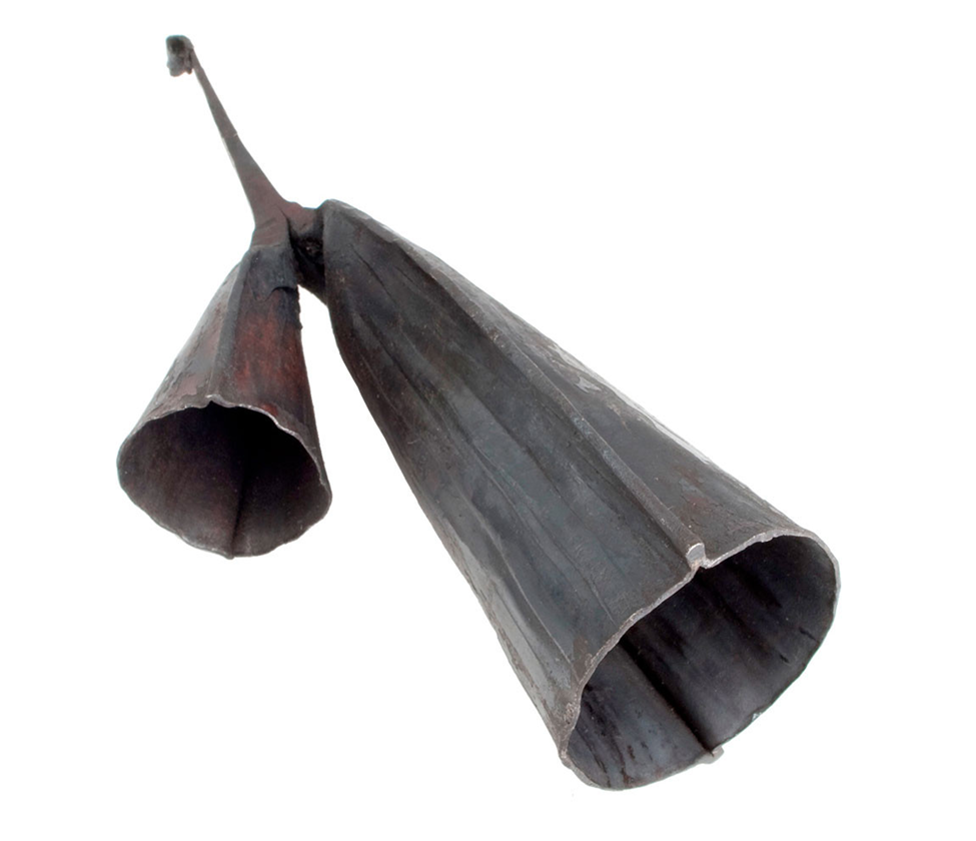
gonkogui

Mbira

kaganu

Amadinda

Ebinyenge
Idiophones
“self-sounder” entire instrument vibrates e.g. xylophones
Membranophones
“skin-sounder” e.g. drum
Aerophones
“air-sounder” e.g. wind instruments
Chordophones
“string-sounder”
Corophone
“body-sounder” e.g. clapping or snapping
Characteristics of african music (4)
call and response
functional music
integrated with dance
oral tradition
What does it mean for African music to be functional?
its purpose is communicating/event success (e.g. rainmaking, ceremonies, work), not for concert/artistic expression
What is oral tradition?
music is passed down through memory and listening rather than sheet music
agbekor
atine