AP Biology Unit 2 Packet Vocab Flashcards
 Multiple Choice & FRQ
 Call Kai
1/9

Earn XP
Description and Tags
Name | Mastery | Learn | Test | Matching | Spaced | Call with Kai | Chat |
|---|
No analytics yet
Send a link to your students to track their progress
10 Terms

ribosome
function: synthesizes proteins according to messenger RNA (mRNA) sequences.
membrane: not membrane bound
types of cells: located in all cells, evidence that all life has a common origin.


endoplasmic reticulum (ER)
function: provides mechanical support by helping cells maintain shape and plays a role in intracellular transport.
i. rough ER is associated with membrane bound ribosomes, allows for the compartmentalization of cells, and helps carry out protein synthesis.
ii. smooth ER functions include the detoxification of cells and lipid synthesis.
membrane: membrane bound
types of cells: all eukaryotes (plants, animals, fungi, and protists)

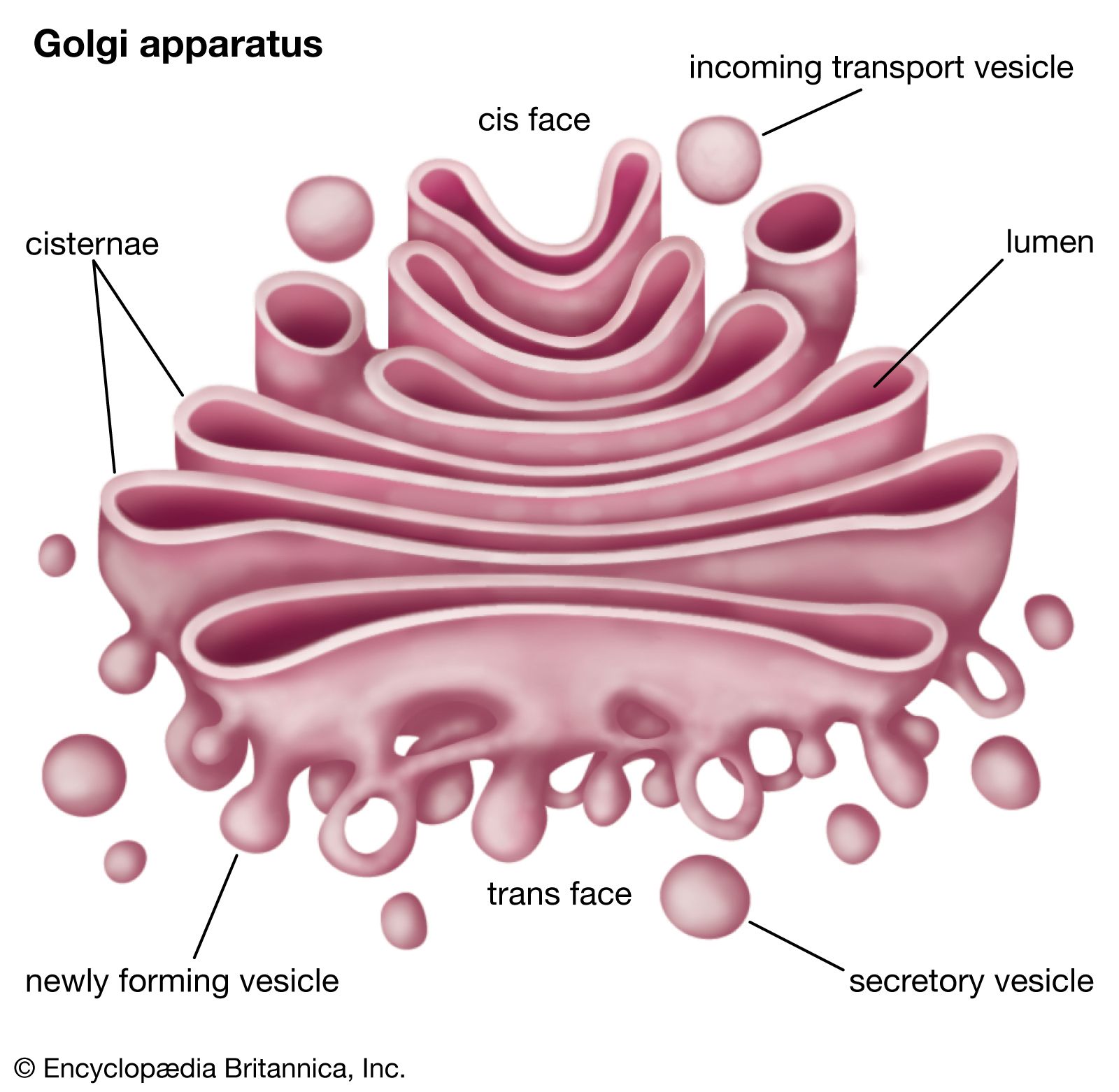
golgi complex (aka golgi body/apparatus)
function:
i. correctly folding and chemically modifying newly synthesized cellular products
ii. packaging proteins for trafficking
membrane: membrane bound
types of cells: all eukaryotes (plants, animals, fungi, and protists)


mitochondria
function:
a double membrane that provides compartments for different metabolic reactions involved in aerobic cellular respiration
the outer membrane is smooth, while the inner membrane is highly convoluted, forming fonds that enable ATP to be synthesized more efficiently
membrane: membrane bound with a double bond
types of cells: all eukaryotes (plants, animals, fungi, protists)


lysosomes
function: membrane-enclosed sacs that contain hydrolytic enzymes that digest material. also plays a role in programmed cell death (apoptosis)
membrane: membrane bound
types of cells: all cells


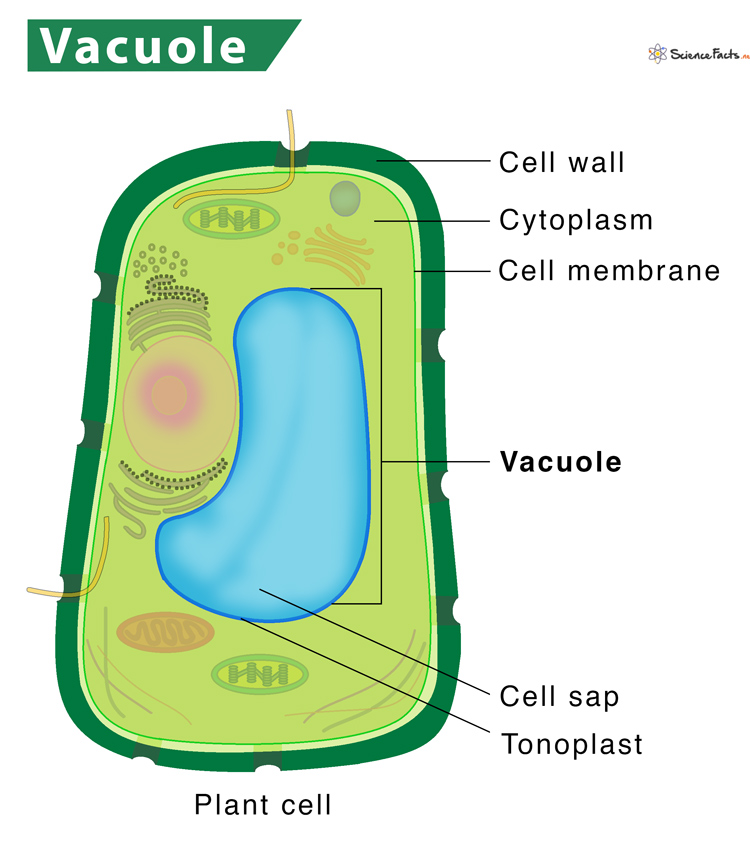
vacuoles and transport vesicles
function:
i. a specialized, large vacuole maintains turgor pressure through nutrient and water storage (only in plant cells)
ii. vacuoles are smaller in size, are more plentiful than in plant cells, and stores materials (only in animal cells)
membrane: membrane bound
types of cells: all cells
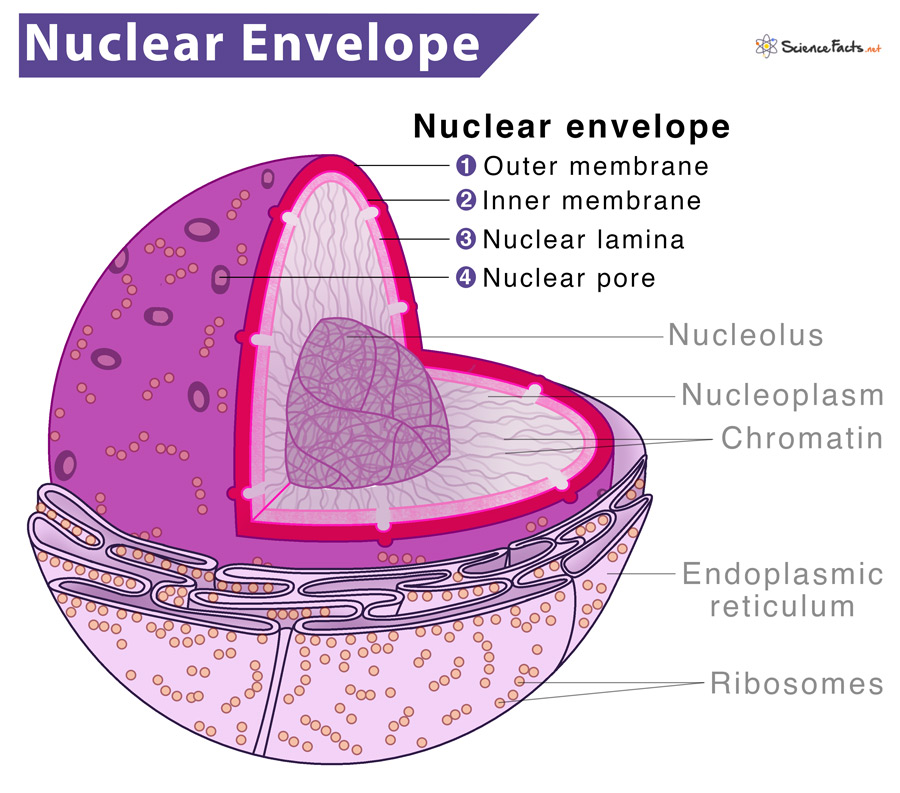
nuclear envelope
function: separates the nuclear contents (DNA,RNA, and nucleoplasm) from cytosol; ensures integrity of the genome
membrane: membrane bound with a double membrane
types of cells: all eukaryotes (plants, animals, fungi, protists)

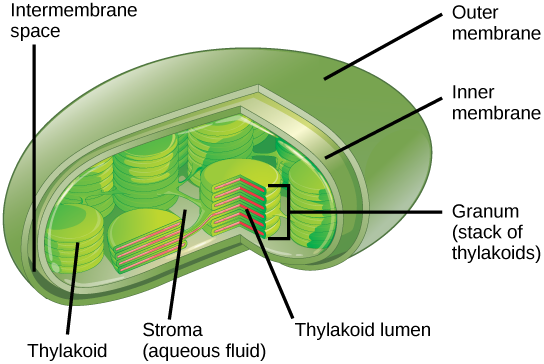
chloroplasts
function: location for photosynthesis
membrane: membrane bound with a double membrane
types of cells: eukaryotes (plants and algae)


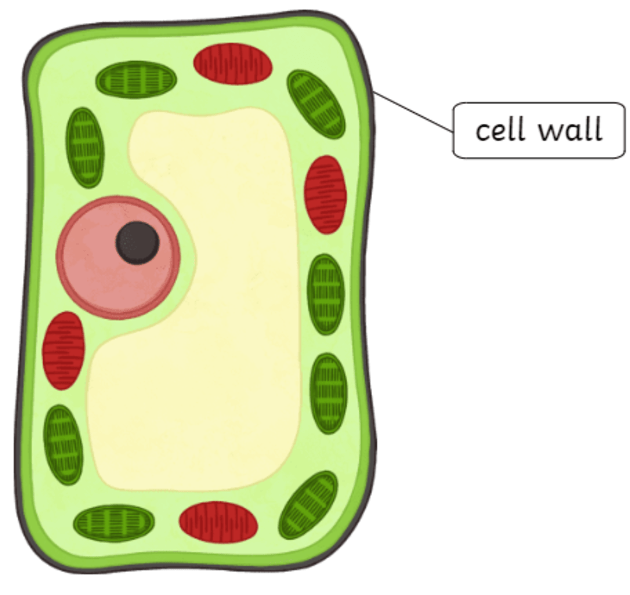
cell wall
function: a structural boundary as well as a permeability barrier for some substances to the internal or external cellular environments and protection from osmotic lysis
membrane: not membrane bound
types of cells: eukaryotes (fungi and plants)
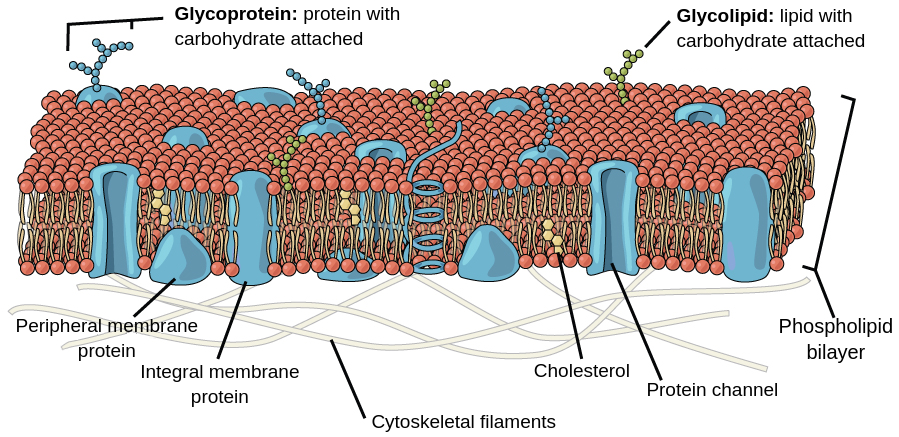
plasma membrane
function: plasma membranes separate the internal environment of the cell from the external environment. selective permeability is the result of the plasma membrane having a hydrophobic interior.
membrane: membrane itself
types of cells: all cells; evidence that all life has a common origin
