magnetism
 Call Kai
 Learn
Learn Practice Test
 Spaced Repetition
 Match
Match Flashcards
 Knowt Play
1/27

There's no tags or description
Looks like no tags are added yet.
Name | Mastery | Learn | Test | Matching | Spaced | Call with Kai | Chat |
|---|
No analytics yet
Send a link to your students to track their progress
28 Terms
how is magnetism exhibited
occur when charged particles are in motion
magnetic domain
accumulation of many atomic magnets
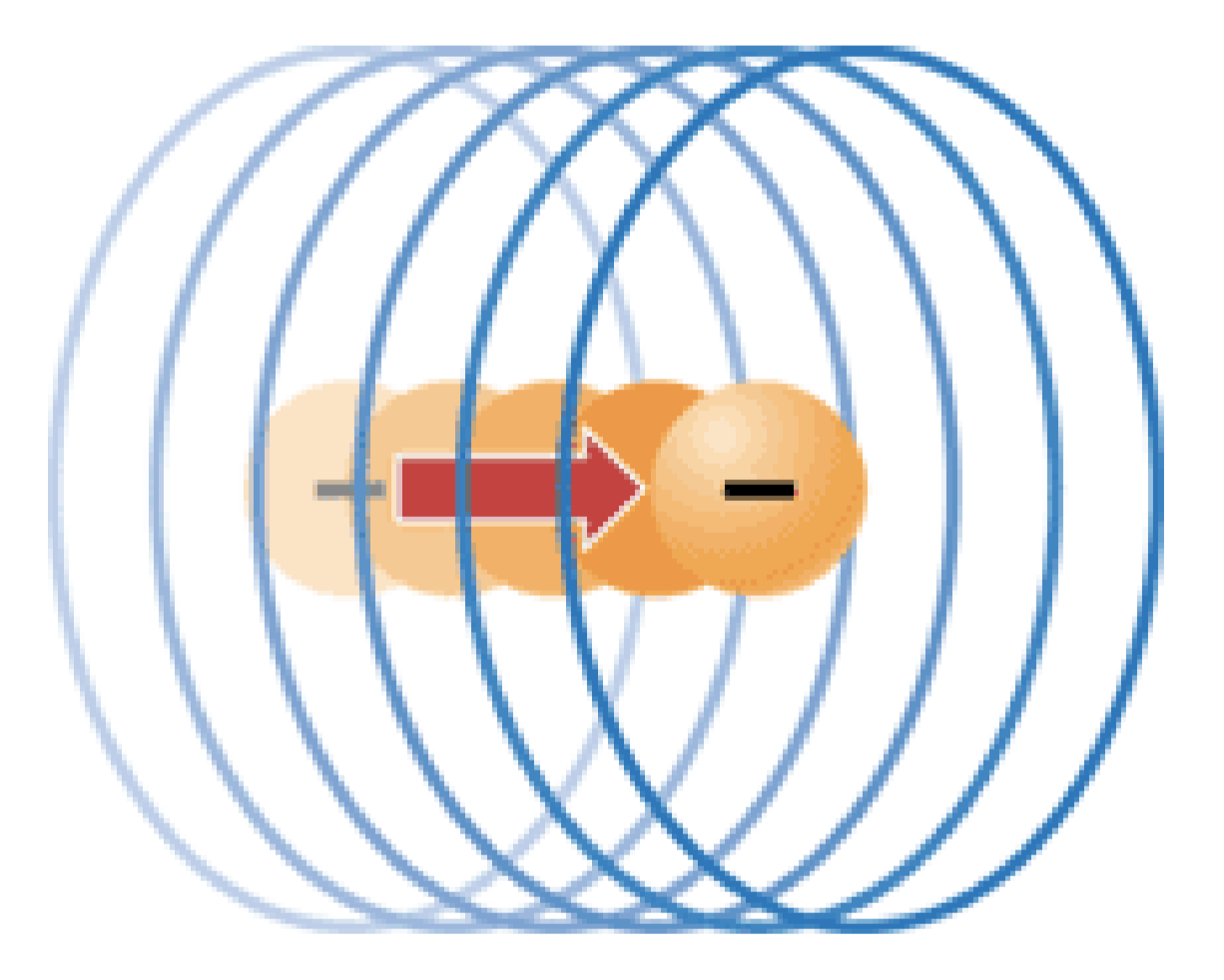
what do the circles represent
magnetic field around moving charge
non-magnetized state
domains in random arrangement
example is iron
magnetized state
domains align with a N to S orientation
magnetism units
tesla (T)
classification of magnets
natural, artificial permanent, electromagnets
nature magnet
found in nature that include magnetites that exhibit magnetism
examples include earth, iodestone, iron oxide
artificial permanent magnet
man made that include hardened steel, alloy, and compasses
electromagnets
temporary magnets created by a current of electron and iron core
current vs. magnetic field relationship
stronger current = greater magnetic field
magnetic permeability (suscepitibility)
ease with which material can be magnetized
magnetic retentivity
ability of a material to hold magnetization
permeability vs. retentivity relationship
inverse relationship
increased susceptibility while decreased retentivity
decreased susceptibility while increased retentivity
magnetic classification of matter
ferromagnetic, paramagnetic, diamagnetic, nonmagnetic
ferromagnetic
materials that can be magnetized and exhibit strong magnetic properties
strongly attracted to a magnet
paramagnetic
materials that are weakly attracted to a magnetic field
loosely influenced by a magnetic field
diamagnetic
materials that are weakly repelled by a magnetic field and cannot be magnetized
not attracted to a magnet
examples are elements in the periodic table
nonmagnetic
materials unaffected by a magnetic field
magnetic force field direction
form a closed loop
N to S outside the magnet
S to N inside the magnet
what do field lines pass through
both magnetic and non-magnetic materials
what are field lines concentrated by
magnetic materials
what are field lines unaffected by
non-magnetic materials
magnetism law #1
every magnet has two poles designated by N & S that cannot be separated
magnetism law #2
like poles repel, unlike poles attract
magnetism law #3
force between two magnetic poles varies directly as the strength of the poles and inversely as the square distance of the distance between poles
strength of magnetism
determined by # of field lines per unit area
two ways to create a magnet
stroking an iron bar repeatedly with a magnet
hammering a piece of iron in the presence of a magnet