Medical Surgical Nursing: Stroke
 Call Kai
 Learn
 Practice Test
 Spaced Repetition
 Match
 Flashcards
 Knowt Play
1/43

There's no tags or description
Looks like no tags are added yet.
44 Terms
What is a Stroke?
Damage to the brain from interruption of its blood supply.
Types of CVA
ischemic and hemorrhagic
Risk Factors of CVA
- HTN
- Smoking
- Hypercholesterolemia
- Illicit drug use
- Older then 55
- Heavy Alc
- Stimulants
Most common type of CVA
ischemic
Ischemic Stroke
Sudden Blockage of a cerebral blood vessel leading to reduced blood supply
Risk factors for Ischemic Stroke
- Cigarette Smoke
- Hypercholesteremia
- Age >55
Cardiac Causes of Ischemic Stroke
- A-Fib
- MI
- Valvular Disease
- Septal Defect
- Carotid Plaque
atrial fibrillation
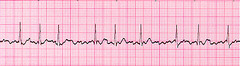
Clinical Manifestations of an Ischemic Stroke
- Numbness or weakness of the face, arm, or leg, especially on one side of the body
- Slurred Speech
- Difficulty with finding words or comprehending words
Medical Treatment of an Ischemic Stroke
What is the only FDA-approved drug for acute ischemic stroke?
Alteplase (tPA)
What is the standard time window to give alteplase?
Within 1 hour of symptom onset.
What must be determined before giving alteplase?
The exact time of symptom onset and ruling out hemorrhagic stroke.
What imaging is required before giving tPA?
CT scan to rule out hemorrhage.
How are thrombolytics typically administered?
Intravenously (IV).
What is the most serious risk of thrombolytic therapy?
intracranial hemorrhage.
What other types of bleeding can occur with tPA?
GI bleeding and bleeding in other parts of the body.
What is the priority before administering tPA?
Rule out hemorrhagic stroke.
What type of stroke is tPA used for?
Ischemic stroke ONLY.
Time window for tPA admin
within 60 minutes of onset.
What happens if onset time for an ischemic stroke is unknown or if it is > 60 minutes?
then you would give aspirin or heparin.
Causes of a Hemorrhagic Stroke
- Trauma
- Ruptured aneurysm
- AV malformation
Clinical Manifestations of Hemorrhagic Stroke
- Exploding Headache
- Decreased LOC
- N/V
- Visual Changes
- Seizures
Risk for Hemorrhagic stroke
- HTN
- Drug Use
- Age > 55
- Heavy Alc use
- Stimulants
Complications of Hemorrhagic Stroke
- Ischemic Stroke
- Cerebral Edema
- Pulmonary Edema
- Myocardial Ischemia
- Increased ICP
Physical Assessment of a Hemorrhagic Stroke
- Serial neurological assessment
- Vitals
- neurovascular assessment
- intake and output
Labs of a Hemorrhagic stroke
- CT scan
- MRI
- Carotid Duplex
- Echocardiogram
- ECG
- Laboratory Tests
The higher the NIH stroke scale
the worse the prognosis
What is required if there is neurological changes in a patient?
NIH Stroke Scale
Nursing Goal for a Stroke
The patient will regain as much of their baseline function as possible and/or adapt to new changes.
When do you do the NIH Stroke Scale
- Baseline test
- 24 hours post stroke + 20 minutes
- 7-10 days post stroke
- 3 months post stroke
- any time there are any changes in baseline
- any time nurse deems necessary
Nursing Diagnosis of Stroke
Impaired swallowing, risk for impaired gas exchange, sensory perceptual alterations, impaired physical mobility, impaired verbal communication, and impaired family coping.
Why is Aspiration a risk for a stroke pt.
Aspiration is a risk for a stroke patient because a stroke can impair the brain's ability to coordinate swallowing (dysphagia). This leads to poor airway protection, allowing food, liquids, or saliva to enter the lungs instead of the esophagus, which can cause aspiration pneumonia.
How long will a patient be NPO after a stroke
Until speech therapy sees them and does a "swallow test"
Nursing Interventions of a Stroke
- Medications: *aspirin*
- Preform bedside swallow screen
- Elevated HOB
- Aspiration and Bleeding Precautions
what is one of the first things given after a stroke?
Aspirin
Bedside Swallow
- 1 Tbl of water is given and swallowed
- Have the patient talk
- FAIL: if they cough ot if voice is "wet and gurgly"
Teachings of stroke
- Signs and Symptoms of Stroke - FAST
- Activation of EMS
- Patient-Specific Risks
Code Stroke Order
- Check Blood Sugar
- Vitals
- Onset
what is one of the first medications given for a stroke?
aspirin
Broca's aphasia
inability to produce speech
Wernickie's Aphasia
inability to comprehend speech
What to do first when a pt comes in with a stroke?
CT scan to differentiate
(T/F) a patient who has had a stroke is at risk for future strokes.
True