Perioperative Care
 Call Kai
 Learn
 Practice Test
 Spaced Repetition
 Match
 Flashcards
 Knowt Play
1/71

There's no tags or description
Looks like no tags are added yet.
72 Terms
What are the three perioperative phases?
preoperative, intraoperative, postoperative
Impacts of surgery
-Health perception/maintenance
-Exercise and activity
-Nutrition/metabolic
-Elimination
-Sleep/rest
-Cognition/perception
-Self-concept
-Roles/relationships
-Coping
-Sexuality
-Values/beliefs
Types of diversity considerations for surgery
-Lifespan
-Culture, ethnicity, religion
-Disability: stress or anxiety caused by disorders because it hinders understanding of the procedure
-Morphology: delayed wound healing or significant mechanical difficulty
Ways to maintain sterile field
-Open away from you
-Don't reach over a sterile field
-Wipe clean to dirty
-Keep hands above the waist
-Avoid splashes
-Never turn your back to the sterile field, keep it in sight at all times
-1 inch margins
-Check packages and indicators
-Sterile on sterile only
-Don't move a sterile field once placed
-Maintain a 2 feet space between you and the field
Lifespan considerations- Elders
Decreased larynx reflexes, less teeth, slower reaction times, increased hypoxic risk, decreased cardiac output, less renal perfusion, longer medication effects due to decreased kidney and liver function, dysrhythmias, alcohol use
Preoperative nursing assessment
-History
-Physical assessment (more focused assessment)
-Monitor risk factors
-Diagnostic screenings
Malignant hyperthermia
A hereditary condition of uncontrolled heat production. Potentially life-threatening condition and can occur when inhaled general anesthesia is administered
Risk factors to be aware of BEFORE surgery include
-Drug use
-Laryngospasms
-General health
-Medications
-Mental and cognitive status
-Nutrition
-Cardiac disorders
-Blood coagulation disorders
-Respiratory disorders
-Renal disorders
-Liver disease
-Diabetes mellitus
-Previous surgeries
-Latex allergies
-Malignant hyperthermia
Preoperative Nursing steps
1. Diagnostic screens
2. Create nursing diagnosis and patient goals
3. Create nursing interventions
Types of diagnostic screens before operation
-CBC
-Serum electrolytes
-Coagulation studies
-BUN
-Fasting glucose
-Urinalysis
-MRSA
-Chest x-ray
-EKG
Preoperative nursing diagnoses
anxiety, fear, deficient knowledge, decisional conflict
Intra-op nursing diagnoses
-risk for perioperative positioning injury
-risk for injury r/t to equipment, electrical, or physical hazards during surgery
What should be taught before surgery?
-What will happen before, after, and during
-Answer questions
-How the family or caregivers can participate in postop care
-Equipment instructions
-Preop marking
Preop requirements that must be done before surgery begins
-Obtain informed consent from the alert patient, power of attorney, legal guardian, mother of baby
-Patient preparation
-Preoperative checklist
-Preop medication administration
Types of patient preparation before operation
NPO, bowel prep, nighttime sedative, IV fluids, prophylactic antibiotics, skin prep, shave site with clippers, empty bladder
Why are skin preparations (showers and hair removals) done before operation?
They decrease the risk of infection. Hair should be removed using sterilized or disposable electric clippers NOT a razor because razors increase infection risk. Make sure to document skin preparation
What kind of meds are used as preop "on call" meds?
Medications that reduce anxiety, reduce amount of anesthesia, reduce secretions to reduce risk from nausea and vomiting
Examples include: Valium, fentanyl, Dilaudid, Phenergan, Vistaril, Zofran, Pepcid, Atropine
Last preoperative step
Evaluate, were the goals met?
Safety intra-op goals
Remember the National Patient Safety Goals
-Prevent mistakes in surgery
-Utilize PPE
-Prevent post-op infections
Intra-op steps
-Begins with transfer to the OR
-Repeat all the checklist items
-Permit or consent MUST be before drug administration
-Mark the site, this should also be done before drug administration
Nursing interventions intra-operative
-Emotional support
-Patient safety
-Anesthesia monitoring
-Asepsis
-Check ID, permit, and chart
-Check for jewelry, dentures, etc
-Assess preop med effects
-NPO
-IV start
-Ensure wound closure
-Transport to PACU
Proper dress for nurse and patient
PPE to prevent patient infection: hair cap, mask, face shield, gown, shoe covers
Surgical scrub
A hand and arm wash that is performed prior to donning the sterile gown and gloves; used for the purpose of removing as many microorganisms as possible and for arresting the growth of others; accomplished with the use of chemicals and mechanical action. Clean fingertips to above elbows
Who gloves the rest of the team?
The scrub nurse
Injury risk during and after surgery
-Infection
-Fires
-Positioning (length of surgery and weight status)
-Sponge and sharps count
-Wrong site
-Altered temperature control
-Hemorrhage
Nursing assessments during intra-op phase
Assessment continues during this phase, continue monitoring for any changes in physiological status. Perioperative positioning injury from the length of surgery or size of patient. As well as injury from equipment or electrical hazards
Time-out
Surgeon or nurse pauses surgery to reassess the patient, nurses, etc for safety. Scalpels are covered
Things that should be done after operation
-Diaphragmatic breathing
-Incentive spirometer use
-Huff coughing
-Controlled coughing
-Turning
-Leg exercises
Intraop safety measures
Skin cleansing and preparation
Sterile draping
Physical preparation
Examples of physical preparation intraop safety measures
-Lock the stretcher and OR table
-Transfer pt to OR table
-Position safety straps
-Monitor EKG, BP, pulse ox, etc
-Have a blanket
-Use pressure point comfort pads
-Use anti-embolism stockings or pumps
Types of anesthesia
general, regional, local, epidural/spinal
Induction of general anesthesia
From administration of anesthesia to ready for incision. Maintain quiet environment to avoid stimulating the patient.
Stages of general anesthesia
Stage 1—Beginning of anesthesia; client is drowsy and dizzy; pain sensation is depressed
Stage 2—Excitement stage; client has irregular vital signs, involuntary motor movements. Avoid stimulating client until anesthesiologist says so because doing so can trigger vomiting, holding the breath, and increased activity; ensure client safety by proper use of safety straps. Critical stage of induction
Stage 3—Stage of anesthesia appropriate for surgical procedures; client has skeletal muscle relaxation, constricted pupils, absence of eyelid reflex
Stage 4—medullary depression; client is NEAR DEATH; pupils are fixed and dilated, respirations are weak, pulse is rapid and thready. This stage is avoided
General anesthesia
the blockage of all body sensations, causing unconsciousness and loss of reflexes.
How can general anesthesia be administered?
inhalation or IV push
Intubation during surgery
Helps to support breathing during surgery because the patient can no longer breathe under general anesthesia
Regional anesthesia
Temporary interruption of nerve conduction is produced by injecting an anesthetic solution near the nerves to be blocked. Common with knee surgeries
Topical or local anesthesia
Targets only a specific tissue or area, does not cause drowsiness, for minor, short term procedures. Drugs used usually end in "caine"
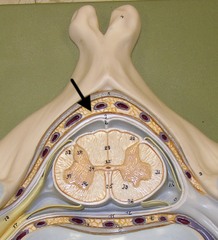
Epidural or spinal anesthesia
Anesthetic medication is injected into epidural space through an inserted needle
Conscious sedation
A drug induced depression of consciousness during which individuals respond to verbal commands or accompanied by light tactile stimuli. No interventions are required to maintain a patent airway, and spontaneous ventilation is adequate. Cardiovascular function is usually maintained. Must have someone to take them home
Care during conscious sedation
-Do not leave the patient alone
-Monitoring still occurs
-Medications are given via IV push some po. Narcotic drugs (fentanyl) hypnotic drugs (Diprivan), dissociative drugs (Ketamine), and antagonist drugs (Narcan)
Intra-operative monitoring
Done by the anesthesiologist or anesthetist, they monitor vs, respiratory function, oxygenation, circulation, temperature, and the status of anesthesia equipment.
-Total urine output and estimated blood loss are also monitored
Opening incision during surgery
A curved blade leaves the sterile field, never to return. Use a second knife and blade for the inside
Types of wound closures
stitches, steri-strips, staples
Types of sutures
Interrupted, continuous interlock, continuous over and over, and continuous intracutaneous
Suture purpose
Used to bring the edges of a wound together to speed wound healing and reduce scar formation

Retention sutures
Large gauge, interrupted, nonabsorbable sutures that are placed lateral to a primary suture line for wound reinforcement. Placed through all layers of the abdominal wall and are secured around rubber tubing
Termination of surgery
-Dressings and drains
-Documentation
-Transfer patient to PACU
Nursing interventions post surgery
-Emotional support
-Patient safety
-Anesthesia monitoring
-Asepsis
-Wound closure
-Transport to PACU
What injury risks of surgery should we evaluate for post-op?
-Improper positioning or restraints
-Poor skin prep
-Improper use or maintenance of electrical equipment
-Foreign object left in wound
-Improper application of surgical dressing
What should nurses monitor with PACU patients?
-ABC's
-VS q 15 min
-LOC
-Incision dressings, drains, splints, casts, and equipment
-Fluids, I&O
-TED's or SCD's
-Other tubes
PACU nursing assessment
-Compare findings with baseline and PACU
-Document findings
-Failure to assess is negligence
-Family is allowed after the initial assessment
-Teach expectations and frequency of postop checks
Actual post op nursing diagnosis
-Alteration in comfort
-Knowledge deficit
-Anxiety
-Fear
-Impaired gas exchange
-Altered tissue perfusion
-Urinary retention
-Constipation
-Ineffective thermoregulation
Risk post op nursing diagnosis
-Injury risk
-Infection risk
-Aspiration risk
-Fluid volume deficit risk
-Impaired physical mobility risk
-Ineffective airway clearance risk
-Ineffective breathing pattern risk
Typical reasons for an elevated temperature post op
-Increased metabolic rate because the body is trying to heal
-Drugs that increase metabolic rates
-Any implanted parts, devices, or drains that cause inflammation
Fever 24 hours postop indicates...
Atelectasis
Fever 2-3 days postop indicates...
UTI from the foley
Fever 3-4 days postop indicates...
IV infection or DVT
Fever 1 week postop indicates...
Wound infection
Potential complications of anesthesia postop
-Paralytic ileus leading to bowel obstruction
-Urinary retention
-Atelectasis or pneumonia
-Hemorrhage
-Shock
-DVT
-Wound dehiscence
-Evisceration
Signs of inadequate oxygenation
decreased energy
restlessness (first on the list btw)
rapid, shallow breathing
rapid heart rate
sitting up to breathe
nasal flaring
use of accessory muscles
hypertension
sleepiness, confusion, stupor, coma
Interventions to maintain respiratory function
-TC and DB (turn, cough, and deep breathe)
-Ambulate
-Oral hygiene
-IS
-Oral suctioning
Interventions to maintain circulatory status
-Leg exercises
-Antiembolic stockings
-Athrombic pumps or SCD
-Ambulation
Interventions to promote elimination function
-Assess bowel sounds
-Dietary progression
-Exercise
-Hydration
-Enema, rectal tube, meds
-Positioning
-Reminding
-Assessing for bladder distention
-Monitoring I&O
Interventions to promote wound healing
-Nutrition
-Cleaning/dressing
How can I achieve patient pain relief after surgery?
-PCA or patient-controlled analgesia
-Oral meds
How can I maintain a patient's self-concept after surgery?
Provide privacy and hygiene, create a comfortable environment, talk with the patient, talk with family, and keeping control of their tubes
Discharge planning and home care guide information
-Dressing change and wound care instructions
-Activity that is allowed
-Diet allowed
-Signs and symptoms of infection and who to call
-What to do if the patient is constipated
-Medications for pain or infection
-Postop follow-up appointment date
Last evaluation before discharge
-Have postop complications been avoided?
-Is the incision healing?
-How is the patient's weight?
-Have usual elimination patterned returned?
-Is the patient comfortable?
-Does the patient understand the discharge plan?
-Has the client explored concerns related to surgery?
Vistaril, Reglan, Phenergan
N/V
Dilaudid
Pain relief
Robinul and Atropine
Reduces secretions and prevents dangerous heart rate changes caused by anesthesia and intubation