Flashcards Animal Nutrition Exam 4/ Quiz 4 Material
 Call Kai
 Learn
 Practice Test
 Spaced Repetition
 Match
 Flashcards
 Knowt Play
1/75

There's no tags or description
Looks like no tags are added yet.
76 Terms
skeletal muscle, connective tissues, protective protein
what are the 3 main functions of proteins
kjeldhal
what allows us to measure the Nitorgen content in proteins
the nitrogen wihtin protein
when we are talking about crude protein what does that actually talk about
hydrogen, amino group, carboxyl group, r- group that changes for each AA
what are the four groups attatched to the central carbon of a protein
phenylalanine, valine, threonine, tryptophan, isoleucine, methionine, histodine, arginine, leucine, lysine
what are the 10 "essential amino acids"
Classified nonessential vs. essential AAs. 1930, University of Illinois, a growing rat
what did Dr. rose do? when? where? what was his model?
only required during growth (we believe it is not required after puberty, we now think its required by dam during pregnancy)
in terms of being essential, explain the exception for arginine
chickens/turkers/ other avians require it for feathers and uric acid production
in terms of being essential, explain the exception of glycine
an imino acid that is essential for cats
in terms of being essential explain taurine
covalent bonds linking AA together: dipeptide (2 AA), peptide (3-8 AA), Polypeptide (more 8-10 AA)
what are peptides and what are the 3 classes
the AA it is made of
the function of a protein is dependent on what
important for maintaining protein structure
what is the function of disulfide bonds
the terminal AA
glycine is what part of a protein
AA within the protein
cysteine is what part of an protein
AA sequence of the protein
the primary protein holds what function
involves bonding with disulfide bonds
the secondary protein holds what function
3D shape caused by hydrophilic and hydrophobic AAs
tertiary proteins hold what function
neutral and aromatic AAs that go inside the protein structure
explain hydrophobic AA
acid and base AA that go on the outside of the protein structure
explain hydrophilic AA
Irreversibly unfold a protein to decrease 3D structure, which decreases activity. Heat, chemically, decreasing pH with HCl
what does it mean to denature a protein? what methods are used to do this?
Break down protein to AA for absorption
what is the goal of monogastric digestion?
HCl from parietal cells will decrease pH, which causes proteins to denature and activates pepsinogen to become pepsin. Pepsinogen from the cheif cells acts as a proteolytic enzymes/ endopeptidase that cleaves peptide bond somewhere in the middle of the sequence
what happens in the mongastric stomach in terms of protein digestion - explain what enzymes are used.
trypsin and chymotrypsin are endopeptidases and carboxypeptidase is an exopeptidase
what are the pancreatic enzymes used in a mongastric duodenum for protein digestion
mucosal cells such as enterokinase, aminopeptidase, and dipeptidase
what are the duodenal enzymes used in monogastric duodenum for protein digestion
enterokinase
what activates trypsin in the duodenum of a mongrastic during protein digestion
1. transcirption of DNA to RNA
2. mRNA is read, and a codon of 3 AAs is made
3. tRNA carries specific AA to ribsome pro protein sythesis and recognizes codons on mRNA
mRNA + tRNA-AA1 + tRNA-AA2 + tRNA-AA3 = AA1- AA2-AA3
explain the process of protein sythesis
constant protein turnover that is energy demanding (4 ATP) tht ispart of the maintenance req
explain turnover
deficiency of one essential AA stops the entire process of synthesis. The first AA that runs out is known as the first limiting AA. this also depends on the animals diet
explain limiting AA concept
constant turnover. 75% is reused for protein synthesis and 25% catabolized. if we run out of an AA and sythesis stops then the rest of the AA are catbolized. can also occur if there is too much of an AA. used to make energy
explain catabolism
- deamination: removing the amino group as ammonia
- transamination: trasnfer of amino group from a AA to a ketoid
what are the 2 types of catbolic reactions and their functions
AA --enzyme, H2O--> keto acid + ammonia
what is the reaction for deamination
1 AA + 2 KA <-- enzyme, vitamin B6(pyroxidine) --> KA 1 + AA 2what is the reaction for transammination
leucine and isoleucine. make acetyl coa
in reference to ketogenic AA, what are they and what do they make
all other AA except fot leucine and isoleucine
in reference to glutoneogenic AA, what are they
pyruvate
what amino acid is commonly used in glycolysis
oxaleoacetate, a- ketoglutarate, aceytl coa, succinycholine coa, fumarate
what amino acids are used in krebs cycle
muscle tremors, slurred speech, blurred vision, ataxia, tetany
what are the common symptoms of ammonia toxicity
when the removal of amine groups during amino acid breakdown (deamination) outpaces the liver's ability to convert the resulting ammonia into safe urea
how does ammonia toxicity occur
3 ATP from 4 high-energy phosphate bonds. the cycle will remove/ detoxify the ammonia created from deamination
In reference to the urea cycle, how many ATP are needed? what is the role of the cycle?
Urine for monos. saliva for rums, avians will isntead make uric acid
where can BUN escape to in mongastrics? ruminants? birds?
glycine. uric is used as an excretory product
what are the requirments for making uric acids in birds?
secrete protease that breaks protein down into AA and also deaminate AA to relase ammonia, carbon skeletons, ketoacids
what is the function of bacteria in ruminent protein digestion
protein sythesized by microbes themselves when they resuse those deminated AA to make new AA
explain microbial proteins
none
what are the essential AA for ruminants
non protein nitrogen (NPN) and true protein
what are the 2 sources of protein in a ruminent animal
proteins that do not undergo ruminal degradation
explain escape protein
microbial protein and escape protein
what 2 proteins are actually digested by ruminants
phenylalanine, valine, threonine, tryptophan, isoleucine, methionine, histodine, arginine, leucine, lysine
according to the dietary requirment method, what are the 10 essential AAs
glycine, alanine, valine, threonine, leucine, isoleucine, serine
what are the 7 neutral AAs
Aspartic acid transforms to asparagine andglutamic acid transforms to glutamine
what are the 4 acidic AAs
histadine, arginine, lysine
what are the 3 basic AAs
phenylalanine, tyrosine, tryptophan
what are the 3 aromatic AAs
cystine, cytseine, methionine
what are the 3 sulfuric AAs
neutral
what classification is this AA

neutral
what classification is this AA

neutral
what classification is this AA
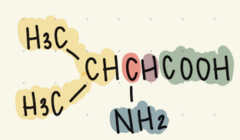
neutral
what classification is this AA
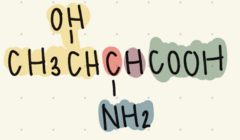
neutral
what classification is this AA

neutral
what classification is this AA

neutral
what classification is this AA

acidic
what classification is this AA

acidic
what classification is this AA

acidic
what classification is this AA
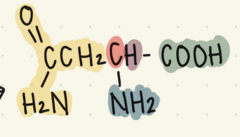
acidic
what classification is this AA

basic
what classification is this AA

basic
what classification is this AA

basic
what classification is this AA

sulfur
what classification is this AA

sulfur
what classification is this AA

sulfur
what classification is this AA

aromatic
what classification is this AA

aromatic
what classification is this AA
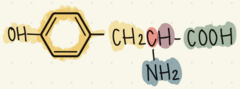
aromatic
what classification is this AA

enterkinase (endopeptidase) activates trypsinogen into trypsin. That active trypsin then activates chymotrypsinogen into chymotrypsin and procarboxypeptidase into carboxypeptidase
trypsin and chymotrypsin (endopeps) hydrolyze pep chains internally to create smaller chains. Then carboxypeptidase (exopep) breaks those into single AAs.
amino pep and dipep break off more singular AA for the other terminal end
describe the process of protein digestion in the smal intestine
direct absorption of di and tri peptides.
what is the “new method“ for amino acid absorption
dietary protein splits into 2 paths. one part becomes bypass protein that escapes the rumen and will later get digested/ used in the small intestine. the other becomes intake protein that gets fermented by mirobes. these proteins will be broken down into peptides, amino acids, ammonia
describe protein utilization in the rumen