Exam I: Mesopotamia - Babylon (Ancient/"Neo")
 Call Kai
 Learn
Learn Practice Test
 Spaced Repetition
 Match
Match Flashcards
 Knowt Play
1/4

Earn XP
Description and Tags
Exam I: Babylon (ancient / "neo)
Name | Mastery | Learn | Test | Matching | Spaced | Call with Kai | Chat |
|---|
No analytics yet
Send a link to your students to track their progress
5 Terms

Identify the Image
(1) Name (Architect/Designer/Artist)
(2) Title
(3) Location (Architect)
(4) Technique/Material (Furniture/Art/Artifacts)
(5) Date
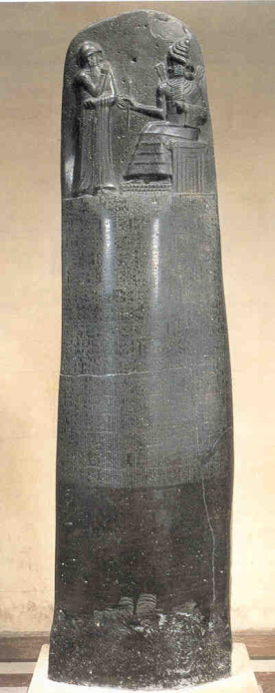
(2) Stele of Hammurabi
(3) Susa
(4) Carved Basalt stone
(5) ca. 1880 B.C.E.

Identify the Image
(1) Name (Architect/Designer/Artist)
(2) Title
(3) Location (Architect)
(4) Technique/Material (Furniture/Art/Artifacts)
(5) Date
(2) The Ishtar Gate
(3) Babylon (an ancient city in Mesopotamia)
(4) Glazed brick
(5) ca. 575 B.C.E.
(restored, Pergamon Museum, Berlin)


Identify the Image
(1) Name (Architect/Designer/Artist)
(2) Title
(3) Location (Architect)
(4) Technique/Material (Furniture/Art/Artifacts)
(5) Date
(2) The Ishtar Gate
(3) Babylon (an ancient city in Mesopotamia)
(4) Glazed brick
(5) ca. 575 B.C.E.
(restored, Pergamon Museum, Berlin)


Identify the Image
(1) Name (Architect/Designer/Artist)
(2) Title
(3) Location (Architect)
(4) Technique/Material (Furniture/Art/Artifacts)
(5) Date
(2) The Ishtar Gate
(3) Babylon (an ancient city in Mesopotamia)
(4) Glazed brick
(5) ca. 575 B.C.E.
(restored, Pergamon Museum, Berlin)


Identify the Image
(1) Name (Architect/Designer/Artist)
(2) Title
(3) Location (Architect)
(4) Technique/Material (Furniture/Art/Artifacts)
(5) Date
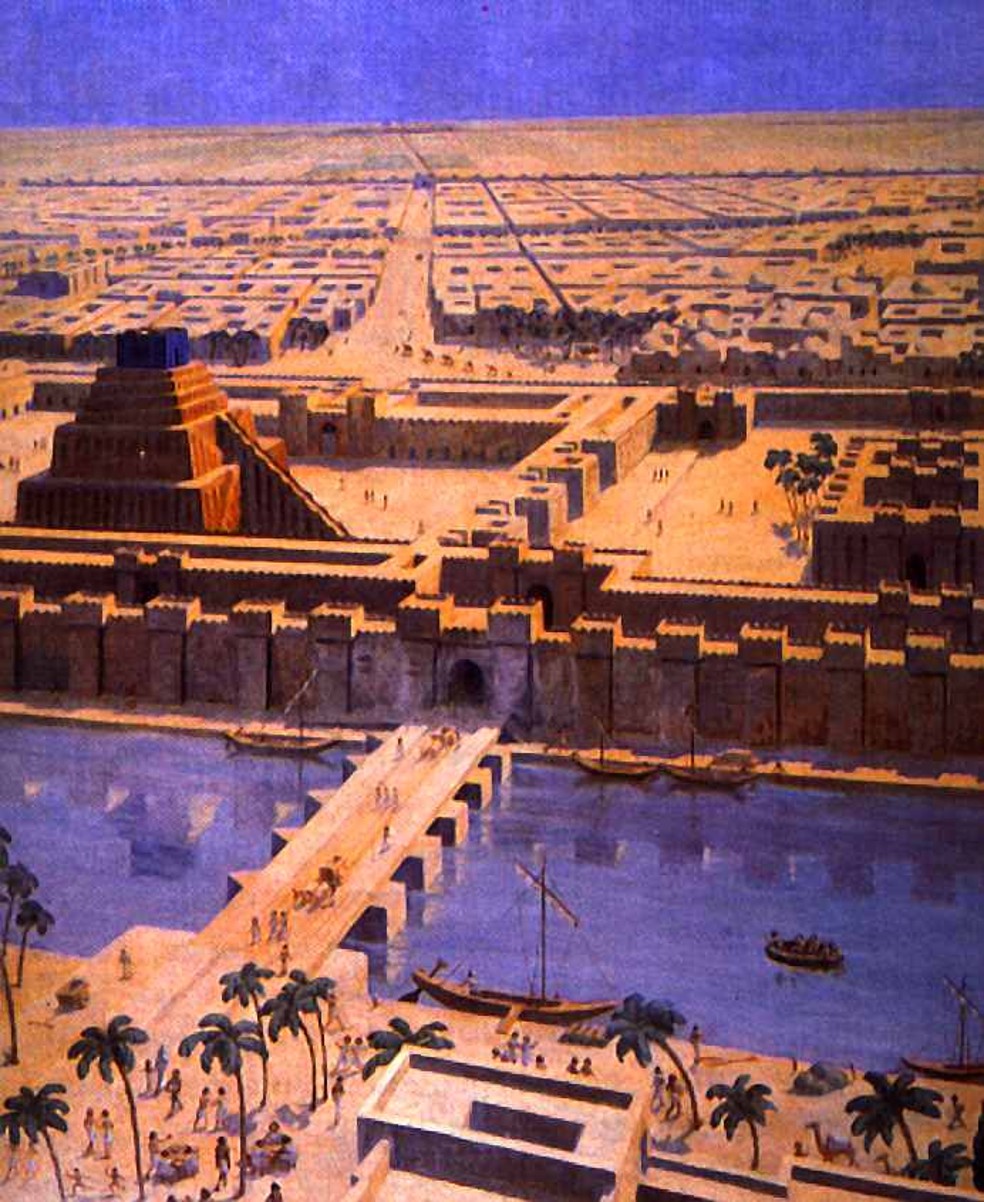
(2) Reconstructions of Babylon, with “Hanging Gardens”
One of the seven wonders of the ancient world
(5) ca. 7th B.C.E.