N321 - Genitourinary System Male
 Call Kai
 Learn
 Practice Test
 Spaced Repetition
 Match
 Flashcards
 Knowt Play
1/27

There's no tags or description
Looks like no tags are added yet.
28 Terms
Male genitalia - external
penis - used for urination and reproduction
shaft and glans
Fold of the foreskin is called the frenulum

scrotum and scrotum sac
thin walled sac suspended below the pubic bone
protective covering for testes and vas deferens
maintain the cooler than body temperature necessary for sperm production
cremaster muscle sensitive to changes in temperature
internal genitalia - testes
testes - produce spermatozoa and testosterone; suspended in the scrotum by the speramtic cord
internal genitalia - vas deferens
vas deferens - passage for transporting sperm from the testes to the urethra for ejaculation
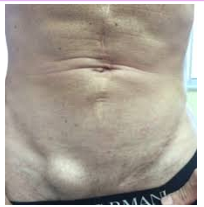
inguinal area
located between the anterior superior iliac spine laterally and symphysis pubic medially
frequent site of hernia development
this is because protusion of loop of bowle through weak areas of the msuculature
Anus and rectum
anal canal - final segment of the digestive system
rectum
prostate
prostate surrounds the neck of the bladder and urethra
secretes thin, milky substance that promotes sperm motility and neutralizes female acidic vaginal secretions
can be palpated through the anterior wall of the rectum
prostate gland enlargment (prostatic hyperplasia) increases in men over age 40
risk factors for prostate cancer
certain gene changes
exposure to agent orange
working on a farm, in a tire plant with paint, with cadmium or firefighters exposed to toxic chemicals
Diet - slightly higher risk for those who eat a diet high in red meat or high fat daily, fewer veggies
lower melatonin levels (sleeping with even small light source; shift work)
demographic risk factors for prostate cancer
rare in men under 40; risies after age 50
race/ethnicity: highest in African American or Caribbean males of African origin; less often in Asian, Hispanic/Latino men than in white
Geography: most common in North America, northwestern Europe, Australia, and on Caribbean islands
family history: having a father or brother with prostate cancer
symptoms of prostate cancer
trouble urinating
decreased force in the stream of urine
blood in the semen
swelling in the legs
bone pain
erectile dysfunction
may or may not be present, more likely present in advanced stages
education topics: prostate cancer
don’t overeat (consume moderate servings and calories
eat a diet low in fat and rich in fruits and veggies, high in fiber, and high in omega-3 fatty acids
stay fit and maintain a healthy weight
soy products and other legumes have phytoestrogens that may have a positive effect
drink green tea daily
drink no more than 2 alcoholic drinks a day
sleep in a dark room; avoid bright light at night
Testicular Cancer
high mortaility rate, esp if not detected early
American Cancer Society recommends a testicular exam as part of routine check
Males should be aware of a need for a monthly testicular self-examination
important for early diagnosis and treatment of testicular cancer
it is normal for one testis to be larger than the other
any evidence of a small, pea-like lump consult your physican - due to an infection or a tumor growth
start testciular exam at age 15-40
Health assessment
collecting subjective data - use COLDSPA
history of current health problem
past and family histories
lifestyle and health practices
collecting objective data
physical exam
preparing the client
equipment and supplies: stool, gown, disposable gloves, flashlight, and stethoscope
validating and documenting findings
make sure to tell the patient to empty his baldder so that he will be comfortable
physical assessment of penis
inspection and palpation
base of the penis and pubic hair
shaft, foreskin, and glans
urethral discharge
physical assessment of scrotum
inspection
base of penis and pubic hair
shaft, foreskin, and glans
scrotal skin
palpation of scrotal contents
auscultation
transillumination - dim with lgihts and use a bright light directed towards a body part to see what’s undernearth the skin
abnormal scrotal mass
if there is an abnormal mass found during inspection and palpation of the scrotum perform transilluminatin
shine light from the back of the scrotum through the mass - look for a red glow
note if the mass disappears if the patient lays down after inspection and palpation
if it remains auscultate it for bowl sounds
finally gently palpate the mass and push it towards the abdomen
STIs
rashes, lesions, or lumps
chancres (red, oval ulcerations) - syphilis, genital warts, and pimple-like lesions from herpes
detected in the glans
yellow discharge - gonorrhea
foreskin abnormalities
phimosis - tight forskin that cannot be retracted
paraphimosis - foreskin that is once retracted cannot be returned to cover the glans
urethra abnormalities
hypospadias - displacement of the urinary meatus to the ventral surface of the penis (toward the bottom)
epispadias - displacement of the urinary meatus to the dorsal surface of the penis (toward the top)
clear or white discharge - urethritis
any discharge can be cultured

scrotum abnormalities
enlarged scrotal sac - fluid (hydrocele), blood (hematocele), bowel (hernia) or tumer (cancer)
vericocele
enlargement of the veins within the scrotum
can cause low sperm production and decreased sperm quality, which can can cause infertility
indiciation - palpable, tortuous veins suggest cericocele
cyst
beaded or thickened cord
suggest hydrocele of the spermatic cord
thrombosed external hemorrhoid
swollen
itchy, painful, and bleeds when the client passes stool
prostatisis
swollen, tender prostate
benigh prostatic hypertrophy
enlarged, smooth, firm, slightly elastic prostate that may not have a median sulcus
prostate cancer
hard, fixed, irregular nodules on the prostate
older client findings
lumps, swelling, masses, sexual dysfunction
pubic hair may be gray and sparse
penis is samller and the testes hang lower in the scrotum
scrotal sace droop more
fewer rugae
testes may be smaller and feel softer to palpate in older men