Spinal Nerves
 Call Kai
 Learn
 Practice Test
 Spaced Repetition
 Match
 Flashcards
 Knowt Play
1/103

There's no tags or description
Looks like no tags are added yet.
104 Terms
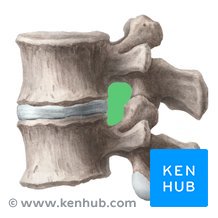
Where do spinal nerves exit the spinal column?
Through the intervertebral foramina.
What do spinal nerves contain?
Both sensory and motor axons.
How many pairs of spinal nerves are there?
31 pairs.
What are the spinal nerve groups and their numbers?
Cervical: C1–C8; thoracic: T1–T12; lumbar: L1–L5; sacral: S1–S5.
How does spinal nerve numbering relate to the vertebrae?
The numbering generally correlates with the vertebrae, with cervical numbering beginning above C1.
What is a nerve?
A bundle of axons enclosed in connective tissue wrappings.

What is the endoneurium?
Connective tissue that surrounds an individual axon.
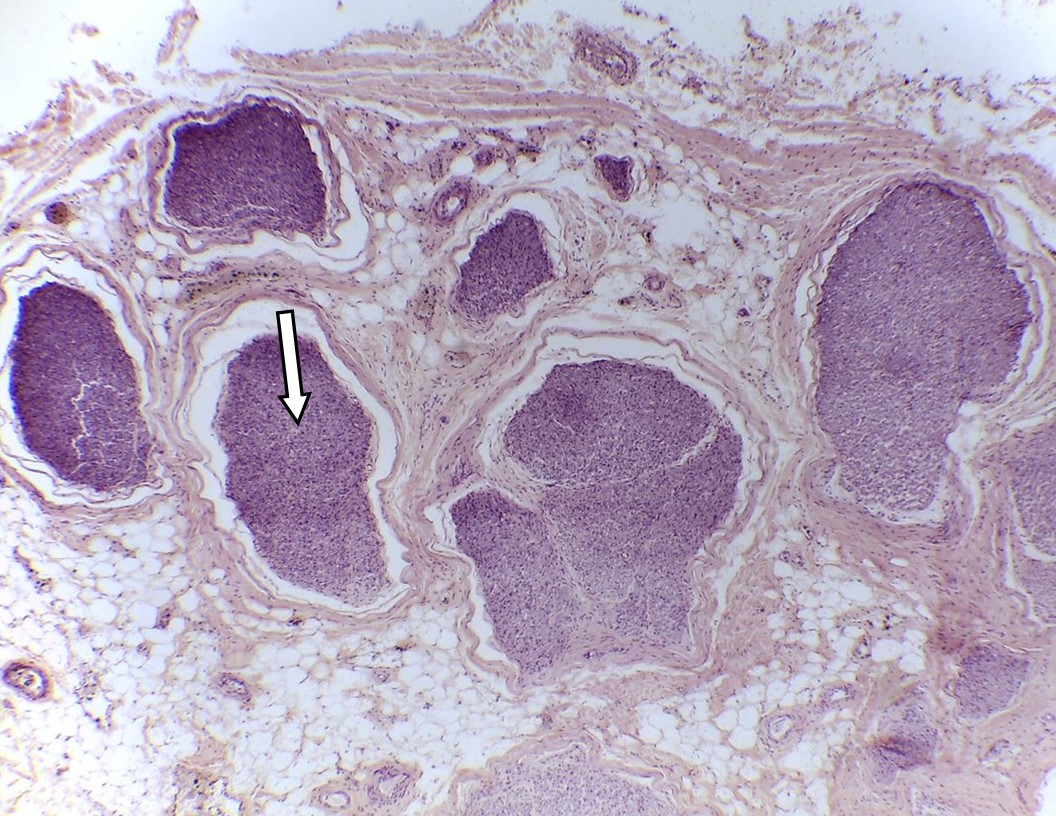
What is the perineurium?
Connective tissue that surrounds bundles of axons called fascicles.

What is a fascicle?
A bundle of axons within a nerve.

What is the epineurium?
Connective tissue that surrounds the entire nerve.

What is the order of connective tissue coverings from innermost to outermost?
Endoneurium → perineurium → epineurium.
What is a dermatome?
A specific region of the body innervated by a spinal nerve.

Why are dermatomes clinically important?
They help determine damage to a spinal nerve.
What is a nerve plexus?
An interlacing network of nerves.

What is the purpose of nerve plexuses?
They allow body regions to receive nerve supply from more than one spinal nerve, helping prevent complete loss of muscle control if one nerve is damaged.
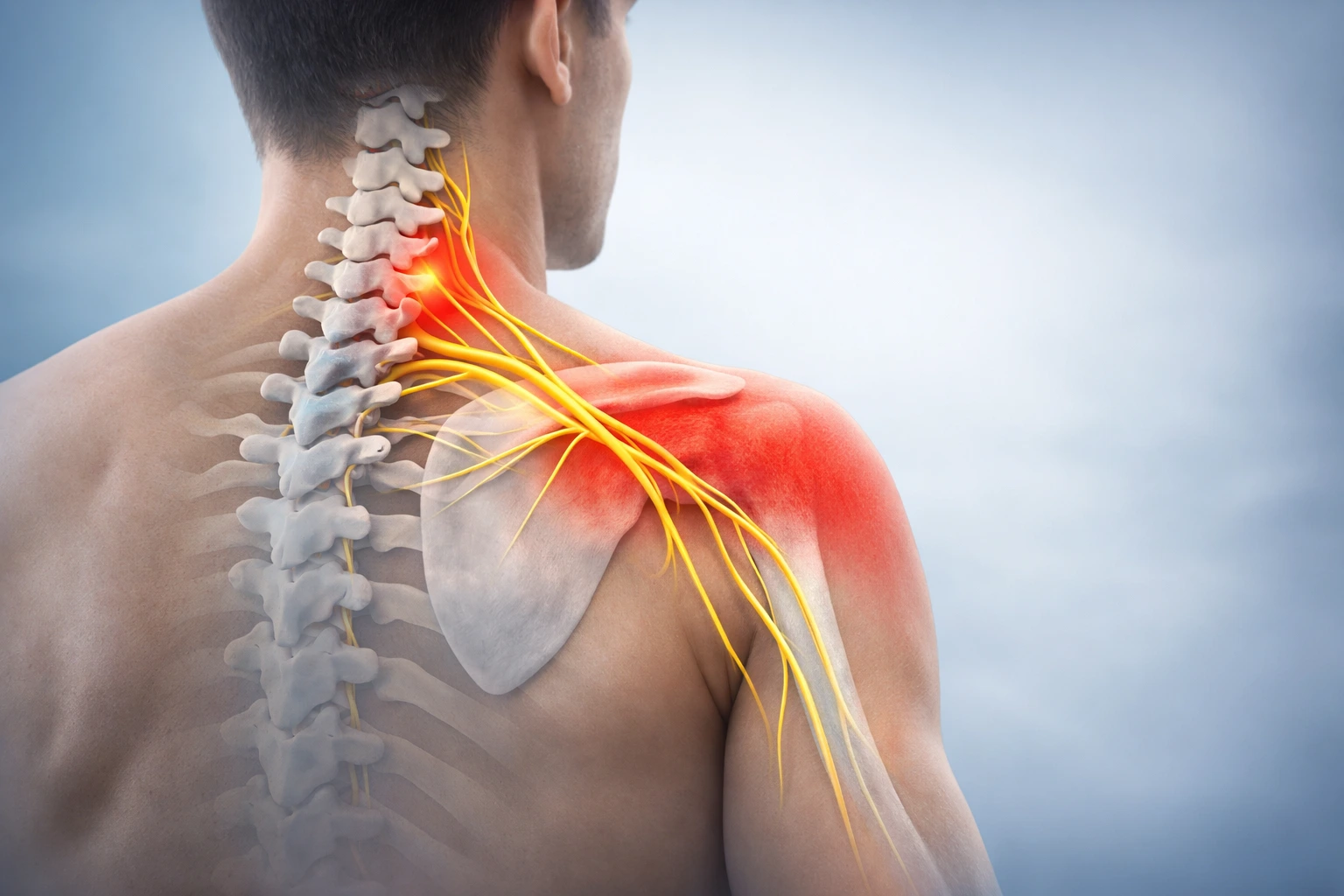
Which spinal nerves form the cervical plexus according to the notes?
C1–C5.

What does the cervical plexus innervate?
Muscles of the neck and shoulder.
What is the function of the phrenic nerve?
It innervates the diaphragm for breathing.

Which spinal nerves form the brachial plexus?
C5–T1.

What does the brachial plexus innervate?
The shoulder and arm.
What are four major nerves associated with the brachial plexus?
Radial, ulnar, median, and musculocutaneous nerves.
Which spinal nerves form the lumbar plexus?
L1–L4.

What does the lumbar plexus innervate?
The lower abdominal region and the medial and anterior portions of the thigh.
What is the function of the femoral nerve?
It innervates muscles of the anterior and medial thigh.

Which spinal nerves form the sacral plexus?
L4–S4.

What does the sacral plexus innervate?
The lateral and posterior thigh and leg.

What major nerve arises from the sacral plexus?
The sciatic nerve.

What is a reflex?
A rapid, predictable motor response to a stimulus.

Why are reflex responses clinically important?
Exaggerated or absent reflex responses may indicate neurological problems.
What are the components of a reflex arc in order?
Receptor → sensory neuron → integration → motor neuron → effector.

What does the receptor do in a reflex arc?
Detects the stimulus.
What does the sensory neuron do in a reflex arc?
Relays information → to the CNS.
What happens during integration in a reflex arc?
The information is processed within the CNS.
What does the motor neuron do in a reflex arc?
Carries the response away from the CNS to the effector.
What is the effector in a reflex arc?
A muscle or gland that carries out the response.

What is a stretch reflex?
A reflex triggered by stretching a muscle. Ex: The patellar reflex.

What is the function of the olfactory nerve (I)?
Sense of smell.

What is the function of the optic nerve (II)?
Vision.

What does the oculomotor nerve (III) control?
Intrinsic and extrinsic eye muscles, except the superior oblique and lateral rectus.

What does the trochlear nerve (IV) control?
The superior oblique eye muscle.

What is the main sensory function of the trigeminal nerve (V)?
Sensation of the face.

What are the three branches of the trigeminal nerve (V)?
Ophthalmic, maxillary, and mandibular.
What does the abducens nerve (VI) control?
The lateral rectus eye muscle.

What is the main function of the facial nerve (VII) in these notes?
Motor control of the face.

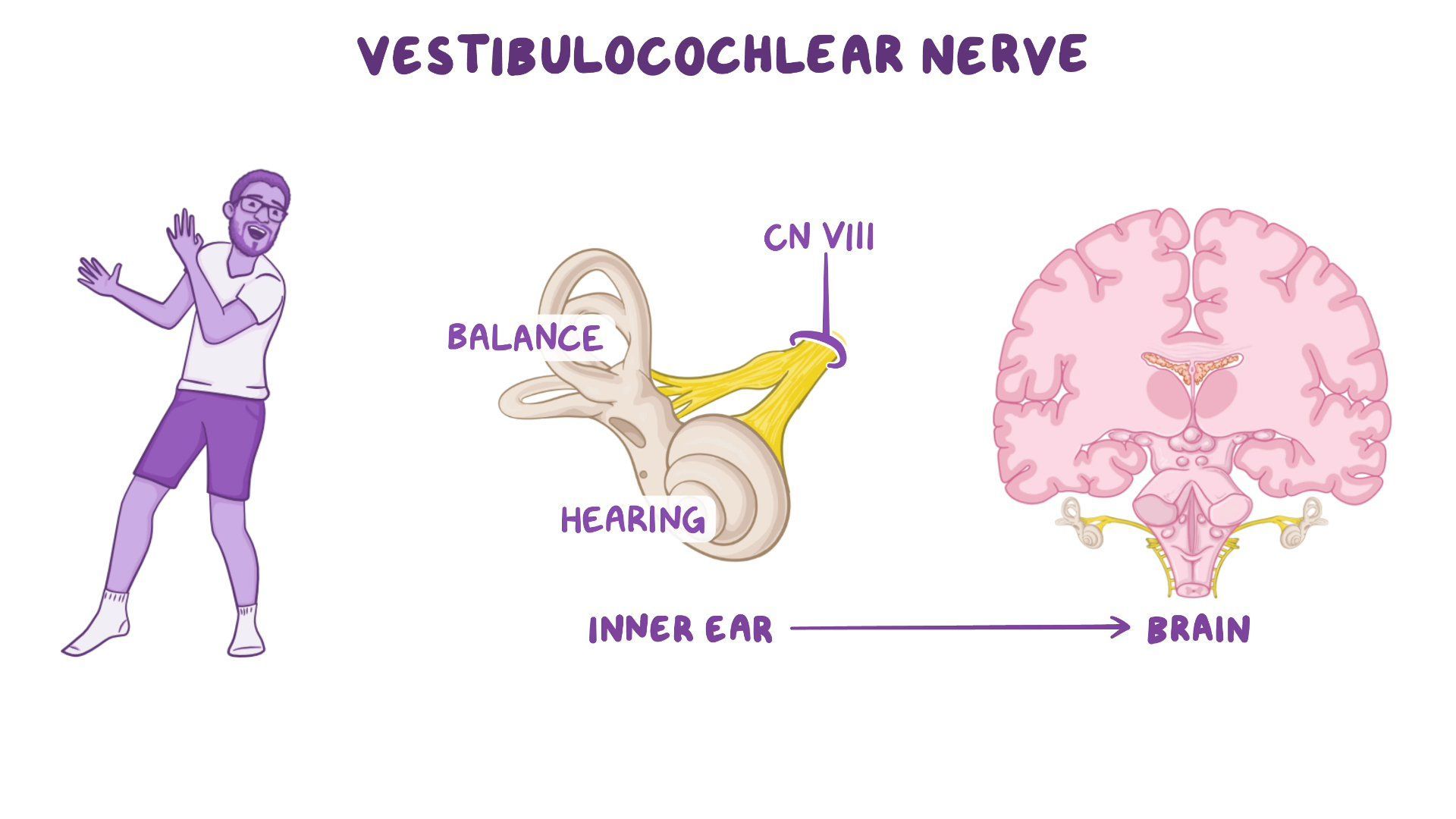
What are the functions of the vestibulocochlear nerve (VIII)?
Hearing and equilibrium.
What does the vagus nerve (X) innervate according to the notes?
The heart, lungs, and abdominal organs.

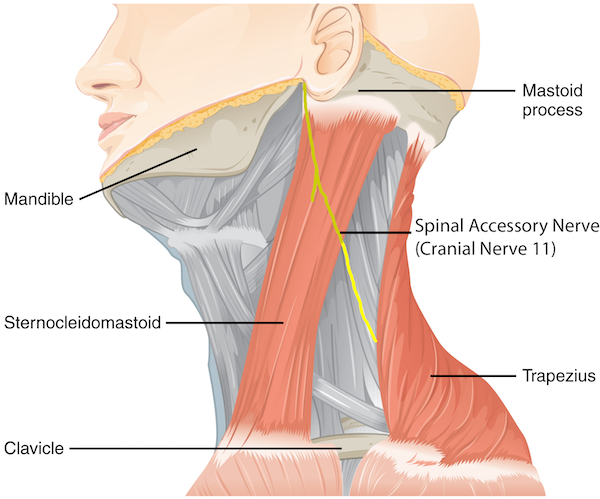
What does the accessory nerve (XI) control?
Muscles of the head and neck.
What does the hypoglossal nerve (XII) control?
Muscles of the tongue.

What does the autonomic nervous system (ANS) affect?
Glands, smooth muscle, and cardiac muscle.
Is the autonomic nervous system voluntary or involuntary?
Involuntary and automatic.
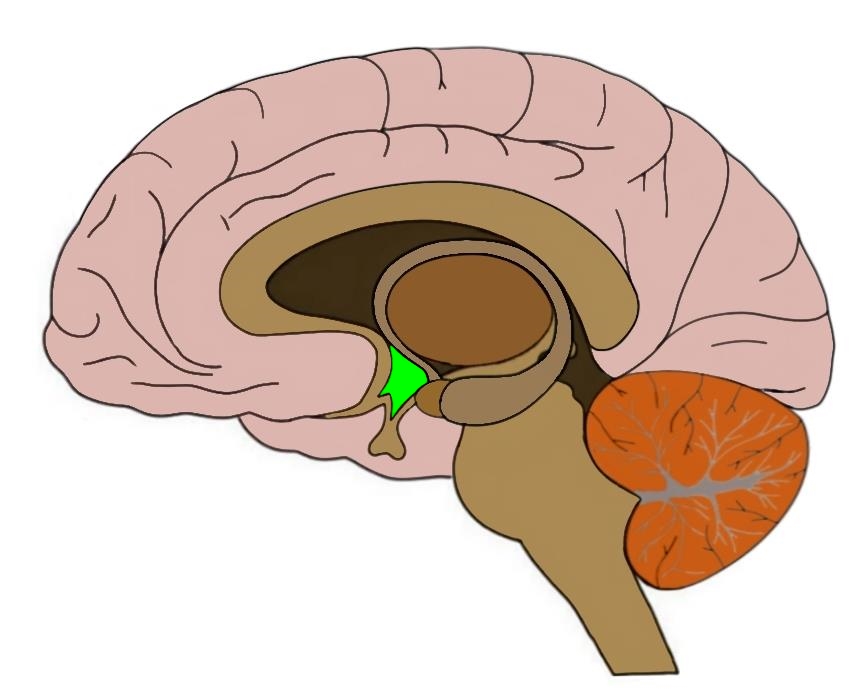
What controls the autonomic nervous system?
The hypothalamus and brain stem.
What are the two divisions of the autonomic nervous system?
Sympathetic and parasympathetic.
What is the main role of the sympathetic division?
Fight or flight; it helps the body respond rapidly to excitement, fear, exercise, and emergencies.

What does the sympathetic division do?
Increases heart rate, blood pressure, respiratory rate.
What does the sympathetic division do to digestion?
Inhibits or reduces digestive activity.

What does the sympathetic division do to the pupils?
Dilates them.
What does the sympathetic division do to sweat glands?
Activates them.
What does the sympathetic division do to the liver during increased energy demands?
Stimulates glucose release to meet increased energy needs.
What is the main role of the parasympathetic division?
Rest and digest; it conserves energy and supports maintenance activities such as digestion and excretion.

What does the parasympathetic division do to blood flow to visceral organs?
Supports blood flow to visceral organs.
What does the parasympathetic division do to digestive glandular secretions?
Increases them.
What does the parasympathetic division do to the pupils?
Constricts them.
What happens to heart rate, blood pressure, and respiratory rate during parasympathetic dominance?
They remain at relatively low, normal levels.
What is dual innervation?
Most visceral organs receive both sympathetic and parasympathetic nerve fibers.

How many motor neurons are involved in the somatic nervous system pathway from the CNS to skeletal muscle?
One motor neuron, with its cell body in the CNS and axon extending to skeletal muscle.
How many neurons are involved in the typical autonomic motor pathway from the CNS to an effector?
Two neurons in a chain.
What are the two neurons in the autonomic motor pathway called?
Preganglionic and postganglionic neurons.
What is a preganglionic neuron?
A neuron whose cell body lies in the CNS and whose axon extends to an autonomic ganglion in the PNS.

What is a postganglionic neuron?
A neuron whose cell body lies in an autonomic ganglion and whose axon extends to the effector organ.

What neurotransmitter do most sympathetic postganglionic neurons release according to the notes?
Norepinephrine (NE).

Can sympathetic postganglionic effects be excitatory or inhibitory?
Yes. The effect depends on the target organ and its receptors.
What does the sympathetic division stimulate the adrenal medulla to release?
Epinephrine (E) into the bloodstream.
What neurotransmitter do parasympathetic postganglionic neurons release?
Acetylcholine (ACh).

Why are parasympathetic effects generally localized and short-lived?
Acetylcholine is quickly destroyed.
Why can sympathetic effects last longer and affect the whole body?
Norepinephrine is inactivated more slowly than acetylcholine, and the adrenal medulla releases epinephrine into the bloodstream.
What determines how an effector responds to a neurotransmitter?
The types of receptors on the effector and how they respond to the neurotransmitter.
What are cholinergic receptors?
Receptors that bind acetylcholine (ACh).
What are nicotinic receptors?
A type of cholinergic receptor described in the notes as stimulatory and found on cells of the adrenal medulla and skeletal muscle.
What are muscarinic receptors?
Cholinergic receptors on effectors that can produce stimulatory or inhibitory effects.
What is an example of an inhibitory muscarinic effect?
Slowing cardiac muscle activity.

What is an example of a stimulatory muscarinic effect?
Stimulating smooth muscle activity in the digestive tract.

What are adrenergic receptors?
Receptors that bind norepinephrine (NE) or epinephrine.
What effect can adrenergic receptors have on blood vessels serving the skin and abdominal viscera?
Vasoconstriction.

What effect can adrenergic receptors have on the smooth muscle of the iris?
Pupil dilation.

What effect does beta-1 receptor stimulation have on cardiac muscle?
Increases heart rate.
What effect can beta-2 receptor stimulation have on bronchioles?
Relaxes bronchiolar smooth muscle, causing dilation.

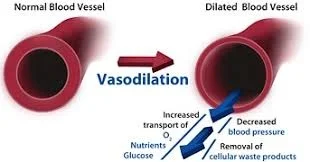
What effect can beta receptor stimulation have on coronary blood vessels?
Dilation, increasing blood flow to the heart.
What are beta blockers?
Drugs that block beta-adrenergic receptors.

What is the effect of blocking cardiac beta-1 receptors?
Decreases heart rate and can lower blood pressure.

Superior trunk
Formed by C5 and C6 nerve roots.
Middle trunk
Formed by the C7 nerve root.
Inferior trunk
Formed by C8 and T1 nerve roots.
Musculocutaneous nerve
Controls many muscles that flex the elbow.

Median nerve
Controls many forearm flexors and some hand muscles.

Ulnar nerve
Controls some hand muscles and provides sensation to the little finger and part of the ring finger.

Radial nerve
Controls muscles that extend the elbow, wrist, and fingers.

Axillary nerve
Controls the deltoid and teres minor muscles.
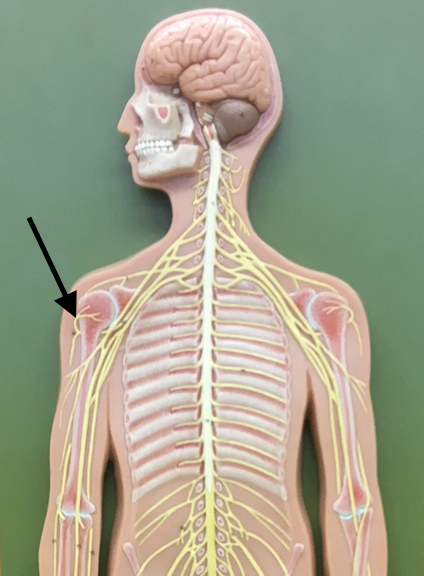
Intercostal nerves
Nerves between the ribs that control intercostal muscles and provide chest wall sensation.

Fiber
A single axon that carries nerve impulses.

Obturator nerve
Controls thigh adduction and provides sensation to part of the medial thigh.
