Anatomy- Development/Conditions of the Respiratory System
 Call Kai
 Learn
Learn Practice Test
 Spaced Repetition
 Match
Match Flashcards
 Knowt Play
1/25

There's no tags or description
Looks like no tags are added yet.
Name | Mastery | Learn | Test | Matching | Spaced | Call with Kai | Chat |
|---|
No analytics yet
Send a link to your students to track their progress
26 Terms
Week 4
lower respiratory organs (trachea, pharynx, larynx, and lungs) begin to develop

laryngotracheal groove
forms on the front (ventral) side of the embryonic foregut

By end of week 4 laryngotracheal groove has evaginated to form the ________ ________
laryngotracheal diverticulum

laryngotracheal diverticulum
outpouching that forms the respiratory bud (grows cranially and caudally)

respiratory bud
develops into trachea and lungs

At end of week 4 respiratory buds continues growing downward and gives rise to the _______ ________ _____
Primary Bronchial Buds

Main Bronchus formed by the end of ______
week 5
As the branching continues, segmental bronchi are present by ______
week 7
The segmental bronchi primordia and its mesenchyme will form
the basis for the bronchopulmonary segment
The lungs will grow and take on a layer of visceral pleura derived from
Splanchnic Mesoderm
The pleural cavities will expand into the body wall mesenchyme and take on a layer of
parietal pleural derived from somatic mesoderm
Embryonic period
Weeks 1 to 5
Pseudoglandular Period
Weeks 5 to 16
Canalicular Period
Weeks ~16 to ~25
Terminal bronchioles develop, mesoderm becomes vascularized, 50/50
Terminal Sac period
Weeks 25 to birth
alveolar walls begin to thin, highly vascular
Alveolar Period
8 years old
Lungs continue to mature; capillary network expands
Alveolar Epithelium
must be thin so that gas can pass through and exchange via the capillaries
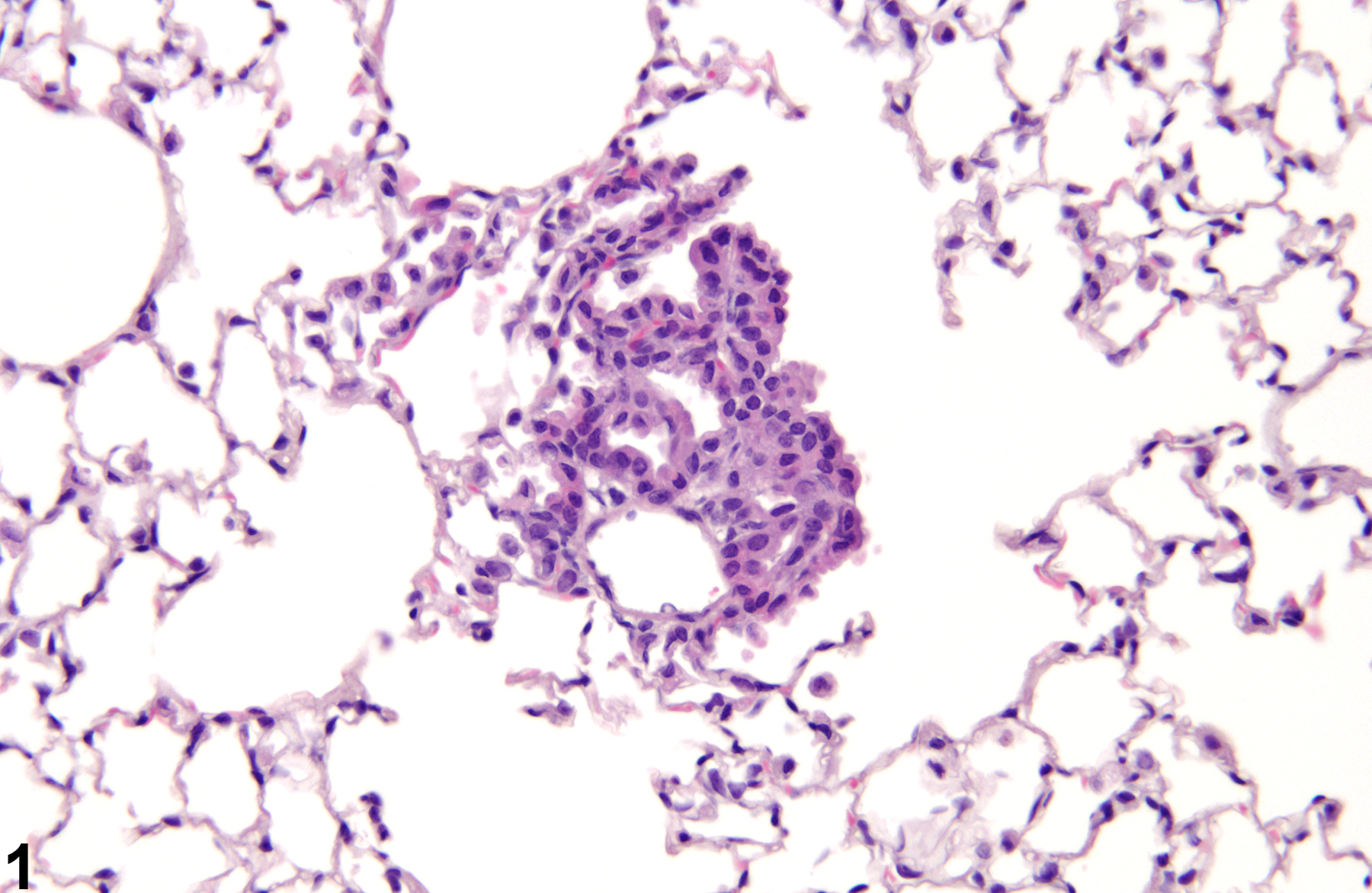
Pleurisy (Injury to the Pleura)
rubbing of the pleural layers against each other can cause roughened patches which sends pain signals to the abdominal wall and/or the root of the neck and shoulder (can be difficult to diagnose)

Pulmonary Collapse (pneumothorax)
happens when too much air enter the pleural cavity, surface tension between pleural layers is eliminated and causes the lung to shrink within its own cavity

Thoracocentesis
(also called a pleural tap) medical procedure that uses a needle between the ribs to drain excess fluid or air from the pleural space between the lungs and the chest wall
Lung Cancer
a disease that happens when cells in the lungs grow and multiply out of control, forming abnormal masses or tumors that can damage normal lung tissue and spread to other parts of the body
Bronchial Asthma
a type of allergic inflammatory response, occurs when an individual is hypersensitive to irritants in the inhaled air. (causes coughing, wheezing and
shortness of breath)
Cystic Fibrosis
an inherited genetic disease that causes the body to produce thick, sticky mucus, which then blocks the airways and gas exchange and increases bacteria and can cause infections. As the immune system fights back, the resulting damage can cause permanent scarring in the affected organs
Victims usually die early in life,
COPD
category of disorders in which air flow into and out of the lungs is difficult and/or obstructed, likely a precursor to respiratory failure
Chronic Bronchitis
Excess mucous in the lower respiratory passageway, leads to fibrosis (scar tissue), increases bacteria and can block gas exchange
Emphysema
permanent enlargement of the alveoli caused by irritation to the epithelium of the alveolar walls. Associated with smoking