PEDS EXAM 3
 Call Kai
 Learn
 Practice Test
 Spaced Repetition
 Match
 Flashcards
1/66

There's no tags or description
Looks like no tags are added yet.
67 Terms
acquired & congenital heart disease random info
Congenital- 28% w/ CHD have another recognized anomaly (trisomy 21,13,18). Mom drug use, fetal alcohol syndrome (50% have CHD). Mom illness (rubella, cmv, toxoplasmosis)
Incr pulm blood flow= VSD, ASD, PDA
Decr pulm blood flow= tricuspid atresia, tetralogy of fallot
Obstruct blood flow in body= coarctation of aorta, aortic stenosis, pulmonic stenosis
Mixed blood flow= truncus arteriosus, transposition of great arteries,
Acquires= bacterial endocarditis, rheumatic fever, Kawasaki disease
Heart failure s/s- tachy, weak pulse, cool extremity, delayed CRT, hypotension, diaphoretic, fatigue, poor growth
Acyanotic- incr pulm blood flow & obstruction to blood floe from ventricles
Cyanotic= decr pulm blood flow & mixed blood flow
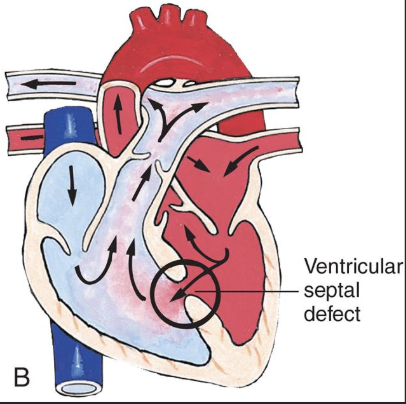
VSD- ventricular septal defect- incr pulm blood flow
Abnormal opening b/n ventricles. most common congenital anomaly.
Classify w/ location- membranous or muscular. Vary in size- pinhole to absence of septum (common ventricle)
Associated w/ other defects. 20-60% close spontaneously- most likely in 1st yr of life for small/mod defects
PATHO- d/t higher pressure w/n LV & cuz systemic arterial circular have more resistance then pulm circulation -> blood flow through defect into pulm artery -> pump incr blood volume to lung -> incr pulm vascular resistance
Incr pressure in RV (d/t L-R shunting & pulm resistance)-> muscle hypertrophy
If RV can’t adapt to incr workload -> RA enlarges as it attempts to overcome resistance of incomplete RV emptying
s/s- heart failure common. Characteristic murmur
Tx- surgery= palliative, complete repair (procedure of choice). Transcatheter closure TCC
ASD- atrial septal defect- incr pulm blood flow
Abnormal opening b/n atria, allows blood from higher pressure LA to flow into lower pressure RA.
PATHO- LA pressure > RA pressure, blood flow from LA to RA -> incr flow of O2 blood to right side of heart. High rate of low d/t low pulm vascular resistance & greater distensibility of RA.
Volume well tolerated by RV cuz delivered under much lower pressure than w/ VSD
RA & RV enlargment present, but cardiac failure unusual in uncomplicated ASD
Pulm vascular changes occur only after several decades if defect left unrepaired
s/s- may be asymptomatic. Spotaneous closure more likely in youger pt & those w/ small defects
Can develop HF in 3rd/4th decade of life is AD undiagnosed, as pulm artery pressure rises
Characteristic murmur. @ risk for atrial dysrhythmia, pulm vascular obstructive disease, & emboli formation later in life d/t chronic incr pulm blood flow
Tx- surgical closure or trancatheter closure

PDA- patent ductus arteriosus-incr pulm blood flow
Normal child:
PDA starts to close w/n 1st day after birth by smooth muscle constriction. Closure influenced by O2 level, prostaglandin level, & maturity
PDA in preemie responsd differently- less responsive to O2, higher levels prostaglandin = delayed ductal closure
PDA usually completly close by 2/3wk of age
Failure of fetal ductus arteriosus (artery connecting aorta & pulm artery) to close w/n 1st few wks of life
Continued patency allows blood to flow from high pressure aorta to lower pressure pulm artery -> L-R shunt
PATHO- hemodynamic effect of PDA depend on size of ductus & pulm vascular resistance.
@ birth, pulm/systemic circulations almost identical = aorta & pulm artery resistance equalized
As systemic pressure exceed pulm pressure, blood shunt from aorta to pulm artery
This additional blood is recirculated through lungs & returns to LA/LV
Effect= incr workload on L side of heart, incr pulm vascular congestion/resistance, incr RV pressure/hypertrophy
s/s- # of shunting determine degree of s/s
Characteristic machinery-like murmur. May be asymptomatic or have HF s/s
Mod-large PDAs can present as L sided volume overload or reversible pulm arterial HTN
Med mgmt- NSAIDs- IV indomethacin/Indocin (prostaglandin inhibitor) or IV ibuprofen to close PDA in preemies & some newborns
Prostaglandins to keep it open
Other tx- surgery, transcatheter tx

PFO- patent foramen ovale
straight pathway from RA to LA. allows blood to bypass lungs while fetus in utero. closes @/soon after birth
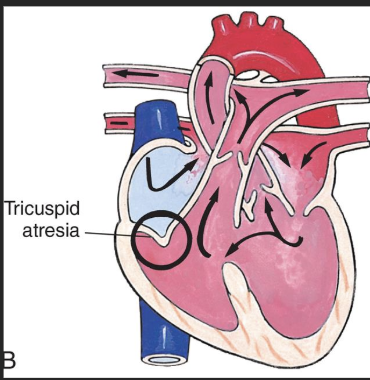
tricuspid atresia- decr pulm blood flow
closed tricuspid valve
tetralogy of fallot- decr pulm blood flow
4 defects= PS (pulm stenosis), VSD, RVH, overriding aorta (aorta over VSD). Most common cyanotic congenital heart defect
Decr pulm blood flow. PS make it diff for blood to exit RV tjrough pulm artery> incr R side pressure > desat blood shunt R-L through VSD (bypass lungs)> hypoxemia & cyanosis
Allows desaturated venous blood to enter systemic circulation w/o going through lungs
Severe obstruction to pulm blood flow & R-L shunting
Cyanotic> hyperpneic>hypoxia>acidosis>incr pulm vascular resistance>further decr pulm blood flow. cycle
s/s- cyanosis, heart murmure, RV heave, tet spells
hypercyanotic/blue/tet spell. Cause hypoxemia & cyanosis.
Tx- Knee to chest position, O2, IV morphine
Tx- surgical repair in 1 yr

coarctation of aorta- obstruct blood flow in body
Localized narrowing near insertion of ductus arteriiosus -> incr pressure proximal to defect (head, upper extremities) & decr pressure distal to obstruction (body & lower extremities)
PATHO- Pressure overload from obstructive lesions like aorta coarctation can cause HF
Obstruction to flow out of LV d/t aorta narrowing
Coarctation presenting in 1st wk of life more severe & higher mortality risk then if manifest at 1yr age
s/s- there are signs of heart failure in infants
Upper extremiteies- bound pulse, incr BP, warm
Lower extremities- decr pulse, decr BP, cool
Older kids- dizzy, headache, faint, epistaxis from HTN
@ risk for HTN, ruptured aorta, aortic aneurysm, stroke
Tx- surgical repair for <6mn. Transcatheter for older infants/kids

bacterial endocarditis- acquired
Infection of inner lining of heart, involves valves
Incidence- bactermia in kids w/ heart defects
Cause- streptoccus viridians or staphylococus aureus. + blood culture in most pt
PATHO- organism enter blood stream from any localized infection site. Can occur from routine exposure to bacteremia associated w/ usual daily activity like brushing teeth. Can occur after dental work, GI/GU invvasive procedures, cardiac surgery, long term indwelling catheters
Microorganism grow on endocardium, form vegetation/verrucae, fibrin deposits, & platelet thrombi
s/s- gradual onset. Unexplained low intermittent fever, malaise, anorexia, HF s/s, arthalgias, decr appetite, weight loss, flu like s/s
Infant- nonspecific w/ sepsis/HF s/s. Feeding intolerance, resp distress, tachy, hypotension. Septic emboli
Kids- bacteremia/fungemia, valvulitis, immune response, emboli. New murmur/ murmur change. HF s/s
Embolus- splinter hemorrhage under nail, osler node, Janeway spots, petechiae, splenomegaly
Tx- IV antibiotics 2-8wk. Need PICC line. Early med tx successful
Nonfatal complications d/t embolism to other strucutres (CNS, kidney, spleen, bowel)
Prevention = excellent oral hygiene, prophylactic antibiotics before any dental procedure for high risk pt
rheumatic fever- acquired
Result of abnormal immune response to group A beta hemolytic streptococci infection (usually pharyngitis)
Self limited illness, occur after untx pharyngitis, involve connective tissue inflam (joint, skin, brain, heart)
Cardiac valve damage- most serios complication, occurs in >50% cases
Incidence- school age kids & teens 5-15.
Risk factor- untx or partially untx strep throat. TAKE ALL ANTIBIOTICS
s/s- JONES criteria= carditis, polyarthritis, chorea (irregular movement), SQ nodules, erythema marginatum, arthralgias, fever, prolonged PR interval, ESR >60mm/ CRP >3mg/ dL
Carditis- valve regurgitation murmur, tachy, pericardial friction rub, chest pain, muffled heart sounds, cardiomegaly
Tx- Penicillin prophylaxis for 10yrs or to age 21, whichever is greater. Initial= antibiotis, antiinflam (salicylate)
Aspirin- 100mg/kg/day 2wk, then 50mg/kg/day. Prednisone if not effective
Inital bed rest, then quiet activites as s/s subside. Good nutrition
Significant carditis tx-HF therapy=O2, diuretics, fluid/Na restriction, digoxin, Ace inhibitors
kawasaki disease- acquired
Acute systemic vasculitis of unknown cause. Self limiting, resolves in 6-8wk
Some pt get coronary artery damage> coronary artery dilation/ aneurysm formation
Leading caused of acquired heart disease
Incidence- male, <5yr, asian. Geographic/seasonal outbreaks, late winter/early spring
PATHO- widespread, systemic inflam of small/medium blood vessels
s/s- 3 phase. start w/ abrupt high fever >4day that’s unresponsive to antibiotic
CRASH & Burn= Conjunctivitis (red eyes), Rash red, Adenopathy (enlarged lymph nodes), Strawberry tongue (oral erythema, cracked lips), Hand (swell, red, palm/ feet peeling), Burn (high fever for 5 days)
Mgmt- IVIG- reduces coronary artery abnormalities when started w/n 10days of s/s
Aspirin therapy- huge doses. 80-100mg/kg/day divided q6hr in acute. Maintenance= 3-5mg/kg/day
Continue aspirin maintenance low dose 6-8wks if echo normal, indefinitely if abnormal echo
Offer family breaks from very irritable child
No live vaccines for at least 11mn
Assess for s/s fluid overload/CHF- decr UO, gallop rhyth, tachy, resp distress
Cool cloth, unscented lotion, soft/loose clothing. Arthrits last wks. Stiff in morning, cold weather, after nap
cardiac catheterization- invasive procedure
Radiopaque catheters placed in periph blood vessel, advanced into heart to measure pressure/ O2 level in heart chanmber & visualize heart structure/blood flow pattern. Combined w/ angiography (contrast material)
Info= O2 sat, pressure changes, cardiac output/stroke volume, anatomic abnormalities
Enter through percutaneous puncture in femoral vein. Tubing advance, kid feel pressure & vasospasm
Comp- acute hemorrhage, loss of pulse, transient dysrhythmia
Pre cath- full nursing assessment. Height, weight, allergy, infection s/s, mark pedal pulses, 02 sat. Sedated.
NPO 6-8hr prior. Can have clear liquids till 2hr prior
Post cath care- freq vitals, bed rest. Watch for bleeding, arrhythmia, tamponade, fever/dehydration, loss of pulse in extremity, coolness of extremity
Biggest concern = hemorrhage
Immobilize extremity 4-8hr after procedure. Assess pedal pulses, extremity warmth/color. Incr fluid intake
Limit activity for 24hr, no tub baths for 3 days. Freq vitals- monitor for anemia/hemorrhage s/s
Infants @ risk for hypoglycemia, receive dextrose IV fluids, check BG
Bleeding -> apply pressure above percutanous skin site
Home- remove dressing day after, cover w/ bandage strip several days, new bandage every day next 2 days
Rest/play quielty 1st 3 days, then avoid strenous exercise for more days but got to school
Pain relief= acetampinophen, ibuprofen
tet spell
Acute episodes of cyanosis & hypoxia. Rarely before 2mn, most freq in 1st yr life
Often happen in morning, preced by feed/cry/defecation
In hospital, spell d/t blood ddrawing or IV line insertion, when highly agitated, after cardiac cath
Tx- Knee to chest position, 100% O2 face mask, IV/SQ morphine, IV fluid replacement as needed, repeat morphine
Prevnt dehydration, resp infection
mgmt/care for child w/ heart failure
Cluster care, freq small meals, high calorie, minimize crying, semi fowlers, knee to chest position, temperature
Meds- digoxin, diuretics, ace inhibitors
Feed infant when show hunger cue rather then when cry (exhaust energy). Consider gavage feedings.
Pharmacology: diuretics, ACE inhibitors, oxygen, digoxin, prostaglandins, NSAIDS, Aspirin, IVIG
Diuretic- removes excess fluid/Na & prevent reaccumulation. Furosemide/lasix (hypoK, drug of choice), chlorothiazide/diuril (hypoK), spironolacton/aldactone (weak, hyperK)
Admin in morning to avoid night urination. K food= banana, orange, whole grain, legume, leafy veg
ACE inhibitor- tx HF. Inhibit normal RAAS fx kidney. Block angiotensin I/II conversion= vasodilation
Decr pulm/systemic vascular resistance, decr BP, decr afterlaod, decr RA/LA pressure, decr aldosterone
SE- hypotension, renal dysfx, hyperK, cough
Captopril/capoten 3x/day, enalapril/vasotec 2x/day, lisinopril
Digoxin- improves contractility. Incr CO, decr heart size, decr venous pressure, edema relief. Rapid onset
hold if infant pulse <90, child pulse <70. Rarely get dose >1ml.
Toxicity s/s- bradycardia, dysrhythmias, n/v, anorexia, GI upset
Digitalizing dose 24hr to fet optimal cardiac effect, then maintenace dose
Monitor K. low K enhance digoxin effect, high K diminish digoxin effect
Give @ regular inteval (12hr). Slowly direct med to side/back of mouth. Don't mix w/ food/fluid. Give water after admin (prevent tooth decay).
Missed dose= don’t give extra/incr dose, stay on same schedule. If vomit, don’t give another dose
Prostaglandin- keeps PDA open. Vasodilation, smooth muscle relax,
IVIG- reduce fever duration & lowers incidence coronary aneurysm in kawasaki disease. Single large infusion 8-12h
Individuals with Disabilities and Education Improvement Act= IDEA
Guarantees kids w/ disabilities will receive:
‘free & appropriate public education in least restricitve environment;
Evaluation free of charge
Individualized education program (IEP) by team of specialists
Special education & related services. Reasonable accommodations for success
Children’s understanding of death and dying as related to developmental stage
Infnat- too young
Toddler- egocentric. Only understand from their frame of reference (living). Don’t understand concept, may expect dead person to return
Preschool- their thoughts cause events, magical thinking, death is temp/type of sleep. Illness is punishment
School age- younger kids still associate misdeeds & feel responsible. Give logical concrete explanations. By 10, understand that death is universal/irreversible/nonfx state
Adolescent- mature understanding of death, still feel guilt/shame
developmental aspects of chronic illness
infant | trust/bonding | Multiple caregivers | Encourage parents to learn care |
toddler | Autonomy, mobility | Bedrest, wires, lines/drains | Modify to assist gross motor skills |
preschool | Initiative, magical thinking | Less socialization w/ same age kids | Age appropriate play, encourage socialization |
School age | Industry, concrete operations | Miss school, can’t play sports | Encourage school, special Olympics |
adolescent | Identity, independence | Feel different from peers, hard to get job | Discuss normal teen behavior, encourage incr in decision making |
Denial is helpful for kids = hope
blood components
Plasma- 55%, transporter. 90% water = protein, clot factors.
Buffy coat <1%- protector WBCs platelets
RBCs 45%- erythrocyte, O2 carrier. Live 120 days, contain hgb, erythropoietin incr production
Blood formed in marrow & lymphatic system
Platelt- clotting, lives 8-10 days, transfused ones lives 1-3 days
Wbc- defende. Blasts (most immature), bands (baby, cells released early in infection), segs (mature soldier wbcs that fight infections)
anemia
Reduction in RBCs mass per volume/HgB conc. Most common hematologic disorder. Not disease, indication/ manifestation of underlying pathologic process
Low hemoglobin. Decr O2 carrying capacity -> compensatory incr HR/fatigue. Normal HgB= 11.5-14.5
When anemia develop slowly, kid adapts to declining hgb levels
Cyanosis typically not present. Anemia d/t decr level hgb/rbc, no inadequate O2 sat
Cause- inadequate production of RBC/rbc omponents, incr RBC destruction, excess RBC loss through hemorrhage
MANIFESTATIONs
Decr RBC production> pallor, tachy, fatigue, headache, weak muscle, systolic heart murmur, frontal bossing
Incr RBC destruction> icteric sclera, jaundice, fatigue, headache, dark urine, spleanomegaly, hepatomegaly, low BP
Incr RBC loss> pallor, fatigue, headache, weak muscle, cool skin, tachy, decr perip pulse, low BP (late shock s/s)
CNS- headache, dizzy, lighthead, irritable, slow thought process, decr attention span, apathy, depression
Acute- muscle weakness, fatigue, pallor, headache, lightheadedness, tachy, tx based on etiology
Blood transfusion for hgb <7/8. Iron supplement for hgb >7/8
Chronic- growth retardation, FTT, delayed sexual maturation, chronic tachy, murmur, anorexia
Blood transfusion not considered until hgb ≤ 6
Tx- reverse anemia by tx underlying cause
Assess- nutrition, chronic/recurrent infection hx, eating habits/pica, bowel habits/frank blood, family hx.
Tolerance level of ADLs/play
Exertion s/s- tchy, palpitation, tachypnea, dyspnea, hyperpnea, dizzy, lighthead, diaphoresis, skin color change, fatigue (sag, limp, slow/strain)
HF s/s- tachy, dyspnea, crackle moist resp, cough, sweat
Teaching- Infancy iron supplement. Limit milk quantity. Energy conservation, planned rest periods
Iron sup- give b/w meals (not w/ dsiry/Ca), expect stools to turn green/black. If GI SE, give w/ meal
iron deficiency anemia
PATHO- iron needed for hgb production. Deficit iron = decr hgb production = decr O2 carry capacity of blood
Most common nutritional disorder in US kids. Linked to attention, learning & behavior issues
Cause- inadequate supply/loss of iron -> decr iron -> small fragile RBCs that don’t carry O2 well
At risk = preemies, multiples (twin/triplet) birth, toddlers, adolescents
s/s- severity related to duration of dietary deficiency
Infant- underweight/overweight (d/t excess milk)
Edema, retarded growth, decr conc albumin/gamma globulin/transferrin (bind iron & transport through plasma), irritable, tachy, fatigue, pallor, glossitis, angular stomatiis, koilonychia (concave/spoon nail), pica
Neuro- affecr attention span, memory, alertness, learning/behavioral problem
Assess nutritional status/eating habits- whole milk is poor source of iron. Precursours to RBC- iron, vit b12, folate
Tx- iron supplement 2x/day. Temporarily stains teeth, give w/ medicine dropper back of mouth, brush teeth after
Best absorbed between meals w/ citrus fruit/juice (vit c). Stool= tarry green/black when adequate iron levl
Giving w/ milk reduce absorption. Micing w/ formula/cereal -> poor uptake, no straw=stain,
Stopping iron too soon-> relapse
Education – vit c=ascorbic acid
Adolescents- menorrhagia is freq cause. Teach iron rich diet & iron therapy compliance
Other- rapid growth rate, inadeq dietary iron intake, obesity, strenous activity
Iron supplements for exclusivly breastfed babies. Wean from bottle by age 1.
limit cow’s milk to 16-24oz/day. Delayed introduction of cow milk can decr incidence iron anemia
Excess iron ingestion toxic/fatal. Don't keep more then 1mn supply @ home, keep out of reach of kids
Continue iron supplement for 2/3mn after blood values normalize to replenish body iron stores
sickle cell anemia- hemolytic
PATHO- mormal adult hgb (HbA) partly/completly replaced by abnormal sickle hgb (HbS)
Premature RBC destruction -> tissues hypoxia & anemia. Inherited/genetic causes -> chronic hemolysis & fatigue. Genetic- autosomal recessive, abnormal Hgb S. sickled RBC 20 day life . Normal rbc= 120day life
Dehydration/acidosis/hypoxia/temp extremes -> HbS change into long/slender crystals-> cell membrane distortion -> crescent/ssickle shaped RBC
Sickling response reversible w/ adequate O2/hydration.
RBCs w/ HbS can sickle/unnsickle. Repeated cycles -> RBC irreversibly sickled
Newborns asymptomatic d/t protective effect of HbF
Tissue ischemia/cell death -> obstruction, vascular inflam, incr RBC destruction. Affects any organ
s/s- general- growth retardation, chronic anemia (hgb 6-9), delayed sexual maturation, sepsis susceptibility
Vaso occlusive crisis- dactylitis (painful hand/foot swell, 2mn-2yr), severe abd pain, stroke, visual disturbance, pneumia s/s, obstructive jaundice, hepatic coma, hematuria, priapism (painful erection)
Sequestration crisis- pooling of large amounts blood- hepatomegaly, splenomegaly, circulatory collapse
Chronic vaso-occlusive phenomena- cardiomegaly, systolic murmur, alt pulm fx, pulm insufficiency, can’t conc urine, enuresis, renal failure, hepatomegaly, cirrhosis, intrahepatic cholestasis, splenomegaly, splenic activity fx reduction, hip/shoulder avascular necrosis, skeletal deformity lordosis/kyphosis, chronic leg ulcer, osteomyelitis risk, hemiparesis, seizure, cva, blind
Comp- VOC, pain, fever, infection, stroke. 2nd most common cause childhood stroke
Mgmt- hydration, pain mgmt, O2 if needed. NO aspirin, penicillin, folic acid, hydroxyurea. Prevent sickling
Rest/minimize energy expenditure, PO/IV hydration, electo replacement, analgesia, blood transfusion (severe/progressing anemia), antibiotics
Hydroxyurea- incr HbF production, reduce adhesion, improve hydration, incr nitric oxide production
Minim 1600ml/m2/day fluid requirement
Demerol/merpidine- NOT reccommended for pain. Give morphine
Report- acute chest syndrome(severe chest/back/abd pain, >38.5, cough, dyspnea/tachypnea, retraction, declining O2sat), stroke (unrelieved headache, vomit, jerk/twitch, seizure, abnormal behavior, can’t move arm/leg, unstady, slurred, weak, vision change)
fluids include soup, popsicle, yogurt, ice cream, sherbert, gelatin, pudding
Give special cup/thermos/water bottle. Take advantage of thirst times (awakening, after playing)
thalassemia (cooley’s anemia) - hemolytic, IRON OVERLOAD
PATHO- partial/complete deficit in synthesis of beta chain of HgB > compensatory incr in alpha chain synthesis
Unbalanced polypeptide unit unstable, disintegrate > damage RBC > severe anemia > compensate w/ excess RBCs unless bone marrow suppressed w/ transfusion therapy
Excess iron stored in various organs= hemosiderosis
Genetic defect -> defective hgb synthesis -> microcytic anemia, bone marrow expansion, skeletal deformity, iron overload. Autosommal recessive disorder.
Premature RBC destruction -> tissues hypoxia & anemia. Inherited/genetic causes -> chronic hemolysis & fatigue
s/s- gradual onset, may not recognize till late infancy/early toddler
pallor, unexplained fever, poor feeding, enlarged spleen/liver, headache, chronic hypoxia s/s, precordial/bone pain, decr exercise tolerance, listless, anorecia, small stature, large head, fatigue, FTT, jaundice, bone marrow expansion (frontal bossing, skeletal deformity), growth retardation, delayed puberty, skin bronzing (from transfusion iron overload)
Major/severe- presents @ 6-24mn, lifelong transfusions. Iron overload -> chelation. Severe anemia
Tx- regular tranasfusions maintain hgb >9/10
Chelation- deferasirox PO/deferoxamine IM- remove excess iron from freq transfusions
Intermedia/mod- presents @ later age, occasional transfusion. Splenomegaly, mod/severe anemia
Minor/trait/mild/asymptomatic- minor-carrier only, trait-mild microcytic hypochromic anemia
Mgmt- transfusions foundation of mgmt, goal= maintain hgb >9.5
Improves physical/psych well being cuz can do normal activities, decr cardiomegaly/hepatosplenomegaly, fewer bone changes, normal G&D till puberty, fewer infections
Iron chelatin agents= deferoxamine (IV/SQ over 12-24hr), deferasirox (PO), deferiprone (PO)
Deferoxamine SE= brady, headache, rigors, hypotension, local pain, visual/hearing problems
Give vit c PO for ascorbate depleted pt, only during med admin
Deferasirox- for pt >2yr chronic iron overload. PO 1x/day. issue- palatability, GI tolerability
Deferiprone- 2-3x/day. SE- n/v/d, abd pain, arthropathy
lead poisoning
Lead interferes w/ iron binding to heme & loves neurons. Sources- paint, soil, spices, cosmetics, pipes, pre 1978
BLL >45- chelation therapy (EDTA, succimer). BLL > 70 – hospitalization & chelation
Inject deeply into large muscle. Rotate site to prevent fibrotic tissue formation
Incr fluids, routine screening for all kids. Good nutrition to reduce absorption/effects of lead
Important- wet cleaning to remove lead dust on floor/winfowsill
Iron deficit kids absorb lead more readily
Use only cold water for consumption (drink, cook, infant formula)- hot water dissolve lead quicker, so high lead lvl
hemophilia A- altered clot fx
d/t deficiency in a blood clotting factor. Genetic. X linked recessive. Hemo A= factor VIII deficit. Gene mutation
Pt have 2/3 required coagulation factors= vascular influence, platelets= bleed longer period, but not @ faster rate
s/s- SQ/IM hemorrhage, hemoarthrosis (joint cavity bleed), bony changem crippling deformities
Hemarthrosis- feel stiff/tingle/ache in joint, decr ability to move joint, warm/red/swell/pain
Mgmt
Severe- spontaneous bleeding -> routine factor replacement
Mod- bleeding w/ trauma -> give factor after injury
Mild- bleeding only with severe trauma or surgery
DDAVP- tx of choice for mild hemophilia. Incr # factor VIII
Antifibrinolytic drugs (transexamic acid, EACA/amicar) - use alone or adjuvant. Control mucosal bleed, dental proceudres, teeth shedding
Assess for signs of bleeding. Giver factor VIII or IX. Ear medical ID
Immobilize/elevate joint/affected area for 48hr. Monitor for bleeding complications
Active ROM after acute injury/bleeding subsides- never passive ROM
Bleeding precautions based on development. Avoid aspirin/nsaid- inhibit platlet fx
Suspicious if= headache, slurred speech, loss consiousness, black.tarry stool
PRICE- protection, rest, ice, compression, elevation. Protective equip. Electric shavor. Noncontact sport
Avoid IM injection, ussq. Prefer venipuncure over finger/heel puncture (less bleeding)
idiopathic thrombocytopenia purpura ITP - altered clot fx
PATHO- Autoimmune platelet destruction. Acquired hemorrhagic disorder= thrombocytopenia, absent/minimal signs of bleeding (easy bruise, mucosal bleeding, petechiae), normal bone marrow w/ normal/incr # immature platelets (megakaryocytes) & eosinophils
Unknown cause. Presents 1-4wk after viral illness. 80% kids b/w 2-10yr & completely recover w/n 6mn.
Normal platelet= 150-400K. ITP platelet= <20K risk for spontaneous bleeding
s/s- prolonged bleeding from abrasions
Easy bruising- petechiae, ecchymoses, over bony prominences
Mucous membrane bleed- epistaxis, gum bleed
Internal hemorrhage- hematuria, hematemesis, melena, hemarthrosis, menorrhagia, leg hematoma
Symptomatic bleeding occurs when platelet <20,000
Tx- supportive mgmt, most cases self limiting. IV platelets if <20K
IVIG- 3-6hr infusion. 10-12hr response, expensive
Premed w/ acetaminophen & diphenhydramine. Vitals q15min 1st hr, then every 30min until infusion done. Have epi available
Anti-D antibody/ WinRho- 5-10min infusion, 48hr response, cheaper
Plasma derive immunoglobulin, cause transient hemolytic anemia in Rh(D) + pt. Prolonged platelet survival
Observe pt minm 1hr post-tx, maintain patent IV. Baseline vitals, then @ 5,20,60min
Fever/chill/headace during/after infusion > admin acetaminophen/benadryl/hydrocortisone
Prednisone/dexamethasone- severe/chronic ITP. Suppress immune response & prevent platelt destruction
Splenectomy for chronic unresponsive ITP
No contact sports, trauma, injections, meds that worsen bleeding (aspirin, ibuprofen), activity restricted @ onset
Need platelet >50,000 to participate in sports. Can do swim, golf, fish
Apply pressure to wounds for 10min
HIV/ acquired immunodeficiency syndrome
HIV testing for babies born to HIV + women
Test baby over time w/ separate tests
Virologic testing @ 14-21days, 1-2mn, 4-6mn. HIV PCR test, viral diagnostic assay (HIV DNA/ RNA PCR)
Need 2+ negative virologic test to exclude HIV infection
>18mn- HIV ELISA test
Tx- antiretroviral drugs ARV for every baby born to HIV + mom
Zidovudine. Start 6-12hr after birth
Prevent HIV transmission- ARV drug therapy for HIV infected pregnant women, standard precautions, discourage teens from high risk behavior.
No breastfeeding, avoid giving premasticated food
Test pregnant women for HIV. Admin ARV to mom & infant w/n hrs of delivery. Continue tx throughout breastfeeding (can breastfeed if on ARV?)
Always use condoms, don’t reuse, store away from heat
Teach- spill clean up w/ 10% bleach in water applied over 1min to kill HIV outside body
Avoid live vaccines (rotavirus, nasal influenza) except MMR & varicella (given unless very immunocomp)
Nursing care of the child receiving blood transfusions/transfusion reactions
Vitals before transfusion. Dual nurse cheks @ bedside (order, pt, product, pump). Stay w/ pt for 1st 15min
Admin 1st 50ml/20% (smaller one) slowly & stay w/ pt. Use blood w/n 30min of arrival from blood bank
Vitals @ 15min then q 1hr, & @ completion. Infuse <4hr. Only give w/ NS. Microaggregate filter
Rx- hemolytic= flank, pain, severe headache, dyspnea, fever/chills, renal failure, shock
Allergic- hives, itch. Febrile- fever, chills
Packed RBC rx- pruritius, rash, cough, fever
Fresh frozen plasma rx- pain, bleed, swell
Platelet rx- pruritus, rash, fever, bleed
Granulocyte rx- fever, chills, rash, dyspnea
Tx-Stop transfusion, maintain patent IV w/ NS, monitor vitals, contact provider, collect blood/urine sample
Pharmacology: Iron, Anti-D antibody, DDAVP. Factor VIII, Antiretroviral therapy, Deferasirox, Erythropoietin, IVIG, GCSF
Erythropoietin EPO/epoetin alfa/epogen/procrit
Incr RBC production, used for anemia (chronic disease, chemo). Monitor H/H.
Risk- HTN, clotting. Give w/ iron. SubQ injection
Kidneys produce erythropoietin in response to hypoxia
G-CSF/neupogen/filgrastim
Incr neutrophils/wbcs, use for neutropenia. Monitor ANC. Side effect- bone pain. SubQ injection
Diagnostic Evaluation – bone marrow biopsy
Obtain piece of bone through special needle. Determine presence/absence of cancer cells or response to therapy
Location- posterior/anterior iliac crst. >18mn, may use tibia
Prone for posterior iliac, side lying/supine for anterior iliac. Pillow/blanket under hips
Pt should receive adequate analgesis, topical anesthetics. Deep muscle infiltation w/ lidocaine
Post procedure- pressure dressing on puncture site for 24hr
Leukemias (ALL (acute lymphoblastic leukemia)/AML)-
Abnormal proliferation of WBCs invading bone marrow. Most common cancer in peds
ALL- most common type. Peak age 2-5yr. >85% cure rate. Death from overwhelming infection
s/s- few s/s. May be dx when minor infection fails to resolve. Incidental finding
Anemia, infection from neutropenia, bleeding from decr platelts
Hepatosplenomegaly, splenomeagly, fever, lymphadenopathy, bleeding, bone pain
AML- more common in adolescents. 60-70% cure rate. Death follows overwhelming infection
s/s- bone pain, anemia, petechia/ecchymosis, lymphadenopathy, immunosuppression, weight loss
Call HCP- infection s/s, mucosal ulcer, hemorrhagic cystitis, peripheral neuropathy, constipation, severe vomit
lymphomas
Group of neoplastic diseases that develop from lymphoid & hemopoietic systems. NHL more common in kids
Hodgkins- begins in lymph nodes. Giant, multi nucleated reed sternberg cells. Epstein barr virus- cause
Metastasize to nonodal/extralymphatic sites- spleen, liver, bone. Marrow, lungs, mediastinum
s/s- painless enlargement of lymph nodes (supraclavicular), weight loss, fever, night sweats
Enlarged, firm, nontender, movable nodes in supraclavicular/cervical area
Other- persistent/nonproductive cough, unexplained abd pain
Low grade/intermittent fever, anorexia, nausea, weight loss, night sweat, pruritis
Tx- chemotherapy, radiation. Aggressive therapy incr chance of complications
Chemo SE- n/v, body image change, neuropathy, mucosal ulcer
Radiation SE- mild skin rx, n/v, weight loss, mucosal ulcer, fatigue
Non hodgkins- proliferation of B/T lymphocytes
Assess- swell in abd/neck, congestion/URI s/s, weight loss, fever, night sweats
Other- intestinal/airway obstruction, cranial nerve palsie, spinal paralysis
Emrgency- large mediastinal mass, tumor lysis syndrome
Tx- widespread @ diagnosis. Tx w/ combination chemo
Solid tumors (brain, kidney, bone)
Brain tumor - 2nd most common cancer in kids, most common solid tumor. Ages 5-10
Cause incr ICP & effect CNS- headache upon awakening, vomit, seizure, abnormal coordination/gait/ reflex/speech
Nystagmus, ataxia, dysarthria, dysmetria, seizure, personality/behavior change, visual disturbance, hemiparesis, DI, delayed/precocious puberty growth failure
Decr pulse/resp, incr BP, decr pulse pressure, hypo/hyperthermia
Report- sluggish, dilated, unequal pupils= indicate ICP & potential brainstem herniation= emergency
Postop- take vitals q15-30min, till stable
Keep accurate account of drainage. Circle soiled ara, monitor s/s continous bleeding
Report presence of colorless drainage= CSF
Positioning important. Don't place pt on side of tumor removal
Wilms- nephroblastoma- kidney tumor. Average age 2-4yr. Unilateral. Good prognosis if no metastasis
Assess- abd mass w/ pain, HTN, hematuria, anemia (pallor/anorexia/lethargy), constipation, HTN, weight loss, fever, dyspnea, cough, SOB, chest pain
Mass- firm, nontender, confined to 1 side, deep w/n flank
Don't palpate abdomen. Loosen clothing near abdomen.
Prepare for nephrectomy w/n 24-48hr of dx, followed by chemo
Bone tumor- osteosarcoma, ewing sarcoma (less common)
s/s- localized pain in affected area (severe/dull, relieved w/ flexed position), limp, curtail physical activity, can’t hold heavy object, palapble mass. EWS (fever, spinal cord compression, resp distress)
Loose clothes over iradiated area. Protect from sun & suddent temp change
Phantom limb pain- tingle, itch, pain. real
///////
Chemo- alone on w/ radiation/surgery/sct. Not selective to cancer cells, affects hair/skin/bone marrow/GI tract lining. CVAD
Radiation- side effect related to damage of tissuee, GI tract, hair, bone marrow.
Proton beam radiation. Get local control so don’t get lethal damage to nearby organs
Biologic- uses body’s own immune system. Less toxic side effects.
Adverse event- GVH, cytokine release syndrome, tumor lysis syndrome
Stem cell transplant- replace nonfx bone marrow w/ healthy stem cells
Autologous/self, allogeneic/donor
Pre- aggressive chemo/radiation to ablate marrow, prolonged hospitalization, pancytopenia- strict infection precaution, extremly susceptiblke
Comp- graft v host disease GVHD. Infection risk. Fever >100.4= emergency
Good engraftment= incr ANC, incr platelts
Post transplant + fever= emergency/infection. Rash+ diarrgea + incr LFT= GVHD. Incr ANC= success
Complications of Cancer Therapy – GVHD, Tumor Lysis Syndrome
GVHD- New bone marrow stem cells (donor/graft) attack child/host. HLA match important.
Acute- develop early after transplant. Chronic- devloip later
Acute s/s- Red skin rash, diarrhea, abd cramp, yellow/liver = incr LFTs
Chronic s/s- skin, dryu eyes, dry mouth
Tx- combo meds prednisone, cyclosporine, methotrexate
Tumor lysis syndrome- life threatening oncologic emergency
Massive release of cancer cell contents into blood stream -> metabolic abnormalities. ALL, burkitt
Metabolic- hyperuricemia, hypoCa, hyperP, hyperK. Uric acid crystal-> renal failure
CV- dysrhythmia d/t hyperK can cause sudden death
GU- renal failure d/t incr uric acid- may need dialysis. GI- n/v
Neuro- muscle spasms, cramp, seizure, lethargy,
Risk factors- high WBC @ diagnosis, larhe tumor burden, cancer cell sensitvity to chemo, high proliferative rate
s/s- flank pain, letahrgy, n/v, muscle cramp, pruritis, tetany, seizure
Mgmt- aggressive IV fluids, allopurinol (decr uric acid formation & promote byproduct excretion)
Hyperuricemia- tx w/ recombinant urate oxidase/rasburicase
managing side effects of cancer treatment
Infection- fever/neutropenia, ANC <500, septic shock. Propjylaxis tx for pneumocystis pneumonia
Colony stimulating factor QD IV/SQ 10-14 days till ANC >10,000
<500 ANC -> overwhelming infection, malaise, dehydration, seizure, secondary infection
Broad spectrum IV antibiotic 7-10days
G-CSF/neupogen- direct granulocyte development & decr neutropenia duration. IV/SQ 24hr after chemo d/c, admin 10-14days
Hemorrhage- limit needle sticks, no rectal temp/suppository, meticulous mouth care. Local tx first. Platelt transfusion for active bleeds, frequent turn, epistaxis/gingival bleed
Anemia- may need blood transfusion. HCP decide acceptable H/H. Transfusion rx
n/v- serotonin receptor blockers 5HT3, cannabinoids. Give antiemetic before chemo starts & on schedule, not PRN
Mild/mod- promethazine/phenergan, prochlorperazine/compazine, trimethobenzamide/tigan
Acute n/v- metoclopramide. EPS SE- tremor, twitch, agitation, grimace, dysarthria
Mucosal ulcer- can exacerbate anorexia, soft bland diet, toothette, chlorohexidine rinse, meticulous mouth care, warm sitz bath, good toilet hygiene
Neuro- constipation, foot drop, weak, num- reversible
Hemorrhagic cystitis- fluids @ 1.5MIVF, freq void, mesna
Alopecia- regrows in 3-6mn
Steroids- altered body image, mood swings
Immunizations in children with depressed immune status
No live vaccines for 6mn after chemo- no polio/measles/rubella/mumps vaccine
Can have inactivated vaccine
Siblings/family can get live vaccines w/o risk to pt
pt exposed to varicella virus- give varicella zoster immune globulin w/n 96hr.antiviral med(acyclovir) if get varicella
Pt vaccinated 2wk before/ during chemo considered unimmunized. Should revaccinate after chemo stopped
Indicators for increased ICP (early and late signs)
Early
Change in LOC, pupillary response, vital signs, headache, vomit, personality change, irritability, fatigue
Infant- tense/bulge fontanel, seperated cranial suture, macewen, irritable/restless, drowsy, incr sleep, high pitch cry, incr frontooccipital circumference, distended scalp vein poor feed, cry when disturbed, setting sun
Older- headache when arise after lie flat/cough/sneeze/bend over, n/v, diplopia, blurry vision, seizure, indiff, drowsy, academic decline, diminished physical activity/motor performance, incr sleep, can’t follow simple command, lethargy
Freq assessment vital if have/suspect high ICP. Every 15min to every 2hr depend on acuity
Late
Bradycardia, decr motor response to command, decr pain sensitivity, pupil response alteration, extension/flexion posturing (decorticate/decerebrate), cheyne stokes resp, papilledema, decr consciousness, coma, periodic/ irregular breathing, cushing reflex (rare in kids, pulse slows, BP incr, very late sign)
Tx- antibiotic, steroid, antiepileptic, sedation, barbiturates, paralytic agents
infant indicators for incr ICP
Irritable/poor feeding, high pitched cry (inconsolable), tense/bulging fontanel, eyes (setting sun=sign), distention of scalp veins, separated cranial suture, macewen sign, restless, drowsy, incr sleep, incr frontooccipital circumference, cry when disturbed
> age 2 = headache, forceful vomit, seizure, drowsy, lethargy, diminished physical activity, can’t follow simple commands
altered states of consciousness
Consciousness, altered consciousness, coma (unconscious, cannot be aroused)
Consciousness- awareness, can rspond to sensory stimuli & have subjective experience. 2 aspects:
Alertness- arousal waking state, include ability to respond to stimuli
Cognition- ability to process stimuli & produce verbal/motor response
Altered states of consciousness- varying states unconsciousness, momentary or last hours/days/indefinetly
Unsciousness- depressed cerebral fx, can’t respond to sensory stimuli & have subjective experiences
Coma- state of unconsciousnes where pt can’t be aroused, even w/ powerful stimuli
Lack of response to painful stimuli abnormal, report asap
LOC
Earliest indicator of neuro status change
Parents great ally in determining ‘baseline’ for their child
Motor activity, reflexes, & vitals NOT parallel to depth of comatose state
Full consciousness- awake/alert, oriented to time/place/person, behavior appropriate for age
Confusion- impaired decision making
Disorientation- confusion regarding time/place/person, decr level of consciousness
Lethargy- limited spontaneous movement, sluggish speech, drowsy
Obtundation- arousable w/ stimulation
Stupor- remain in deep sleep, only respond to vigorous/repeated stimulation
Coma- no motor/verbal response to noxious/painful stimuli
Persistent vegetative state PVS- permamnetly lost cerebral cortex fx. Eyes follow object by reflex or when attract to direction of loud sounds, all limbs spastic but can withdraw from painful stimuli, hands show reflexive grasp/grope, face can grimace, may swallow some food, child may groan/cry but utter no words
glascow coma scale
Eye opening, verbal response, motor response. Lower score= more deterioration
Ped coma scale doesn’t assess verbal response for kids <2yr, record smile/cry/interaction
Kids <5yr, speech understood to be any sound, even crying
Orientation- identify parents correctly or give theri own name
Good to have parent present to help elicit desired response. Kid may not respond in unfamiliar environment/voice
15- unaltered LOC. <8= coma, lowest score=3=deep coma/death
brain death
Complete cessation of brain fx, irreversible condition. Legally considered death.
Brain most important tissue in determining time of death
Brain death- total cessation of brainstem/ cortical brain fx, cause irreversible widespread brain injury & coma
Common cause- trauma, anoxic encephalopathy, infection, cerebral neoplasm
Requires 2 conditions= complete cessation of clinical evidence of brain fx & irreversibility of condition
Need to establish absence of reversible condition (sedative-hypnotic med, paralytic, hypothermia, hypotension)
Coma & apnea must coexist.
Midposition/fully dilated pupils that don’t respond to light
No spontaneous eye movement. No bulbar muscle movement (face/oropharyngeal muscles)
No corneal/gag/couhg/suck/root reflex. No resp movement when removed from respiratir
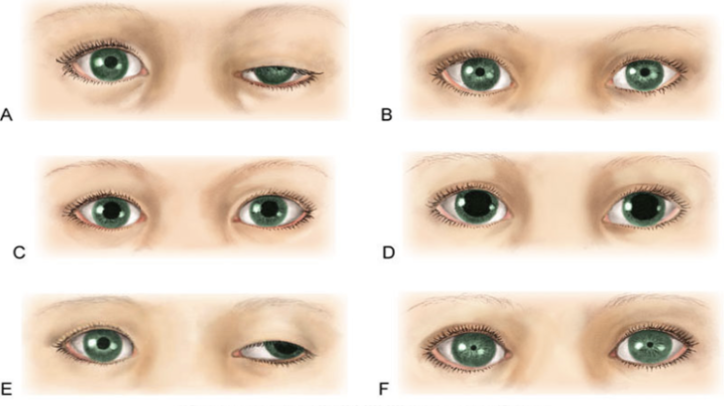
neurologic assessment- pupils
Assess pupil size & reactivity. Response should be equal bilaterally pupils either do or do not react to light
Pinpoint pupils common in poisoning or brainstem dysfx. Widely dilated/reactive- after seizure, may involve 1 side only. Widely dilated/fixed - CN III paralysis. Unilateral fixed- lesion on same side. Bilateral fixed >5min- brainstem damage. Dilate/nonreactive- hypothermia/anoxia/ischemia/poison/mydriatic drugs
Ask parents if pt have strabismus, cause eyes to appear misaligned
Sudden fixed/dilated pupil= neurosurgical emergency
Different assessment for kids <2 & >2
Pupils- right, left, size, reaction
posturing
Decorticate (abnormal flexuon) vs decerebrate (abnormal extension)
Primitive postural reflex emerge as cortical control over motor fx lost in brain fx
Posturing reflect balance b/w lower exciting & higher inhibiting influence
Flexion- occur w/ severe cerebral cortex dysfx or w/ lesions above brainstem
Rigid flexion, arms tight to body, flexed elbow/wrist/finger, plantar flexed feet, leg extended/ internally rotated. May be fine tremors or intense stiddness
Extension- sign of dysfx @ midbrain level or brainstem lesions
Rigis extensiobn/pronation of arm/leg, flexed wrist/finger, clenched jaw, extended neck, arched back
Unilateral extension posturing d/t tentorial herniation
May not be evident when kid quiet. Elicit by apply painful stimuli (blunt object on nail, noxious stimuli (suction), turn, touch). Stimulus used to provoke response important as rx
picture= A-Flexion/decorticate, B- extension/decerebrate

patient positioning to reduce ICP
Avoid neck vein compression. Pressure mattress (alternate, avoid pressure sores),
elevate hob 30 degrees & position so head is midline to facilitate venous drainage & avoid jugular compression. Turn side-side contraindicated d/t jugular compression risk. (semi fowlers vs reverse Trendelenburg)
Sandbags/ other support devices can help maintain head position
Pillow under head, uppermost limbs flexed & support w/ pillow. Body weight shouldn’t rest on dependent arm
Semiprone- lie w/ dependent arm @ side behind body, opposite side supported on pillows, uppermost arm/leg flexed/ rest on pillow
Supratentorial craniotomy- head elevated above heart to facilitate CSF drainage & decr excess blood flow to brain
Infratentorial crainiotmy- positioned flat & on either side
Avoid activities that incr ICP, avoid noise- environment matters, suction, avoid overhydration, defecation
DI & SIADH
DI – can occur after intracranial trauma. Incr urinary volume, dehydration risk. Tx- DDAVP/vasopressin
Can occur from damge to hypothalamus/ pituitary gland
Incr UO, decr specific gravity, incr serum Na
Siadh (inappropriate ADH)- d/t head injury, meningitis, encephalitis, brain abscess, brain tumor, subarachnoid hemorrhage
Scant # urine, hypoNam hypoosmolality, overhydration s/s
Tx- fluid restriction, NaCl, diuretics
Decr UO, incr specific gravity, decr serum Na
May have to monitor Na. DDAVP (injection or inbtranasal)
cerebral trauma (shaken baby)
During cerebral trauma, fine blood vessels that bridge subdural space stretched/ruptured> venous blood escape & spread freely> subdural hemorrhage
Shaken baby- sustain profound meurologic impairment, seizures, retinal hemorrhage, intracranial subarachnoid/ subdural hemorrhage
Coup/countercoup associated w/ shaken baby
Causes- fall, MVA, bicycle/sports injury
Brain vulnerable to accel/decel activities
Kids more susceptible to traumatic injury d/t larger head size & reduced musculoskeltal supporty
Hematoma- solid swelling of clotted blood
Contusion, visible bruising, laceration (tissue tear), coup (bruising at point of impact), contrecoup (bruising at sight far removed from impact)
Skull can withstand great injury before it fractures. Requires extreme foce to fracture it
concussion
Alt in neuro/cognitive fx w/ or w/o loss of consciousness. Most common/mildest TBI
Transient/reversible, from head trauma, followed by amnesia & confusion
Cause- direct head trauma & whiplash from rapid accel/decel. Sports
Resolve in 1-3wk w/o complications
Ongoing s/s- headache, visual/balance problem, diff conc, irritable, sleep pattern change
hydrocephalus (VP shunt)
Can develop after subarachnoid hemorrhage or infection. Normal pressure hydrocephalus can be TBI comp
s/s- rapidly incr head circumference, irritable, refuse to feed, sleepy
Changes in personality, developmental regression, ataxia, incontinence
Severe requires tx
VP shunt- drains CSF from ventricle to peritoneum. Valve opens @ predetermined pressure & close when pressure drops below that level
Postop position- position on unoperated side to prevent pressure on shunt valve. Kid remain flat to avert comp from too-rapid reduction of intracranial fluid
Activity restriction- contact sports prohibited. Swim/soccer/track allowed. Use helmet
Shunt infection- greatest risk 1-2mn after shunt placement
Septicemia, bacterial endocarditis, wound infection, shunt nephritis, meningitis
Tx- massive dose antibiotics or shunt removal/ removal= maintenance of external ventricular device
other neuro info
Know diff between compensated & uncompensated shock?
CO2 retention incr ICP. 35-45 = normal CO2
Monitor ICP when GCS <8, TBI hx
Hib- bacterial meningitis
teens- erik erikson- sense of identity
Identity v role confusion
Identity achievement main psychosocial task. Consider how others view them & their own sense of self worth
Should have chance to explore range of options. Abstract thinking, verbalize personal characterisitcs/beliefs/emotional states
teens- dietary habits/ obesity
Anorexia- most lethal psychiatric disorder
9/10 will be obese as adult. 1/5 teens obese
Puberty trigger accelerated physical growth. Can double nutritional requirements for iron/ca/zinc/protein
Deficit- iron, folic acid, vit b6, vit a, calcium, zinc
Maximum bone mass acquired in teens, adequate calcium intake criticial
teens- suicide
5,400 suicide attempts grade 7-12 every day USA
Suicide warning signs:
Preoccupation w/ thmes of death, focus on morbid thoughts. Want to give away cherished possession. Talk of own death/desire to die. Loss of energy/interest, listless, exhaustion w/o obvious cause, sleep pattern change, incr irritable/argumentative/stubborn, stomache/headache, reperat visists for injury tx, reckless behavior, antisocial behavior (drink/drug/fight/vandalism), academic decline, resist/refuse school, distant/sad/remot, describe self as worthlesss, sudden cheerful after deep depression, social withdrawal from friends/activities/ interests, impaired conc, dramatic appetite change
teens- stress/ school
1/3 sad
45% have chronic stress
teens- developmental tasks
Accept physical changes, separate from parents, establish social network, set educational goals/life plan, establish sexual orientation
Major changes in brain = perfect storm
fragile x
PATHO
Classic x-linked dominant pattern. All carrier females normal. All affected males have disorder s/s. No male carrier
Most common inherited cause of CI, 2nd most comon genetic cause of CI after Down syndrome
X linked dominant w/ reduced penetrance. 80& of these males & 30% of theses females affectes
Other females don't have classic physical appearance, but may have learning/psychosocial difficulties
Affected members of both sexes can be carriers
Cause- abnormal gene on lower end of long arm of X chromosome. Chromosome analysis demonstrate fragile site
CLINICAL MANIFESTATIONS
High arched palate, long palpebral fissure, hyperextensible finger joints/palmar crease, flat feet.
Adult- long face, prominent jaw (prognathism), large protruding ears, large testes (macroorchidism)
In prepubertal kids, above s/s less obvious & behavioral s/s may initally suggest diagnosis
Physical- incr head circumference, long/wide/protruding ears, long/narrow face w/ prominent jaw, strabismus, mitral valve prolapse, aortic root dilation, hypotonia, enlarges testicles post pubertal
Behavior- mild/severe CI, speech delay (rapid speech w/ stutter+word reptition), short attention span, hyperactivity, hypersensitive to tastet/sound/touch, intolerance to routine change, autisitic like behavior (social anxiety, gaze aversion), possible aggressive behavior
Tx- no cure.
Serotonin agent carbamazepine/Tegretol, fluoxetine/prozac- control violent temper outbursts
CNS stim/ clonidine/catapres- improve attention span & decr hyperactivity
Melatonin- sleep difficulties
Require referral to early intervention programs (speech/language/occupational/special ed)
trisomy 21- down syndrome
Patho -Most common chromosomal abnormality associated w/ intellectual disability. Unknown cause. Extra chromosome. Greater risk w/ advanced maternal age.
Degree of cognitive/physical impairment related to % of cells w/abnormal chromosome makeup
CLINICAL MANIFESTATIONS
Newborn- seeprated sagittal suture, obliquie palpebral fissure, depressed nasal bridge, protruding tongue, transverse palmar creases
Head/eye- seperated asgittal suture, brachycephaly, round/small skull, flat occiput, enlarged anterior fontanel, oblique palpebral fissue (up/out slant), inner epicanthal folds, iris speckling/brushfield
Nose/ear- small nose, depressed nasal bridge/saddle nose, short pinna, overlapping upper helices, conductive hearing loss
Mouth/neck- high arched narrow plate, protruding tongue, hypoplastic mandible, delayed teeth eruption/ microdontia, teeth alignment abnormality, peridontal disease, neck skin excess/laxity, short/broad neck
Chest/heaart- short rib cage, 12th rib anomalies, pectus excavatum/carinatum, congenital heart defect
Abd/genitalia- protrude/lax/flabby abd muscle, rectus abdominus diastasis, umbilical hernia, small penis, cryptorchidism, bulbous vulva
Hand/feet- broad/short hand, stubby finger, incurved little finger (clinodactyl), transverse palmar crease, wide space/plantar crease b/w big/2nd toe, broad short feet, stubby toe
Muscle/skin- short stature, hyperflexible, muscle weakness, hypotonia, atlnatoaxial instability, dry/crack/freq fissuring, cutis marmorata (mottling)
Other- reduced birth weight, learning difficulty (average IQ 50), hypothyroidism, impaired immune, leukemia risk, early onset dementia
Palmar crease, small nose w/ flat nasal bridge, high arched palalte, excess skin in neck folds, plantar creases between big & second toe, wide space between big& second toe, hyperflexible, hypotonia/muscle weakness
Mgmt- no cure. Surgery for congenital anomaly, evaluative echocardiography, sight/hearing test
Report spinal cord compression s/s- persistent neck pain, loss of establishjed motor skils & bladder/bowel control, changes in sensation
Limp, flaccid extremity like rag doll. Infant difficult to hold. Swaddle infant well to maintain temp. Clear nose before each feed. Small freq feeds
autism
Complex brain dysfx accompanied by broad range & severity of intellectual/behavioral deficits
Deficits in social comminication/interaction. Restricted/repetitive behavior/interest/activities. Dx in toddlers
Unknown etiology. Genetic basis. Usually appears from 18-36mn. 4x more common in males
Autism spectrum disorder ASD= autistic disorder, Asperger syndrome, pervasive developmental disorder
s/s- abnormal eye contact, decr response to own name, decr imitation, repetitive behavior, verbal/motor delay, GI
Most have some degree of CI. Some (savant) excel in particular areas
Comorbidity- aggression, explosive outburst, self injury, asthma, epilepsy, GI/digestive disorder, immue/feeding/ anxiety/ bipolar/sleeping disorders
Early behavioral modification programs. Aripiprazole/abilify, eisperidone/risperdal
Early recognition/referral/diagnosis/intervention improves outcomes
Diagnosis often not made till 2/3yr after s/s recognized
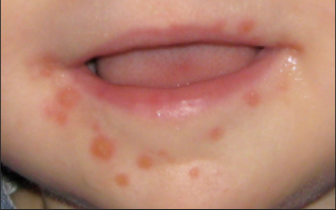
impetigo
Contagious bacterial skin infection, forms pustules & yellow crusty sores
Cause- staphlococcus
S/s- reddish macule>vesicular>ruptures easily>superficial moist erosion>spread peripheral in sharp marginated irregular outline> exudate dry>honey color crust
Pruritius common
Mgmt- topical bactericidal ointment mupirocin or tipical antibiotc ointement
Severe- oral/parenteral antibiotics (penicillin). Vancomycin for MRSA
Heals w/o scar unless secondary infection. Common in toddler/preschooler. Can be superimposed on eczema
Can spread by self inoculation. Pt shouldn't touch lesions. Hand washing important
Associated w/ scratching bug bites

varicella-systemic?
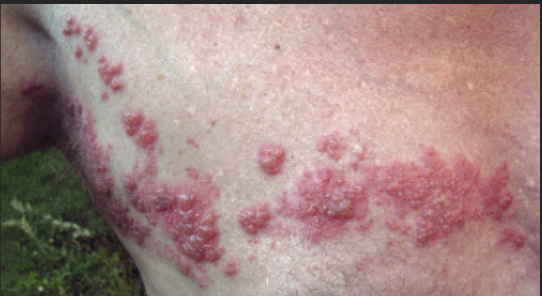
Herpesvirus that causes chickenpox & shingles. Herpes zoster
Highly contagious viral illness. Dangerous for pregnant women
s/s- Has affinity for posterior root ganglia, posterior horn of spinal cord & skin
Crops of vesicles confined to dermatome following along course of affected nerve
Preceded by neuralgic pain, hyperesthesia, or itch
Mgmt- symptomatic. Analgesics for pain. Drying lotions can be helpful. Ophthalmic variety: systemic corticotropin or corticosteroids. Acyclovir/valacyclovir. Vacine for >50yr
Minimal pain in kids, no postherpetic pain. Chickenpox may follow, isolate pt from other kids in hospital/school
molluscum contagiosum
Chronic viral disorder. Groups of small/smooth/painless/pinkish nodules w/ central depression that yield milky fluid when squeezed. Normally asymtomatic
S/s- flesh color papular w/ center casous plug. Occur on trunk/face/extremities. Can transmit sexually.
Tx- Goes away on its own (18mn), can take years to resolve. If severe, derm can freeze or use beetle juice
Tx for cosmetic purpose, alleviate discomfort, reduce autoinoculation, prevent seconday infection
Trtinoin gel, cantharidin liquid, podophyllin, imiquimod- painful, use anesthesia
Common in school age kids spread w/ skin-skin contact.
Cause- pox virus

pediculosis capitis- lice
Head louse- tan/grey insect, size of strawberry seed. Common parasite in school age kids
Feeds on human blood extracted from scalm. Femal louse make sticky substance that adheres egg to hair shaft.
s/s- itching. location- occipital area, behind ear, neck nape, eyebrow/eyelash
Egg attached 4mm from base of shaft- provides ideal temp to incubate egg
Mutant lice. Louse egg/nit hatches after 8/9 days. Adult live 48hr w/o host
Anyone can get lice, not related to age/socioeconomic/cleaniliness
Tx- permethrin 1% cream rinse- kills adult lice & nits
2nd tx @ 7-10 days advised to ensure cure
Prevent spread/recurrence- machine wash cloth/towel/line >130F & dry in hot dryer >20min
Vacuum carpet, carseat, pillow, stuffed animal, rug, amttress, furniture
Seal nonwashable item in plastic bag for 14days.
Soak comb/brush/hair accessory in lice killing product for 1hr or in boilwing water 10 min
Don't share hat/scarf/hair accessory/comb/brush
tinea capitis- ring worm
Cause- superficial fungal infection of scalp/eyebrow/eyelash. Propensity for attacking hair shaft/follicle
Form of superficial mycosis or dermatophytosis. Person-person trasnmission
S/s- lesion in scalp, can extend to hairline/neck. Scaly circumscribed patches. Asymptomatic
Severe/deep inflam rx can occur = oggy encrusted lesion. Pruritic
Mgmt- oral griseofulvin/terbinafine. Difficult = use ketoconazole
Selenium sulfide shampoo 2x/wk can decr infection & fungal shedding

measles/rubeola
Childhood infectio caused by virus. Once was common, now prevented w/ vaccine
Serious/fatal for small kids. Kills 100,00 people/year, most under age 5

rocky mountain spotted fever
Bacterial infection. Transmitted by tick. w/o prompt tx, cause serious damage to internal organs (kidney, heart)
s/s- gradual onset, fever, malaise, anorexia, maylgia
Abrupt onset- rapi d temp elevation,chills, vomit, myalgia, severe headache
Maculopapular/petechial rash on extremities. Palm/sole
Mgmt- control. Protect from tick bite w/ apparel, repellent
Tetracycline or chloramphenicol. Vigorous supportive therpay
Usually self limitng. Inspect kids/dogs regularly if they play in wooded areas
High fever, then rash.

roseola
Mild infection. Affects kids by age 2. common, most kids have had roseola by the time they enter kindergarden
Cause0 human herpesvirus 6. maybe from saliva of healthy adult
s/s- persistent high fever 3-7days. Precipitous drop in fever & appearance of rash. Bulging fontanel
Rash- discrete pink macules/maculopapules. 1st trunk, then neck/face/extremities. Nonpruritic, fasde on pressure, last 1/2days
Other- cervial/postauricular lymphadenopathy, inflamed pharynx, cough, coryza
Antipyretics to control dever
Comp- recurrent febrile seizures, encephalitis, hepatitis
1st fever, then rash
pediatric burns
Thermal, chemical, electrical, radiation
Stop burning process- remove cloths/jewelry near burn
Cool w/ lukewarm water, not ice
Assess burn depth/extent
<5- scald burns common, older- thermal/flame burn.
<2yr- significantly higher mortality rates d/t minimal protein store, immature immune response, greater body water proportion, immature renal fx
Hot liquid cause partial thickness burn. Flamen burns cause full thickness injury
Cellular death can continue @ wound site for 48hr post injury
Electrical injury may show minimal visible destruction despite underlying damage
Max hot water heater temp= 49C/120F
Flame burn- place kid horizontal & roll in blanket. Brief cooling w/ tepid water