MAIA KATHARINA SERO - FINALS DEV PSYCH REVIEWER (CHAPTER 11 TO 14 w/High-Yield Concepts: Adolescence to Late Adulthood)
 Call Kai
 Learn
 Practice Test
 Spaced Repetition
 Match
 Flashcards
 Knowt Play
1/146

There's no tags or description
Looks like no tags are added yet.
147 Terms
adolescence
Developmental transition between childhood and adulthood entailing major physical, cognitive, and psychosocial changes.

puberty
Process by which a person attains sexual maturity and the ability to reproduce.

primary sex characteristics
Organs directly related to reproduction, which enlarge and mature during adolescence.

secondary sex characteristics
Physiological signs of sexual maturation (such as breast development and
growth of body hair) that do not involve the sex organs.

adolescent growth spurt
Sharp increase in height and weight that precedes sexual maturity.

spermarche
Boy's first ejaculation.

menarche
Girl's first menstruation.

secular trend
Trend that can be seen only by observing several generations, such as the trend toward earlier attainment of adult height and sexual maturity, which began a century ago in some countries.

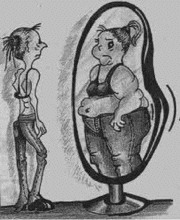
body image
Descriptive and evaluative beliefs about one's appearance.

Anorexia nervosa
- Eating disorder characterized by self-starvation.
SYMPTOMS:
• Using laxatives, enemas, or diuretics inappropriately
• Binge eating
• Going to the bathroom right after meals
• Exercising compulsively
• Restricting the amount of food eaten, cutting food into small pieces
• Dental cavities due to self-induced vomiting
• Depression, confused or slow thinking, poor memory and judgment
• Low blood pressure, significant weight loss and muscle wasting, no menstruation
bulimia nervosa
- Eating disorder in which a person regularly eats huge quantities of food and then purges the body by laxatives, induced vomiting, fasting, or excessive exercise.
SYMPTOMS:
• Abuse of laxatives, diuretics, or enemas to prevent weight gain
• Binge eating
• Going to the bathroom right after meals
• Frequent weighing
• Self-induced vomiting
• Dental cavities due to self-induced vomiting
• Overachieving behavior

binge eating disorder
Eating disorder in which a person loses control over eating and binges huge quantities of food.

substance abuse
Repeated, harmful use of a substance, usually alcohol or other drugs.

substance dependence
Addiction (physical, psychological, or both) to a harmful substance.

Alcohol
is a potent, mind-altering drug with major effects on physical, emotional, and social well-being.

binge drinking
Consuming five or more drinks (for men) or four or more drinks (for women) on one occasion.

formal operations
Piaget's final stage of cognitive development, characterized by the ability to think abstractly.

hypothetical-deductive reasoning
Ability, believed by Piaget, to accompany the stage of formal operations, to develop, consider, and test hypotheses.

imaginary audience
The tendency of adolescents to falsely believe themselves to be the focus of others' attention.

personal fable
The adolescent belief in one's uniqueness and invulnerability, associated with risk-taking.

Preconventional morality
Conventional morality or morality of conventional role conformity
Postconventional morality or morality of autonomous moral principles
Kohlberg (1969) described three levels of moral reasoning, each divided into two stages:
Level 1: Preconventional morality
- (Ages 4-10 / Self & Consequences)
- First level of Kohlberg's theory of moral reasoning in which control is external and rules are obeyed in order to gain rewards or avoid punishment or out of self-interest.
- People act under external controls.
- They obey rules to avoid punishment or reap rewards, or they act out of self-interest. - This level is typical of children ages 4 to 10.
The Situation: A child eats candy from the kitchen jar before dinner.
The Reason: They only avoid eating it because paluin (they will get hit or scolded) by their nanay (mother) or tatay (father). If no adult is watching, they might do it because they want the sweet reward, caring only about their own immediate pleasure or pain.

Level 2: Conventional morality or morality of conventional role conformity
- (Adolescence & Adulthood / Social Order & Approval)
- Second level in Kohlberg's theory of moral reasoning in which standards of authority figures are internalized.
- People have internalized the standards of authority figures.
- They are concerned about being "good," pleasing others, and maintaining the social order.
- This level is typically reached after age 10; many people never move beyond it, even in adulthood.
The Situation: A young adult stops at a red light on a deserted Manila street late at night, or attends Simbang Gabi (dawn masses) simply because the family and neighbors expect it.
The Reason: They do this to maintain pakikisama (smooth interpersonal relations), be considered a "good child" or a respectable community member, and respect traffic laws or religious traditions to prevent chaos and keep social order.
Level 3: Postconventional morality or morality of autonomous moral principles
- (Adulthood / Universal Principles & Justice)
- Third level of Kohlberg's theory of moral reasoning, in which people follow internally held moral principles and can decide among conflicting moral standards.
- People recognize conflicts between moral standards and make their own judgments on the basis of principles of right, fairness, and justice.
- People generally do not reach this level of moral reasoning until at least early adolescence or, more commonly, in young adulthood, if ever.
The Situation: A community organizer joins a protest against a government infrastructure project that legally displaces indigenous Lumad or coastal families from their ancestral lands.
The Reason: They recognize that local laws or authority mandates can be unjust. They choose to follow a higher, self-chosen conscience centered on human rights, universal fairness, and defending the marginalized over blind obedience to the state

self-efficacy
Sense of one's capability to master challenges and achieve goals.

identity
According to Erikson, a coherent conception of the self, made up of goals, values, and beliefs to which a person is solidly committed.

identity versus identity confusion
- Erikson's fifth stage of psychosocial development, in which an adolescent seeks to develop a coherent sense of self, including the role they are to play in society.
- Also called identity versus role confusion.

psychosocial moratorium
A time, usually during adolescence, during which society allows individuals to address psychosocial crises free from the full responsibilities of adult life.
EXAMPLE:
The Situation: A college sophomore shifts from Accountancy to Fine Arts after realizing their true passion, extending their college stay by another two years.
Why it fits: Society treats the college environment as a safe zone where students can try out different identities, make mistakes, and pivot before entering the permanent workforce.

fidelity
Sustained loyalty, faith, or sense of belonging that results from the successful resolution of Erikson's identity versus identity confusion psychosocial stage of development.

crisis
- Marcia's term for period of conscious decision making related to identity formation.
EXAMPLE:
The Situation: A high school senior is torn between taking Civil Engineering (which their parents want to secure the family's future) or Multimedia Arts (their true passion). They spend months researching curricula, talking to seniors, and arguing with their family about their future.
Why it fits: The teenager is actively confronting the tension between parental expectations and personal desires, weighing options to choose their own identity path.

commitment
- Marcia's term for personal investment in an occupation or system of beliefs.
EXAMPLE:
The Situation: After years of questioning if they were cut out for it, a young Filipina officially enters medical school. Despite the sleepless nights, grueling shifts, and low starting pay, she is deeply dedicated to becoming a community doctor (Doktor para sa Bayan) to serve rural areas.
Why it fits: She has moved past the period of doubt and made a firm, long-term personal investment in her chosen career path.

Identity diffusion
Foreclosure
Moratorium
Identity achievement
(4) young people identity status
identity diffusion
Identity status, described by Marcia, that is characterized by absence of commitment and lack of serious consideration of alternatives.
Crisis / Exploration: NO
Commitment: NO
EXAMPLE: Junjun stays home all day playing mobile games. He hasn't thought about college or a job. His parents don't pressure him and just say, "Bahala ka sa buhay mo" (You're on your own). He feels aimless and lonely.
foreclosure
Identity status, described by Marcia, in which a person who has not spent time considering alternatives (that is, has not been in crisis) is committed to other people's plans for their life.
Crisis / Exploration: NO
Commitment: YES
EXAMPLE: Maria instantly takes up Accountancy because her parents own a local firm. She proudly tells everyone this is her path, but gets highly defensive if someone asks if she actually likes math. She values family obedience above all.
Moratorium
Identity status, described by Marcia, in which a person is currently considering alternatives (in crisis) and seems headed for commitment.
Crisis / Exploration: YES
Commitment: NO
EXAMPLE: Ethan is actively weighing his options. He dropped his engineering course, joined a theater group, and is volunteering at a local NGO to find his purpose. He is energetic and expressive, but deeply anxious about his future.
Identity Achievement
Identity status, described by Marcia, that is characterized by commitment to choices made following a crisis, a period spent in exploring alternatives.
Crisis / Exploration: YES
Commitment: YES
EXAMPLE: After months of intense arguments with family and struggling through career doubts, Clara firmly decides to become a human rights lawyer. She is mature, confident, and highly dedicated to her chosen path.
sexual orientation
Focus of consistent sexual, romantic, and affectionate interest, including heterosexual, homosexual, bisexual, pansexual, or asexual.

LGBTQ+
An acronym for lesbian, gay, bisexual, trans, queer and/or questioning, and others.

transgender people
Individuals whose gender identity (a social and psychological construct) is different from their sex (a biological construct).

cultural socialization
Parental practices that teach children about their racial/ethnic heritage and promote cultural practices and cultural pride.

sexting
The sharing or sending of sexually explicit or suggestive photos or videos to others.

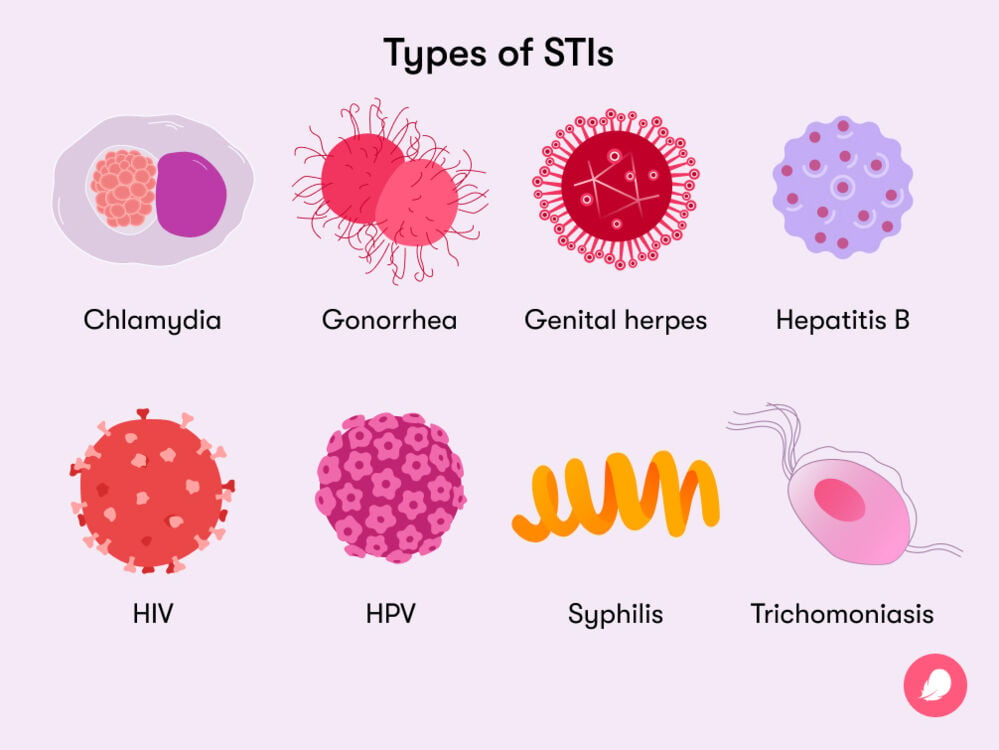
sexually transmitted infections (STIs)
Infections and diseases spread by sexual contact.
adolescent rebellion
Pattern of emotional turmoil, characteristic of a minority of adolescents, that may involve conflict with family, alienation from adult society, reckless behavior, and rejection of adult values.

individuation
Adolescents' struggle for autonomy and personal identity.
EXAMPLE:
The Situation: A 16-year-old Filipina starts wearing alternative, expressive clothing or gets a small tattoo. When her conservative aunts (titas) comment at a family reunion that her outfit is "masyadong liberated" (too revealing/bold), she politely but firmly defends her style as her personal self-expression.
Why it fits: She is defining her own identity boundaries and personal taste, separate from the traditional modesty standards enforced by her extended family.

emerging adulthood
Proposed transitional period between adolescence and adulthood commonly found in industrialized countries.

alcoholism
Chronic disease involving dependence on use of alcohol, causing interference with normal functioning and fulfillment of obligations.

premenstrual syndrome (PMS)
Disorder producing symptoms of physical discomfort and emotional tension for up to 2 weeks before a menstrual period.

postformal thought
- Mature type of thinking that relies on subjective experience and intuition as well as logic and allows room for ambiguity, uncertainty, inconsistency, contradiction, imperfection, and compromise.
EXAMPLE:
The Situation: Entitled relatives demand your hard-earned salary because "they raised you."
The Postformal Fix: You don't cut them off completely, nor do you go broke. You pay for your sibling's school directly but say no to the aunts and uncles. You accept the messy family drama and make a compromise.

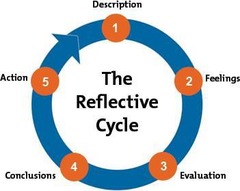
reflective thinking
Type of logical thinking that becomes more prominent in adulthood, involving continuous, active evaluation of information and beliefs in the light of evidence and implications.
EXAMPLE:
The Situation: A mother's relatives tell her to cure her sick baby using an albularyo (folk healer) and herbal oils.
The Reflective Fix: She questions the traditional advice, evaluates the risks of delaying real medicine, and decides to trust a licensed pediatrician instead.
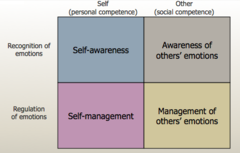
emotional intelligence (EL)
- Salovey and Mayer's term for the ability to understand and regulate emotions; an important component of effective, intelligent behavior.
- Managing emotional responses in ways that support goals and relationships.
- is related to social functioning but should not be treated as a single explanation for success.
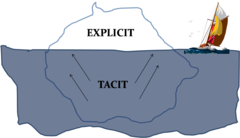
tacit knowledge
Sternberg's term for information that is not formally taught but is necessary to get ahead.
EXAMPLE:
The Situation: A new employee wants to get promoted faster in a Manila office.
The Tacit Fix: Instead of just working hard, they learn the unwritten rule: join the office chika (small talk), know who the real influencers are, and bring pasalubong (snacks) after a trip to build good relationships.
substantive complexity
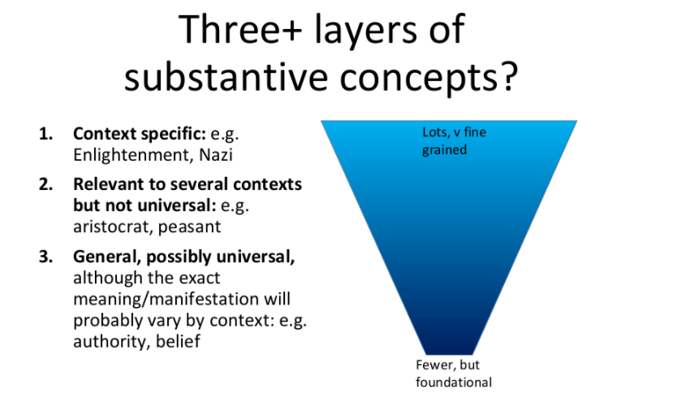
Degree to which a person's work requires thought and independent judgment.
EXAMPLE:
The Job: Handling an angry foreign client who demands a refund that violates company policy.
Why it fits: The supervisor cannot just read a basic script. They must use independent judgment, balance company losses against customer satisfaction, and solve a messy problem on the spot.
spillover hypothesis
Hypothesis that there is a carryover of cognitive gains from work to leisure that explains the positive relationship between activities in the quality of intellectual functioning.
EXAMPLE:
At Work: They constantly think of creative ways to explain history, design lesson plans, and keep students engaged.
The Spillover: During the weekend, their leisure time reflects this high mental energy. They run a local community book club, write poetry, or volunteer to organize educational youth camps in their barangay.
SHIFTING GEARS
- The ability to change your way of thinking depending on the situation. You don't use the same approach for every problem.
EXAMPLE: You use logical thinking when solving a math problem, but when dealing with a friend who is upset, you use empathy and emotional understanding.
PROBLEM DEFINITION
- Understanding that before solving a problem, you need to figure out what the actual problem is.
EXAMPLE: Instead of saying, "I failed because I'm stupid," a student examines the situation and realizes, "Maybe I didn't study effectively or manage my time well."
PROCESS-PRODUCT SHIFT
- Focusing not only on the final answer (product) but also on how you arrived at the answer (process).
EXAMPLE: Instead of only asking, "Did I get the correct answer?" a student asks, "How did I arrive at this answer, and what did I learn from the process?"
PRAGMATISM
- Choosing a solution based on what actually works in real life, rather than relying only on theories or ideal answers.
EXAMPLE: A student wants to attend graduate school but cannot afford it yet, so they work first and save money before enrolling.
MULTIPLE SOLUTIONS
- Understanding that a problem can have more than one reasonable solution.
EXAMPLE: If you have financial problems, you could work part-time, reduce expenses, apply for scholarships, or find a better-paying job. There isn't only one solution.
AWARENESS OF PARADOX
- Recognizing that two seemingly opposite ideas can both be true.
EXAMPLE: "I want to be independent, but I still need help from my family." These ideas may seem contradictory, but both can be true.
SELF-REFERENTIAL THOUGHT
- Being able to reflect on your own thinking and recognize that your perspective influences how you understand something.
EXAMPLE: "I think this career is the best choice because I value financial stability, but someone who values creativity might make a different choice."
Analytical intelligence
Creative intelligence
Practical intelligence
(3) Triarchic Theory of Intelligence
Analytical intelligence
— evaluating, comparing, and solving problems.

Creative intelligence
— generating novel ideas and adapting to unfamiliar situations.

Practical intelligence
— applying knowledge effectively in everyday contexts.

Moral Reasoning
using principles of justice, rights, care, and responsibility.

ethics of justice
ethics of care
ethics of self-interest
(3) three ethics:
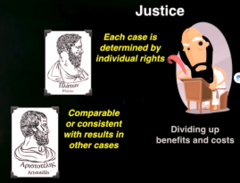
Ethics of Justice
- Focuses on fairness, rights, rules, and equality.
EXAMPLE: "Everyone should be treated fairly, so the same rule should apply to everyone."
Ethics of Care
- Focuses on relationships, compassion, and reducing harm to others.
EXAMPLE: "I should consider how my decision will affect the people I care about."

Ethics of Self-Interest
- Focuses on one's own needs, goals, and well-being.
EXAMPLE: "I need to consider what decision will protect my future and well-being."

Moral reasoning
is influenced by culture, relationships, experience, and the situation.
Career development
is shaped by interests, abilities, opportunities, socioeconomic conditions, culture, and labor-market realities.

PHYSICAL
generally strong functioning, but health depends heavily on behavior and context.
intimacy versus isolation
Erikson's sixth stage of psychosocial development, in which young adults either form strong, long-lasting bonds with friends and romantic partners or face a possible sense of isolation and self-absorption.

Normative-stage models
Timing-of-events model
Trait models
Typological models
(4) Four Views of Personality Development
normative-stage models
- Theoretical models that describe psychosocial development in terms of a definite sequence of age-related changes.
- Everyone goes through the exact same stages of personality change at specific ages.
Example: A typical Filipino in their 20s focuses heavily on finding a job/partner, while in their 50s, their personality shifts toward preparing for retirement and guiding grandkids
Timing-of-events model
- Theoretical model of personality development that describes adult psychosocial development as a response to the expected or unexpected occurrence and timing of important life events.
- Personality changes based on when major life events happen compared to society's "social clock."
- Development is influenced by whether life events occur at expected or unexpected times.
Example: If a Filipino gets married at age 25 (customary time), it feels normal. But if they become a first-time parent at age 16 or start college at age 40, the off-time event causes major stress and completely alters their personality development.
Trait models
- Personality inventories, questionnaires, factor analysis
- Personality changes substantially until age 30, more slowly thereafter.
Typological models
- Interviews, clinical judgments, Q-sorts, behavior ratings, self-reports
- Personality types tend to show continuity from childhood through adulthood, but certain events can change the life course.
- theoretical approach that identifies broad personality types or styles.
normative life events
In the timing-of-events model, commonly expected life experiences that occur at customary times.
social clock
- A set of cultural norms or expectations for the times of life when certain important events, such as marriage, parenthood, entry into work, and retirement, should occur.

trait models
- Theoretical models of personality development that focus on mental, emotional, temperamental, and behavioral traits, or attributes.
- personality traits show both stability and gradual change across adulthood.
five-factor model
Theoretical model of personality, developed and tested by Costa and McCrae, based on the "Big Five" factors underlying clusters of related personality traits: neuroticism, extraversion, openness to experience, conscientiousness, and agreeableness.

Openness
• Imaginative or practical
• Interested in variety or routine
• Independent or conforming

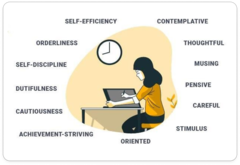
Conscientiousness
• Organized or disorganized
• Careful or careless
• Disciplined or impulsive
Extraversion
• Sociable or retiring
• Fun-loving or somber
• Affectionate or reserved

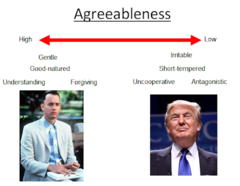
Agreeableness
• Softhearted or ruthless
• Trusting or suspicious
• Helpful or uncooperative
Neuroticism (emotional stability)
• Calm or anxious
• Secure or insecure
• Self-satisfied or self-pitying

openness, conscientiousness, extraversion, agreeableness, neuroticism
The Big (5) Five Factors of Personality
ego resiliency or ego resilient
- well adjusted, self confident, independent, articulate, attentive, helpful, cooperative, and task-focused
(1) Dynamic capacity to modify one's level of ego-control in response to environmental and contextual influences.
(2) The ability to adapt flexibly and resourcefully to potential sources of stress.
EXAMPLE:
The Situation: A family loses their home and small sari-sari store during a severe typhoon flash flood.
The Resilient Fix: Instead of freezing up or giving in to despair, they quickly pivot. They laugh off the bad luck with their neighbors, adapt to sleeping in an evacuation center, and immediately set up a temporary makeshift stall to sell coffee to relief workers.

ego control
Self-control and the self-regulation of impulses.

fictive kin
Friends who are considered and behave like family members.

triangular theory of love
Sternberg's theory that patterns of love hinge on the balance among three elements: intimacy, passion, and commitment.
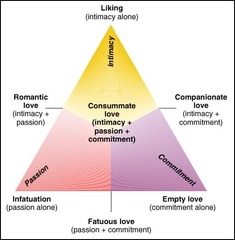
nonlove
liking
infatuation
empty love
romantic love
companionate love
fatuous love
consummate love
(8) Patterns of Loving
Nonlove
- All three components of love—intimacy, passion, and commitment—are absent.
- This describes most interpersonal relationships, which are simply casual interactions.
Example: Your daily interaction with the kuya driver of your tricycle or the cashier at the local 7-Eleven. It is purely polite, casual, and transactional.

Liking
- Intimacy is the only component present.
- There is closeness, understanding, emotional support, affection, bondedness, and warmth.
- Neither passion nor commitment is present.
Example: Your bond with your high school barkada (best friend). You share secrets, give emotional support, and trust them completely, but there is zero romantic attraction or marital commitment.

Infatuation
- Passion is the only component present.
- This is "love at first sight," a strong physical attraction and sexual arousal, without intimacy or commitment.
Example: Your massive crush on a gorgeous K-pop idol or someone you locked eyes with at a bar in BGC. It is immediate "love at first sight" and pure physical attraction, with no deep talking or long-term plans.

Empty love
- Commitment is the only component present.
- Empty love is often found in long-term relationships that have lost both intimacy and passion or in arranged marriages.
Example: An older couple who has been married for 40 years. They no longer hold hands or talk deeply, but they strictly choose to stay together in the same house for the sake of the children and grandchildren (para sa pamilya).

Romantic love
- Intimacy and passion are both present.
- Romantic lovers are drawn to each other physically and bonded emotionally.
- They are not, however, committed to each other.
Example: A fresh, exciting summer fling (MU or Mutual Understanding). You are deeply attracted to each other and stay up all night texting your deepest feelings, but you both agree to keep it "no strings attached" with no labels.

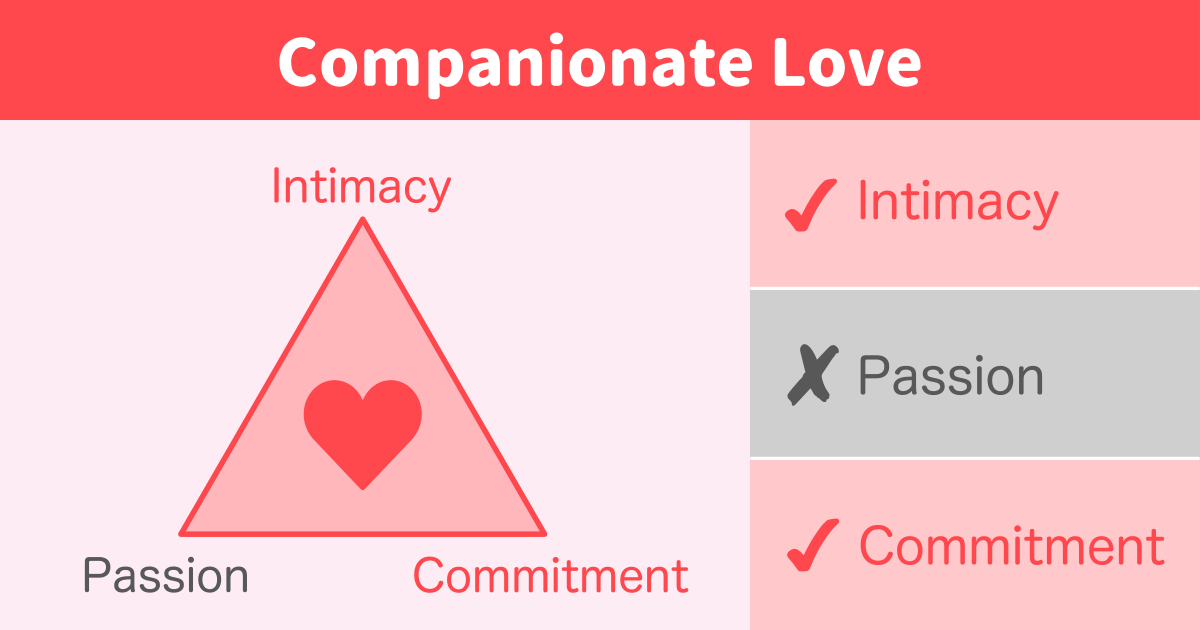
Companionate love
- Intimacy and commitment are both present. - This is a long-term, committed friendship, often occurring in marriages in which physical attraction has died down but in which the partners feel close to each other and have made the decision to stay together.
Example: A long-married provincial couple whose physical spark (dating landi) has died down. However, they are still absolute best friends who completely trust each other and remain fully dedicated to their life partnership.
Fatuous love
- Passion and commitment are present without intimacy.
- This often leads to a whirlwind courtship in
which a couple make a commitment without allowing themselves the time to develop intimacy.
- This kind of love usually does not last.
Example: A whirlwind courtship. A couple meets at a party, falls into a crazy physical romance, and decides to elope (magtanan) to Vegas or get married after only two weeks of knowing each other without actually building a deep friendship first.
