Design for Optimization
 Call Kai
 Learn
Learn Practice Test
 Spaced Repetition
 Match
Match Flashcards
 Knowt Play
1/11

There's no tags or description
Looks like no tags are added yet.
Name | Mastery | Learn | Test | Matching | Spaced | Call with Kai | Chat |
|---|
No analytics yet
Send a link to your students to track their progress
12 Terms
Robustness
The condition of a product or process design that remains relatively stable with a minimum of variation, even through factors that influence operations or usage are constantly changing
Taguchi’s robust parameter design (RPD)
Quality should be designed into the process and the product (want to create products and processes that are robust, performing consistently even when exposed to noise factors)
Variables in RPD
Controllable and uncontrollable
Controllable variables
once chosen, values and settings remain fixed
Uncontrollable variables
Hard to control variables that are expected during normal use of a process or product
Who controls controllable variables?
The people responsible for designing, optimizing, or operating the process (the user has control of these variables only if the product is designed for them to customize performance) (most cases the user does not have control)
design failure mode and effects analysis (DFMEA)
Assessment tool to proactively address product risks early during the desgin process
Identify and anticipate mechanisms of failure before they ever happen, and implement prevention systems into the design
Basic steps to DFMEA
Determine how the component can fail
Determine possible causes of the failure
Determine the effect on the product or system within which it operates (what are the effects could result from each failure mode identified?)
Assign severity ranking (effect of failure on the customer) (2-4 = annoyance, 5-6 = loss or reduction in secondary function, 7-8 loss or reduction in primary function, 9-10 very severe consequences where regulatory and safety factors cannot be overlooked)
Fault tree analysis (FTA)
Top down approach to failure analysis, starting with a potential undesirable event called a top event, and then determining all the ways it can happen
a way to identify causes associated with failures (good complement to DFMEA)

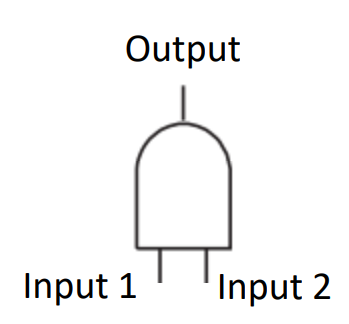
FTA and gate
The output event occurs only if all the input events occur at the same time
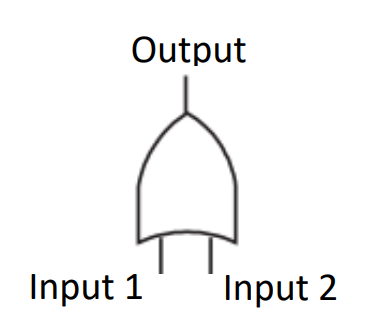
FTA or gate
The output event occurs if any one of the input events occur
Limitations of FTA
Difficult to conceive all possible scenarios leading to the top event
Construction of fault trees for large systems can be tedious
Subjective decisions regarding the level of detail and completeness