Карточки IGCSE EAL: Environment and nature
 Call Kai
 Learn
 Practice Test
 Spaced Repetition
 Match
 Flashcards
 Knowt Play
1/49

There's no tags or description
Looks like no tags are added yet.
50 Terms

greenhouse gas emissions
(n.) gases like CO2 that go into the air and make the Earth hotter.
Example: Transport accounts for a large share of the country's greenhouse gas emissions.

carbon footprint
(n.) how much CO2 a person or activity produces.
Example: Taking the train instead of flying can cut your carbon footprint by half.
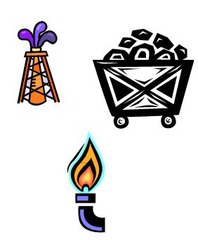
fossil fuels
(n.) coal, oil and gas.
Example: Many countries are still heavily dependent on …..

renewable energy
(n.) energy that will not run out, like wind or sun power.
Example: Our school has switched to renewable energy for its heating.

extreme weather
(n.) very bad weather, like floods, storms or heatwaves.
Example: Scientists link the rise in extreme weather events to global warming.

sea-level rise
(n.) when the sea gets higher because ice is melting.
Example: Low-lying islands are under threat from sea-level rise.

mitigate
(v.) to make a problem less bad.
Example: Planting trees can help mitigate the effects of climate change.
adapt to
(v.) to change so you can deal with a new situation.
Example: Farmers are having to adapt to longer, hotter summers.

carbon-neutral
(adj.) not adding any extra CO2 to the air.
Example: The city aims to become carbon-neutral by 2040.

irreversible
(adj.) cannot be changed back.
Example: Some scientists warn the damage could soon be irreversible.

single-use plastics
(n.) plastic things you use once and throw away, like straws and bags.
Example: The canteen has banned …… such as straws and cutlery.

landfill (site)
(n.) a big place where rubbish is put under the ground. Example: Most of our household waste still ends up in …..

biodegradable
(adj.) can break down naturally without hurting nature. Example: These cups are ….., so they decompose within months.

compost
(n./v.) old food and plants that become food for soil; to make this.
Example: We compost our fruit peel and use it in the school garden.

upcycle
(v.) to make old things into new, better things. Example: Students upcycled old jeans into tote bags for the charity sale.

sort, separate waste
(v.) to put different rubbish, like paper and glass, in different bins.
Example: Residents are now required to separate their waste into four bins.

reduce, reuse, recycle
(phrase) three ways to make less rubbish: use less, use again, recycle.
Example: Recycling is useful, but reducing what we buy matters even more.

air quality
(n.) how clean or dirty the air is.
Example: Air quality in the city centre drops sharply during rush hour.

exhaust fumes
(n.) dirty gas that comes out of cars and buses.
Example: Cyclists breathe in exhaust fumes from the traffic around them.

contaminate
(v.) to make something dirty or dangerous.
Example: Chemicals from the factory …… the local water supply.

toxic
(adj.) poisonous.
Example: Burning rubbish releases toxic smoke into the air.

microplastics
(n.) very small pieces of plastic in water, soil and food. Example: Microplastics have been found in fish, salt and even rainwater.

industrial waste
(n.) rubbish that factories make.
Example: Rivers near the industrial zone are polluted by industrial waste.

noise / light pollution
(n.) too much noise or too much light from cities.
Example: Light pollution makes it almost impossible to see stars in the city.
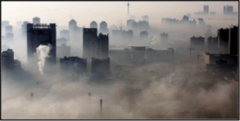
smog
(n.) thick, dirty air in a city, like fog mixed with smoke. Example: The city was covered in smog for days, so schools were closed.
crack down on (C1)
(phr. v.) to deal with a problem in a very strict way.
Example: The government plans to crack down on companies that dump waste illegally.

pose a threat to (C1)
(v.) to be dangerous for. Example: Oil spills pose a serious threat to marine life.

endangered species
(n.) a type of animal or plant that may soon disappear. Example: The snow leopard is listed as an endangered species in several countries.

on the verge of extinction
(phrase) very close to disappearing for ever.
Example: Without urgent action, the Sumatran tiger is on the verge of extinction.

habitat loss
(n.) when animals lose the place where they live.
Example: …… caused by farming is the biggest threat to orangutans.

deforestation
(n.) cutting down a lot of trees in forests.
Example: Deforestation in the Amazon has accelerated in recent decades.

poaching
(n.) hunting animals when it is against the law.
Example: Rangers patrol the park at night to prevent poaching.

biodiversity
(n.) the number of different plants and animals in a place. Example: Coral reefs have some of the highest biodiversity on Earth.

ecosystem
(n.) all the plants and animals in a place and how they live together. Example: Removing one predator can upset the balance of the whole ecosystem.

invasive species (C1)
(n.) a plant or animal from another place that harms local wildlife. Example: …. such as cane toads have devastated native populations.

dwindling (C1)
(adj.) getting smaller in number. Example: Bee populations are dwindling across Europe.
wipe out (C1)
(phr. v.) to destroy completely.
Example: Disease could wipe out the remaining frogs in the region.

conservation
(n.) protecting nature and animals.
Example: She volunteers for a marine conservation group every summer.

nature reserve, protected area
(n.) a place where animals and plants are protected by law. Example: The wetlands were declared a protected area in 2015.

reforestation
(n.) planting new trees where forests were cut down. Example: The reforestation project has planted over 10,000 native trees.

sustainable
(adj.) can continue for a long time without hurting the environment.
Example: The project promotes sustainable fishing in local villages.

raise awareness (of)
(v.) to help people learn about a problem.
Example: Our campaign aims to raise awareness of plastic in the oceans.

ecotourism
(n.) travel that helps nature and local people.
Example: Ecotourism provides income that encourages villagers to protect the forest.

restore (C1)
(v.) to make something good again.
Example: Volunteers worked to restore the damaged coral reef.
grassroots initiative (C1)
(n.) a project started by local people, not by the government. Example: A grassroots initiative turned the empty car park into a community garden.

the tip of the iceberg
(idiom) a small part of a much bigger problem.
Example: The plastic we see on beaches is just the tip of the iceberg.

a drop in the ocean
(idiom) much too small to make a real difference.
Example: One recycling bin per school is a drop in the ocean.

turn over a new leaf
(idiom) to start behaving in a better way.
Example: After watching the documentary, my family turned over a new leaf and stopped buying bottled water.

go green
(idiom) to start living in a way that is better for the environment.
Example: Many businesses are going green to attract younger customers.

a race against time
(idiom) when you must do something very fast before it is too late.
Example: Saving the last few northern white rhinos is a race against time.