Spanish Art and Architecture Midterm
 Call Kai
 Learn
 Practice Test
 Spaced Repetition
 Match
 Flashcards
 Knowt Play
1/154

There's no tags or description
Looks like no tags are added yet.
155 Terms

Mezquita of Córdoba / Great Mosque of Córdoba
786; Umayyad mosque. Red-white arches, columns, ornate mihrab.

Alcazaba of Málaga
11th-century Islamic fortress-palace. Walls, towers, courtyards, pools.

Real Alcázar of Seville / Palace of Pedro I
14th-century Mudéjar palace. Islamic ornament for Christian royalty.

Alhambra of Granada
Nasrid palace-city. Geometric tiles, muqarnas, slender columns, reflecting pools.

Hagia Sophia
532-537; Byzantine church. Central dome; later Islamic minarets.

The Surrender of Granada
Pradilla, 1882. Boabdil surrenders Granada; later historical reconstruction.

The Family of Boabdil Leaving the Alhambra
Gómez-Moreno, c.1880. Departing Nasrid family; loss and exile.
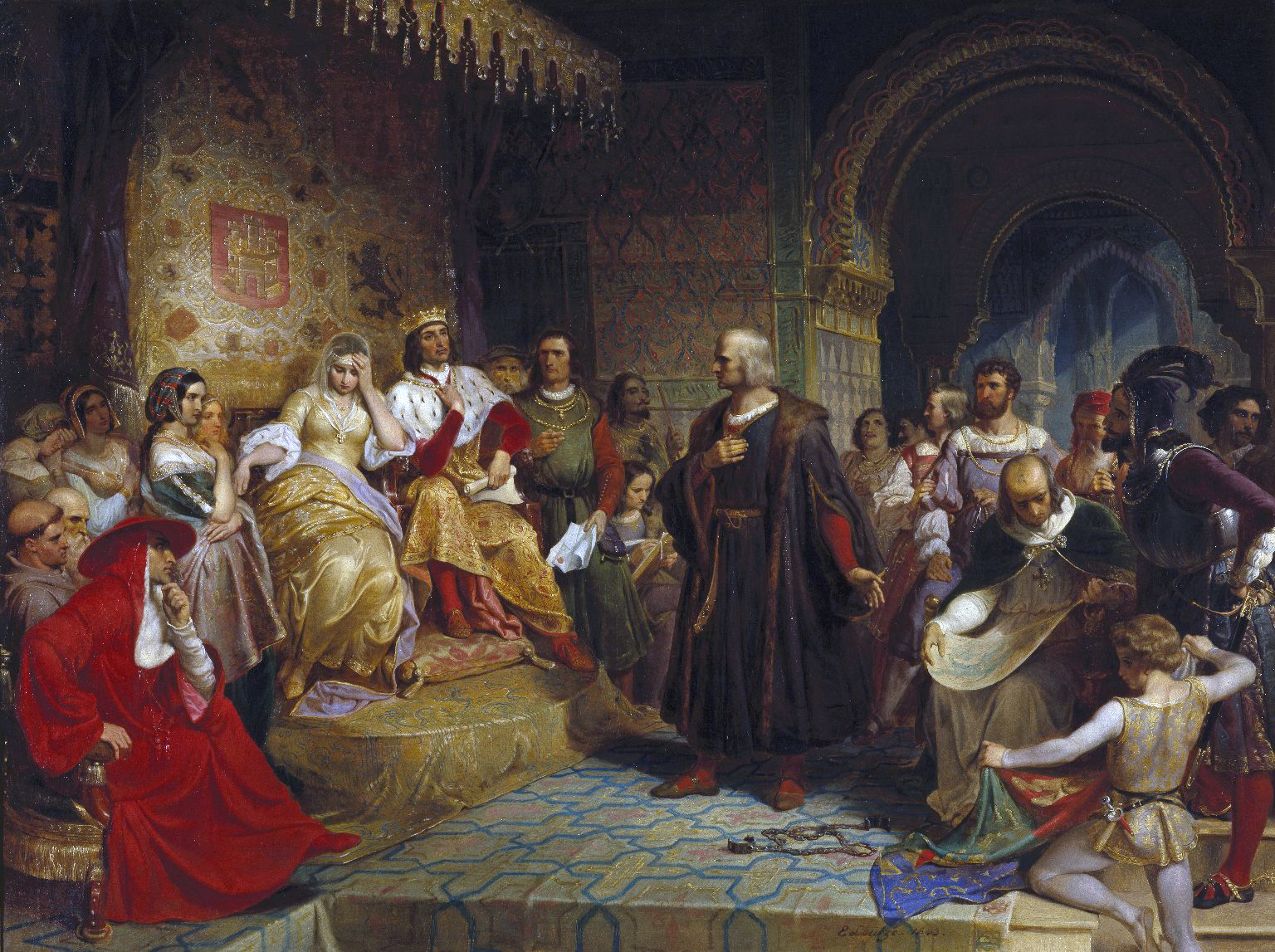
Columbus Before the Queen
Leutze, 1843. Columbus before royalty; overseas expansion.

Royal Pantheon of San Isidoro, León
Romanesque royal tombs, 11-12th century, Painted vaults; biblical scenes and agricultural calendar.

Annunciation to the Shepherds / Angelus Pastores, Isidoro Pantheon
Romanesque fresco, 12th century. Angel, shepherds, animals; bold outlines and simplified figures.

Christ in Majesty (St. John's Apocalypse Pantocrater) at the Royal Pantheon of San Isidoro
Romanesque fresco. 11th century. Frontal Christ, mandorla, Christ and the Apostles, signs of the Zodiac and a pictorial calendar depicting agricultural activities related to each month; divine authority.

Apse of Sant Climent de Taüll
Master of Taüll, c.1123; Romanesque. Frontal Christ, mandorla, bold colors.

Apse of Santa Maria d'Àneu
Romanesque apse. Depicts Mary, angels, strong outlines

Altar Frontal from Durro
12th-century Romanesque panel. Martyrdom scenes, flattened figures, strong outlines.

Batlló Majesty / Majestat Batlló
12th-century Romanesque crucifix. Clothed, upright Christ; triumph over death.

Altar Frontal from Avià
c.1200; Romanesque panel. Enthroned Virgin, infancy scenes, Byzantine modeling.

Esquius Altar Frontal
12th-century Romanesque panel. Central Christ, mandorla, symmetrical apostles.

Adoration of the Magi capital, Santa María de Piasca
Romanesque capital. Magi narrative adapted to architectural support. 3 wise men.

Santa María Magdalena, Zamora
12th-century Romanesque. Massive walls, semicircular apse, recessed decorated door with polylobed arches and archivolts.

Santa Maria de Ripoll
12th-century Romanesque. illustration of Christian victory, biblical scenes

San Pedro de Cervatos
Romanesque church. Round arches and semicircular apse

Santiago de Compostela Cathedral
1075-1211; Romanesque pilgrimage cathedral. Latin cross, ambulatory, sculpted portal.

Pórtico de la Gloria, Santiago de Compostela.
Master Mateo (1168-1188), marks both the culmination and the end of Romanesque sculpture

San Nicolás de los Servitas, Madrid
Romanesque Mudéjar brick tower. Blind arches, Islamic-derived craftsmanship.

Atalaya de la Corte / tower of San Salvador, Madrid
Romanesque Madrid tower. Demolition photographed in 1868.

San Pedro el Viejo, Madrid
Medieval Romanesque Mudéjar brick tower; later church alterations.

San Andrés, Madrid
Romanesque foundation; surviving ornate chapel and dome reflect rebuilding.

San Jerónimo el Real, Madrid
Late Gothic royal church. Pointed openings, buttresses, verticality.

Ávila Cathedral
12th-century early Gothic. Fortified mass; Romanesque-Gothic transition.

Tarragona Cathedral / Cathedral of Santa Tecla
Romanesque-Gothic transition. Massive walls, pointed portal, rose window.

Seu Vella, Lleida
Pere de Coma; 13th century, transitional cathedral. Monumental portals, rose windows.

Pont del Bisbe, Barcelona
Rubió, 1928; Neo-Gothic bridge. Pointed arches, elaborate tracery.

Barcelona Cathedral
Begun 1298; Gothic interior, later Neo-Gothic façade.

Santa Maria del Pi, Barcelona
Catalan Gothic. Broad single nave, restrained ornament, monumental rose window.

Santa Maria del Mar, Barcelona
Montagut; Catalan Gothic. Slender octagonal piers, unified open space.

Altar frontal with Christ in Majesty and four apostles, Sant Climent de Gréixer
c.1300; early Gothic. Central Christ, apostles, hierarchical scale.

Annunciation, Nativity, Dormition and Coronation of the Virgin, Museu Nacional d'Art de Catalunya in Barcelona
c.1295; early Gothic. Four compartments narrate Mary's life.
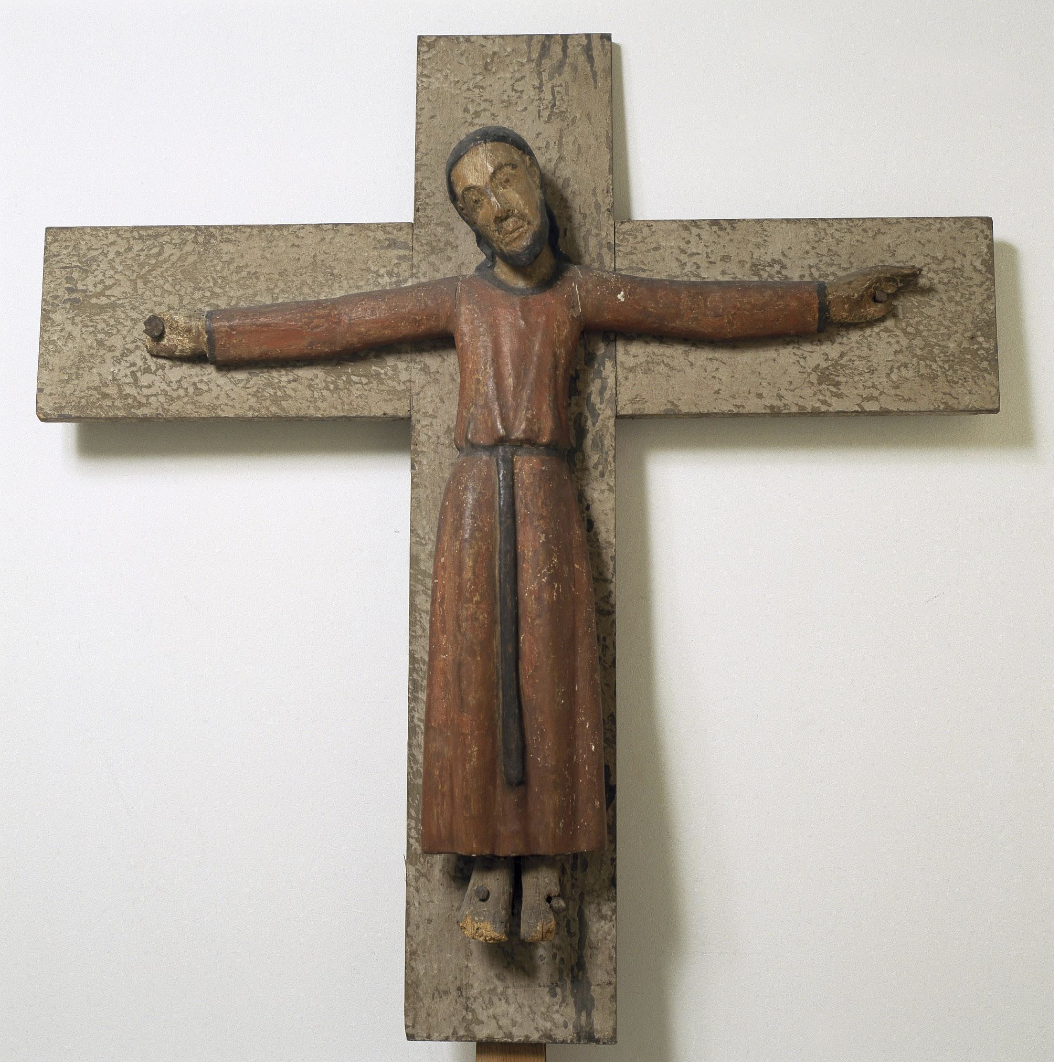
Majesty of All
13th-century painted wooden crucifix. Frontal Christ; sacred authority.
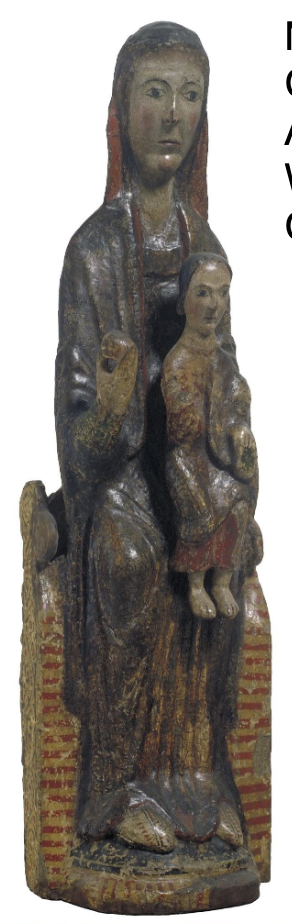
Madonna and Child, anonymous wooden sculpture
13th-century wooden sculpture. Frontal Virgin and Child; sacred hierarchy.
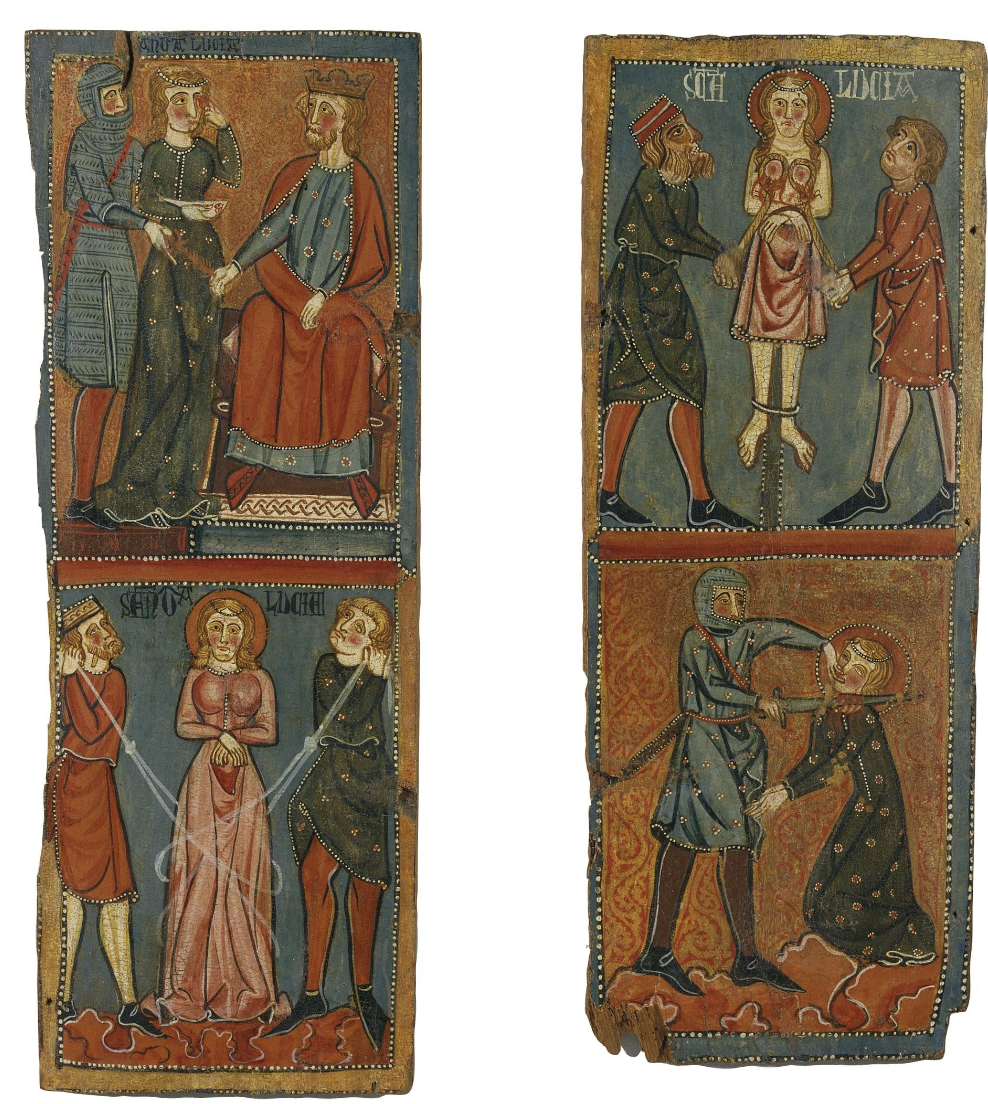
Panels with scenes of the Martyrdom of Saint Lucy
c.1300; Gothic panels. Martyrdom episodes, bold outlines, religious instruction.

Panel of Saint Ursula
c.1300; early Gothic. Central Ursula surrounded by narrative scenes.

Saint Ursula and the Eleven Thousand Virgins
Reixac, 1468; Gothic. Gilded setting, richly dressed virgin martyrs.

Toledo Cathedral
Begun 1226-1227; Gothic. Multiple aisles, ribbed vaults, double ambulatory.

Burgos Cathedral
Begun 1221; Gothic. Verticality, rose window, later spires.
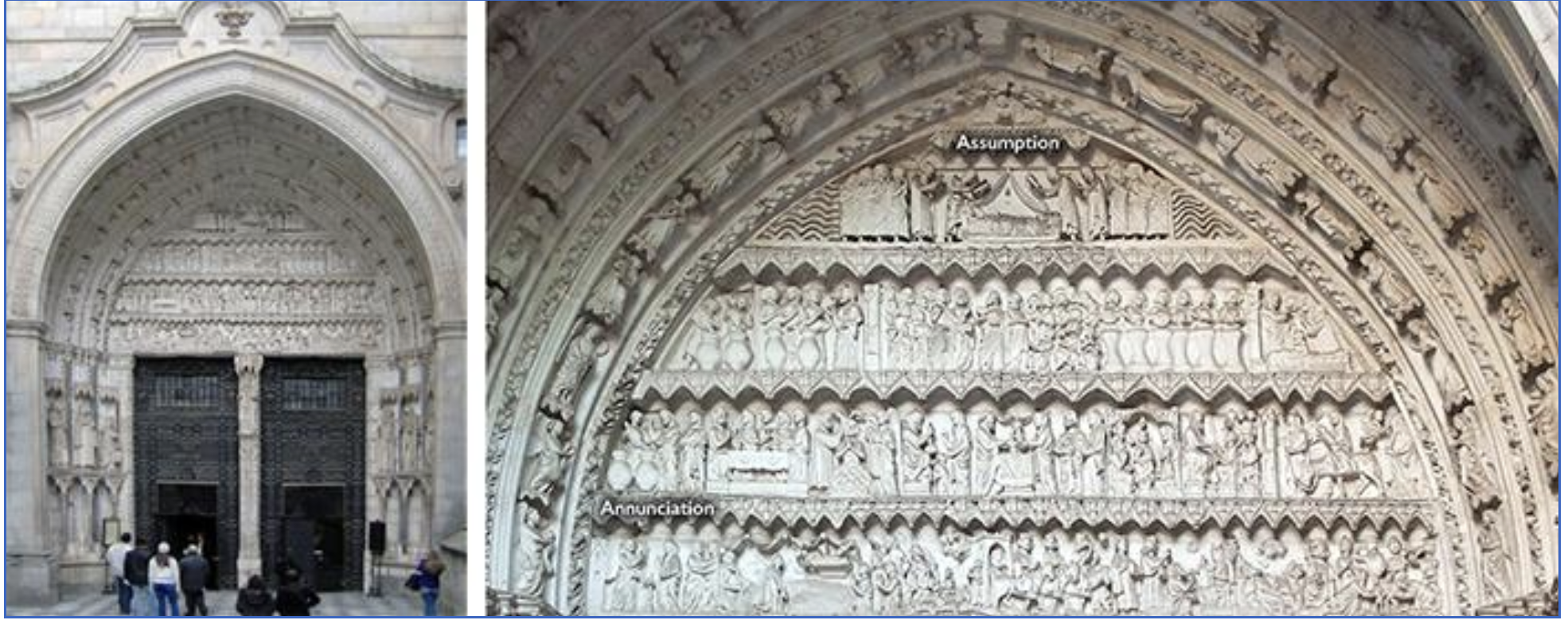
Door of the Clock, Toledo Cathedral
Oldest Gothic door of the Toledo Cathedral, features the Virgin Mary holding the Christ Child.
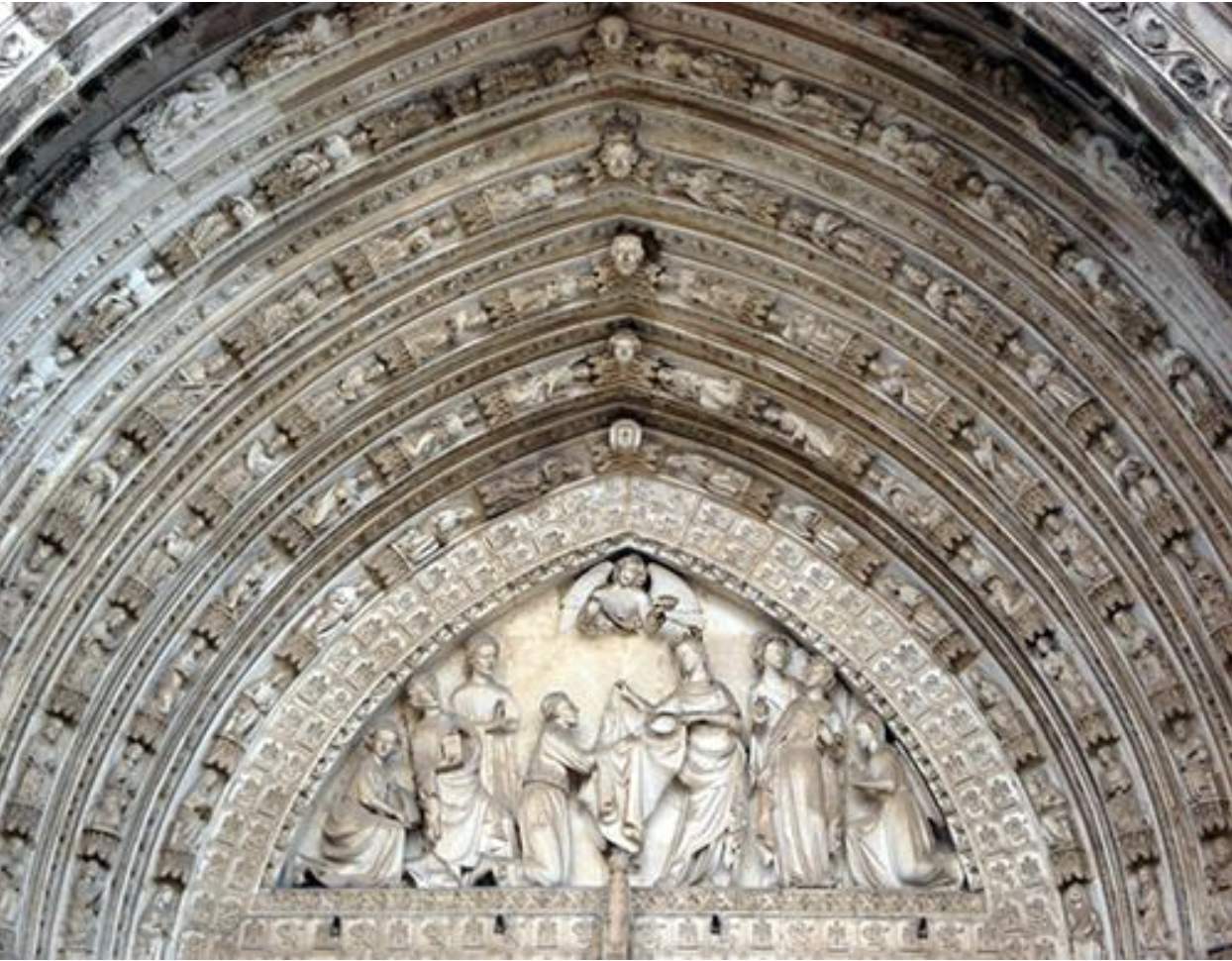
Door of Forgiveness, Toledo Cathedral
Early-to-mid 14th century, Gothic style, tympanum depicts Virgin Mary bestowing a chasuble upon Saint Ildefonso

León Cathedral
13th-century Gothic. Skeletal supports, extensive stained glass, luminous interior.

Alcázar of Segovia
Fortified gothic royal palace. Elevated site, massive tower, projecting turrets.
Features of Spanish Gothic architecture
ornamented choir enclosure, stained glass, buttresses, ribbed vaulting, central naves

Altarpiece of the Lives of the Virgin and Saint Francis
Nicolás Francés, 1445-1460; International Gothic. Gold, tracery, devotional narratives.

Altarpiece of the Holy Cross / Retablo de la Santa Cruz
Alcanyís; Valencian Gothic. Holy Cross narratives, ornate panel framework.

Madonna and Child on a Throne, Gonçal Peris
1410-1420; Valencian Gothic. Enthroned Virgin, gold, elegant contours.

Valencia Cathedral
Gothic core; pointed portals, tracery, later architectural additions.

Seville Cathedral
Late Gothic cathedral. Vast ribbed interior; Giralda preserves Islamic origins.

The Virgin of the Catholic Monarchs
1491-1493; late gothic (Hispano-Flemish). Kneeling king Ferdinand and Queen Isabella; devotion legitimizes royalty.

Portrait of Alexander VI, Pedro Berruguete
1492-1503, Early Renaissance, red clothing, gold background; ecclesiastical authority (and psychological representation of Pope Alexander)

Annunciation, Pedro Berruguete
1505, Gothic-Renaissance transition. Receding interior, modeled figures, rich ornament.

Resurrection, Pedro Berruguete
c.1490. Risen Christ, tomb, guards; victory over death.

Madonna and Child, Pedro Berruguete
c.1480-1500. Modeled faces, detailed fabrics, maternal intimacy.

Madonna of the Milk, Pedro Berruguete
c.1500. Nursing Virgin; Incarnation and Christ's humanity.

Adoration of the Magi Triptych, Hieronymus Bosch
Bosch, c.1494; Netherlandish. Magi, ruined shelter, donor wings.

The Haywain / The Hay Cart
Bosch; Netherlandish triptych. Hay wagon, greedy crowds; worldly temptation.

The Garden of Earthly Delights
Bosch, 1490-1500. Eden, earthly pleasure, Hell; sin's consequences.

Isabella I of Castile, Juan de Flandes
Represents Spanish political ambition, marking the cultural and economic rise of the Spanish Empire. White headdress, restrained royal naturalism.
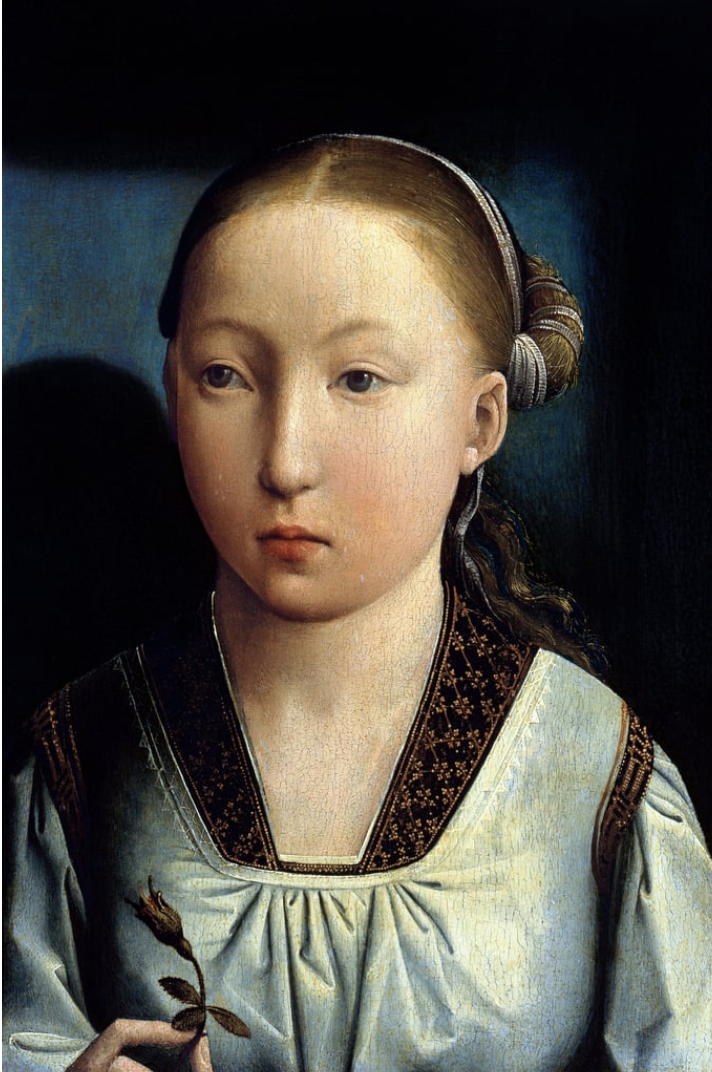
Portrait of an Infanta, Catherine of Aragon (?)
Juan de Flandes, c.1496.

Portrait of Joanna I of Castile
Juan de Flandes. Modeled face, dynastic portraiture.

Portrait of Philip I / Philip the Handsome
Juan de Flandes. Habsburg succession.
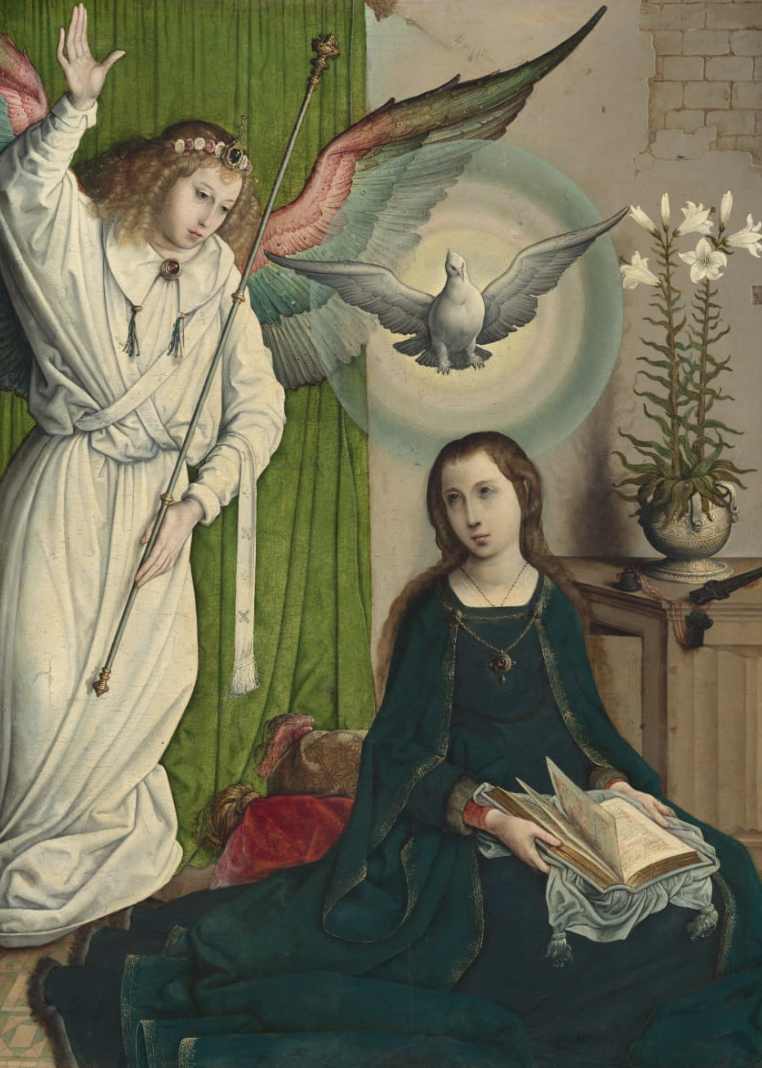
Annunciation, Juan de Flandes
Netherlandish naturalism. Gabriel, dove, lilies, precise interior.


Raising of Lazarus / Resurrection of Lazarus
Juan de Flandes. Lazarus emerges; spatial depth, varied reactions.

Salome, Juan de Flandes
Detailed interior, Baptist's head, narrative gestures; martyrdom.
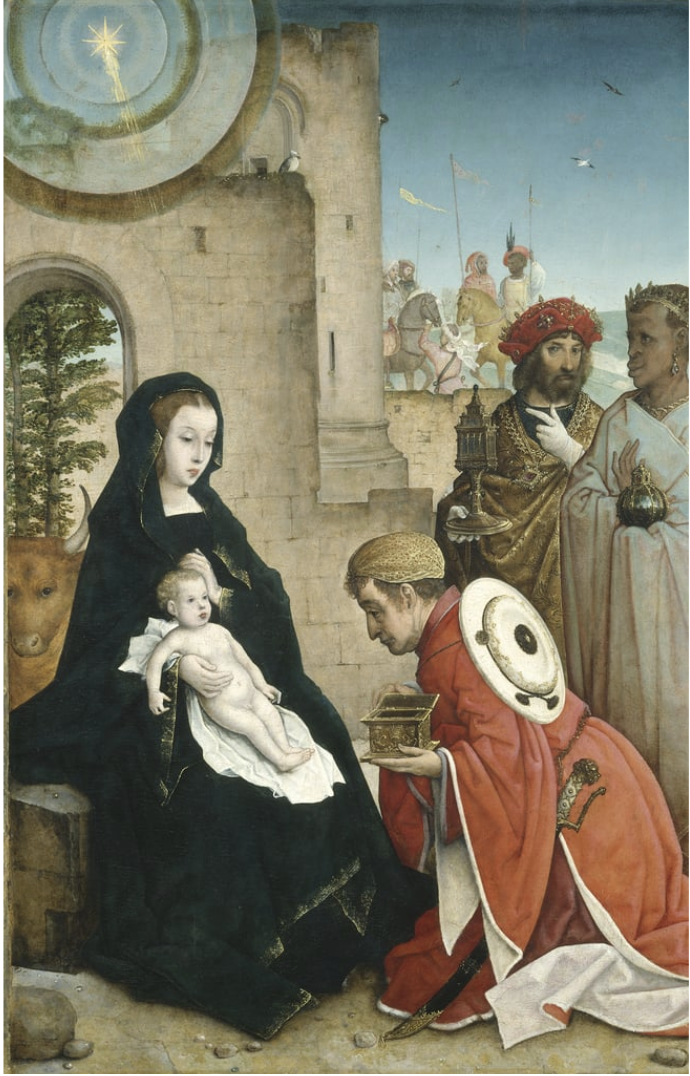
Adoration of the Magi, Juan de Flandes
Detailed robes, individualized faces, architectural depth; Netherlandish naturalism.

Salome, Alonso Berruguete
c.1514. Isolated Salome, severed head, uneasy pose; psychological tension.

Saint Sebastian, Alonso Berruguete
1526-1532, Mannerist wooden sculpture. Twisting martyr, elongated limbs, painted surfaces.

Sacrifice of Isaac, Alonso Berruguete
1526-1532, Mannerist sculpture. Abraham and Isaac; twisting bodies, emotional urgency.

Ecce Homo, Alonso Berruguete
1526, Painted devotional sculpture. Humiliated Christ; vulnerability invites compassion.
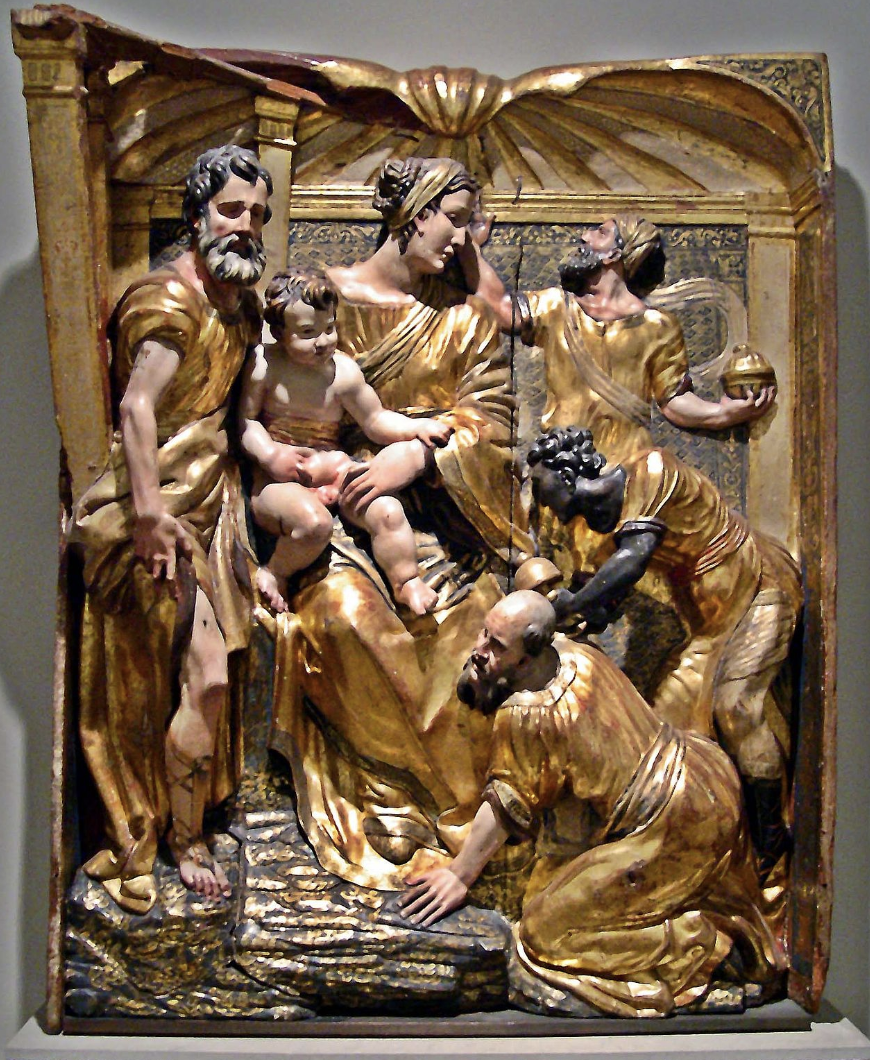
Adoration of the Magi relief, Alonso Berruguete
1526-1532, Gilded relief. Crowded figures, twisting bodies, energetic drapery.

Plateresque
roughly 1480 to 1560, Late Gothic/Early Renaissance Spain, richly ornamented, little regard for structural articulation, twisted columns, heraldic escutcheons, and sinuous scrolls

Self-Portrait at the Easel, Sofonisba Anguissola
1556; Renaissance. Artist painting Madonna; professional skill and respectability.

The Chess Game
Anguissola, 1555. Sisters playing chess; intelligence, education, family intimacy.

Bust-Length Self-Portrait, Sofonisba Anguissola
c. 1558, Renaissance self-portrait. Restrained dress, direct gaze; cultivated identity.

Elisabeth of Valois, Sofonisba Anguissola
c.1561–1565. Court portrait. Elaborate dress, jewels, composure; royal dignity.

Philip II, Sofonisba Anguissola
1565/1573. Dark dress, controlled pose; restrained Habsburg authority.

Boy Blowing on an Ember to Light a Candle
El Greco, c.1571-1572. Ember-lit face; dramatic light models volume.

The Nobleman with his Hand on his Chest
El Greco, c.1580; Mannerism. Black dress, elongated hand, dignity.

Laocoön, El Greco
c.1610; Mannerism. Elongated nudes, serpents, Toledo; visionary classical tragedy.

Saint Sebastian, El Greco (two versions)
c. 1610 - 1614. Mannerism. Arrow-pierced martyr, upward gaze, elongated anatomy; spiritual endurance.

The Burial of the Count of Orgaz
El Greco, 1586-1588. Earthly burial, visionary heaven; intercession and salvation.

Christ, Toledo apostle series
El Greco; c.1610-14, Mannerism. Blessing Christ, luminous drapery; spiritual authority.

Opening of the Fifth Seal / Vision of Saint John
El Greco; 1608-14, Mannerism. Raised arms, elongated martyrs; apocalyptic vision.

Annunciation, El Greco
c.1609, Mannerism. Mary, Gabriel, supernatural light; elongated forms, turbulent space.

Adoration of the Shepherds, El Greco
El Greco, 1612-1614. Radiant infant, elongated worshipers; Incarnation.

Saint Francis of Assisi, El Greco
c.1580; Mannerism. Rough habit, elongated form; humility and devotion.

Saint George and the Dragon
Rubens, 1605-1607; Baroque. Muscular movement, diagonals; victory over evil.

ancient Laocoön and His Sons
Ancient marble, rediscovered 1506. Serpents, twisting bodies, dramatic suffering.

The Creation of Adam
Michelangelo; c.1508-12, Renaissance fresco. Nearly touching hands, idealized human anatomy.

The Last Judgment
Michelangelo, 1536-1541. Judging Christ, turbulent muscular bodies; spiritual tension.

The School of Athens
Raphael, c.1509-1511. Philosophers, balanced classical architecture; humanism.

The Birth of Venus
1484-86, Botticelli; Renaissance. Venus on shell; mythology and idealized beauty.

Vitruvian Man
Leonardo, c.1490. Body within circle and square; classical proportion.