CHEM LAB (MANUAL)
 Call Kai
 Learn
 Practice Test
 Spaced Repetition
 Match
 Flashcards
 Knowt Play
1/67

Earn XP
Description and Tags
MIDTERM EXAM
68 Terms
LABORATORY EXPERIMENTS
Read and understand the procedure of the day’s experiment.
Research ahead and make an outline of the procedure for better performance.
Inspect immediately of the glass wares and other apparatus released are complete.
Check also if they have defects and cracks before leaving and dispensing
Before coming to the laboratory
LABORATORY EXPERIMENTS
After performing a portion of experiment, record your observations briefly. Do not throw away any result of reaction; prove to your instructor that you have performed the experiment. If you throw away the results before your instructor could see them, you will be asked to repeat the experiment. After you have finished performing all the procedures for the period, wait for the instructor to ask you questions about the experiment. Clean your apparatus and return them to the counter. Clean your portion of the laboratory table.
During the laboratory period
GENERAL RULES IN THE LABORATORY
SAFETY
Doing safety is not the right way to work - it is the only way. Safety is the priority; lab gown should be worn by everybody upon entering the chemistry laboratory. Always wear personal protective equipment. Tie back long hair. Avoid accidents by doing your work carefully. If an accident occurs, report it to the instructor immediately no matter how minor if may be. Spilled liquids should be washed off with plenty of water before doing anything else.
GENERAL RULES IN THE LABORATORY
RESPONSIBILITIES FOR EQUIPMENT
You are responsible for all the equipment in your working tables. Work on the laboratory apparatus and materials. Apparatus borrowed should be cleaned and returned before leaving. Breakages and losses should be replaced immediately.
GENERAL RULES IN THE LABORATORY
DISPOSAL OF CHEMICAL MATERIALS
All chemical waste materials must follow the proper classification and segregation according to the Philippine Regulations issued by the EMB-DENR and EPA. Chemical waste classification should be based on GHS. Toxic substance if any should be disposed properly as instructed by the laboratory instructor.
GENERAL RULES IN THE LABORATORY
CLEANLINESS
You are expected to keep your working tables apparatus clean. The working tables should be cleaned at the end of every laboratory period. Wash your hands thoroughly with soap or detergent before you leave the laboratory.
GENERAL RULES IN THE LABORATORY
STUDY THE EXPERIMENTAL WORK
Read and understand the laboratory exercises before coming to the laboratory class. Write down the chemical reactions involved and balanced chemical equation. Always bring your textbook and consult it for information beyond your own understanding. Get help from your instructor and textbook rather than your neighbour.
GENERAL RULES IN THE LABORATORY
LABORATORY NOTES
The habit of recording researched topic, outlined procedure of lab activities, important facts and temporary observations, raw data and results as laboratory work proceed will allow a review of experimental progress; use the blank pages of your manual for this purpose.
SAFETY IN THE LABORATORY
Accidents often result from:
an indifferent attitude
failure to use common sense
failure to follow instructions
GUIDE TO CHEMICAL HAZARDS
-are poisonous have carcinogenic, teratogenic or mutagenic effect on human and other organism
TOXIC SUBSTANCE
GUIDE TO CHEMICAL HAZARDS
-can create fire under certain conditions
FLAMMABLE SUBSTANCE
GUID TO CHEMICAL HAZARDS
-are acidic or basic and are capable of corroding metals.
CORROSIVE SUBSTANCE
GUIDE TO CHEMICAL HAZARDS
REACTIVE SUBSTANCE
-are unstable under normal conditions and readily undergo violent changes without detonating; reacts violently with water
WATER
The most dangerous single chemical known
TOXIC CHEMICALS CAN ENTER THE BODY BY
INHALATION
-through respiratory tract by breathing
TOXIC CHEMICALS CAN ENTER THE BODY BY
INTEGRATION
-through the digestive tract
TOXIC CHEMIXALS CAN ENTER THE BODY BY:
-through the body openings such as the ears or eyeball socket through cuts in the skin.
ABSORPTION
TOXIC CHEMICALS CAN ENTER THE BODY BY
-_______of a toxic substance through a cut made in the skin by a sharp contaminated object.
INJECTION
CAS stands for
Chemical Abstracts Service
DANGER
signifies that the hazards can cause serious injury
WARNING
signifies that the hazards can cause less than serious injuries
CAUTION
warn users to be careful when using, handling or storing the chemical

Identify the image attached
EMERGENCY SHOWER

Identify the image attached
EYEWASH FOUNTAINS

Identify the image attached
FIRST AID BOXES

Identify the image attached
FIRE EXTINGUISHERS

identify the image attached
FIRE BLANKET
GHS (GLOBALLY HARMONIZED SYSTEM)
its goals are harmonized criteria for the classification for physical, health, and ecological hazards; harmonized communication with regard to hazardous substance, labelling, material safety data sheets
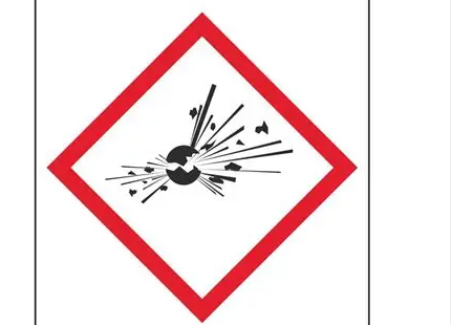
identify the image attached
EXPLOSIVE

identify the image attached
FLAMMABLE

identify the image attached
OXIDIZER

identify the image attached
LIQUIFIED GAS / COMPRESSED

identify the image attached
CORROSIVE FOR METALS

identify the image attached
TOXIC

identify the image attached
IRRITANT / ACUTE TOXICITY
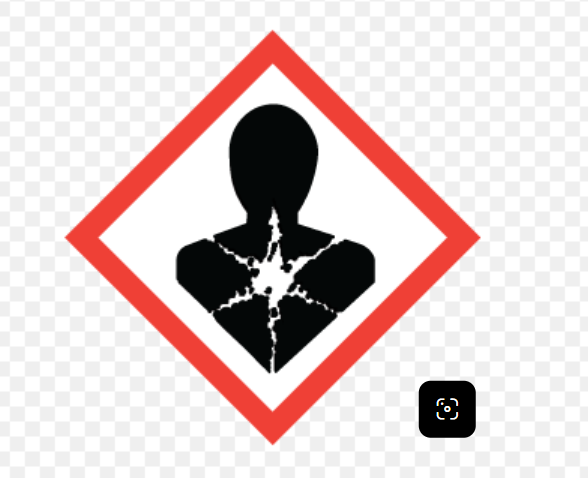
identify the image attached
RESPIRATORY SENSITIZATION

identify the image attached
ENVIRONMENTAL HAZARD
FUME HOOD
a ventilated enclosure that protects you from being exposed to chemical fumes, gases and aerosols
FIRE THEORY
Remove one, you have no fire (Oxygen, energy, and flammable material)
FIRE SOURCE
Fire, flames, smoldering materials, hot surfaces, mechanically generated materials, static electricity and Electrically generated sparks.
CLASSES OF FIRE
CLASS A
fires that involve solid materials like paper, wood or textiles
CLASSES OF FIRE
CLASS B
involve liquids, like oils, petrol or diesel
CLASSES OF FIRE
CLASS C
involve flammable gases, such as propane, butane or methane
CLASSES OF FIRE
CLASS D
involves metals like aluminum, magnesium, or titanium or swarf
CLASSES OF FIRE
CLASS E
involve live electrical equipment, like computers or phone chargers
CLASSES OF FIRE
CLASS F
involve cooking oils and fats, such as in deep-fat fryers
FIRE SAFETY
EVACUATION PROCEDURES
Go out, Help the handicapped, don’t panic, go to ground level, go to assembly point and don’t return to building unless its safety
FIRE SAFETY
EMERGENCY EXITS
The sign must be visible and clear. Show the way to the closest exits.
FIRE SAFETY
EMERGENCY CALLS
Give the order of information: Where, what is your name, what happened and how many injured
SOURCE OF DANGER
PHYSICALLY DANGEROUS
Laboratory equipment, apparatus, workspaces and maintenance should be designed to facilitate safe and secure work as well as reduce risk and accidents
SOURCES OF DANGER
BIOLOGICALLY DANGEROUS
Laboratories that house microorganisms or materials contaminated are usually present in clinical and infectious disease with them
SOURCES OF DANGER
CHEMICALLY DANGEROUS
No chemical substance is entirely safe, and all will result in some toxic effects if living systems are exposed to a large amount of substance.
SOURCES OF DANGER
HAZARD PEOPLE
People who are stressed, bored, tired, taking medication or has health problems, poorly supervise, got wrong instructions or has poor training.

a deep wide mouthed with a pouring lip used for measuring large quantity of liquid
BEAKER
Source of heat
BUNSEN BURNER

a device used to measure liquids and dispense it drop by drop
BURET

used to hold glass ware such as funnel or the wire gauze and container with liquid to be heated
IRON RING

A long iron tube with an iron base used to support the set up for heating such as distillation
IRON/RING STAND

a thin glass tube used to measure small volume of liquids
PIPETTE

a device made of iron with three legs, used with wire gauze for supporting glass vessels when being heated
TRIPOD
PARTS OF BUNSEN BURNER
BASE
A wide heavy metal stand at the bottom that provides stability
PARTS OF BUNSEN BURNER
BARREL
A vertical metal tube where the gas mixes with air and travels upward
PARTS OF BUNSEN BURNER
COLLAR
A movable ring around the base of the barrel that you twist to open or close the air holes
PARTS OF BUNSEN BURNER
GAS INLET
A small metal jet or side branch connected to a rubber hose that delivers fuel
PARTS OF BUNSEN BURNER
GAS VALVE
A small knob or screw at the base that adjust the volume of gas flowing
PARTS OF BUNSEN BURNER
AIR INLET
Opening in the side of the barrel that allow oxygen from the outside air to enter
what type of flame should be used in the laboratory if you are asked to perform heating?
NON-LUMINUOS FLAME
CHEMICAL NAME FOR SOOT
NO SINGLE IUPAC CHEMICAL NAME, CAN ALSO BE CALLED BLACK CARBON