MCB 493 – Quiz 3 Notes
 Call Kai
 Learn
 Practice Test
 Spaced Repetition
 Match
 Flashcards
 Knowt Play
1/26

Earn XP
Description and Tags
staphylococcal phage diversity | transduction | red queen / evolutionary arms race hypothesis
27 Terms
what do staphylococcus phages infect?
mostly S. aureus; some S. epidermidis
what is the classification scheme of staph phages based on?
total gene and protein content
what are the categories of staph phages?
A: podovirus (40% unknown gene functions)
B: siphovirus
C: myovirus
D: siphovirus
SPβ-like: siphovirus (70% unknown gene functions)
what do category B siphoviruses have?
integrases + up to 5 virulence factors
SPβ-like siphoviruses also have virulence factors
how many prophages can staph strains carry?
up to 4
what happens when a prophage integrates into a genome?
either
negative lysogenic conversion: phage interrupts a virulence gene and causes the bacterium to be less pathogenic
or
positive lysogenic conversion: phage gives a virulence factor to the host
do myo- and podo- viruses have integrases and/or virulence factors?
no, they have none
what are myo- and podo- viruses used for?
they are powerful anti-staph agents
they are currently being clinically-tested to treat S. aureus infections
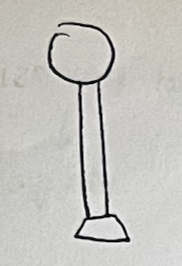
myovirus
long, contractile tail
large (~140k genome length)
strictly lytic
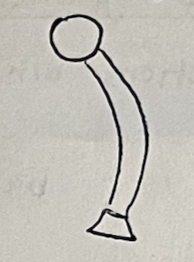
siphovirus
long, non-contractile tail
medium (~40k-45k genome length)
temperate
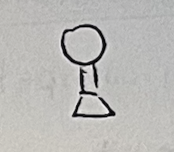
podovirus
short, contractile tail
tiny (<20k genome length)
strictly lytic
types of transduction
generalized
specialized
lateral
SaPI-mediated
where are pac sites located and what do they do?
they are located in the phage genome
they initiate packaging into capsids
where are pseudo-pac sites located and what do they do?
they are located in the bacterial chromosome
they can be packaged into capsids by mistake
lateral transduction
when the pghage begins replication before exiting the genome
results in packaging of long stretches of bacterial DNA
occurs ~1000x more efficiently than generalized transduction
SaPIs
Staphylococcus aureus pathogenicity islands
~15,000-18,000 nt in length
encode a variety of virulence factors
have their own pac sites
require helper phages
red queen / evolutionary arms race hypothesis
hosts (bacteria) and parasites (phages) must co-evolve and continually adapt to each other in order to survive
what are the four evolved mechanisms of bacteria?
adsorption blocking mechanisms
innate immunity via restriction-modification and similar systems
adaptive immunity via CRISPR-Cas systems
abortive infection (Abi)
what are the different types of adsorption blocking mechanisms? how do phages overcome these?
altering, disguising, and modifying receptors → phages can acquire mutations that allow for recognition of these modified receptors
masking receptors → phages can produce enzymes that degrade the extracellular matrix covering the receptor
releasing outer-membrane vesicles (OMVs) → phages can hitch rides on OMVs to other cells
how do restriction-modification (RM) systems work? how do phages overcome these?
restriction endonuclease (RE) can recognize and cut specific DNA sequences
methyltransferases (MT) can add methyl groups to bacterial DNA → unmethylated phage DNA gets cut; methylated bacterial chromosomes is safe
phages can:
incorporate unusual bases in their genome → prevents recognition by RE
produce DNA-binding proteins → masks RE cut site
stimulate MT to methylate their own DNA
produce proteins that mimic DNA that bind and inhibits RE
what are the three different types of RM-like systems?
pgl (phage-growth limitation): phage genomes are modified after infecting their first host → the next host recognizes and destroys the modified phage
BREX (bacteriophage exclusion): blocks phage replication through unknown mechanisms
DISARM (defense-island associated with restriction-modification): unclear mechanism
what are the three stages of CRISPR-Cas systems?
adaptation
expression and maturation
interference
what are the two classes of CRISPR-Cas systems?
I: multi-subunit effector complex
II: single subunit effector complex
what are the 6 types of CRISPR-Cas systems and their functions?
I, II, IV, V: cut DNA
VI: cut RNA
III: cut both RNA and DNA
how have phage evolved to overcome CRISPR-Cas systems?
acquire point mutations or deletions in the target region (protospacer)
modify their DNA
carry anti-CRISPR proteins
replicate within a nucleus-like structure
what are prophage-encoded defense systems? provide an example.
prophages can encode immune systems that prevent other phages from infecting the same host
eg: RexAB system in E. coli phage λ causes Abi (abortive infection) when it sense phage T4
RexAB recognizes T4 protein, activates RexB, which forms a membrane channel that causes ATP leakage and cell death
what are morons?
the non-essential genes in prophage genomes that add more function onto the phage
eg: the genes for prophage-encoded defense systems