Exercise 1,2,3 A&P lab
 Call Kai
 Learn
 Practice Test
 Spaced Repetition
 Match
 Flashcards
 Knowt Play
1/166

There's no tags or description
Looks like no tags are added yet.
167 Terms
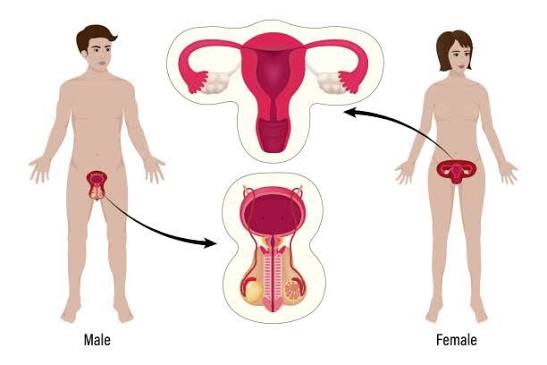
Identify this organ system and explain.
Reproductive system. A system that transports sex-cells and develops the fetus. Contains gonads (ovaries and testes), accessory organs (uterus, vagina, penis, seminal vesicles).
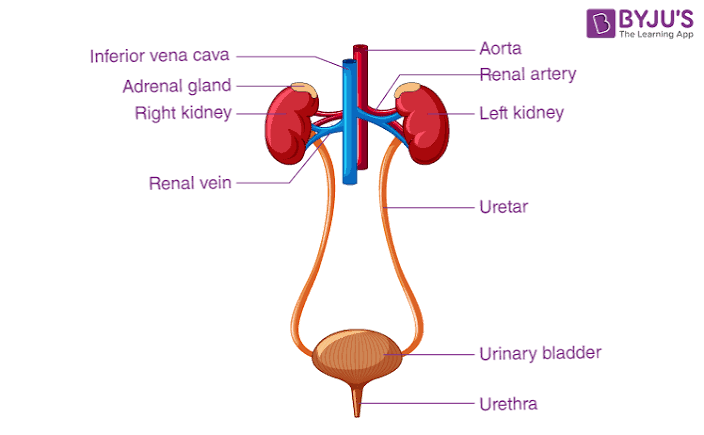
Identify this organ system and explain.
Urinary System. A system that filters, stores, and excrete. Rids the body of nitrogenous waster, adjusting the chemical balance of body fluids, and maintaining blood volume.

Identify this organ system and explain.
Nervous System. A system that coordinates body regions, interprets environmental questions, and integrates information. Main goal communication.

Identify this organ system and explain.
Muscular System. A system built for movement and stabilization. Which strengthens joints, generates heat, abdominal compression.

Identify this organ system and explain.
Respiratory System. A system that exchanges gases between blood and air. Allows us to breath.

Identify this organ system and explain.
Skeletal System. A system that supports body, protects organs, and produces blood

Identify this organ system and explain.
Lymphatic System. A systems that protects the body from foreign particles (bacteria, viruses, and fungi). Organs: lymph nodes, spleen, thymus, and tonsils.
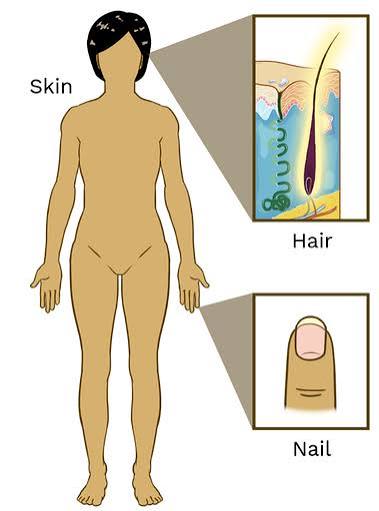
Identify this organ system and explain.
Integumentary System. A system that protects the body from microorganisms, dry outs, produces vitamin D. Also the largest organ in the body.
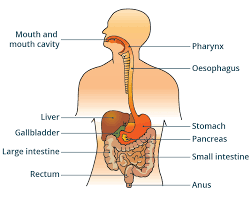
Identify this organ system and explain.
Digestive System. A system which provides nutrients and water to the body while also removing waste.

Identify this organ system and explain.
Endocrine System. A system which produces hormones, secretes, regulate growth and internal conditions.
Identify this organ system and explain.
Circulatory System. A system which pumps and delivers blood. Within blood is oxygen, carbon dioxide, and other material.
Superior
Above
Inferior
Below
Medial
Towards midline
Lateral
Towards the side (Away from midline)
Superficial
Towards the surface
Deep
Towards the core
Anterior (ventral)
To the front
Posterior (dorsal)
To the back
Proximal
For extremities, near the trunk
Distal
For extremities, away from the trunk
Transverse Plane
A cut that divides the body/organ into superior and interior parts

What plane is this?
Transverse Plane
Frontal (coronal) Plane
A cut that divides the body into anterior and posterior sectionshatW

What plane is this?
Coronal Plane
Sagittal Plane
A cut that divides the body into left and right
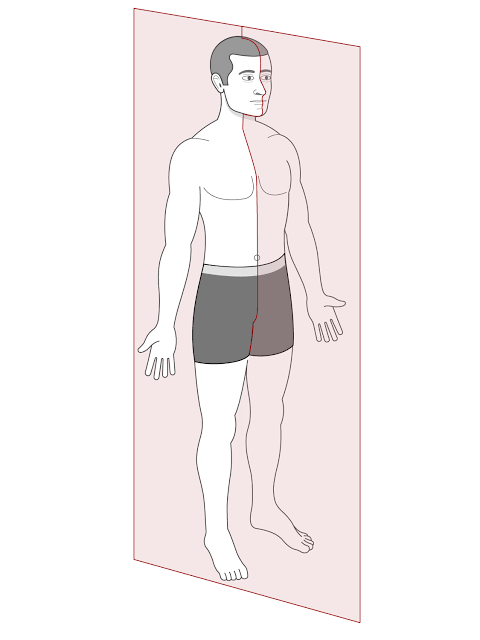
What plane is this?
Sagittal plane
Parasagittal Plane
A cut that divides the body into unequal left and right partshatW
What are body cavities?
Fluid-filled linings that surround internal organs
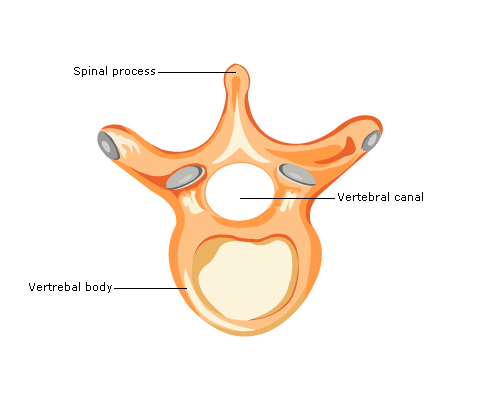
Cranial Cavity and Vertebral Canal
House the brain and encloses spinal cord. Also lined with meninges.

What cavity is this
Cranial Cavity
Thoracic Cavity
Superior to the diaphragm housing lungs and mediastinum.

What cavity is this?
Thoracic Cavity
Mediastinum and pericardial membranes
Located within the thoracic cavity. The mediastinum specifically contains the heart, pericardial membranes, large vessels to heart, trachea, and esophagus. Mediastinum is superior to pericardial membranes.
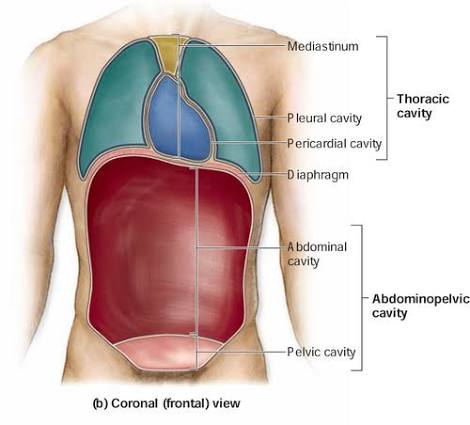
Visceral pleura, Parietal pleura, and Pleura cavity
A membrane closest to the lung

Abdominopelvic Cavity
Houses the abdominal and pelvic cavities. Inferior to the diaphragm. All lined with serous membrane

Serous Fluid
in the abdominopelvic cavities and secrete a lubricating fluid.
How many quadrants are there?
4

What quadrant is A?
Right upper quadrant (RUQ)

What quadrant is B?
Left upper quadrant (LUQ)

What quadrant is C?
Right lower quadrant (RLQ)
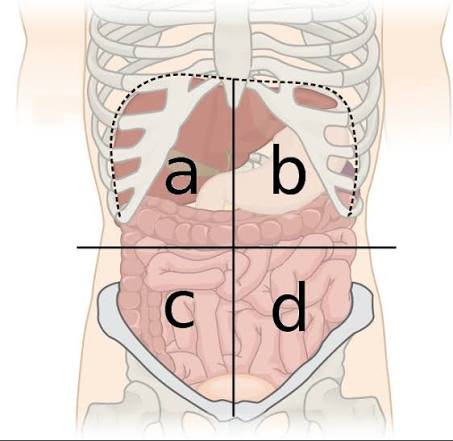
What quadrant is D?
Left lower quadrant (LLQ)
How many abdominal regions are there?
9

What region is 1?
Right hypochondriac

What region is 2?
Epigastric

What region is 3?
Left hypochondriac

What region is 4?
Right lumbar

What region is 5?
Umbilical
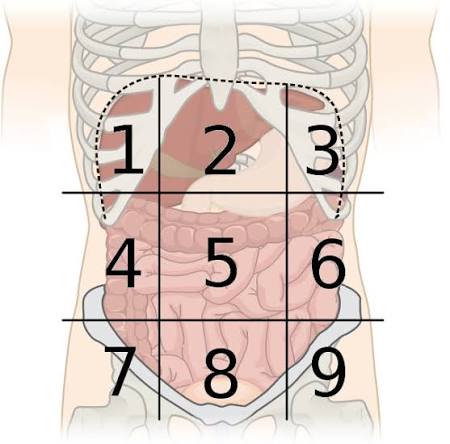
What region is 6?
Left lumbar
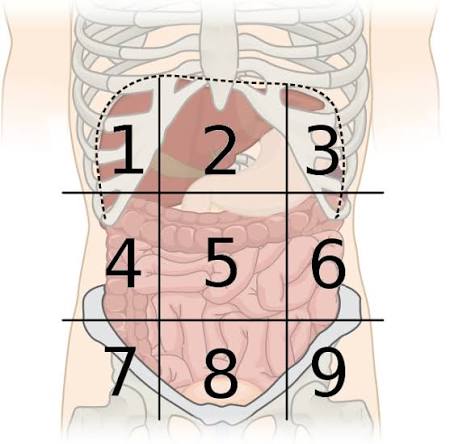
What region is 7?
Right iliac
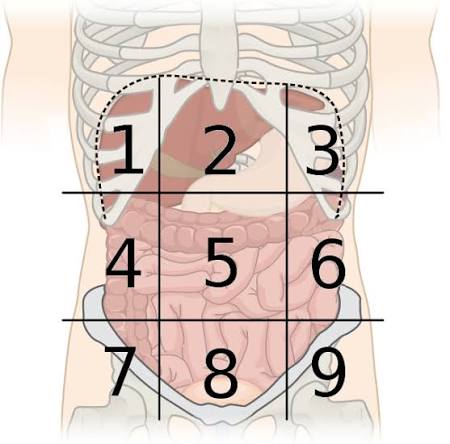
What region is 8?
Hypogastric

What region is 9?
Left iliac
What is the base unit of length in the metric system?
Meter (M)
What is the base unit of volume in the metric system?
Liter (L)
How many cubic centimeters are there in 200 milliliters?
200 cm²
Assume a pill has a dosage of 350mg of medication. How much medication is this in grams?
0.350 grams
How would you write 0.000345 liter in scientific notation?
3.45 × 10^-4 Liters
How many milligrams are there in 4.5 kilograms?`
4,500,000
How much of a meter is 250 millimeters?
0.250 meters
If given length is 1/10,000 of a meter. What is the conversion of this as a decimal?
.0001
If given length is 1/10,000 of a meter. What is the conversion of this in scientific notation?
1 × 10^-4
What is the word to describe one-thousandth of a second?
Millisecond
What is the word to describe one thousand liters?
Kiloliters
What is the word to describe one-hundredth of a meter?
Centimeter
In terms of heart rate and exercise, which one is the dependent variable and which is the independent variable?
Heart rate is dependent and exercise is independent
What is the term Buffer?
Materials that resist change in pH
What is the neutral pH?
seven
Is a pH of 8 more basic or less basic than the pH of 6?
More basic
As a solution becomes more acidic, what happens to the concentration of hydrogen ions?
There are more H+ ions
In which bond are electrons significantly shared between atoms?
Covalent
Which bond - covalent, ionic, or hydrogen - is a weak bond?
Hydrogen
In anatomical terms, referrring to the front and back, the pectorial region is _____ to the scapular region
Anterior
The anatomical position, the palms of the hands are facing ___
Anteriorly
In terms of nearness to the trunk, the ante brachium is ____ to the carpal region.
Proximal
In terms of front to back, the shoulder blades are ______ to the nipples.
Posterior
The stomach is found in what specific cavity?
Abdominal cativy
Pain in the appendix would be felt in what quadrant of the abdomen?
Lower right quadrant
The region of the abdomen directly under the right side of the rib cage is the
Right Hypochondriac Region
if a hairline fracture occurred in the proximal region humerus (arm bone), would the injury be closer to the shoulder or elbow? and explain why?
It is closer to the shoulder due to proximal meaning closer to the center of the body. If it were to say distal it would mean closer to the elbow.
In a clinical report there is a note of a laceration (cut) on the posterior crural region. Where does this occur in a layperson’s terms?
Back of the leg (calf)
Nucleus
Houses genetic information and direct cellular function
Mitochondria
convert stored chemical energy in food molecules to ATP
Ribosome
Produce proteins
Rough endoplasmic reticulum
Produce proteins for transport, and makes some lipids
Smooth endoplasmic reticulum
Produce lipid compounds and detoxifies material
Golgi
Receives materials and assemble and package organelles
Lysosome
Engulf foreign particles, release digestive enzymes, remove bad organelles
Peroxisome
Use an enzyme that converts hydrogen peroxide to water and oxygen
Nuclear envelope
A double membrane. Contains nuclear pores allowing movement of material in or out
Nucleoli
Inside the nucleus. Contains DNA and protein and make rRNA
Vesicles
membrane bound sacs. Digest sub cellular material, transport materials, and carry on enzymatic activities
Microvilli
Extensions of the plasma membrane. Increase surface area and serve a sensory function (digestive and urinary systems)
Cilia and Flagella
Have microtubules covered my plasma membrane. Cilia are shorter. Flagella have additional cytoskeleton filaments and are human sperm cells.
Centromeres
contain centrioles that form microtubules, spindle apparatus, apart of cell division
What are the three events of a cell cycle?
Interphase, mitosis, and cytokinesis
Describe interphase.
When a cell undergoes growth and duplication of DNA to prepare for cell division
What are the three phases of interphase? and describe those phases.
G1 phase: Cells are growing in size and producing organelles
S phase: DNA of the cells are duplicated
G2 phase: cells grow and prepare for mitosis
What do the G and S stand for in a cell cycle?
G stands for gap
S stands for synthesis
How many phases are there in mitosis?
Prophase, metaphase, anaphase, telephase
What is mitosis?
Nuclear division, division of genetic information producing 2 identical nuclei.