BIO 166- Biological Macromolecules (TOPIC 3)
 Call Kai
 Learn
Learn Practice Test
 Spaced Repetition
 Match
Match Flashcards
 Knowt Play
1/57

There's no tags or description
Looks like no tags are added yet.
Name | Mastery | Learn | Test | Matching | Spaced | Call with Kai | Chat |
|---|
No analytics yet
Send a link to your students to track their progress
58 Terms

What are biological macromolecules?
Large molecules that living things need for life.

What are the 4 major biological macromolecules?
Carbohydrates, lipids, proteins, and nucleic acids.
What makes a macromolecule organic?
It contains carbon.
What elements can macromolecules contain?
Carbon, hydrogen, oxygen, nitrogen, and other minor elements.

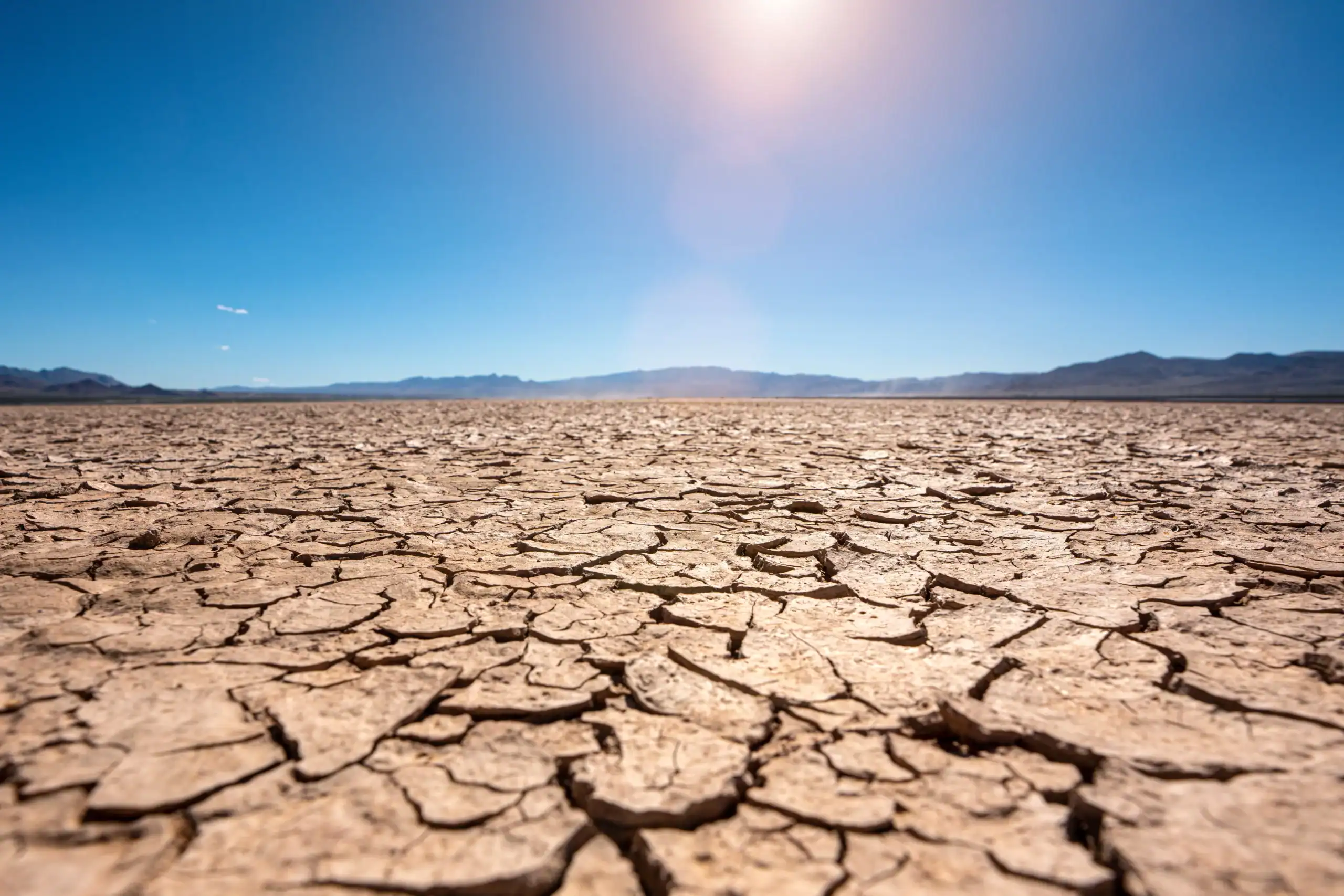
What makes up most of a cell’s complete mass?
Water
What makes up most of a cell’s dry mass?
Biological macromolecules.

What is a monomer?
A small building block used to make larger molecules.

What is a polymer?
A large molecule made by joining monomers together.
What is dehydration synthesis?
When monomers join to make a larger molecule and water is released.
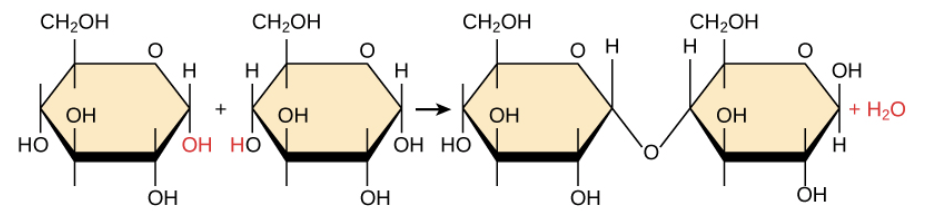

What parts of the monomers form water during dehydration synthesis?
A hydrogen (H) from one monomer and a hydroxyl group (OH) from another combine and water releases.
What type of bond forms between monomers?
Covalent Bond (forms betweemn non-metal atoms)
What are three polymers made from glucose monomers?
Starch, glycogen, and cellulose.
What is hydrolysis?
The process of breaking a polymer into smaller monomers by adding water.

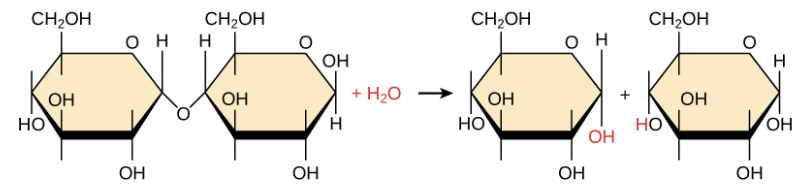
What happens to water during hydrolysis?
The water molecule splits into H⁺ and OH⁻.
What happens to the polymer during hydrolysis?
Its covalent bond breaks and the polymer separates into smaller parts.

What are carbohydrates?
A type of macromolecule that provides energy and has other important functions in humans, animals, and plants.
What are three natural sources of carbohydrates?
Grains, fruits, and vegetables.


What is the main simple sugar that provides energy to the body?
Glucose

What is the general formula for carbohydrates?
(CH₂O)ₙ, where n is the number of carbons.
What is the ratio of carbon, hydrogen, and oxygen in carbohydrates?
1:2:1
What are the three classifications of carbohydrates?
Monosaccharides, disaccharides, and polysaccharides
What are monosaccharides?
Simple sugars. The most common is glucose.

8. How many carbons do monosaccharides usually contain?
3–7 carbons
What suffix do most monosaccharide names end in?
ose
What is an aldose?
A sugar containing an aldehyde group, with the carbonyl group at the end of the carbon chain.

What is a ketose?
A sugar containing a ketone group, with the carbonyl group in the middle of the carbon chain.

What is a triose?
A monosaccharide containing 3 carbons.

What is a pentose?
A monosaccharide containing 5 carbons.

What is a hexose?
A monosaccharide containing 6 carbons.

How are monosaccharides classified?
By the position of their carbonyl group and the number of carbons in their backbone.
What is the chemical formula for glucose?
C₆H₁₂O₆
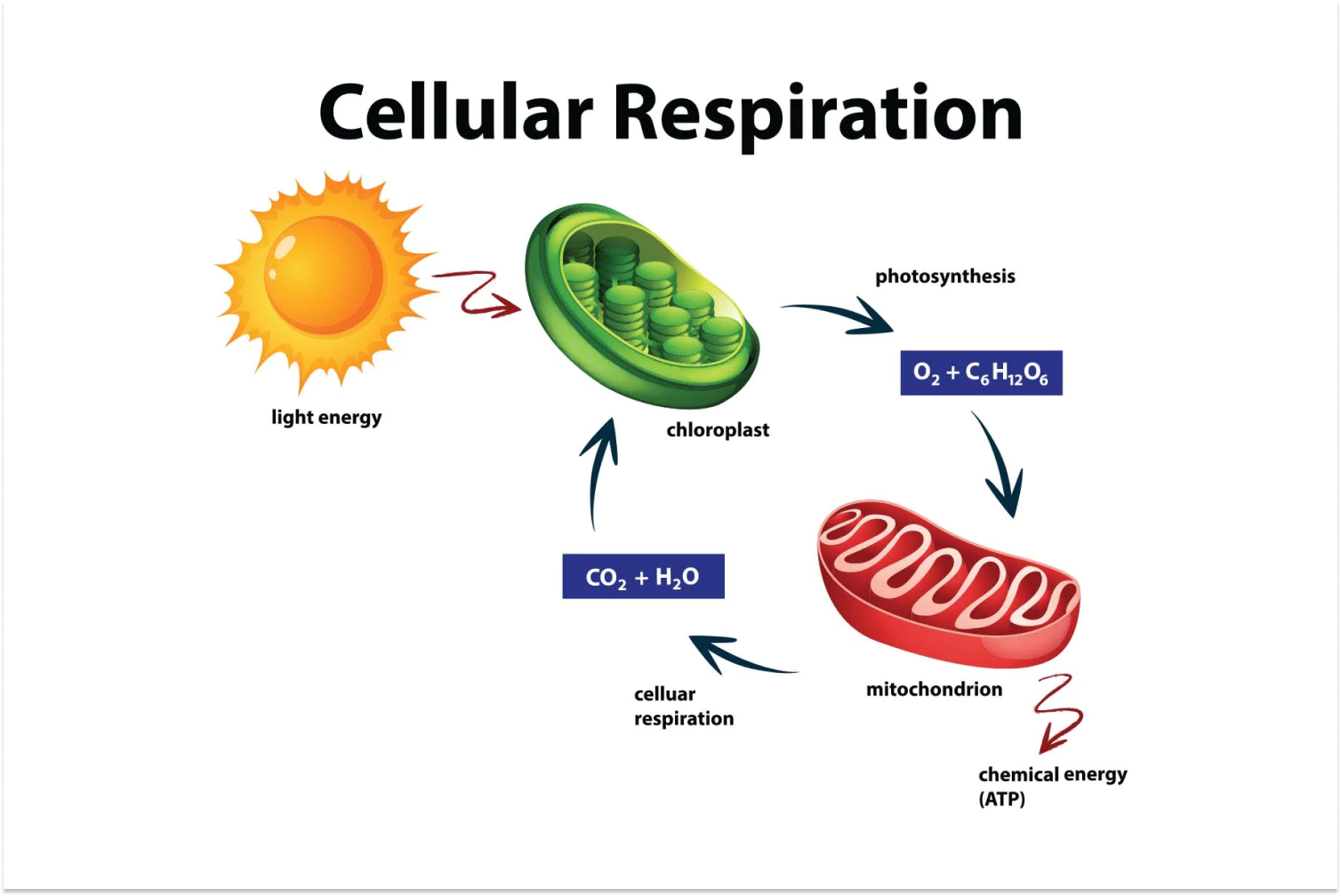
What happens to glucose during cellular respiration?
Energy is released from glucose, helping produce ATP.

How do plants synthesize glucose?
Using carbon dioxide and water.
What are three common monosaccharides?
Glucose, galactose, and fructose.


Where is fructose found?
In sucrose and fruit.
Why are glucose, galactose, and fructose considered isomers?
They have the same chemical formula (C₆H₁₂O₆) but different structural arrangements of functional groups.
Are glucose, galactose, and fructose aldoses or ketoses?
Glucose and galactose are aldoses; fructose is a ketose.
What are the two forms in which monosaccharides can exist?
Linear chains or ring-shaped molecules.
What form do monosaccharides usually take in aqueous solutions?
Ring form.
What determines the alpha (α) or beta (β) form of glucose?
The position of the hydroxyl (OH) group on carbon 1.
What is the alpha (α) position in glucose?
The hydroxyl (OH) group is below carbon 1.
What is the beta (β) position in glucose?
The hydroxyl (OH) group is above the plane of the ring at carbon 1.
What is the anomeric carbon in glucose?
Carbon 1, which becomes asymmetric when glucose forms a ring.

What is a disaccharide?
A sugar made of two monosaccharides joined together.

How are disaccharides formed?
Through dehydration synthesis (removing water).

What is released during dehydration synthesis?
One water molecule (H₂O)

What is a glycosidic bond?
A covalent bond connecting two monosaccharides.

What is an alpha glycosidic bond?
A bond formed when the OH group on carbon 1 is below the ring.
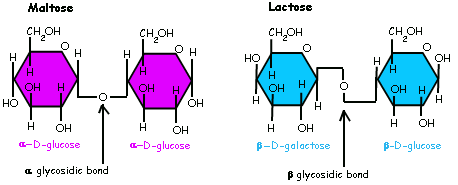
What is a beta glycosidic bond?
A bond formed when the OH group on carbon 1 is above the ring.
What are the three common disaccharides?
Lactose, maltose, and sucrose.


What two monosaccharides make lactose?
Glucose + galactose.

Where is lactose naturally found?
milk

What two monosaccharides make maltose?
Glucose + glucose.

What is maltose also called?
Malt sugar.
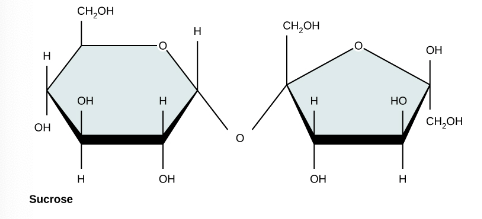
What two monosaccharides make sucrose?
Glucose + fructose.
What is sucrose also called?
Table sugar.


What is the most common disaccharide?
Sucrose
What is a polysaccharide?