BIOL 131 Chapter 1
 Call Kai
 Learn
 Practice Test
 Spaced Repetition
 Match
 Flashcards
 Knowt Play
1/32

Earn XP
Description and Tags
Vocabulary practice flashcards covering fundamental definitions of human anatomy and physiology, the six levels of structural organization, and the organs and functions of the eleven organ systems.
33 Terms
Human anatomy
The scientific study of the structure and organization of the body and the relationships of body parts to one another.
Gross anatomy
The examination and dissection of body structures without the use of magnifying lenses.
Microanatomy (histology)
The microscopic examination of tissues and cells using various magnifying techniques.
Human physiology
The scientific study of the function of the body and its constituent parts through observation and experimentation.

Levels of structural organization
The six-tiered hierarchy of the human body ranging from chemical, cellular, tissue, organ, organ system, to organismal.
Integumentary system
The body covering consisting of skin, hair, nails, and glands that protects internal tissues and regulates temperature.

Skeletal system
The framework of bones, ligaments, and cartilages that supports the body, protects organs, stores minerals, and generates blood cells.

Muscular system
The bodily framework composed of skeletal muscles and tendons that moves body parts and generates heat.

Nervous system
The network consisting of the brain, spinal cord, and sensory receptors that detects stimuli, processes information, and coordinates bodily activities through electrical signals.

Endocrine system
The network of glands that secretes hormones into the bloodstream to regulate target cellular functions throughout the body.
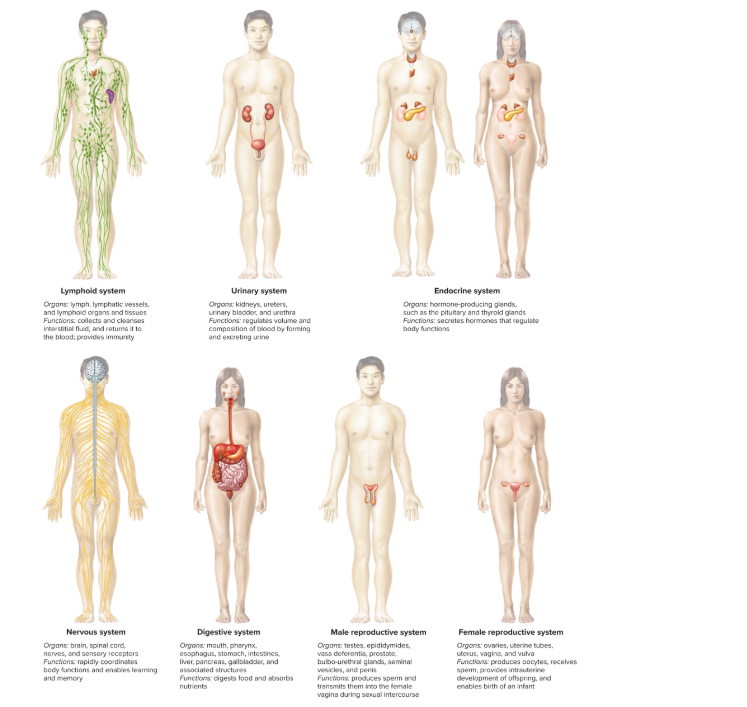
Cardiovascular system
The network composed of the heart, blood vessels, and blood that circulates heat, nutrients, and gases throughout the body.
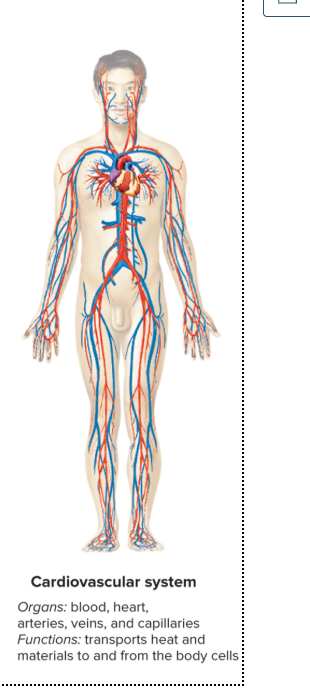
Lymphoid system
The network that collects and cleanses interstitial fluid, transports it back to the bloodstream, and defends against pathogens.

Respiratory system
The tract composed of the airways and lungs that facilitates gas exchange, regulates blood pH, and produces sound.

Digestive system
The gastrointestinal tract and accessory organs that mechanically and chemically process food and absorb nutrients.

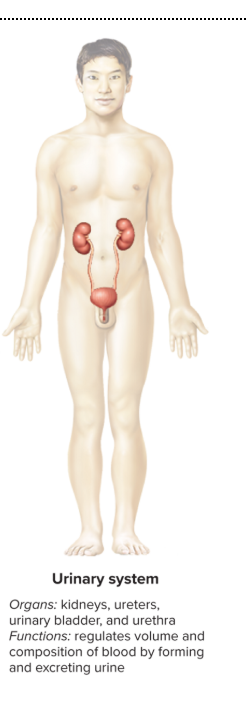
Urinary system
The renal structures that filter metabolic wastes from blood to excrete urine and regulate fluid and electrolyte balance.

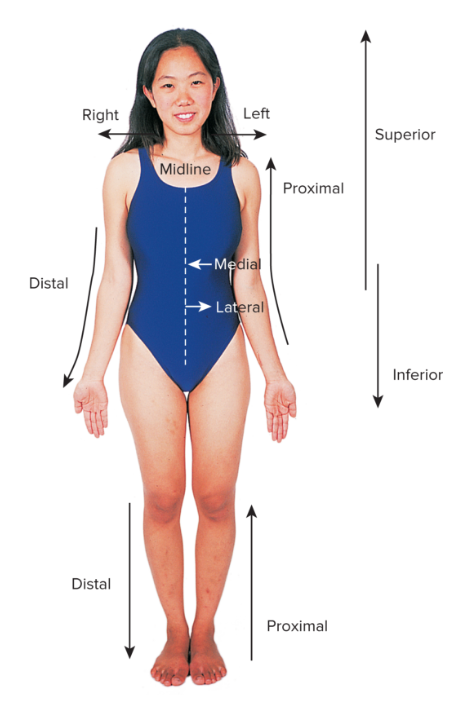
Anatomical position
The standard reference posture where the body is erect, facing forward, with arms at the sides and palms facing anteriorly.
Sagittal plane
A lengthwise vertical plane that divides the body or an organ into right and left portions.
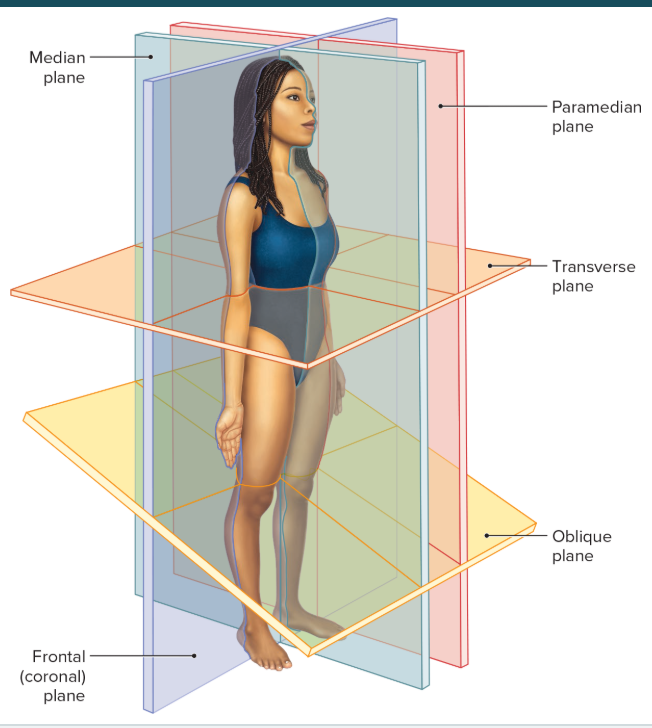
Transverse plane
A horizontal cross-sectional plane that divides the body or an organ into superior and inferior portions.

Frontal plane
A vertical plane that divides the body or an organ into anterior and posterior portions.

Axial portion
The central division of the body that encompasses the head, neck, and trunk.

Appendicular portion
The structural division of the body that comprises the upper and lower limbs.

Thoracic cavity
The superior ventral space located above the diaphragm, housing the pleural cavities and mediastinum.

Abdominopelvic cavity
The ventral space situated below the diaphragm, composed of a superior abdominal cavity and an inferior pelvic cavity.

Meninges
The three protective membranes lining the cranial cavity and vertebral canal to enclose the brain and spinal cord.
Metabolism
The aggregate sum of all biochemical reactions taking place within an organism to sustain life.
Anabolism
The metabolic phase involving chemical reactions that synthesize complex molecules from simpler substances.
Catabolism
The metabolic phase involving chemical reactions that break down complex molecules into simpler components.
Homeostasis
The dynamic physiological process that preserves a relatively stable internal environment despite external changes.
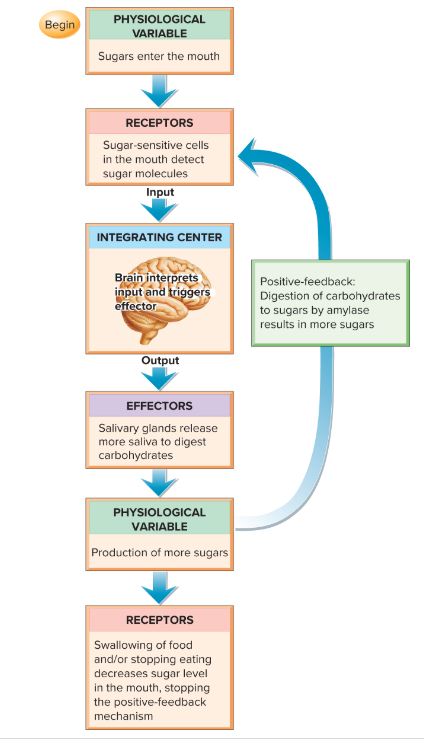
Negative-feedback mechanism
A homeostatic control pathway consisting of receptors, an integrating center, and effectors that reverses a deviation from the set point.

Positive-feedback mechanism
A control process that amplifies an initial stimulus, driving the system toward an ever-increasing change from the baseline.
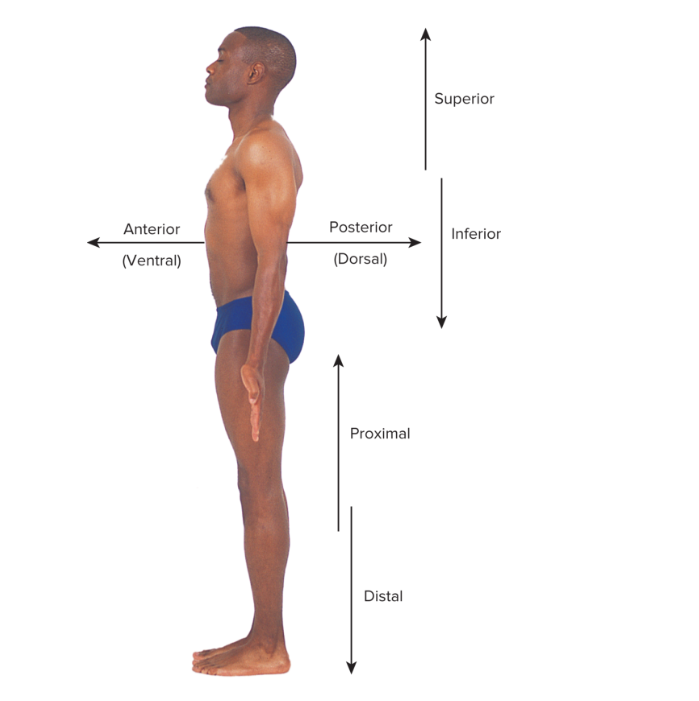
Directional terms
Terms used to describe the relative position of body parts with respect to standard anatomical position.

Abdominopelvic quadrants
The four clinical subdivisions of the abdominopelvic cavity (right upper, left upper, right lower, and left lower) used to locate organs and pain.

Abdominopelvic regions
The nine anatomical subdivisions (epigastric, umbilical, pubic, right/left hypochondriac, right/left flank, and right/left inguinal) used to map visceral structures.
