Cell Energy
 Call Kai
 Learn
 Practice Test
 Spaced Repetition
 Match
 Flashcards
 Knowt Play
1/48

There's no tags or description
Looks like no tags are added yet.
49 Terms
Cellular Respiration
The process by which cells use oxygen to produce energy from food

Photosynthesis
Conversion of light energy from the sun into chemical energy.

Aerobic Respiration
The process of releasing energy from food; oxygen is required.

Anaerobic Respiration
The process of releasing energy from food without the use of oxygen.
Alcohol Fermentation
The conversion of pyruvate to carbon dioxide and alcohol.

Lactic Acid Fermentation
The conversion of pyruvate to lactic acid .

Fermentation
Process by which cells release energy in the absence of oxygen
ATP
energy
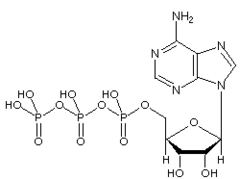
ADP
a lower-energy molecule that can be converted into ATP by the addition of a phosphate group
Glucose
A simple sugar that is an important source of energy produced by photosynthesis and broken down in cellular respiration.

Oxygen
Required for aerobic respiration and a product of photosynthesis.
Carbon dioxide & Water
Required for photosynthesis and a product of cellular respiration
38
Number of ATP produced in aerobic respiration.
2
Number of ATP produced in anaerobic respiration.
Mitochondria
An organelle found in large numbers in active cells; produces energy for the cell.

Chloroplast
An organelle found in plant and algae cells where photosynthesis occurs

Chlorophyll
A green pigment found in the chloroplasts of plants, algae, and some bacteria

location of light dependent reactions
thylakoid
location of light independent reactions
stroma
location of glycolysis
cytoplasm
Location of Krebs Cycle
matrix of mitochondria
Location of ETC
inner membrane of mitochondria
organisms that undergo lactic acid fermentation
animals
In what organisms does alcohol fermentation occur?
plants, yeasts, bacteria
light, water, carbon dioxide
reactants of photosynthesis
glucose and oxygen
products of photosynthesis
glucose and oxygen
reactants of cellular respiration
carbon dioxide, water, ATP
products of cellular respiration
reactants of light dependent reactions
sunlight and water
products of light dependent reactions
Oxygen, ATP, NADPH
reactants of light independent reactions
CO2, ATP, NADPH
products of light independent reactions
glucose
reactant of glycolysis
glucose
product of glycolysis
2 pyruvate
Reactant of Krebs Cycle
2 pyruvate, oxygen
Products of Krebs Cycle
CO2 and electrons
Reactants of ETC
O2 and electrons
Products of ETC
Water and ATP
requirement for Krebs cycle and ETC to happen
oxygen
reactant for anaerobic respiration
glucose
products of lactic acid fermentation
lactic acid and 2 ATP
products of alcohol fermentation
alcohol, CO2 and 2 ATP
Purpose of photosynthesis
Convert solar energy into chemical energy (glucose)
purpose of cellular respiration
Glucose is used to make usable ATP energy
purpose of glycolysis
break down of glucose into pyruvate
ATP/ADP cycle
How a cell regenerates its ATP supply. ADP forms when ATP loses a phosphate group, then ATP forms as ADP gains a phosphate group.
Another name for the Calvin Cycle
light independent reactions
Where is energy stored in ATP?
in the bonds between the phosphates
Produces most of the ATP of cellular respiration
electron transport chain