Arenes, Aromaticity, and Reactions of Alkylbenzenes
 Call Kai
 Learn
 Practice Test
 Spaced Repetition
 Match
 Flashcards
 Knowt Play
1/21

Earn XP
Description and Tags
Vocabulary flashcards covering Chapter 12 on arene nomenclature, common benzene derivatives, criteria for aromaticity, Hückel's Rule, and reactions of alkyl and alkenyl benzenes.
22 Terms
Arene
An aromatic hydrocarbon containing a benzene ring or related system, along with its substituted derivatives.
Benzene Resonance
The structural phenomenon where the six π-electrons of benzene are delocalized evenly across the cyclic planar ring rather than fixed into distinct alternating single and double bonds.
Aryl Group
An aromatic substituent or functional group formed by removing a hydrogen atom directly from an arene ring carbon.
originates from an arene or aromatic hydrocarbon ring minus a hydrogen. Does NOT have to be a benzene ring

Phenyl Group
A specific aryl substituent group (−C6H5) formed by removing a single hydrogen atom directly from a benzene ring (C6H6).
A benzene ring that is attached to a larger molecule

Benzyl Group
A substituent group (−CH2C6H5) formed by removing a hydrogen atom from the methyl side chain of toluene (methylbenzene).

Toluene
A mono-substituted arene consisting of a methyl group attached directly to a benzene ring (C6H5CH3, also known as methylbenzene).

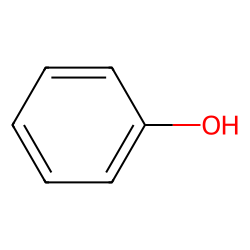
Phenol
A benzene derivative bearing a hydroxyl group (−OH) bonded directly to an aromatic ring carbon (C6H5OH).
Anisole
A benzene derivative consisting of a methoxy substituent (−OCH3) bonded to the benzene ring (C6H5OCH3).

Aniline
A benzene derivative consisting of an amino group (−NH2) bonded directly to the aromatic ring (C6H5NH2).

Benzaldehyde
An aromatic compound composed of a formyl group (−CHO) attached directly to a benzene ring (C6H5CHO).

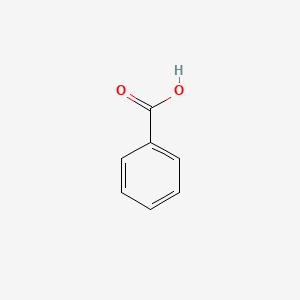
Benzoic Acid
An aromatic carboxylic acid consisting of a carboxyl group (−COOH) bonded directly to a benzene ring (C6H5COOH).
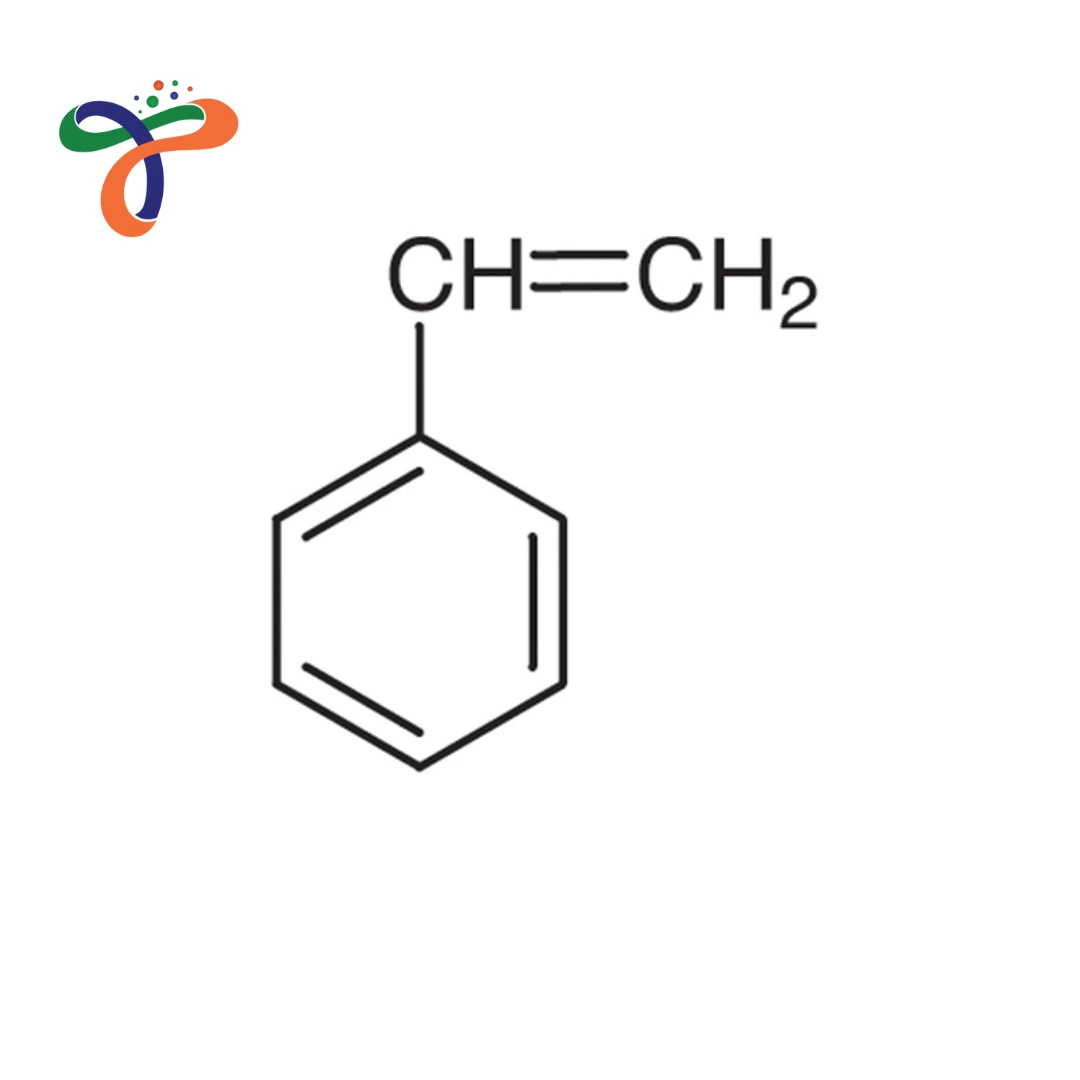
Styrene
An alkenylbenzene consisting of an ethenyl (vinyl) side chain bonded to a benzene ring (C6H5CH=CH2).
3-Phenylhexane
An alkane comprising a six-carbon hexane parent chain with a phenyl substituent positioned at carbon-3 (CH3CH2CH(C6H5)CH2CH2CH3).

Criteria for Aromaticity
The three mandatory rules a molecule must satisfy: (1) cyclic structure, (2) fully conjugated double bonds, and (3) adherence to Hückel's Rule (4n+2 π-electrons).
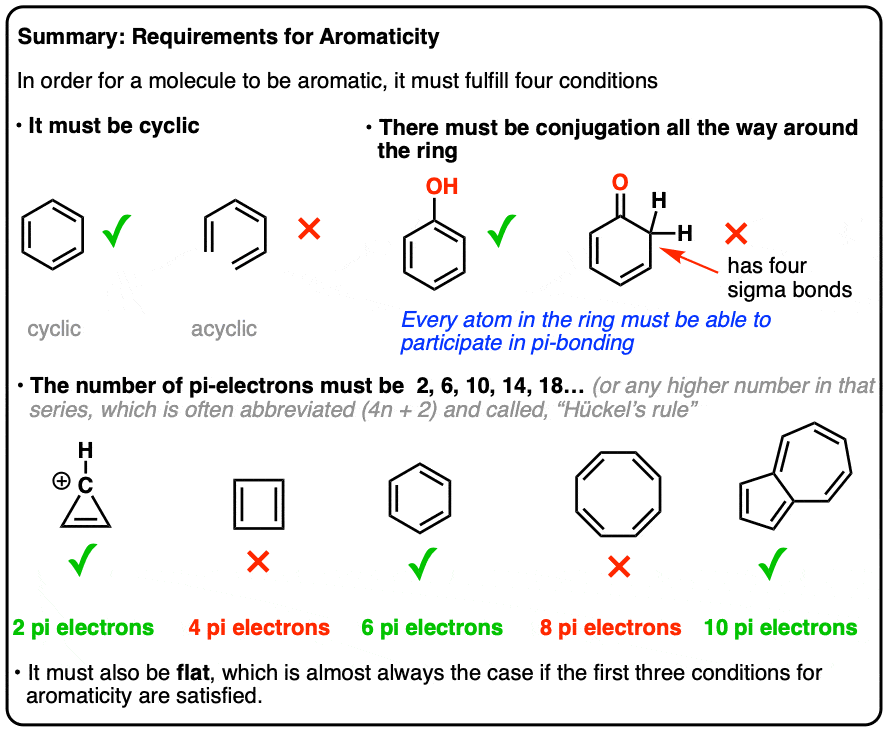
Hückel's Rule
The requirement that a planar, cyclic, conjugated system must possess 4n+2 π-electrons (where n=0,1,2,3,4,5…, yielding electron counts of 2,6,10,14,18,22) to be aromatic.
"Don't Touch the Ring" Rule
The general reactivity principle for alkylbenzenes indicating that chemical reactions typically proceed at the side chain while the unusually stable aromatic benzene core remains intact.
Birch Reaction
A partial reduction of the aromatic ring using sodium (Na) or potassium (K) in liquid ammonia (NH3(l)) at temperatures <0∘C, breaking ring conjugation to yield a 1,4-cyclohexadiene.
Complete Reduction of Benzene
The exhaustive catalytic hydrogenation of benzene to cyclohexane using 3 equivalents of H2 under elevated temperature (↑temp) and elevated pressure (↑pressure).
Oxidation of Alkylbenzenes
The conversion of alkyl side chains on an arene into benzoic acid (C6H5COOH) using strong oxidizing agents such as MnO4−, CrO42−, or Cr2O72−, leaving the benzene ring untouched.
Benzylic Radical Bromination
A free-radical substitution reaction occurring selectively at the benzylic position of an alkylbenzene using molecular bromine (Br2) in the presence of UV light.
Benzylic Elimination
The base-promoted dehydrohalogenation of a benzylic halide using a bulky base like tert-butoxide (−OC(CH3)3) to yield an alkenyl arene (such as styrene) along with Br− and HOC(CH3)3.
Alkenylbenzene Addition Reactions
Electrophilic additions (including Markovnikov, anti-Markovnikov, hydration, and halogenation via a cyclic bromonium ion intermediate) that occur across the side-chain C=C double bond without disrupting the aromatic ring.