Chapter 6 Social and Emotional Development in Infancy
 Call Kai
 Learn
 Practice Test
 Spaced Repetition
 Match
 Flashcards
 Knowt Play
1/39

Earn XP
Description and Tags
For EXAM 2
Name | Mastery | Learn | Test | Matching | Spaced | Call with Kai | Chat |
|---|
No analytics yet
Send a link to your students to track their progress
40 Terms
Emotion
A response of the whole organism
physiological arousal
expressive behaviors
conscious experience
Global arousal states
Attraction to pleasant stimulation
Withdrawal from unpleasant stimulation
Calm, attentive distress
Over time, emotions become clear, well-organized signals
Basic Emotions
Directly inferred from facil expressions
Appear in the 1st year
happiness
interest
surprise
fear
anger
sadness
disgust
Happiness
Smiles reflexively as a newborn
Social smile
Laughter first appears around 3 to 4 months in response to active stimuli

Social smile
The smile evoked by the stimulus of the human face
First appears between 6 and 10 weeks

Anger
Develops: 3-4 months
Then increases in frequency and intensity into 2nd year

Sadness
Develops 3-4 months
Expressions usually less frequent than anger
Sadness is especially common when parent-infant interaction is seriously disrupted

Fear
Develops: 7-8 months
The most frequent expression of fear is to unfamiliar adults
a response called stranger anxiety
Stranger Anxiety factors
Temperament (biological precursor to personality
Past experiences with strangers
and the situation in which baby and stranger meet
Contingent responding
When infants match their own emotions to other’s emotions
Emotion discrimination
Develops at 3 months
Habituation to first emotion and then show new emotion
Looking time past the dotted line indicate that infants detected a difference in emotional expression
Social referencing
In unfamiliar or ambiguous environment, infants look to parents for cues to interpret situation
Starts between 8-10 months
Helps kids regulate emotional experiences

Visual cliff
Mom smiles
74% cross
Mom shows fear
0% cross

Gaze Aversion
Infants will look away when
frightened
confused
over excited
With age, more effective strategies develop
ex: cover ears or eyes when scared
Attachment
Enduring social-emotional relationship
characterized by the tendency to seek out and maintain closeness to a caregiver
get comfort
get protection
increased in times of stress
Cupboard love theory
baby attaches to mom because she fulfills their physiological needs
Food clothing, changing
Harlow’s research helped disprove this theory

Primary object sucking theory
Built-in propensity to relate to the human breast
infant learns that mother is attached to the breast and so attaches to her
but infants attach to men, problem for theory
Primary return-to-the-womb-craving
Infants resent the extrusion from the womb and seek to return there
Ethological Attachment theory
Child becomes attached to the person that meets the child’s emotional needs
helps ensure survival
Social bond developed because the human infant is relatively helpless at birth
Develops between 6-12 months
Caregiving bond
Developed by parents
Complements the child’s attachment bod
Emotional bond mother feels for child
Protect the child
Care for the child
Behavior role in attachment
Infant promotes caregiving by making interactions pleasant
Reducing distress when caregiver meets the child’s needs
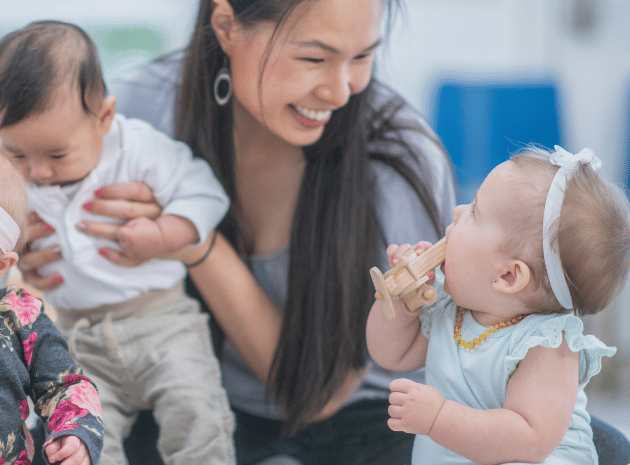
Appearance role in attachment
We find babies cute
Juvenile Features
Bulging cranium
Retracted chin
Small nose
Large eyes
JF elicit protective and parent-like behavior
Separation Distress (anxiety)
Anxiety experienced when separated from an attachment figure
Occurs once attachment have been formed
Working model (schema)
Attachment relationships are template for social relationships throughout the life span
Provides basis for conceptualization of self and others in later years
ex: needs met, view as worthy of love

The strange situation
Measures the quality of attachment between 12 and 18 months
It involves short separations from and reunions with the parent
Focus on the child’s behavior towards the caregiver during the reunion episodes

Secure
Secure in the knowledge that emotional needs will be met
May or may not cry at separation
Greet mom upon return
Seek’s mom out if upset
Easily comforted by the parent when they return
Returns to play
65% in USA

Insecure-Avoidant
Do not appear distressed during separation or reunions
Physiologically distressed
Ignore and avoid the parent when they return
20% in the USA
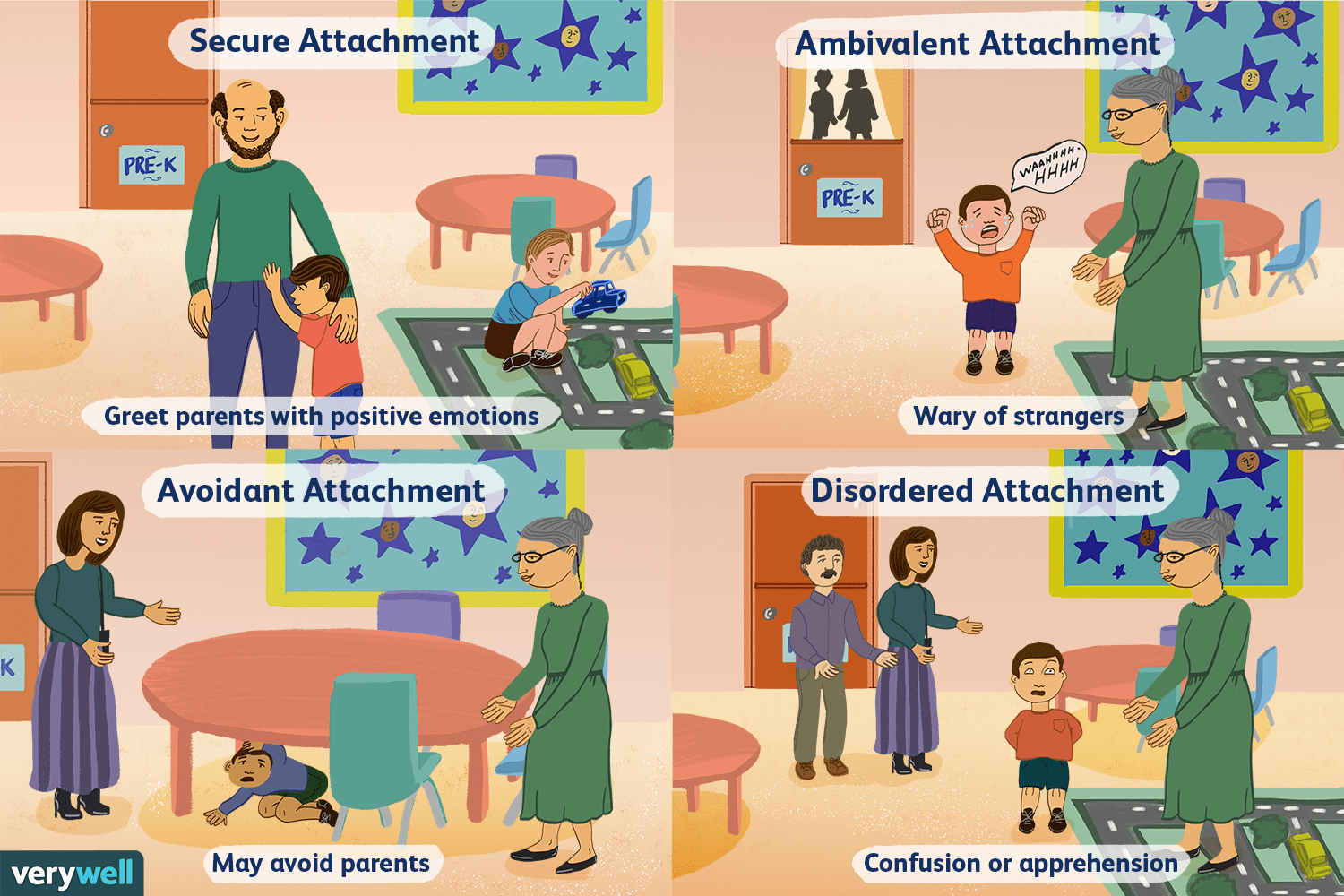
Insecure-Ambivalent (Resistant)
Remain close to the parent before departure
Display angry, resistant behavior when they return
Cry a lot
Don’t return to play 10% in USA

Insecure-Disorganized
Mix avoidance and ambivalent behavior
Show confused behaviors
fear at caregiver return
“Still” at caregiver return
Turn in circles at caregiver return
5% in USA

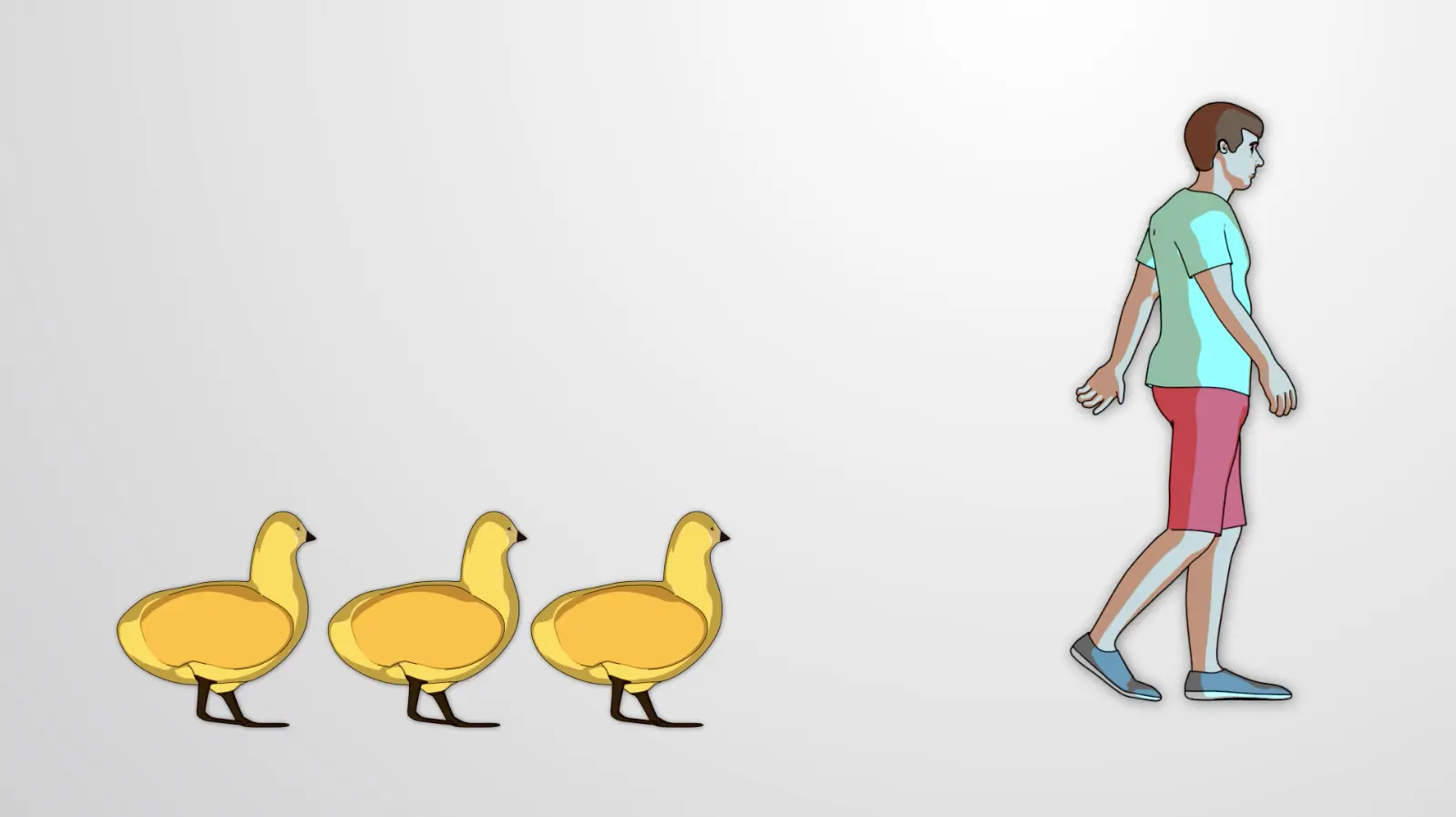
Imprinting
As a process that causes the newly hatched to become rapidly and strongly attached to social objects such as parents or parental surrogates
Bonding
NOT REAL
Required mothers to hold baby shortly after birth to ensure a secure attachment
Parent home behavior
History of a parent’s care for an infant
Infant Conditional Strategy
Infant strategy for dealing with parent home behavior
Contingent behavior based on experience
Goal: Proximity to caregiver
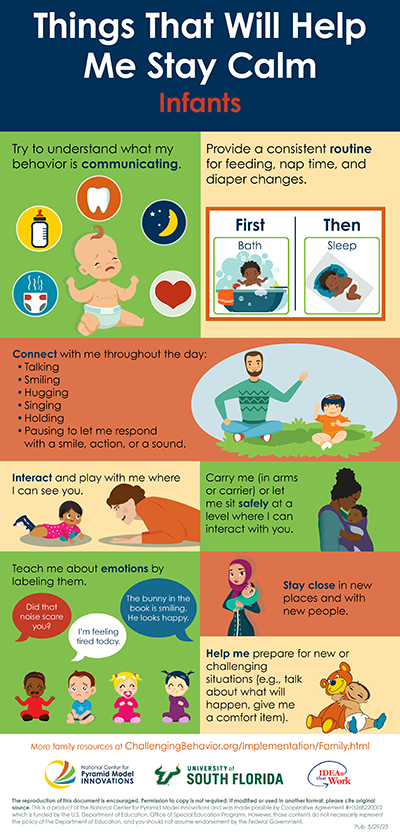
Infant Temperament
Biological basis of personality
Characteristic way of responding
NOTE: parents don’t adapt well to different temperments
Develop Hierarchy of Attachment
Primary
preferred attachment figure
Secondary
etc
Can have different attachment qualities to each caregiver
ex: secure to mom, insecure to dad
Secure kids
Better self esteem
Better peer relationships
Maximize cognitive abilities
Avoidant kids
Agression
bullying
Ambivalent kids
Social withdrawal
Being victimized
Low negative emotionality
Don’t get upset, calm quickly when they are
High negative emotionality
Gets upset easily, stays upset