Equine oncology
 Call Kai
 Learn
 Practice Test
 Spaced Repetition
 Match
 Flashcards
 Knowt Play
1/36

There's no tags or description
Looks like no tags are added yet.
37 Terms
What are the most common skin neoplasias?
Sarcoid
SCC
Papilloma
Melanoma
Mast cell tumour
incr. prev w/ age? incr likelihood of malig tumours
What breed dispositions for neoplasia do you have?
Lipizzaner —> melanoma
Shire and Clydesdale —> ocular SCC
What sex predispositions do you have?
Male —> penile SCC but also SCC in other locations
What location & management risk factors incr risk?
UV exposure → SCC
How can size affect clinical signs of a cancer?
Small —> no signs (if non-functional)
Large —> colic (space occupying lesion)
Very large —> e.g. rupture of ovarian a. & haemoabdomen
How do location, number & duration of tumour affect prog?
Location —> more important if in confined location & implications on poss of tx
Multiple tumours expected to cause more problems
Longer it is there, the more chance to extend & metastasise
What are paraneoplastic syndromes?
Diseases or combination of signs that arise as a direct consequence of a tumour but not deriving from the simple physical presence of the tumour
May be the earliest indicator of the presence of a tumour
What are the different paraneoplastic syndromes that can occur?
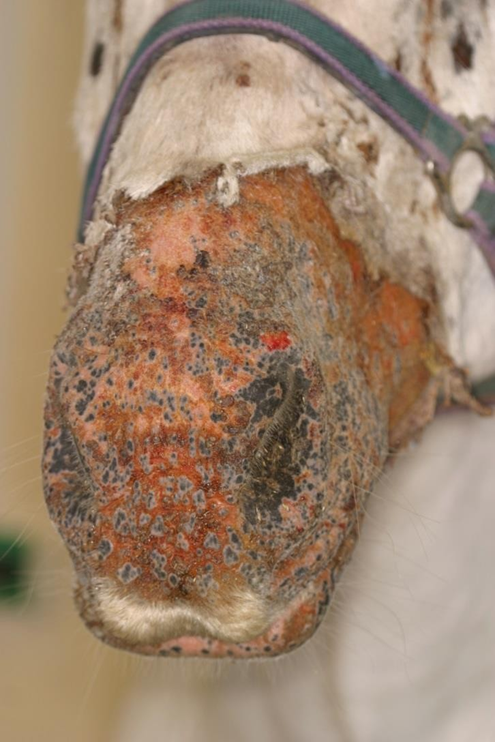
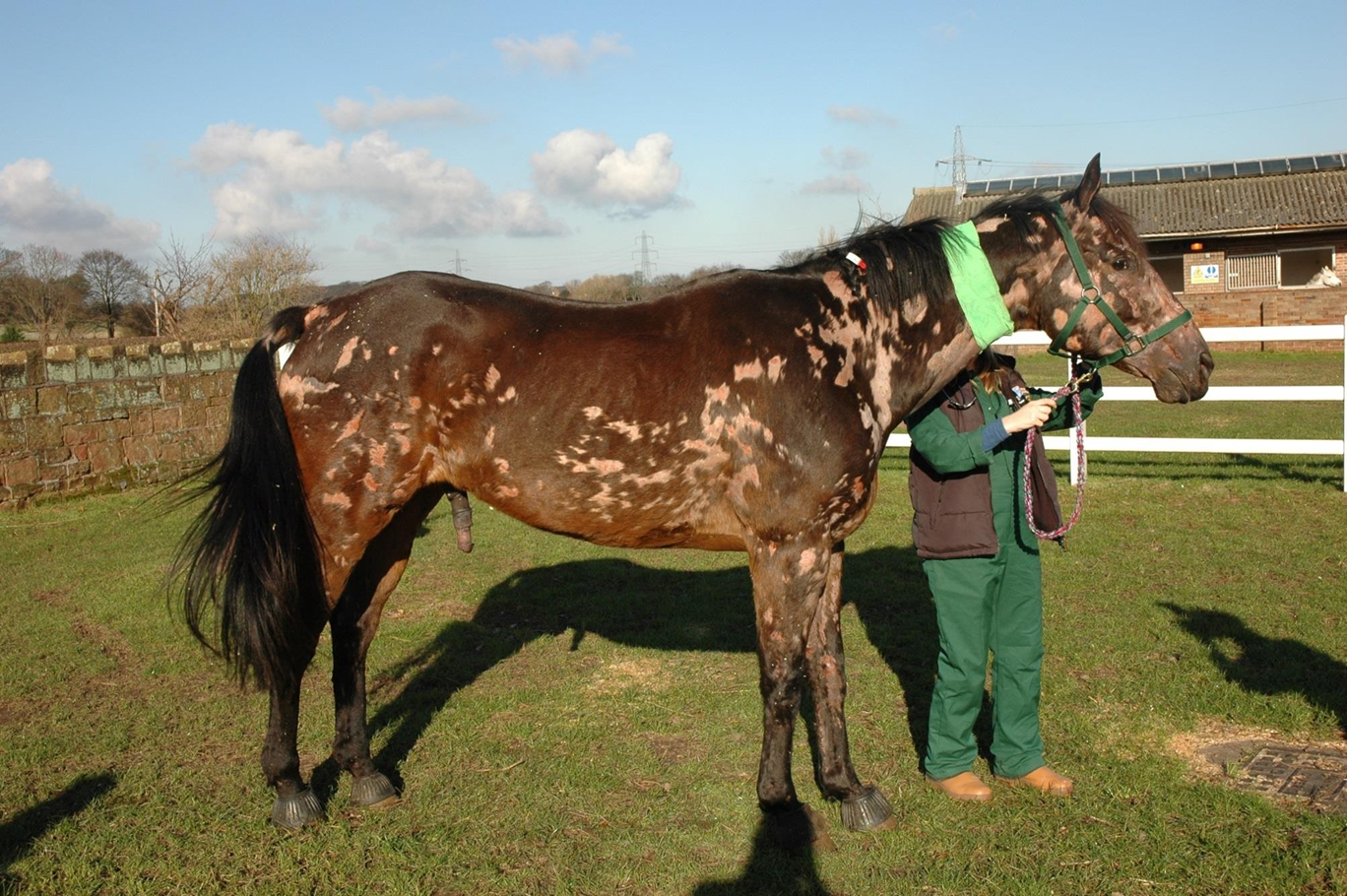
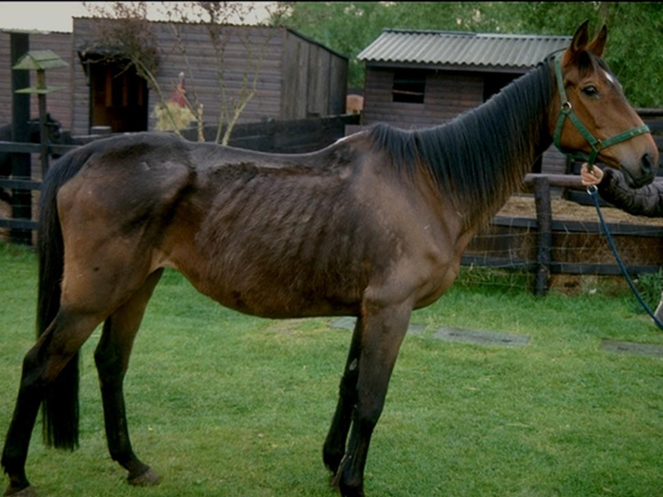
Mucocutaneous and skin syndromes: paraneoplastic pemphigus, pruritus
Neurological syndromes
Haematological syndromes: anaemia, polycytaemia, granulocytosis
Endocrine and metabolic: cachexia, hypercalcaemia, hypertrophic (pulmonary) osteopathy (Marie’s dx)
How are tumours diagnosed?

What cancer therapy options do you have?
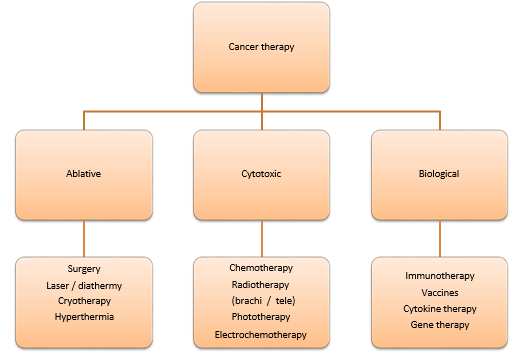
Many options for topical, less so for systemic
Ablative = physical removal of tumour
How common are lymphomas in horses?
Most common haematopoietic neoplasia in horses (less prevalent than in other spp.)
Affects all ages & sexes (no prediliction)
What are the main forms of lymphomas?
Origin in lymphatic tissue:
Multicentric
Alimentary (GIT)
Mediastinal, thoracic or thymic
Cutaneous
What are the clinical signs of a multicentric lymphoma?
Involvement of many organs & metastasis common
Signs —> wt loss, depression, ventral oedema, recurrent fever
Signs vague so cases tend to present when advanced
How do you diagnose and treat a multicentric lymphoma?
Diagnosis —> cytology or biopsy
Tx —> surgical removal if solitary lesions
Prognosis poor if you don't catch early —> depends on stage of dx
small & localised okay
usually larger & advanced once spotted = poor prog
What ages horses are affected?
What are the clinical signs of an alimentary lymphoma?
Older horses —> >12y
Signs —> malabsorption, weight loss, colic
How do you diagnose and treat an alimentary lymphoma?
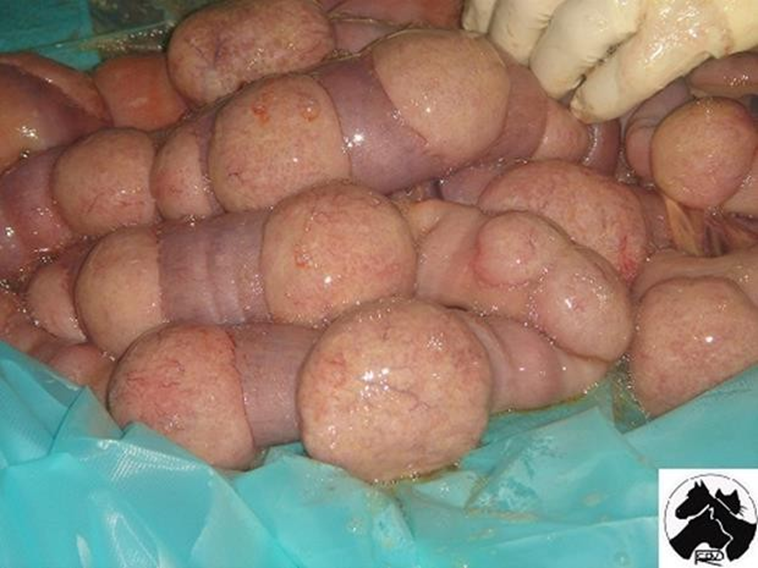
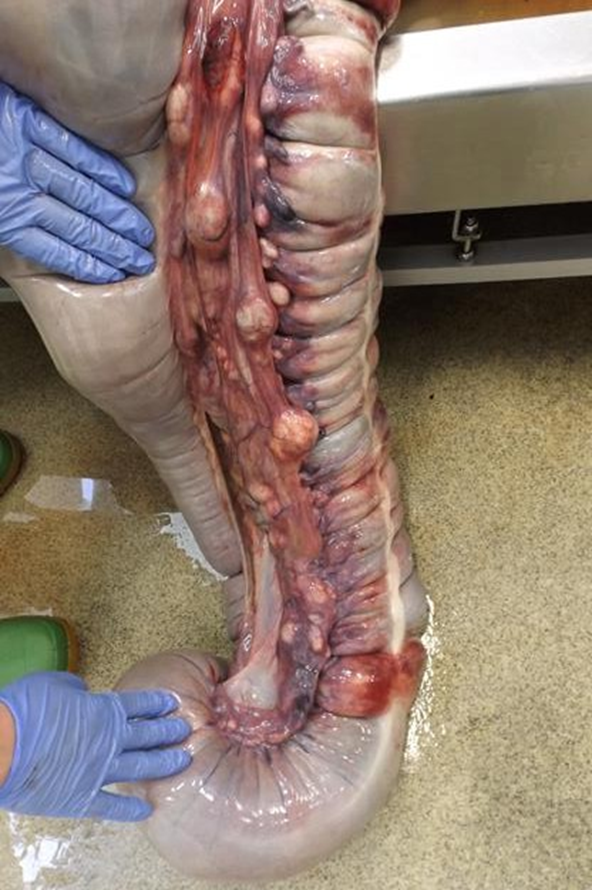
Diagnosis —> cytology of peritoneal fluid (rarely done), biopsy (full thickness better but very invasive)
Tx —> palliative, surgery if sole lesion (not common)
Prognosis poor if you don't catch early —> depends on stage of dx
What are the signs of a Mediastinal, thoracic or thymic lymphoma?
(Thoracic neoplasia most common)
Weight loss
Depression
Ventral (if it extends to the chest) & limb oedema (R FL first then L —> lymphatic drainage assymetrial)
Pleural effusion → dyspnoea

How do you diagnose and treat a mediastinal, thoracic or thymic lymphoma?
Diagnosis —> cytology (pleural effusion, more diagnostic than alimentary), biopsy
Tx —> palliative (drain chest to help breathe better but then will fill with fluid again → PTS after a few days)
Hopeless prog
What clinical signs will be seen with a Cutaneous lymphoma?
What aged horses get this?
Older horses
Signs —> subcut & cutaneous nodules (quite large)
How do you diagnose and treat Cutaneous lymphoma?
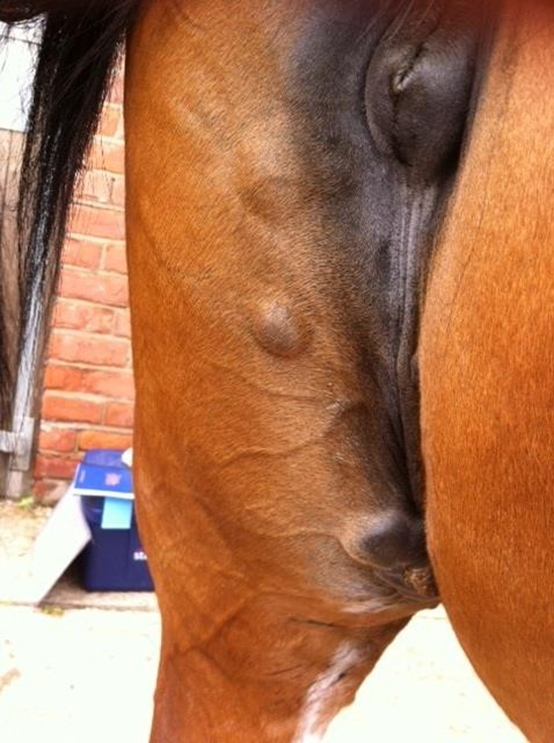
Diagnosis —> biopsy
Tx—> removal if solitary masses (if they have only a few don't remove, horses can do okay)
Prognosis —> less aggressive than the other forms, may become static for years or even regress (also wax & wane)
What are the general signs of haemangiosarcomas?
What aged horses are affected by them?
Where do they occur generally?
Uncommon but highly malig tumour of vascular endothelium
Haemorrhage —> haemoabdomen, haemothorax, etc.
Less common than lymphoma
Middle age to older horses (but all ages possible), no breed / sex prediliction
Resp & musculoskeletal body systems most common
How do you diagnose and treat haemangisarcoma?
Diagnosis —> cytology, biopsy (difficult to confirm —> usually confirmed PM)
Tx —> limited & palliative
Prognosis —> very poor
What tumours can you get in the oral cavity?
Ameloblastoma —> odontogenic epithelium
Ossifying fibroma —> young horses, rostral mandible
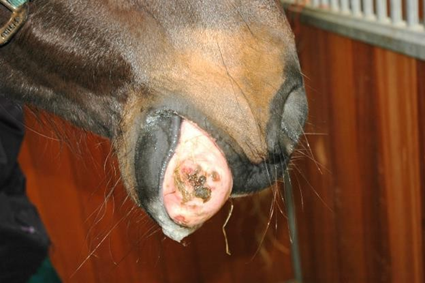
SCC —> most common oral neoplasm
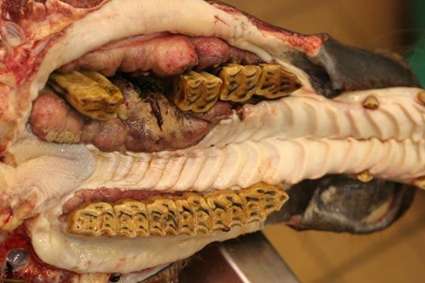
Melanoma —> lips (common), parotid region
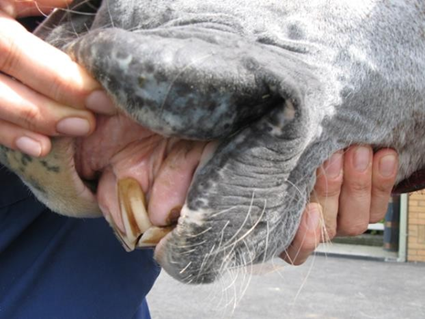
What tumours can you get in the GI tract?
Gastric SCC
Intestinal lymphoma
Intestinal adenocarcinoma
Lipoma (pedunculated —> can affect blood supply of intenstines) —> acute surgical colic

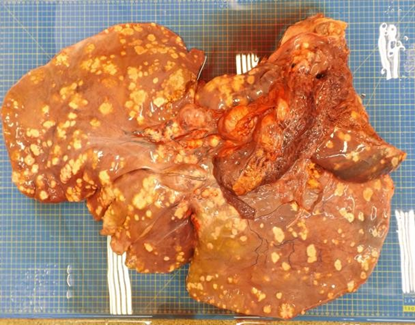
What tumour can you get in the liver?
Hepatic adenocarcinoma
What upper airway tumours can you get?
SCC
Atheroma, epidermal inclusion cyst, false nostril cyst
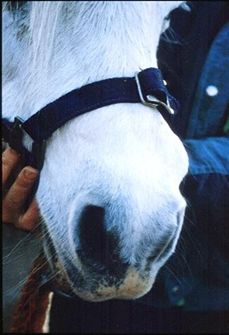
Nasal polyp
Progressive ethmoidal haematoma
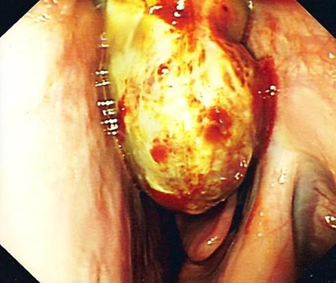
Guttural pouch melanoma
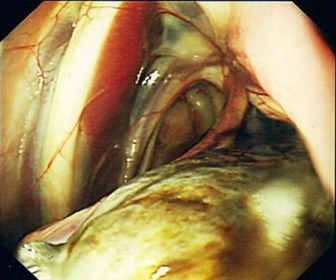
What tumours can you get in the lower airway?
Pulmonary granular cell tumour
Haemangiosarcoma (rare in LRT)
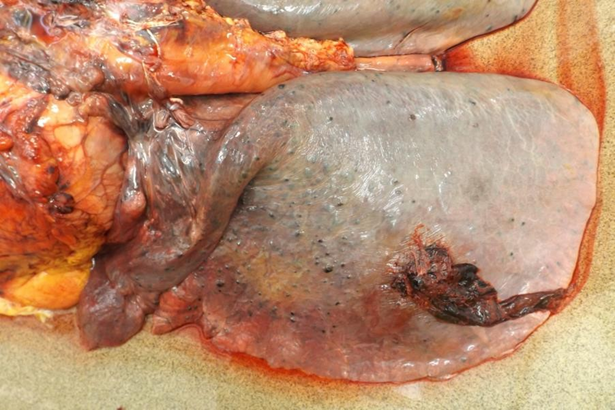
Lymphoma
What other haematopoietic neoplasias can occur less commonly to lymphoma and haemangiosarcoma?
Plasma cell myeloma
Leukaemia
What endocrine tumours can occur?
Pituitary —> PPID
Thyroid —> Adenoma, Adenocarcinoma (top image)
old horse i.e. late teen
assymptomatic
v. common
Adrenal gland —> Phaeochromocytoma (can indent on kidney → bottom image)
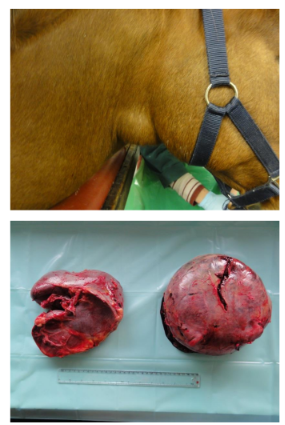
What tumours can occur in the nervous system?
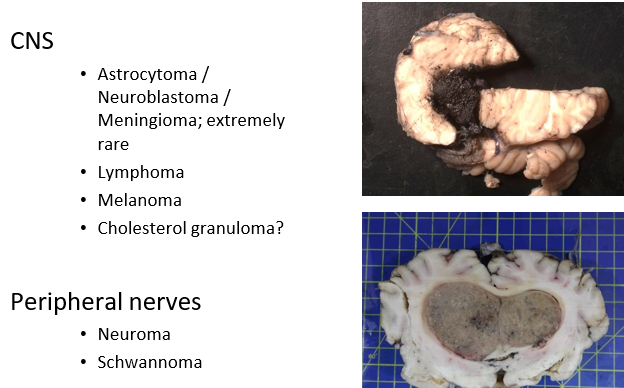
Very rare
debatable cholestrol granuloma (bottom image) whether tumour or not (bottom image) → granuloma obstructs flow of CNS on ventricles → hydrocephalus → causes pressure on brain
neuroma causes swelling @ end of n.
What tumours can occur in the orbit?
Sarcoid
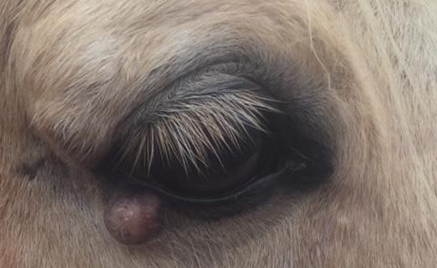
SCC (upper, lower or third eyelid)
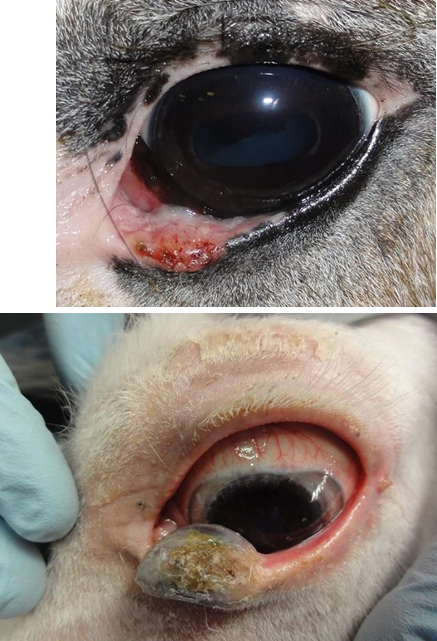
Melanoma
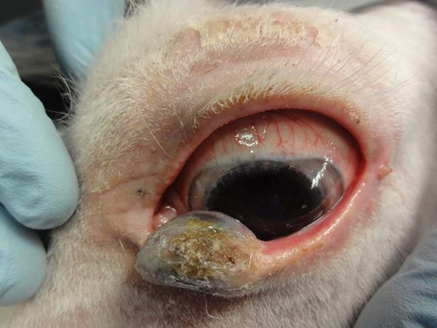
Mast cell tumour
Lymphoma
What tumours can occur within the globe?
Uvea / iris melanoma —> slow growing
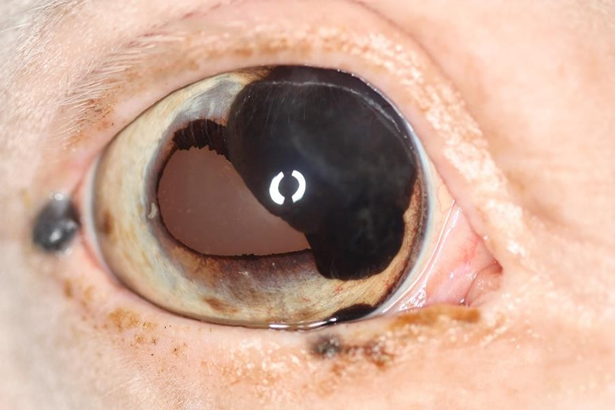
Ameloblastoma —> locally aggressive
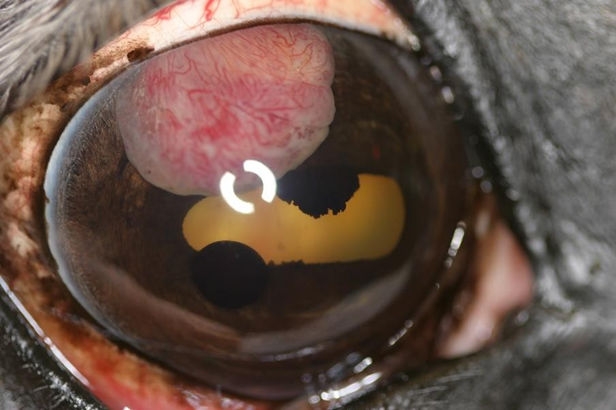
Astrocytoma
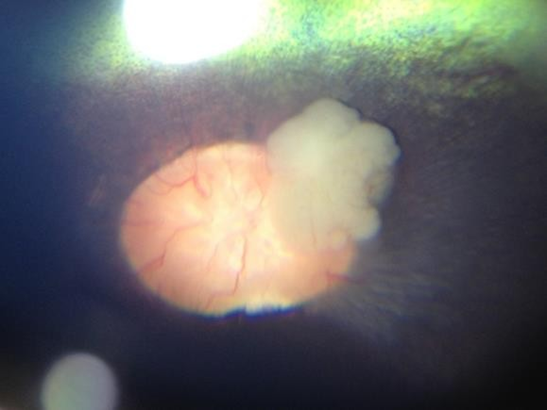
Proliferative optic neuropathy —> commonish
debatable whether tumour —> typically benign behaviour
What are the male specific tumours?
SCC (v. common)
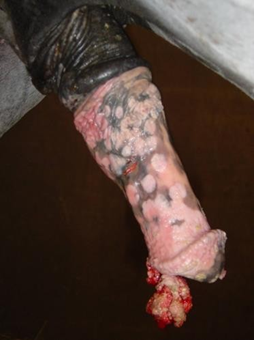
Melanoma, sarcoid
Testicular tumours rare (due to castration)
Teratoma
Castrate young
What are the female specific tumours?
Vulvar (ulcerative)/ clitoral (proliferative) SCC —> not as common as male ones (image)
Granulosa (theca) cell tumour —> can cause nymphomia (hormones) or colic (size)
Mammary gland tumours rare

What tumours can occur on the urinary tract?
Carcinoma —> kidney & bladder
Remove kidney could be curative
What tumours affect musuclature?
Rhabdomyoma
Rhabdomyosarcoma
Haemangiosarcoma
What tumours affect the bone?
Osteoma / osteosarcoma/ osteochondroma = rare
