Properties of Water Vocabulary
 Note
 Call Kai
 Learn
 Practice Test
 Spaced Repetition
 Match
 Flashcards
1/18

Earn XP
Description and Tags
Vocabulary flashcards reviewing atomic structure, chemical bonding, unique properties of water, and solution chemistry terms.
19 Terms
Atom
The basic unit of matter
Made up of 3 parts:
protons (+)
neutrons (0)
electrons (-)

Molecule
The combination of two or more atoms.
EXAMPLE: Water (H2O)

Polarity
A slightly positive end and a slightly negative end (kind of like a magnet)
NOTE: This is caused by uneven electron sharing; it is the reason all other properties of water exist.

Nonpolar Molecules
Molecules that have the same electronegativity (slight charge) throughout the entire molecule.
NOTE: This is caused by even electron sharing.
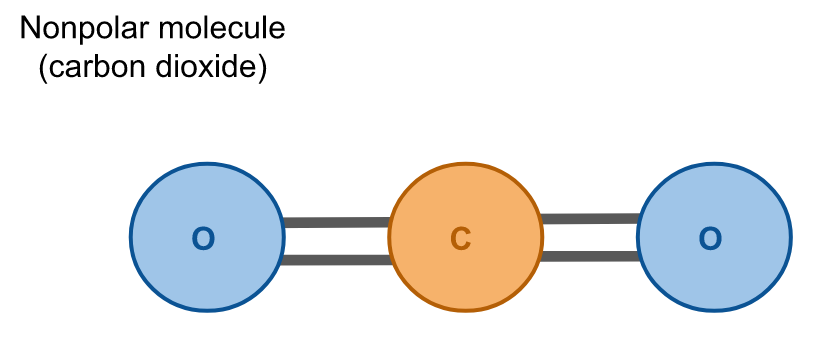
Example: Carbon dioxide is a nonpolar compound. Both ends of the molecule are slightly negative in charge.
Covalent Bond
A bond formed when molecules share electrons, forming an individual water molecule.

Hydrogen Bond
The attraction of a hydrogen atom in a molecule to the slightly negative charge of another molecule.
NOTE: Hydrogen bonds connect water molecules to other water molecules.

Cohesion
The attraction of water molecules to other water molecules.
NOTE: Cohesion is due to hydrogen bonding which results in surface tension and allows for the formation of droplets.

Adhesion
The attraction of water molecules to other materials.
NOTE: This property is crucial for processes such as capillary action and helps in transporting water in plants.

Surface Tension
When water molecules hold strong together (cohesion) they create surface tension.
NOTE: This property is a result of hydrogen bonding between the water molecules, creating a “skin” effect. It enables the formation of water droplets, helps objects with a higher density than water to float and allow bugs to stay on the top of the water.

Capillary Action
The tendency of water to rise in a thin tube
NOTE: Capillary action is the result of cohesion and adhesion working together to move upward (such as in plant xylem) against the force of gravity.

Ice Floats
The property of water becoming less dense as a solid than as a liquid, driven by the crystalline structure of its molecules.
NOTE: This causes ice to float on water, providing a habitat for aquatic life and influencing climate by insulating bodies of water and regulating temperatures.

High Specific Heat Capacity
The ability of water to absorb a lot of heat energy without changing temperature.
NOTE: This is due to the hydrogen bonds in water constantly breaking and reforming.

Universal Solvent
A description of water referring to its ability to dissolve more substances than any other liquid because of its polar nature.

Mixture
Material composed of two or more elements or compounds that are mixed together
EXAMPLES: salt and pepper or candy bowl of different candy

Solution
A homogeneous (same throughout) mixture in which ions or molecules are evenly distributed in another substance
EXAMPLE: saltwater or sugarwater

Suspension
A mixture of water and non-dissolved matter that settles over time
EXAMPLES: blood or muddy water

Solubility
The ability of a substance to be dissolved.
Solute
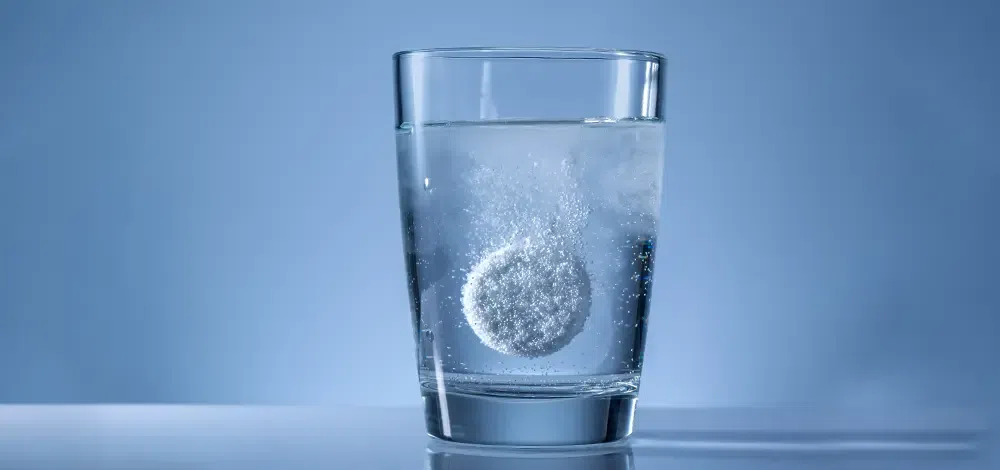
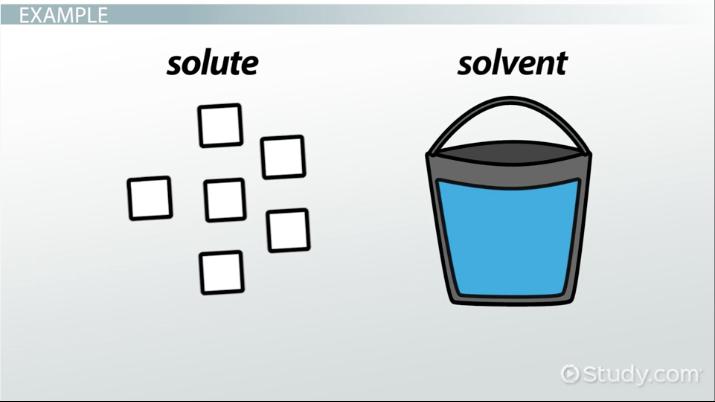
The solid, liquid, or gas substance that is dissolved in a solvent
EXAMPLES: sugar, salt, or dye
Solvent
The dissolver liquid that a solute dissolves in
EXAMPLES: water, bleach, paint thinner, or acetone
