Irritable Bowel Syndrome
 Call Kai
 Learn
 Practice Test
 Spaced Repetition
 Match
 Flashcards
 Knowt Play
1/21

There's no tags or description
Looks like no tags are added yet.
22 Terms

Label the lower GI
A - caecum
B - ascending colon
C - transverse colon
D - descending colon
E - ileum and jujunum
F - sigmoid colon
G - rectum
H - anus
What is IBS
Chronic, relapsing condition affecting the GI tract
Symptoms variable between people affected
Some affected more severely than others
Prevalence estimated to be 5-20% - but likely to be an underestimate as people treat themselves and are not diagnosed
Women more likely to be affected
Most commonly affects people aged 20-39 years
What are the possible mechanisms of IBS?
Visceral hypersensitivity
Abnormal GI immune function - more sensitive to food
Altered brain-gut interactions
Changes to gut microbiome
Abnormal autonomic activity - disregulations of ANS
Abnormal gastrointestinal mobility - transmit time is off → more cramping
What are the risk factors/causes of IBS?
Genetic
Enteric infection
GI inflammation - some people have IBD and not IBS
Diet - spicy food
Medications
Psychological factors - stress/anxiety/depression
What are the symptoms of IBS?
Abdominal pain and cramping
Change in bowel habits - diarrhoea, constipation
Bloating
Flatulence
Tenesmus - still feeling like they need to go to the toilet
Passing mucus from the rectum
Urgent need to pass stool
Lethargy, nausea, backache, bladder symptoms
What are the 4 types of IBS?
IBS with constipation (IBS-C) - hard/lumpy stools for ≥25% of bowel movements and loose/mushy/watery stools for ≤25% of bowel movements.
IBS with diarrhoea (IBS-D) - loose/mushy/watery stools for ≥25% of bowel movements and hard/lumpy stool for ≤25% of bowel movements.
Mixed IBS (IBS-M) - hard/lumpy stools for ≤25% of bowel movements and loose/mushy/watery stools for ≤25% of bowel movements.
Unspecified IBS - insufficient abnormality of stool consistency to meet criteria for IBS-C, IBS-D, or IBS-M
Bristol stool chart

What history is taken to know if a patient has IBS?
Symptoms – onset and duration, type and severity, clinical features/red flags for alternative diagnosis
Diet – fibre intake, general nutrition, food triggers already known
Other triggers e.g. enteric infection, recurrent antibiotic use, recent mental health
Co-existing conditions and/or medications
Impact on daily functioning
Current exercise and physical activity
What symptoms should IBS be automatically be considered with?
For at least 6 months:
Abdominal pain or discomfort
Bloating
Change in bowel habit
What examinations is taken to know if a patient has IBS?
Weight - calculate BMI, assess any changes → recent weight loss
Abdominal examination – signs of tenderness or masses
Rectal examination
What tests are done to diagnose IBS?
FBC, ESR (marker of inflammation), CRP, coeliac serology, faecal calprotectin (looking for C, shows inflammation in bowel)
Follow guidelines if indicated for suspected colorectal or ovarian cancer (pain is lower down)
What are red flag symptoms are for IBS?
Cancer
IBD
Coeliac
When is IBS diagnosed?
If there ‘abdominal pain or discomfort that is either relieved by defaecation OR associated with altered bowel frequency or stool form’ with at least two of the following:
Altered stool passage
Abdominal bloating, distention or hardness
Made worse by eating
Passage of mucus
How is diet and lifestyle managed in IBS?
Leisure and relaxation time – reduction in stress
Mental health – stress, anxiety and/or depression
Benefits of regular physical activity, weight management if applicable
Keep a diary to identify triggers (lifestyle and dietary)
Regular meals that are healthy, maintain balanced diet, adjust fibre intake according to symptoms, adequate fluid intake
OTC probiotic supplements to be taken for at least 4-12 weeks to see if there is a benefit
What advice is given if patients IBS is diarrhoea and/or bloating predominant?
Reduce intake of insoluble fibre - bran
Reduce foods/drinks that may worsen symptoms - caffeine, alcohol and fizzy drinks.
Less foods with sorbitol - artifical sweetner that can cause diarrhoea
What advice is given if patients IBS is constipation predominant?
Try foods high in soluble fibre or soluble fibre supplements (ispaghula).
Gradually increase fibre intake
What advice is given to patients if their symptoms persist?
Single food avoidance or exclusion diets can be tried
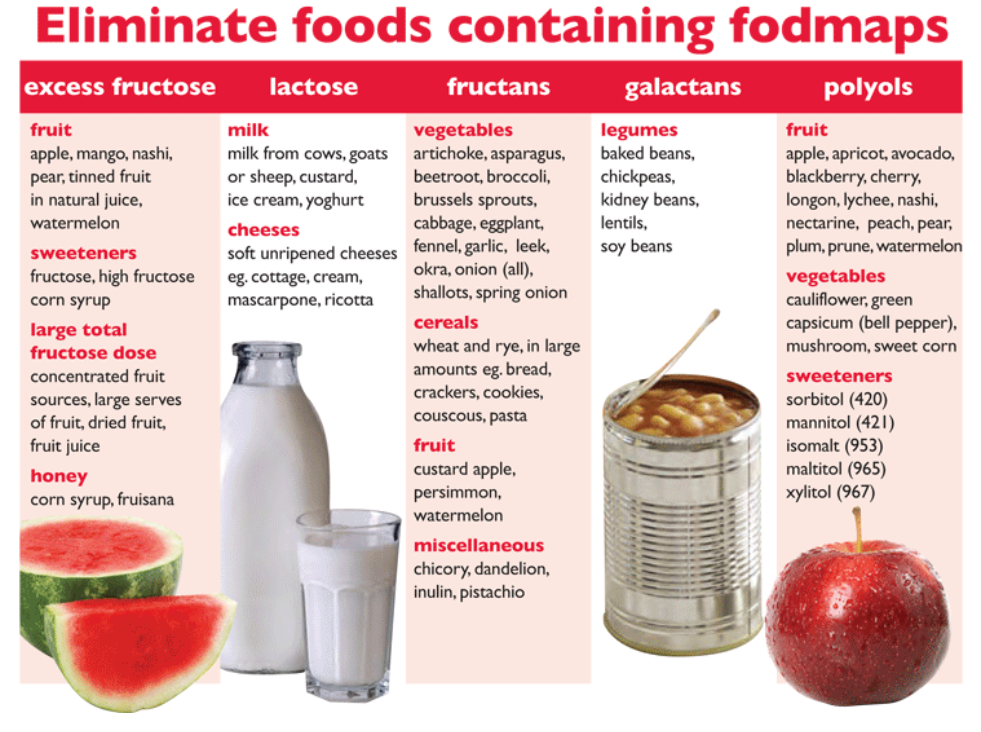
Low FODMAP (fermentable oligosaccharides, disaccharides, monosaccharides and polyols)
ONLY to be advised and supervised by healthcare professional with expertise
What is the first line treatment for IBS?
Aminosalicylates
Anti-inflammatory
Reduce bowel inflammation to induce and maintain remission.
Mesalazine, Olsalazine, Balsalazide, and Sulfasalazine
SEs - headache, nausea, and abdominal pain
What medications is given for IBS if patients experience abdominal pain and/or spasm?
Antispasmodic agents for pain and cramps
Antimuscarinics - hyoscine butylbromide (buscopan)
Smooth muscle relaxants - mebeverine, peppermint oil
2nd line - Tricyclic antidepressant
3rd line - Selective Serotonin Reuptake Inhibitor (antidepressant) - manage chronic pain, reduce gut sensitivity, and regulate bowel habits by acting on the "brain-gut axis” blocking pain signals
What medications is given for IBS if patients experience diarrhoea?
Loperamide - antimotility agent
Slowing the digestive process to improve stool consistency and reduce the frequency of bowel movements.
Binds to opioid receptors in the gut, reducing transit speed and increasing water absorption, which helps manage urgency
What medications is given for IBS if patients experience constipation?
Avoid lactulose - can cause bloating
Macrogol preferred osmotic (movicol)
Avoid stimulants e.g. senna long term
Consider ispaghula husk e.g. Fybogel (soluble fibre)
Linaclotide if other laxatives do not help and constipation for at least 12 months
Minimally absorbed peptide guanylate cyclase C receptor agonist
Prucalopride if tried at least two different types of laxatives from different classes for at least six months, but no relief
Selective serotonin 5HT4 agonist, increases motility
Why is IBS considered a diagnosis of exclusion?
No specific anatomical or histological changes
No clear biomarker
No clear GI changes