HAVC EXAM 2
 Call Kai
 Learn
 Practice Test
 Spaced Repetition
 Match
 Flashcards
 Knowt Play
1/41

There's no tags or description
Looks like no tags are added yet.
42 Terms
Iconology
the study of visual imagery and it’s symbolism; especially in social or political terms
Zoot Suit
Popular style of suit among the Chicano communities, even among white men
Teatro Campesino
If you cannot theater, founded by Luis Valdez and Augustin Lira
Pachuco/Pachuca
Caló
corporeal tagging
maricón
production of space
enacted enviornment
redlining
Asco
no movies
instant murals
scopic regime
Axis Mundo
Cihuatlampa
polyvalent sign

name of artist, artwork, year and how it relates to the course
Luis Valdez, Scene from Zoot Suit, 1978,
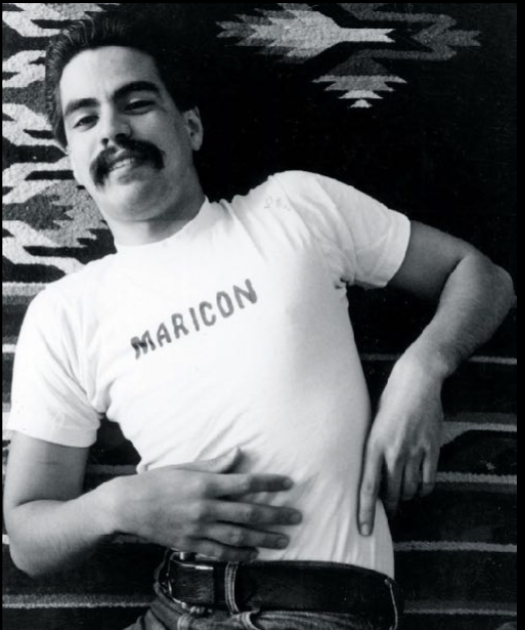
name of artist, artwork, year and how it relates to the course
Teddy Sandoval, with Joey Terrill, Maricón Series,1976
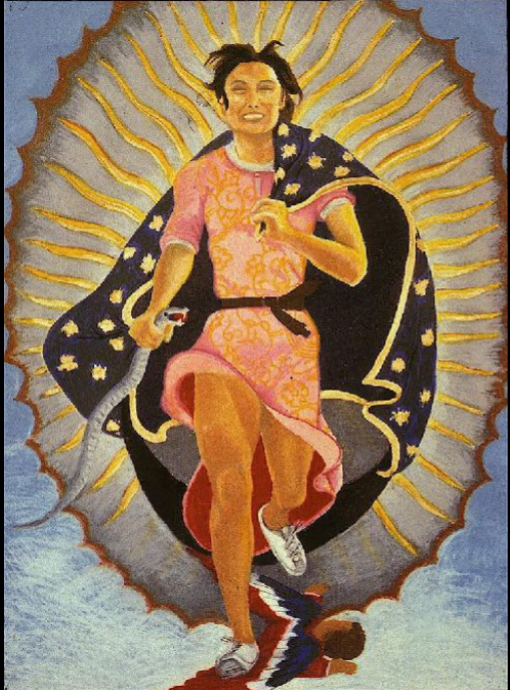
name of artist, artwork, year and how it relates to the course
Yolanda Lopez, Guadalupe Series, 1978

name of artist, artwork, year and how it relates to the course
Asco, Instant Mural, 1974

name of artist, artwork, year and how it relates to the course
Asco, Decoy Gang War Victim, 1974
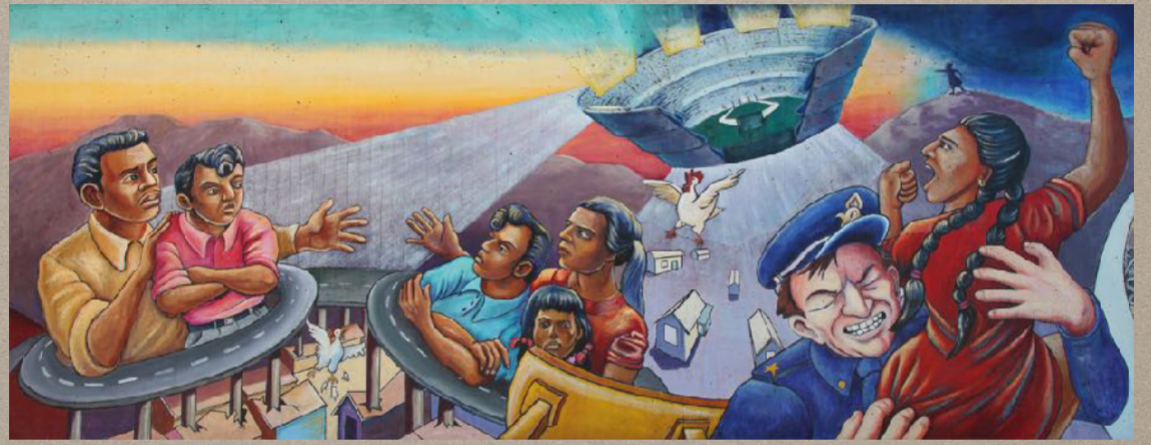
name of artist, artwork, year and how it relates to the course
Judy Baca, Great Wall of Los Angeles. Division of the Barrios and Chavez Ravine, 1976-80

name of artist, artwork, year and how it relates to the course
John Valdez, Mother and Child (1978), Broadway vendor (1986), Luisa (1987)

name of artist, artwork, year and how it relates to the course
Frank Romero, Arrest of the Paleteros, 1996

name of artist, artwork, year and how it relates to the course
Amalia Mesa-Bains, Venus Envy Chapter III: Cihuatlampa, the Place of the Giant Women, 1997
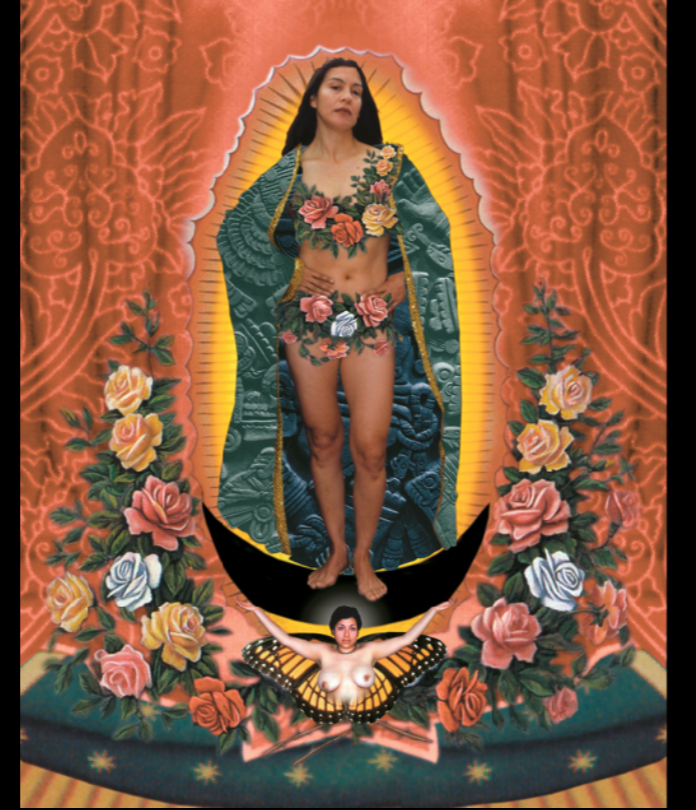
name of artist, artwork, year and how it relates to the course
Alma Lopez, Our Lady, 1999

name of artist, artwork, year and how it relates to the course

name of artist, artwork, year and how it relates to the course
Laura Perez focus on the politics and cultural history of “the dress” as a form of expression and identification in her essay on Chicana artists. Why?
What were the Zoot Suit “riots”?
How is the Virgen of Guadalupe a polyvalent sign in the work of Alma Lopez?
According to Sánchez-Tranquilino, how do murals and graffiti work with an “interdependence of representation”?
Judy Baca argues that public artists have responsibilities and choices; what are they? How does the Great Wall of Los Angeles operate as public art?
What is a “No Movie” and how does it relate to other conceptual art of the 1960-70s?
How did the publication Regeneración emerge? How did it play a role in the creation of the group ASCO?
Describe how the images of Frank Romero or John Valadez created a specifically “Chicanx” representation of Los Angeles with reference to at least one painting from lecture.
According to Professor Salseda, what are key themes in Chicanx murals at Stanford University, and why were some of them controversial?
How do the concepts of “enacted environments” ( James T. Rojas) and the “social production of space” (Henri Lefebvre) help us to understand the ways Chicanx artists used, and still use, public space? Include two specific examples in your essay, covering any time period (i.e. historical or contemporary).
Discuss how women’s bodies are portrayed by any two of the following artists: Amalia Mesa-Bains, Yolanda Lopez, Esther Hernandez, Alma Lopez, Patsy Valdez, Judy Baca, John Valadez. How does this representation relate to the broader concerns of Chicanx art practice?
How do Asco’s No-Movies and street performances offer an alternative aesthetic to other Chicano/a art of the period? Use two examples of ASCO’s artworks and one example of other Chicana/o art to make your argument.