Exam 5 IDT
 Call Kai
 Learn
 Practice Test
 Spaced Repetition
 Match
 Flashcards
 Knowt Play
1/101

There's no tags or description
Looks like no tags are added yet.
102 Terms
NSAID MoA + AE
MOA: block COX to inh synth of sensitizing prostaglandins
AE: hepatotoxicity,
-COX-1: peptic ulcers, GI bleed (PGE/I2)
-COX-2: Stroke, Myocardial infarction
-Both: Na/H20 retention, HTN< Hemodynamic AKI
Pearls: evaluate MI/Stroke/GI bleed risk, premature closure of ductus arteriosus (CONTRA 3rd trimester), CONTRA CABG perioperative, ^ BP, Avoid in kidney dx
Acetaminophen / APAP
MOA: weak COX inh, serotonergic agonist, TRPV1 and Cannabinoid 1 agonist
Adult dosing: PO: 325-625 mg Q4-6 hours; Max: 4000 mg/day; Max dose 2000 mg/day if high risk of hepatotoxicity
-IV: ≥50 kg: 650 mg every 4 hours, or 1 g every 6 hours; Max: 3000 mg/day
-<50 kg: 12.5 mg/kg every 4 hours, or 15 mg/kg every 6 hours; Max: 75 mg/kg/day (≤3.75 g/day)
Peds: PO: 10 to 15 mg/kg/dose every 4 to 6 hours
Onset: <1h PO, 5-10min IV; PO Bioav: 88%; peak at 1h; t1/2 2.5h (4-8 if impair metab); 95% hepatic metab excretion
Major metab: Glucoronidation + Sulfation; minor pathway: APAP-CYP>NAPQI (TOXIC + detoxified by GSH)
-Isoniazid + alcohol ^^ NAPQI pathway>Hepatotoxicity
-Phenytoin + Phenobarbital inhibits Gluc/Sulf metab (^^NAPQI)
GSH is limited, ^ dose causes ^NAPQI
TX APAP TOX: NAC (^GSH resovoir)
Ketamine
Effective analgesic & IV anesthetic (veterinary use)
Subanesthetic doses potentiate opioid analgesia.
MOA: Blockade of NMDA receptors will block wind up to reduce chronic pain
Reduce pain memory, send of threat and depression in brain
Uses:
-Chronic pain, opioid hyperalgesia, depression
-Analgesia in opioid tolerant or dependent patients
-may activate descending inhibitory reaction pathways
-Limited efficacy in acute pain
AE: Dissociative/psychotomimetic effects, addictive
CONTRA: uncontrolled CV disease, preg, hepatic dx
Duloxetine
SNRI
-CONTRA: hepatic or likver dx
Risk ^BP
Mod inh CYP2D6
Gabapentinoids
IDIC: epilepsy, neuralgia, fibromalgia
MOA: Ca Chan blocker inh NT rel
Renal dose adjustment
CGRP receptor antagonists
or migraine “Gepants”
Action in trigeminal ganglia and dorsal horn
Opioid Receptor Actions: μOR, δOR, κOR
μOR: Most general receptor
analgesia, sedation, euphoria,
respiratory depression, constipation and dependence
δOR: mild analgesia
less respiratory depression, less constipation
κOR: analgesia, dysphoria
less respiratory depression, less dependence, minimal constipation
Opioid Pharmacology
Brain:
Euphoria, dysphoria, hallu, sedation, analgesia, cloudiness
Brainstem:
Analgesia (PAG)
Inhibit tonic GABA inhibition of descending inhibitory pathway
Allows for activation of inhibitory descending pathways
Respiratory Depression (Pons)
Decreased sensitivity to pCO2
Uncommon at normal doses; 1° Cause of death in overdose; Tolerance slightly lags analgesia
Periphery/Spinal Cord:
-sel to sensory pathways (no paralysis), presyn vNT rel, Post syn ^K to hyperpolarize, analgesia
GI smoo M:
-v secretion and motility, ^ sphincter tone, prolonged labor, ^ bronchiol constriction
Opioid endocrine + immune effects
Modest decrease in BMR and temp – during withdrawals (^^ temp)
Modest immunosuppression
Mast cells: Histamine release causes pruritis and hypotension
Pituitary: Possible increase in prolactin and growth hormone
Hypogonadism: GnRH, LH, FSH, ADH, Estradiol and Testosterone decrease: Decreased libido, low energy, menstrual irregularity, modest diuresis.
Tolerance usually (not always) develops & normal levels return.
Opioid Withdrawal
Autonomic hyperactivity
tachypnea
tachycardia
hypertension
Piloerection "goose flesh" & chills
Pupillary dilation and photophobia
Insomnia, yawning
Myalgia
Diarrhea
Hyperthermia & Sweating
Lacrimation and/or rhinorrhea
Nausea/vomiting
Irritability/Anxiety
Cravings
Treatment is symptomatic: Clonidine for autonomic hyperactivity and anxiety, NSAIDS for myalgia, loperamide for diarrhea, anti-nausea drugs, etc.
Opioid Contra
•Benzos, Barbiturates, Alcohol and Skeletal muscle relaxants: Increased CNS and respiratory depression can be deadly.
•Tricyclic Antidepressants and Antipsychotics: Increased sedation. Accentuation of cardiovascular effects (hypotension and tachycardia).
•Serotonergic drugs (SSRIs, SNRIs, TCAs, MAO-Is, Triptans): Serotonin syndrome (hyperpyrexia), esp. with fentanyl, methadone, tramadol, dextromethorphan (due to effects as SNRI or 5HT agonists).
Opioid ACUTE OVERDOSE: Diagnostic Triad
Pinpoint Pupils: no tolerance but hypoxia can cause dilation
Respiratory Depression: slow breathing, cyanosis, cessation
Coma: initially poorly responsive
Tolerance / Dependence:
Increasing doses without relief may indicate opioid-induced hyperalgesia
Tolerance develops fastest for: Analgesia, Euphoria/Dysphoria, Mental clouding, sedation, N/V
Slower Tolerance: Respiratory depression
No Tolerance to: Constipation & Miosis
Dependence: Physical and Psychological
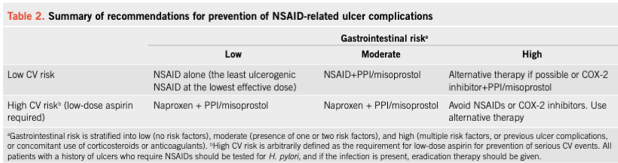
Balancing GI vs CV risks
Note : naproxen does not increase CV/Stroke risk
Diclofenac Gel
Voltaren
6% topical - abs systemically; up to 2 areas QID for arthritis; MAX 32g/d
-may take 7 days for effects
Counsel: wash hands after applying, let sit for 10 min before covering with clothing
Lidocaine
-gel , cream , patch
MOA: Na channel blocker (use-dependent, size-dependent)
-12 h on 12 h off, max 3 patches at once, no heat applied
AE: rash burn; Systemic: seiz, resp depression, drowz, CV collapse/ HoTN,arrhy
INDIC: post herpetic neuralgia
Metab: CYP3A4, CYP1A2
Amide bond harder to cleave than other anasthetics
Capsaicin patch
8% cream, gel, lotion,
MOA: TRPV1) receptors, followed by reduction of TRPV1-expressing nerve endings, reducing substance P
3-4x/d
Counsel: wash hands, avoid touching eyes/mouth
FDA §for post-herpetic neuralgia pain
Barbiturates
GABA A mediated mechanism, poor analgesia
Rapid onset, short acting
Thiopental-metabolized to an active cmpd
Delayed recovery due to metabolism and deposition
Limited availability. Drug-drug interactions
Propofol (Fospropofol is a prodrug version)
barbiturate- like, improved kinetic profile; short half likfe even at prolonged infusion
Etomidate
single injection / not for infusion, mainly for short procedures
fewer cardiovascular effects, more nausea than propofol
Adjuncts in Anesthesia
Benzodiazepams (Diazepam – Valium; Midazolam – Versed)
Used for anxiety, induction of anesthesia,
Can be used to cause amnesia (without complete anesthesia)
Opioids
Preemptive analgesia
Antipsychotics
Neuroleptanesthesia
Calming, sedating effects without loss of consciousness
In combo with opioids for analgesia (Innovar®)
Dexmedetomidine (⍺2 agonist)
Significant sedation and analgesia
Inadequate for general anesthesia alone
Neuromuscular blocking agents / paralytics
Assure immobility
Antimuscarinics (e.g. atropine)
Limit secretions
Muscle Relaxants
§GABA agonists
§Baclofen, diazepam
§Central alpha-2 agonist
§Tizanidine
§TCA-like
§Cyclobenzaprine
§Sedatives
§Methocarbamol
Works in the CNS through different mechanisms
AE: sedation, dizziness, confusion
Use with cautions with other CNS depressants
Commonly used in low back pain, post-op pain
Efficacy is questionable
Corticosteroids
§Methylprednisolone, triamcinolone, hydrocortisone, dexamethasone injections
Indic: Osteo/Rheumatoid arthritis, Spinal cord cord injury
AE: Short-term ^blood glucose, HTN, Facial flushing, Paler skin around injection site
Suzetrigine
Journavax
MOA: small molecule sel in NaV 1.8 voltage-gated Na chan in Dorsal root gang pain N, reducing peripheral pain signaling before reaching CNS
Dosing: load 100 mg once; 12h after loading dose, start 50 mg Q12H
INDIC: mod-severe pain (post-op pain)
CONTRA: concomitant use with strong CYP3A4 inhibitors
§Common AE: itching, rash, muscle spasms
§99% protein-binding à increases drug level 1.5x in hepatic impaired patients
NON-ADDICTIVE, NO M EFFECTS
Carbamazepine / Oxcarbamazepine
Indick: trigeminal neuralgia; Oxcarb is SAFER ; not for acu pain
MOA: non-sel allosteric Na chann inh and antiepileptic
NSAIDS
Aspirin (irreversible COX inhibitor) (COX-1 sel)
Ibuprofen
Naproxen
Diclofenac (topical)
Celecoxib (More COX II)
Meloxicam
Ketorolac (Inj only)
Osteoarthritis
Most common- joint pain that leads to functional limitation and reduced QOL
Pathologically, OA is loss of cartilage, remodeling of adjacent bone and associated inflammation
TX: Non-pharm: Exercise, Tai Chi, wt loss, CBT, Acupuncture, heat/cold
-Pharm: NSAIDs: topical, PO; Intra-articular corticosteroid inj; Maybe APAP, tramadol, duloxetine
CONTRA: IL-1 RA, bisphosphonates, methotrexate, hydroxychloroquine
Cannabinoids to Inhibit Pain
Less predictable efficacy than opioids or other approved analgesics
CB1 actions parallel opioids
Block initiation and transmission?
Activate inhibitory reaction pathways?
CB2 actions inhibit glial & immune cell activation
Block pain sensitization? (more later)
THC-likely effective for pain but side effects are problematic
Cannabidiol (CBD) Very little benefit demonstrated in controlled trials but anecdotally interesting
CNS Sensitization
Sensitization by glia and astrocytes plays a role in CNS
Evidence in humans for glial hyperactivity in chronic back pain primarily in thalamus.
“Wind-Up” mechanism of chronic pain activation
Over time with repeated pain signals:
Increased glutamate release from primary pain neurons.
Glutamate has lower affinity for NMDA versus non-NMDA receptors.
Repeated depolarization leads to activation of NMDA receptors.
NMDA receptor activation in the spinal cord
Remodels the post-synaptic neurons making them easier to depolarize.
Increase receptors on the postsynaptic side
Increase sensitivity of 2° ascending pain neurons
Expand the area reacting as painful
GABA agents to Inhibit Transmission?
NAH
-GABA receptors inhibit pain NT release and decrease neuronal conduction. Agonists should inhibit pain transmission. But GABA receptors also inhibit inhibitory descending pathway
-Benzodiazepines are not good analgesics.
-May reduce anxiety associated with pain or chronic pain syndromes.
Dysfunction of GABA systems are proposed to contribute to hyperalgesia in chronic pain and spasticity.
Drugs | PO Dosing | Additional considerations |
Naproxen (Naprosyn®) | 250–500 mg BID; max 1000 mg/day | ØAvoid use with Crcl <30 due to risk of AKI |
Meloxicam (Mobic®) | 7.5 mg daily; max 15 mg/day | ØUse is not recommended for eGFR <60; Contraindicated for patients at risk of renal failure |
Ketorolac (Toradol®) | 10 mg Q4-6h; max 40 mg/day for ≤5 days | ØDo not use ketorolac for more than 5 consecutive days due to risk of GI bleed, renal failure ØAvoid use in eGFR <30 |
Indomethacin (Indocin®) | 20 mg Q8h | ØHigh risk for CNS effects |
Drugs | PO Dosing | Additional considerations |
Celecoxib (Celebrex®) | OA pain or chronic pain: 200 mg/day in 1-2 doses Acute pain: 400 mg/day | ØAvoid in patients with severe sulfa allergies ØHigh COX-2 activity |
Ibuprofen (Advil®, Motrin®) | 200-800 mg every 4-6 hours; max 3200 mg | ØPed dosing: 5-10 mg/kg Q6-8H PRN; max 40 mg/kg/day |
Diclofenac (Cambia®) | Diclofenac sodium/potassium: 100-150 mg/day; max 150 mg Diclofenac acid: 18-35 mg 3x daily; max 105 mg | ØDosing of diclofenac sodium or potassium is different than diclofenac acid ØHigh COX-2 activity |
COX 1 vs 2
§COX-1 expressed constitutively in the body à plays a role in gastrointestinal mucosa lining (protection), kidney function, and platelet aggregation
-Inh: ulcers, AKI,
§COX-2 expresses during an inflammatory response (inducible)- role in pain, inflammation, fever, ~homeostatic
-Inh: MI/Stroke
The Tripple Whammy
NSAIDs constrict afferent arteriole
ACEi/ARBs dilate efferent arteriole
Diuretics decrease blood volume
Sensitizing nociceptive feedback loop.
•Substance P & CGRP activate immune cells to release more sensitizers
•Bioactive, sensitizing chemicals are released from surrounding inflammatory cells
Lower threshold for depolarization of primary afferent—meaning pain NTs-Substance P, Glutamate, and CGRP, released with less stimuli
Microglia
developmentally descended from primitive macrophages
proinflammatory (M1)- release proinflammatory cytokines, chemokines and neutrophic factors
anti-inflammatory (M2)
Pure Agonists
Morphine, codeine
Oxymorphone
Dextropropoxyphene
Methadone
Pethidine
Etorphine, Bremazocine
Fentanyl
Buprenorphine
Partial agonist - lesser risk of physical dependence bc capped effect + stronger affinity than full ags
INDIC: Pain or OUD
Codeine
INDIC: Cough mostly
MOA: Weak mu agonist, most eff from morphine metabolite
AE: Constipation, NV
Morphine
CYP3A4 metab > Normorphine (weaker ag)
•M3G major glucuronidation metabolite (90%) [M3G is bioactive and is associated with neuroexcitatory effects, including allodynia, myoclonus, and seizures.]
•M6G minor glucuronidation (10%), major contributor to long lasting analgesic effects.
•While polymorphisms exist, named G, C, and T
•Patients homozygous for UGT2B7 802C needed significantly lower dose of morphine for pain relief
Mu-type opioid receptor, (A;A), increased response to morphine
Hydrocodone
Full μ agonist
CYP2D6 converts some drug to hydromorphone
Oxycodone
PO ONLY
Dose: 5-15mg Q4-6H ; Adjust if CrCl<60 or hepatic dx ; Adjust if preexisting Child-Turcotte-Pugh clas A via C liver cirrhosis
BBW: Cyp3A4 inh can risk overdose
CYP2D6 (^active)/3A4 metab
Hydromorphone
IV, PO
Highly potent opioid (4-5x more potent than morphine) - RIsk OVERDOSE
Dose: 1-2mg Q4-6H PO, IV 0.2-0.5mg Q2-4H ; Adj for CrCl60 ; less accum of toxic metab than morphine
Fentanyl
VERY POTENT - not for Opioid naive
Fast onset
Dosing: 25-50mcg q1-2H prn
BBW: CYP3A4 inh > Overdose
Patch: DONT start until at least 60 MME /d, do not touch, do not cut, takes time to eff
Meperidine
Metab (normeperidine) renally cleared
INDIC: acu pain, post-op shivering
AE: lower seizure threshold
CONTRA: renal impair, elderly
Methadone
PO, IM, IVSQ- LONGEST acting
MOA: NMDA ant, Kappa/Delta ag, 5-HT / NE reuptake inh - L isomer more active
INDIC: chronic pain, OUD, rarely for acu
Dosing: init 2.5-5Q8-12H, incr by 2.5mg/dose weekly; OUD: initial 2.5-10mg PO, titrate up to 60-120mg/day
BBW: QT prolongation, Sero syndrome
Mixed function Agonists/Antagonists
Will reduce efficacy and precipitate withdrawal syndrome in the presence of full opioid agonists
Analgesics with less efficacy, less respiratory depression. Less dependence.
•Buprenorphine (Buprenex®): μOR partial agonist, κOR antagonist.
High affinity. Longer acting. Ceiling for respiratory depression (safety factor) but also for analgesia. Useful for chronic pain syndrome
•Oliceridine (Olynvik®) μOR partial agonist. Theoretically, less tolerance, less constipation, less respiratory depression. Approved 2020 for IV in-patient only.
•Pentazocine, Butorphanol (Stadol®), Nalbuphine (Nubain®): Mixed function opioid receptor subtype functions. Less analgesic efficacy and more dysphoria but less respiratory depression and less dependence.
•Samidorphan: Mixed function κOR & ẟOR partial agonist / μOR antagonist. Appetite suppressant. Lybalvi® combo with olanzapine.

Cl.eaved by butylcholinesterase into PEG (allergies
Para confirm ^ potency in anesthetics
Benzonatate
Drugs for acute muscle spasm pain
Not effective for muscle spasticity
NSAIDS, acetaminophen & stretching may work as well for many folk as muscle relaxants
Metaxalone (Skelaxin®)
Methocarbamol (Robaxin®)
Cyclobenzaprine
Methocarbamol
Robaxin; Metaxalone (Skelaxin)
MOA: brain stem ? Ion chann?
AE: sed, drowz, seiz if withdrawal
Cyclobenzaprine
Flexeril
•Brain and spinal cord actions to reduce muscle hyperactivity
•Does not act on muscle directly. Does not block contraction
•Approved as adjunct to rest and physical therapy
•Short duration (2 to 3 weeks) therapy only
•Antimuscarinic, ⍺1 antagonism, 5HT2 antagonism
•TCA structure
•CAUTION: QT prolongation, serotonin syndrome, reduced seizure threshold
Drugs for chronic muscle spasticity
Spinal Cord Inhibitors of motor output neurons - act on VENTRAL HORN
GABA agonists
•Baclofen-GABA B agonist
•Carisoprodol-metabolite meprobamate is a GABA agonist
•Benzodiazepines-GABA A agonists
•As effective as Baclofen but sedating and potentially addictive
•All need to be tapered for slow withdrawal
Withdrawal syndrome includes anxiety, insomnia, twitching, tremors
Carisoprodol and Benzodiazepines can be habit-forming. Sudden withdrawal can cause seizures
•Tizanidine-alpha2 agonist, less effect on BP than clonidine; Sedation is a side effect of all spinal cord inhibitors
Inhibition of Ach release from motor neuron
•Botulin Toxin-long term motor neuron toxin •Blocks voluntary movement which is problematic
Inhibition of Calcium release in skeletal muscle
•Dantrolene-significant muscle weakness
Putative targets of anesthetic action.
(A) enhance inhibitory synaptic activity through hyperpolarization by facilitation of GABA activated Cl- channels or K+ channel activation
(B) diminish excitatory activity through non-competitive blockade of NMDA receptor ion channels.
ACh, acetylcholine; GABAA, γ-aminobutyric acid-A.
agent specifc, non-competitive,
Volatile / inhalational anesthetics
Halogenated gases
GABA A mediated mechanism
Low MAC, High Blood : Gas ratio
Complete anesthesia, Poor analgesia
Halothane – 1st gen
Isoflurane, Enflurane - 2nd generation, medium rate of recovery
Desflurane, Sevoflurane - 3rd generation, rapid recovery
Progressively improved blood:gas ratio, onset and decreased metabolism
Nitrous Oxide N2O
NMDA mediated mechanism
High MAC. Low Blood : Gas ratio
Effective analgesic, weaker anesthetic
Rapid recovery
1 MAC = the percent gas in one atmosphere of pressure required to inhibit response to an incision in 50% of a population.
MAC is comparable to the ED50 value for an anesthetic gas
Determinants of Onset
Inspired Concentration
Ventilation
Cardiac Output
Blood:Gas ratio (solubility in blood)
Determinants of Recovery
Ventilation
Metabolism
Blood:Gas ratio
Fast onset for low blood solubility
Minimal Alveolar Concentration (MAC) – Potency of volatile anesthetics
1 MAC = the percent gas in one atmosphere of pressure required to inhibit response to an incision in 50% of a population.
MAC is comparable to the ED50 value for an anesthetic gas
additive, unique to each agent
NMDA R antags
Ketamine
Dextromethorphan
Memantine
Amantadine
Baclofen
•GABA B agonist
INDIC: Spasticity
Tizanidine
alpha2 agonist, less effect on BP than clonidine
Sedation is a side effect of all spinal cord inhibitors
Dantrolene
Inhibition of Calcium release in skeletal muscle
•significant muscle weakness
Botulin Toxin
Inhibition of Ach release from motor neuron in muscle
-long term motor neuron toxin
•Blocks voluntary movement which is problematic
Naltrexone
Revia
MOA: opioid antag
Slow on / off. Approved for treatment of opioid use disorder and alcoholism
Peripheral OPIOID Antagonists
Treatment of tx resistant opioid-induced constipation
Methylnaltrexone (Relistor®), Naldemedine (Symproic®), Naloxegol (Movantik®),
Alvimopan (Entereg®)-also indicated for post-operative ileus (bowel non-function)
Tramadol
MOA: Weak mu ag, SNRI
Dose; 50mg PO BID, max 400mg/d ; dose adj for renal/liver dx
cyp2d6 interactions, Seizures, Sero Syndrome
CYP2D6 inh: ^tramadol exp > ^seizure/SeroSyndr
Tapentadol
Nucynta
PO
MOA: Weak mu ag, NET inh
Dose: 50-100mg
**
NOT common
Why naloxone in Suboxone?
If pt crushes tab/film and injects, Naloxone kicks in and blocks effect
Opioid Constipation Management
Mush & Push: Stimulant + Stoof softener
Last resort: Peripherally Acting Mu-Opioid Receptor Antagonists (PAMORAS ie: Methylnaltrexone, Naldemedime, Naloxegol
Hydration, exercise
N/V management
Take with food
Consider antiemetic
Opioid BBW
8. Which NSAID is associated with sulfa allergy?
Celecoxib
bc sulfa- group in structure
9. Which NSAID should be used no longer than 5 consecutive days?
Ketorolac (Toradol).
bc GI ulcers and renal tox
13. Adverse effects of corticosteroid injections
Local adverse effects:
Injection-site pain.
Post-injection flare.
Skin atrophy.
Hypopigmentation.
Tendon weakening or rupture.
Cartilage damage with repeated intra-articular injections.
Joint infection (rare but serious).
Systemic adverse effects:
Transient hyperglycemia, especially in diabetic patients.
Facial flushing.
Temporary elevation in blood pressure.
Adrenal suppression with repeated or high-dose exposure.
Mood changes and insomnia.
Exam pearl: Repeated intra-articular corticosteroid injections may accelerate cartilage loss. They should not be administered too frequently.
14. Treatments for osteoarthritis (OA)
Medication | Role |
|---|---|
Topical diclofenac | Often first-line for knee and hand OA |
Oral NSAIDs | Effective for pain and inflammation when appropriate |
Acetaminophen | May be considered when NSAIDs are contraindicated; generally modest efficacy |
Duloxetine | Option for chronic OA pain |
Intra-articular corticosteroids | Short-term relief for selected patients |
Capsaicin | Option for localized OA pain, especially knee OA |
Tramadol | Selected patients when other therapies are inadequate or unsuitable; assess risks carefully |
Important pearls:
Topical NSAIDs are preferred over oral NSAIDs for many patients with knee or hand OA because systemic exposure is lower.
Oral NSAIDs are effective but have more systemic adverse effects.
Duloxetine is useful in chronic pain conditions.
Acetaminophen has relatively modest benefit for OA.
Opioids are generally not preferred for OA.
Hip OA is less amenable to topical NSAIDs because the joint is deep.
Mixed agonist-antagonist
Butorphanol, nalbuphine, pentazocine
Butorphanol
Mixed κ agonist/μ antagonist
Can precipitate withdrawal
Pentazocine
Mixed agonist-antagonist
Dysphoria and psychotomimetic effects
Nalbuphine
Mixed κ agonist/μ antagonist
Can precipitate withdrawal in patients receiving full μ agonists
4. Which opioids have a boxed warning for respiratory depression related to CYP2D6 polymorphism?
Codeine and tramadol.
also pediatric restrictions
(produgs)
5. Which opioids interact with CYP3A4 inhibitors?
Fentanyl.
Oxycodone.
Hydrocodone.
Methadone.
Tramadol.
Buprenorphine.
Examples of CYP3A4 inhibitors:
Clarithromycin.
Erythromycin.
Ketoconazole.
Itraconazole.
Ritonavir.
6. Which opioid can prolong QT?
Methadone can inhibit cardiac potassium channels, particularly hERG channels, delaying ventricular repolarization.
7. Which opioid can lower the seizure threshold?
Tramadol can cause seizures, including at therapeutic doses, with greater risk at higher doses and in susceptible patients.
Meperidine produces normeperidine, a neurotoxic metabolite that can accumulate and cause seizures, especially in renal impairment.
8. Which opioid can increase serotonin syndrome risk?
Tramadol.
Meperidine.
Methadone.
Fentanyl.
10. Which opioids have fast onset?
Drug | Route | Onset |
|---|---|---|
Fentanyl | IV | Very rapid |
Hydromorphone | IV | Rapid |
Morphine | IV | Rapid |
Oxycodone | PO immediate release | Approximately 15–30 minutes |
Hydrocodone | PO immediate release | Approximately 15–30 minutes |
Tramadol | PO immediate release | Approximately 30–60 minutes |
Methadone | PO | Approximately 30–60 minutes |
11. Which opioids have long duration of action?
Methadone: Long and variable half-life.
Buprenorphine: Long receptor-binding duration and prolonged effects.
Fentanyl patch: Delivers medication over approximately 72 hours.
Extended-release formulations of morphine and oxycodone: Longer duration than immediate-release formulations.
12. Which opioid has an unpredictable but long half-life?
Methadone has a long and highly variable elimination half-life, commonly approximately 8–59 hours.
Important distinctions:
Analgesic duration is shorter than its elimination half-life.
It can accumulate with repeated dosing.
Respiratory depression can occur after the analgesic effects have diminished.
Dose titration must be cautious.
13. Which opioids are available PO only?
Codeine.
Hydrocodone (commonly studied oral formulations).
Oxycodone (although injectable formulations exist in some settings).
Tramadol.
Tapentadol.
14. Which opioids are available IV only?
Alfentanil.
Sufentanil (also has other specialized formulations).
Remifentanil.
Fentanyl, morphine, hydromorphone, and meperidine are also available IV, but they are not IV-only.
15. Which IV opioid is preferred in patients with renal failure?
Fentanyl is often preferred.
Why?
Primarily metabolized in the liver.
Inactive metabolites.
Less accumulation of active renally cleared metabolites compared with morphine.
Hydromorphone is another possible option, but its H3G metabolite can accumulate in renal impairment.
Avoid or use particular caution with morphine and meperidine:
Morphine: M6G can accumulate and cause prolonged sedation and respiratory depression; M3G can cause neuroexcitation.
Meperidine: Normeperidine can accumulate and cause seizures.
18. Which opioids can be used for pain AND opioid use disorder?
Buprenorphine and methadone.
Medication | Pain management | OUD treatment |
|---|---|---|
Buprenorphine | Yes | Yes |
Methadone | Yes | Yes |
Naltrexone | No analgesic role; blocks opioid effects | Yes |
Buprenorphine is a partial mu agonist.
Methadone is a full mu agonist.
Naltrexone is an antagonist and cannot be used as an opioid analgesic.
20. How do you manage opioid allergy?
eaction
Characteristics
Side effect
Nausea, vomiting, constipation, sedation
Pseudoallergy
Histamine release causing itching, flushing, mild urticaria
True allergy
Immune-mediated reaction, potentially involving anaphylaxis, angioedema, or severe rash
24. Treatment of opioid withdrawal
Medication | MOA / role |
|---|---|
Buprenorphine | Partial mu agonist; reduces withdrawal symptoms and cravings |
Methadone | Full mu agonist; reduces withdrawal symptoms |
Clonidine | Alpha-2 agonist; decreases sympathetic symptoms |
Lofexidine | Alpha-2 agonist; decreases autonomic withdrawal symptoms |
Loperamide | Treats diarrhea |
Ondansetron | Treats nausea and vomiting |
NSAIDs | Treat muscle aches and pain |
Buprenorphine and methadone are preferred evidence-based treatments for OUD.
Clonidine and lofexidine help manage withdrawal symptoms but do not provide the same protection against relapse and overdose as ongoing OUD treatment.
3. Treatments for diabetic peripheral neuropathy (DPN)
Duloxetine.
Pregabalin.
Gabapentin.
Amitriptyline.
Class | Examples | MOA |
|---|---|---|
Gabapentinoids | Gabapentin, pregabalin | Bind alpha-2-delta subunit of voltage-gated calcium channels; decrease excitatory neurotransmitter release |
SNRIs | Duloxetine, venlafaxine | Increase serotonin and norepinephrine in descending inhibitory pain pathways |
TCAs | Amitriptyline, nortriptyline | Inhibit serotonin and norepinephrine reuptake; enhance descending pain inhibition |
Sodium channel blockers | Selected agents such as carbamazepine | Reduce neuronal excitability by blocking voltage-gated sodium channels |
4. Treatments for postherpetic neuralgia (PHN)
varicella-zoster virus damages sensory nerves. » ALLODYNIA, hypersense, burning, tingling, shooting pain
TX:
Medication | MOA | Clinical pearls |
|---|---|---|
Gabapentin | Alpha-2-delta calcium channel binding | Common first-line option |
Pregabalin | Alpha-2-delta calcium channel binding | FDA-approved for PHN |
Lidocaine 5% patch | Blocks voltage-gated sodium channels | Particularly useful for localized pain and allodynia |
Capsaicin 8% patch | TRPV1 activation followed by nociceptor defunctionalization | Applied by a healthcare professional |
Amitriptyline | TCA; increases serotonin and norepinephrine | Can help neuropathic pain but has anticholinergic effects |
Nortriptyline | TCA | Often better tolerated than amitriptyline |
Duloxetine | SNRI | Alternative systemic option |
Tramadol | Weak mu agonist; serotonin/norepinephrine reuptake inhibition | Selected second-line option |
5. Treatments for trigeminal neuralgia (TN)
sudden, severe, electric-shock-like facial pain. Usually unilateral.
Episodes last seconds to minutes.
Triggered by chewing, talking, brushing teeth, or touching the face.
Pain occurs in recurrent attacks
Drug
MOA
Important adverse effects
Carbamazepine
Blocks voltage-gated sodium channels, reducing repetitive neuronal firing
Dizziness, diplopia, ataxia, hyponatremia, leukopenia, aplastic anemia, agranulocytosis, SJS/TEN
Oxcarbazepine
Blocks voltage-gated sodium channels
Dizziness, diplopia, hyponatremia, rash
Also: Lamotrigine.
Baclofen.
Gabapentin.
Pregabalin.
Botulinum toxin type A.
Surgical intervention for refractory cases.
6. Treatments for neuropathic cancer pain
Tumor compression of nerves.
Nerve infiltration.
Chemotherapy-induced neuropathy.
Radiation-related nerve injury.
Surgical nerve damage
Medication | Role |
|---|---|
Gabapentin | Neuropathic pain adjunct |
Pregabalin | Neuropathic pain adjunct |
Duloxetine | Particularly useful for certain chemotherapy-induced neuropathies |
Amitriptyline | Neuropathic pain adjunct |
Opioids | May be needed for moderate-to-severe cancer-related pain |
Corticosteroids | May reduce pain from tumor-associated edema or nerve compression in selected patients |
7. Treatment for isoniazid-induced neuropathy
by interfering with pyridoxine metabolism and function.
Pyridoxine is necessary for normal neuronal function and neurotransmitter synthesis.
8. Treatment for low back pain
Acu:
Remain active as tolerated.
Heat therapy.
NSAIDs.
Acetaminophen when appropriate, although evidence of benefit is limited.
Short-term muscle relaxants
Chronic:
Exercise therapy.
Physical therapy.
Cognitive behavioral therapy.
Mindfulness-based interventions.
NSAIDs when appropriate.
Duloxetine as a medication option.
AVOID: gabapentinoids, opioids
9. Treatment for fibromyalgia
widespread musculoskeletal pain and altered pain processing. - Widespread pain.
Fatigue. Sleep disturbances. Cognitive difficulties (fibro fog). Tenderness. Mood disturbances.
It is considered a nociplastic pain condition.
Medication | Class | MOA |
|---|---|---|
Duloxetine | SNRI | Increases serotonin and norepinephrine in descending inhibitory pain pathways |
Milnacipran | SNRI | Increases serotonin and norepinephrine |
Pregabalin | Gabapentinoid | Binds alpha-2-delta calcium channel subunit and decreases excitatory neurotransmitter release |
Also: Amitriptyline, Gabapentin, Cyclobenzaprine
11. Drug interactions associated with antidepressants
SSRIs.
SNRIs.
TCAs.
MAOIs.
Tramadol.
Meperidine.
Methadone.
Fentanyl.
Linezolid.
Triptans.
TCA
MOA: block NET/SERT , Muscarinic, H1, A1
AE: Ortho HoTN, Anti-Sludge, Wt gain, Sed, QT PROLONG, Arrhythm
Most sedating: Amitriptyline; Better tolerated: Nortriptyline
Topiramate
ae: cogn, kidney stone, wt loss, paresthesia
Antidepressants that inh CYP2D6
Fluoxetine, Paroxetine, Buproprion