audiology pretest
 Call Kai
 Learn
 Practice Test
 Spaced Repetition
 Match
 Flashcards
 Knowt Play
1/43

There's no tags or description
Looks like no tags are added yet.
44 Terms
when do we use masking?
there is greater than 10 dB difference between AC of test ear and BC of non test ear (bc its over attenuation), there is a greater than 40 dB difference between AC results between ears
you suspect bilateral conductive or bilateral mixed hearing loss
assymetry between AC/BC between ears
what can air conduction audiometry determine?
degree of hearing loss at each frequency, for each ear
what can air conduction audiometry NOT determine?
can’t localize site of damage
3 types of transducers for air conduction
supra aural earphones, insert earphones, speakers
^
bone conduction on forehead (unmasked)
<
bone conduction, right ear, unmasked
>
bone conduction, left ear, unmasked
attenuation for bone vs air
air conduction mechanism
normal means of sound transmission in everyday scenarios
air conduction audiometry
determines the intensity threshold in dB at which a person just begins to hear sound at each frequency tested
perceptual correlates w/ units
loudness for intensity in dB, pitch for frequency in Hz
earphone placement
make sure head band fits head appropriately, center of earphone is seated over ear, use insert earphones when appropriate

type A, normal
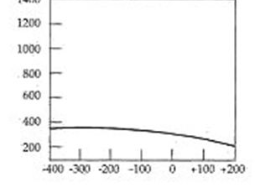
type B, middle ear pathology
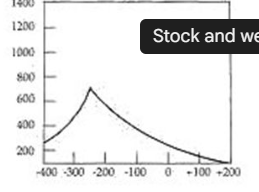
type C, negative pressure (Eustachian tube dysfunction)
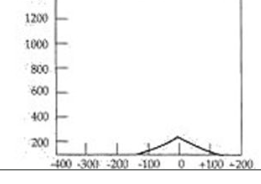
type As, stiff eardrum
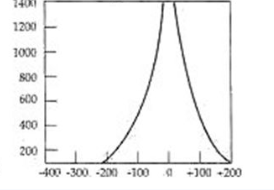
type Ad, flaccid eardrum
SRT
speech reception/recognition threshold
WRT
word recognition threshold or score
WDT
word discrimination threshold or score
purpose of speech reception threshold
threshold for reception of speech stimuli, reliability and cross check of pure tone findings
PTA
pure tone average at 500, 1000, 2000 Hz
indication of pseudohypocusis
PTA scores should be similar to speech recognition threshold
why do we use those PTA frequencies?
vowels used for speech power are concentrated at lower frequencies
PTA frequencies
500, 1000, 2000 Hz
how do we test SRT? (3)
spondees and spondee picture boards, cold running speech, point to body parts such as eyes nose
methodology for threshold search (4)
familiarize patient with several words first, patient repeats word or points to picture, Hughson-Westlake down 10 up 5 dB, 2/3 accuracy = threshold

SRT board

what is this an example test of?
speech reception/recognition threshold
headphone colors
right red, left blue
2 similarities between SDT/SAT
still uses speech stimuli, still seeks a threshold in dB
which will always have a LOWER dB HL: SRT or SDT?
SDT by about 7-9 dB lower than SRT
recognition or understanding of the speech stimuli does not occur until…
about 7-9 dB HL above the level of detection
should you start low or high? (intensity)
always start high and work low
slide 15
difference between speech recognition vs word discrimination
WRS is above threshold so should be 100%, SRT should be able to repeat back 50% of time close to pure tone average
2 methods for testing word descrimination ability
30-40 dB SL, most comfortable listening level (preferred)
MCL
most comfortable listening level
benefits of using MCL (4)
inter test reliability, reference for discrimination testing, indicator for narrow dynamic range, future use in hearing aid fitting
ASSR
auditory steady state response
DPOE
distortion product otoacoustic emission, complex stimulation to cochlea
TEOAE
transient evoked OAEs, brief/transient stimulation to the cochlea
which OAEs are more widely used?
distortion product
are OAEs direct measure of hearing?
no