Psychology Chapter 3 and 4
 Call Kai
 Learn
Learn Practice Test
 Spaced Repetition
 Match
Match Flashcards
 Knowt Play
1/195

There's no tags or description
Looks like no tags are added yet.
Name | Mastery | Learn | Test | Matching | Spaced | Call with Kai | Chat |
|---|
No analytics yet
Send a link to your students to track their progress
196 Terms
Acetylcholine
Neurotransmitter enables muscle action; attention, learning, memory, sleeping, and dreaming
Action protential
Electrical signal down the axon caused by the movement of ions across the membrane
Agonist
Drugs that mimic the effect of neurotransmitters by binding to the receptor
All-or-None principle
The principle that when a neuron reaches its maximal threshold the actional potential either fires or doesnt.
Amnesia
Partial or total memory loss
Amygdala
Limbic system involved in emotions and emotional memories, recognizes and response to stimuli to induce fear
Antagonists
Drugs bind to receptors improperly, prevents the neurotransmitter from transferring information
Aphasia
condition resulting in speaking impairment or language comprehension
Association Cortex
majority of the cerebral cortex that isn’t the primary sensory or motor cortices to produce cognition
Autonomic Nervous system
controls internal organs in the body, does so unconsciously. Split into two different systems, sympathetic and parasympathetic systems

Axon
extends from cell body, carries information to other neurons

Axon terminal
located at the end of the axon contains everything needed to transfer the information to another neuron
Basal Ganglia
collection of subcortical brain areas involved in the control of movement
Binge drinking
5+ drinks at one time for males, 4+ drinks at one time for females
Brain damage
injury inflicted on a particular part(s) of the brain
Brain Stimulation
applies electrical stimulation to specific brain areas to examine localized brain functions and how it affects behavior
Broca’s Area
located in the frontal lobe that’s critical for the PRODUCTION of language
Cannabinoids
chemicals that alter perception, increases relaxation, induces time distortion and impairs coordination
Case Studies
studies people with brain damage in order to localize behaviors and mental functions
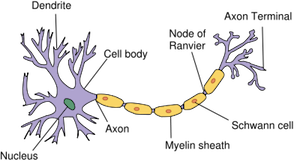
Cell body/ The Soma
contains structures that synthesize proteins, produces energy for the neuron and contains genetic material
Central Nervous System (CNS)
Brain and spinal cord encased in bone for protection
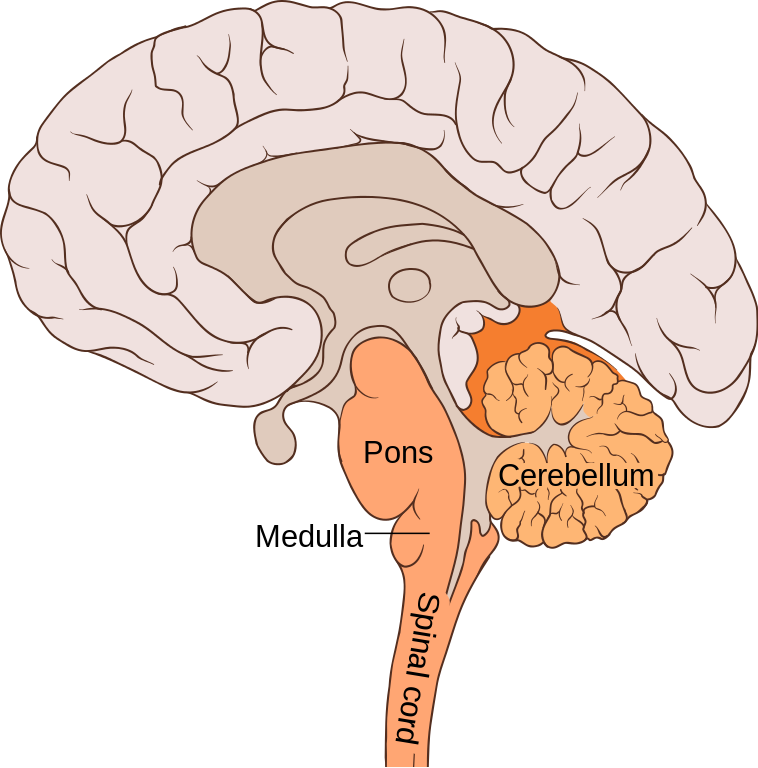
Cerebellum
Hindbrain structures important in coordinating smooth movements and balance

Cerebral Cortex
CNS depressants
psychoactive drugs that decrease brain activity and arousal
CNS Protection
Conduction
Transfer of information within a neuron.

Corpus Callosum
thick band of myelinated axons that connects the two cerebral hemispheres

Dendrites
Receives information from other neurons, looks like tree branches
Dopamine
neurotransmitter that influences movement, motivation, emotion, pleasure, arousal
Electroencephalograph (EEG)
electrodes are placed on a person’s scalp, allows the measurement of changes in brain activity
Emotion
complex internal state that involves physiological, cognitive, and behavioral components
Endocrine system
communication system that is made up if glands that release chemical messengers such as hormones
Endorphins
neurotransmitters that act within the pain pathways and emotion centers of the brain; lack of endorphins can create a lower pain threshold or ability to self soothe
Figh or Flight response
coordinated set of activities that prepares the body for action by the sympathetic nervous system
Frontal Lobe
largest lobe of cerebral cortex; processes voluntary motor movements in the motor cortex
Function
an activity or purpose
GABA
major inhibitory neurotransmitters; a low supply is linked to seizures, anxiety, and insomnia

Glial Cells
provides structural and functional support for neurons, nutrition, regulates chemicals, removes waste, and creates a blood brain barrier
Glutamate
major excitatory neurotransmitter; low supply can overstimulate the brain
Hallucinogens
diverse group of drugs, causes sensory and perceptual disorders
Hebbian Learning
Highly Complex Behaviors
executive functions, language, and personality

Hippocampus
limbic system structure concerned with basic drives, emotions, and memory. high plasticity
Hormones
chemicals produced by glands of the endocrine system

Hypothalamus
regulates body temperature, hunger, thirst, sexual behavior, sleep. links the brain and endocrine system, and controls the autonomic nervous system
Information Transfer
communication between neurons. occurs from outside world to brain, it integrates and processes within and sends it back out to the muscles and glands
Insula
cortical structure involved in self-awareness and processing a variety of stimuli to influence decision making
Interneuron
a neuron that connects two other neurons
Ion channels
specialized pores in cell membrane that allow the passage ions
Language
spoken and written communication
Lateralization
functions become localized in right or left hemisphere
Learning and memory
the acquisition and retention of information, involves hippocampus
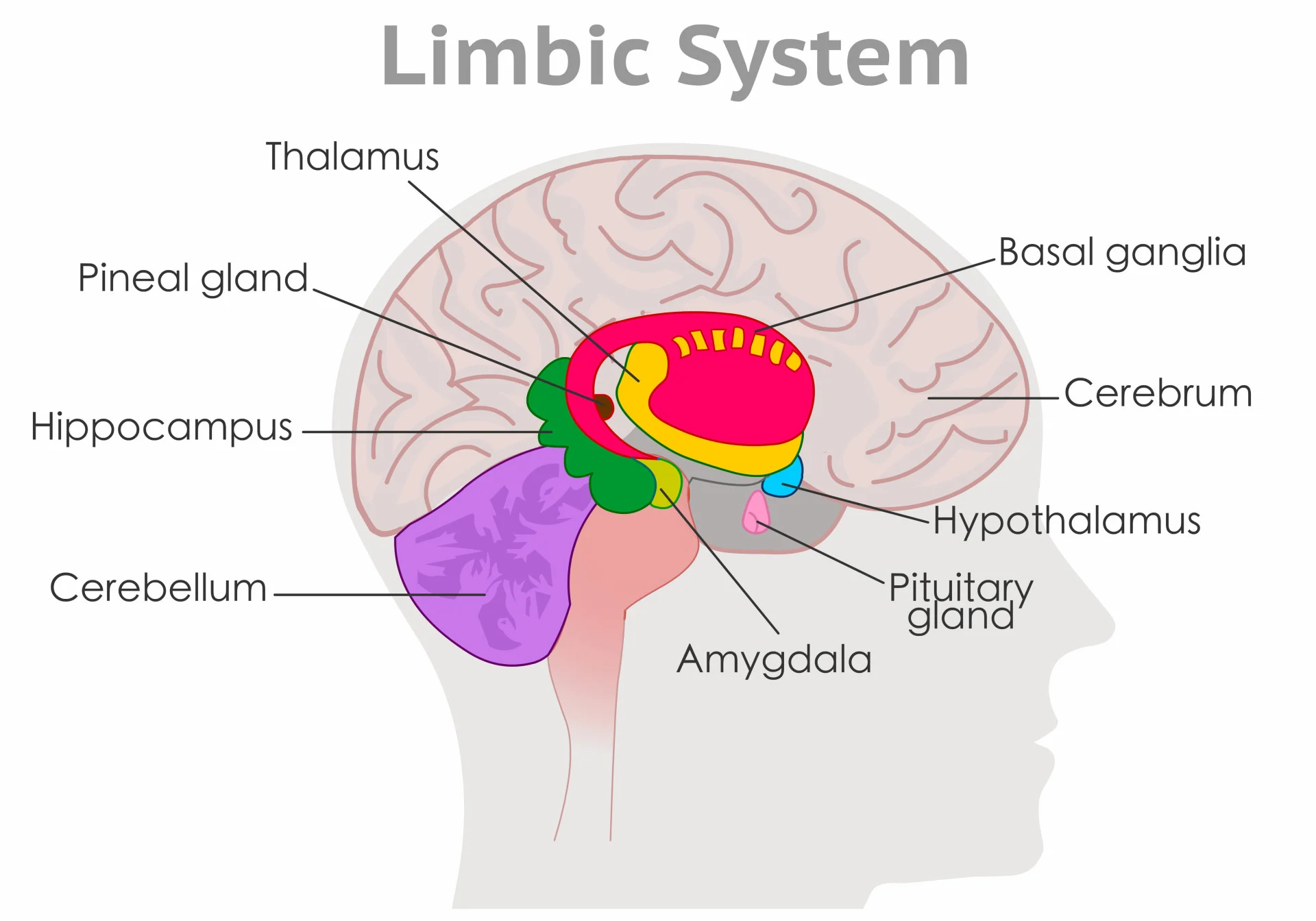
Limbic System
set of forebrain structures that play a critical role in regulating emotion or feelings
Localization
particular brain areas that are critical for specific functions
Medulla
a structure within the hindbrain that is responsible for basic life functions and reflexes
Mirror Neurons
located in motor cortex, active when making a movement, watching others perform the same movement, and imitating people
Motor Cortex
area in frontal lobe region of the brain, controls movement of different body parts
Motor Neuron
individuals neurons that carries signals from the cns to the muscles and glands to produce movement
Movement
engages in smooth coordinated changes in position of the body

Myelin Sheath
fatty cover that insulates axons and increases speed of information transfer
Nervous system
consists of all neurons that transfer information to and from brain
Neurogenesis
formation of new neurons in specific areas of the developed brain
Neuroimaging
techniques that allow researchers and clinicians to study the brain in awake healthy people such as PET and MRI scans
Neurons
brain cells thar communicate with other cells to generate behavior and mental activity
Neuroplasticity
Neurotransmitters
specialized chemicals that travel across the synapse to transfer information
Norepinephrine
neurotransmitter that helps control mood and arousal, low supply causes depressive mood
Occipital Lobe
brain area that processes incoming visual information in the primary visual cortex
Opioids
class of drugs used to relieve pain, mimic endorphins and bind to the same receptors in brain
Orbitofrontal Cortex
located behind the eye sockets, mediates bodily responses associated with emotion
Parasympathetic nervous system
branch of the ANS associated with rest and regeneration
Parietal Lobe
brain area that processes information about body sensations, touch, temp, and pain
Perception
process by which the brain organizes and interprets sensory info
Peripheral Nervous system
consists of neurons outside the CNS, allows the brain and spinal cord to communicate within the rest of the body
Pituitary Gland
regulates the activity of other glands by releasing different hormones
Plasticity
process of structural and functional changes in the brain caused by life experiences
Pons
hindbrain structure, where motor information crosses to the opposite side, for coordinating movement
Postsynaptic Potential
localized change in internal charge of neuron
Prefrontal Cortex
involved in short term memory, reasoning, planning, decision making, and inhibition of inappropriate behaviors
Programmed Cell death
removes excess neurons that aren’t needed or used
Psychoactive Drugs
substances that affect behavior and mental processes by altering the transfer of info
Receptors
proteins in the cell membrane of the receiving neuron, lock and key manner for recognizing chemicals
Refractory Period
brief action after an action potential with no further firing until membrane ions are balanced
Resting Potential
allows neuron to respond to incoming info from other neurons
Reticular Formation
runs through the hindbrain and brainstem, regulates arousal, attention, and sleep
Reuptake
chemicals are taken back up into the presynaptic axon terminal where they repackaged in the vesicles
Saltatory Conduction
process of action of potential jumping down the axon of myelinated neurons
Sensation
the detection of info from the environment
Sensory Neuron
communicates sensory info to the spinal cord
Serotonin
neurotransmitter that regulates hunger, sleep, arousal, and aggressive behavior, low supply linked to depression
Somatic Nervous System
somatosensory cortex
spinal cord
spinal reflex
split brain operation
stimulants
striatum
structure
substance use disorder
substantia nigra