13. Streams and Floods
 Call Kai
 Learn
 Practice Test
 Spaced Repetition
 Match
 Flashcards
 Knowt Play
1/35

There's no tags or description
Looks like no tags are added yet.
36 Terms

The hydrological cycle
Water is stored in the oceans, glacial ice, the ground, lakes, rivers, and the atmosphere. Its movement is powered by the sun and gravity.

milankovich orbital cycles
eccentricity (how circular the orbit), obliquity (axis tilt of earth), and procession

Fluvial systems
the most important agents of geomorphological change

Stream
any body of flowing water

Drainage basin
the catchment area of a stream, including the area where all surface water drains into the stream

Gradients
the slope of a stream bed over a specific distance, typically expressed in m per km

Base level
in the context of a stream the base level is the lowest level that it can erode down to, as defined by the ocean, a lake or another stream that it flows into

Three types of drainage patterns that lead to basins
Dendritic, trellis, rectangular

Dendritic
a pattern of drainage channels that resembles the branches in a tree

Trellis
a drainage pattern in which tributaries typically flow parallel to one other but meet at right angles

Rectangular
a drainage pattern in which tributaries typically flow at right angles to each other and meet at right angles

radial
a pattern of streams radiating out from a central point, typically an isolated mountain
Where does water come from for a fluvial system
Groundwater, precipitation,

Sheetwash water runnoff
the movement of water, usually storm runoff, flowing in a thin layer over the ground surface
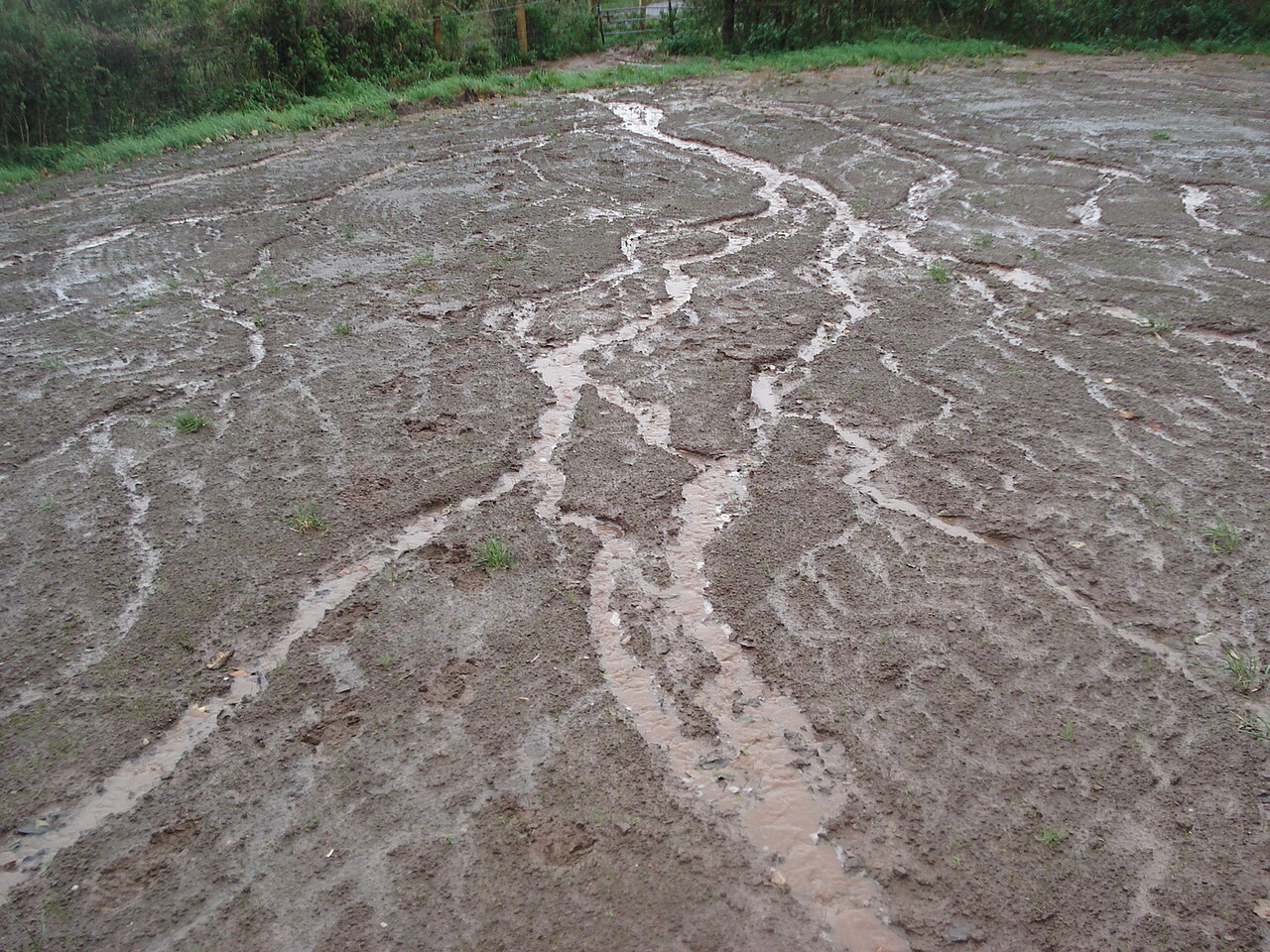
Rill formation
On relatively rough surfaces, sheetflooding may give way to rill wash, in which the water moves in a system of enmeshed microchannels, which eventually become larger and develop into gullies.
Factors that influence a river system
Stream gradient
Stream velociy

Stream gradient
slope
change in elevation over longitudinal distance
steepest in the headwaters
the river system strives for EQUILIBRIUM

Graded stream
A stream in equilibrium, showing a balance between its transporting capacity and the amount of material supplied to it, and thus between degradation and aggradation in the stream channel.
Stream velocity
channel width will increase in slower places
Channel roughness slows it down
As you go downstream
Roughness’s effect
discharge effect
Gradient effect
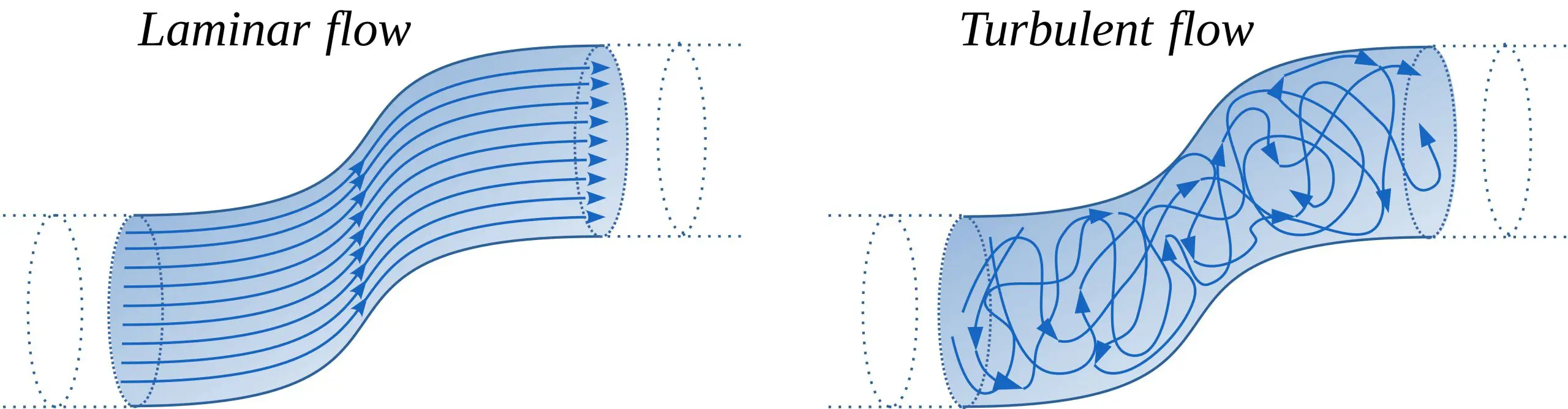
Turbulent flow vs laminar flow
Laminar flow occurs when the particles in a fluid move in one direction with little or no movement perpendicular to the flow direction. Turbulent flow occurs when fluid particles move perpendicular to the direction of flow, usually in swirls called eddies

Discharge
the volume of water flow in a stream expressed in terms of volume per unit time (e.g., m3/s)

Bed load
the fraction of a stream’s sediment load that typically rests on the bottom and is moved by saltation and traction
Factors that move bed load
Saltation and traction

Saltation
the bouncing of particles along a stream bottom or desert floor
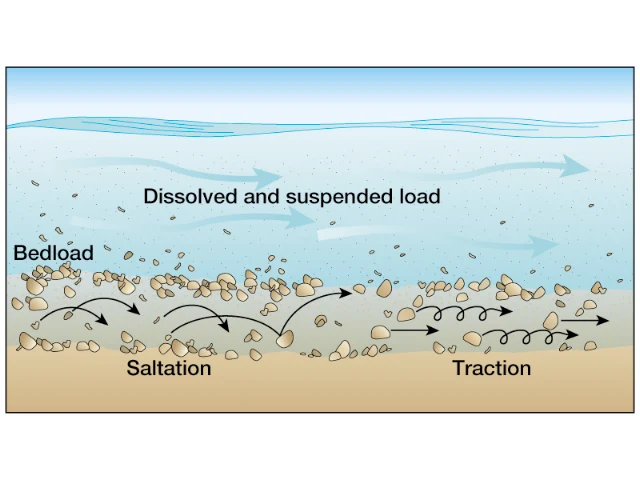
Traction
a force that contributes to the movement of particles situated on a stream bed or desert floor

bank-full stage
A stream typically reaches its greatest velocity when it is close to flooding over its banks

Youthful streams
a stream that is actively down-cutting its valley in an area that has recently been uplifted
typically have step-pool
They also have steep gradients and steep and narrow V-shaped valleys—in some cases steep enough to be called canyons.

Step-pool morphology
a characteristic of stream flow in which water flows from one pool to another, typically on a stream with a steep gradient

Braided pattern
a stream pattern which is characterized by abundant sediment and numerous intertwining channels around bars
Can develop anywhere there is more sediment than a stream is able to transport. One such environment is in volcanic regions

Meandering
the sinuous path taken by a stream within a wide flat flood plain

Oxbow lake
a part of a stream meander that has become isolated from the rest of the stream as the result of a meander cutoff