US History test
 Call Kai
 Learn
Learn Practice Test
 Spaced Repetition
 Match
Match Flashcards
 Knowt Play
1/16

Earn XP
Description and Tags
American government and formation
Name | Mastery | Learn | Test | Matching | Spaced | Call with Kai | Chat |
|---|
No analytics yet
Send a link to your students to track their progress
17 Terms

James Madison
father of the constitution considered to have the most influence on the constitution

Alexander Hamilton
1st secretary of the treasury under george washington - created the bank of the us established one of the first political parties federalists
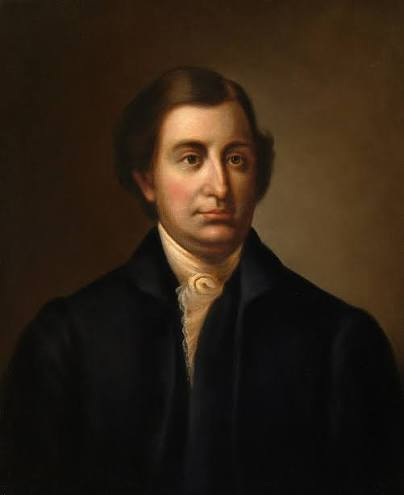
Edmund rudolph
advocate against the new constitution (anti federalist) until a bill of rights was included then he switched his vote in favor of the new government

Constitution
(1789) government of the United States (still used today) - the highest law of the nation. A three branch system of government (legislative, judicial, executive) of checks and balances

Constitutional convention

Virginia plan
representation in congress (legislative branch) should be based on a state’s population - favored large states.

BIcameral legislature
Two house legislature of Congress - Senate (upper house) and the House of Representatives (lower house)
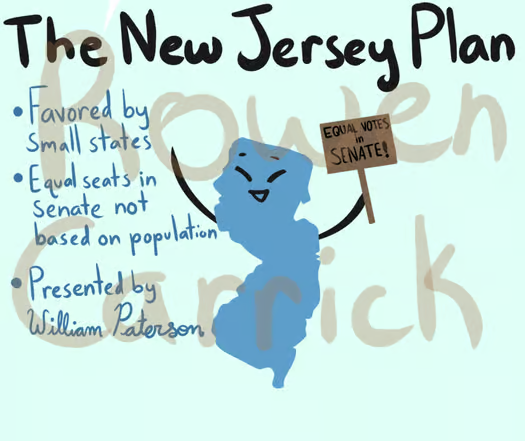
New Jersey plan
Representation in congress ( legislative branch) should be equal among the states
Unicameral legislature
One house legislature of Congress with an equal number of representatives
Commerce Compromise
Congress was forbidden from taxxing a states exports or to take action against the slave trade for 20 years (1808)
Federalists
Members of one of the first political party who favored ratification (approval) of the constitution
Popular sovereignty
vote of the people
Supremacy Clause
Article lV 4 of the constitution, makes the construction and federal laws superior to state laws.
Federalism
System of government where authority is divided among federal, state and local governments
Legislative branch
(Congress) in charge of making laws
Executive branch
the position of the president who enforces laws
Judicial branch
(Federal Courts) decides whether or not the laws are constitutional