CELL 210 BYU- Midcourse Lab exam 3
 Call Kai
 Learn
 Practice Test
 Spaced Repetition
 Match
 Flashcards
 Knowt Play
1/269

There's no tags or description
Looks like no tags are added yet.
270 Terms
auricle of ear

external acoustic meatus
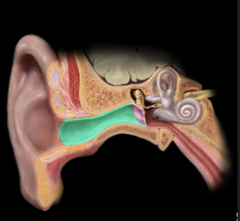
middle ear

tympanic membrane

auditory ossicles

malleus

incus

stapes
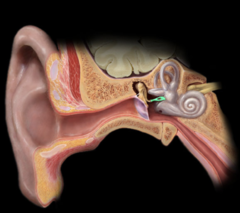
oval window

round window

auditory tube

inner ear

vestibule

vestibular nerve

semicircular canals (ducts)

cochlea
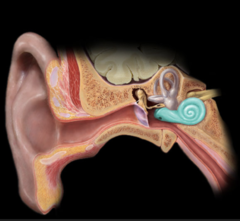
cochlear nerve

scala vestibuli
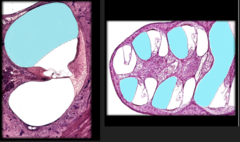
vestibular membrane

scala tympani

basilar membrane

perilymph
fluid contained within the scala vestibuli and the scala tympani of the cochlea
cochlear duct

endolymph
fluid contained in the cochlear duct
spiral organ

cochlear hair cells

tectorial membrane

tongue

papillae

palpebrae

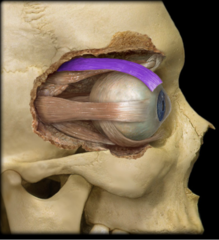
levator palpebrae superioris
lacrimal gland

excretory lacrimal ductules

lacrimal caruncle

lacrimal puncta
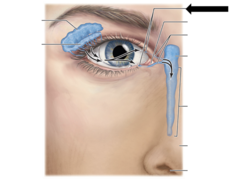
lacrimal canals

lacrimal sac

nasolacrimal duct

superior rectus
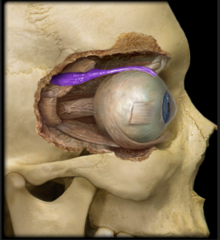
superior oblique

trochlea of superior oblique

medial rectus

inferior rectus

inferior oblique

lateral rectus

sclera

conjunctiva

cornea
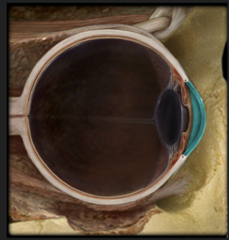
choroid
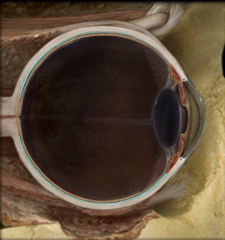
ciliary body
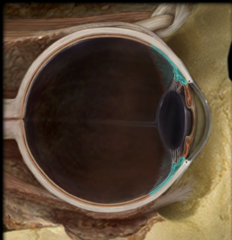
suspensory ligaments of lens
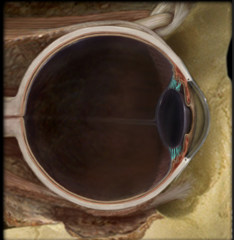
iris
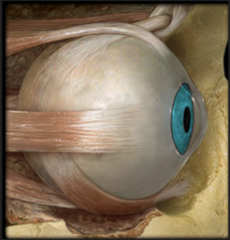
ora serrata

pupil

lens

retina

macula lutea

fovea centralis

optic disk

optic nerve II

anterior chamber
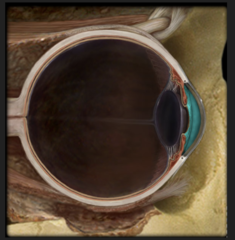
posterior chamber

aqueous humor
fluid that fills the anterior and posterior chambers; this fluid helps maintain intraocular pressure
posterior cavity

vitreous humor
viscous fluid that fills the posterior cavity of the eye, provides intraocular pressure
pituitary gland

infundibulum

anterior pituitary
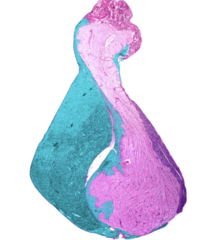
follicle-stiumulating hormone
stimulates maturation of sperm and follicle cells
luteinizing hormone
stimulates secretion of sex hormones in both males and females
adrenocorticotropic hormone
regulates the adrenal cortex
thyroid-stimulating hormone
regulates thyroid gland
prolactin
stimulates production of milk in the breasts
growth hormone
regulates body growth and bone elongation
melanocyte-stimulating hormone
stimulates the melanocytes to produce melanin
posterior pituitary

oxytocin
targets the smooth muscles of the uterus, causing uterine contraction
antidiuretic hormone (vasopressin)
targets kidney tubules for water retention by reducing water loss from kidneys
pineal gland (body)

melatonin
- regulates circadian rhythms
- regulate the daily cycle
thyroid gland
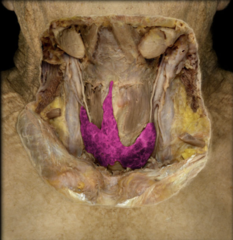
triiodothyronine
controls rate of growth and energy metabolism
thyroxine (tetraiodothyronine)
controls rate of growth and energy metabolism #2
calcitonin
prevents loss of calcium from bone
parathyroid glands

parathyroid hormone
antagonistic to calcitonin in regulating blood calcium levels
thymus

thymopoietin and thymosins
stimulate the differentiation, growth, and maturation of T-lymphocytes
pancreas

glucagon
enhances breakdown of glycogen within the liver
insulin
enhances storage of glycogen by liver and muscle cells
adrenal (suprarenal) gland

cortex

aldosterone
regulates sodium and water eliminated by kidney tubules
cortisol
anti-inflammatory, anti-stress compound
androgens
sex hormones
medulla
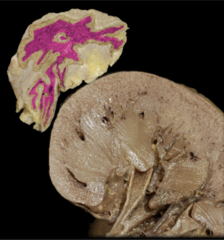
norepinephrine
catecholamine that increases blood pressure and prepares body for stressful, physical activity
epinephrine
catecholamine that increases blood pressure and prepares body for stressful, physical activity
testes
