International Development and Globalization
 Call Kai
 Learn
 Practice Test
 Spaced Repetition
 Match
 Flashcards
 Knowt Play
1/48

There's no tags or description
Looks like no tags are added yet.
Name | Mastery | Learn | Test | Matching | Spaced | Call with Kai | Chat |
|---|
No analytics yet
Send a link to your students to track their progress
49 Terms

Modernization Theory - Cultural
changing values in promiting economic growth, social cohesions, and thus development
trad values: family loyalties, social status respect, community oriented
modern values: more individualistic, save for future, general rules (not loyalty), individual achievement.

Modernization Theory: Economical
long-term investments in infrastructure (roads, railways, electrical grids, etc.)
Adopting improved technology for higher productivity
Rostow’s 5 stages of economic growth


Other modernizationists?
political democracy almost always comes after countryhas achieved certain level of per capita income
political order as prerequisite, even if means authoritarian rule


Neoliberalism
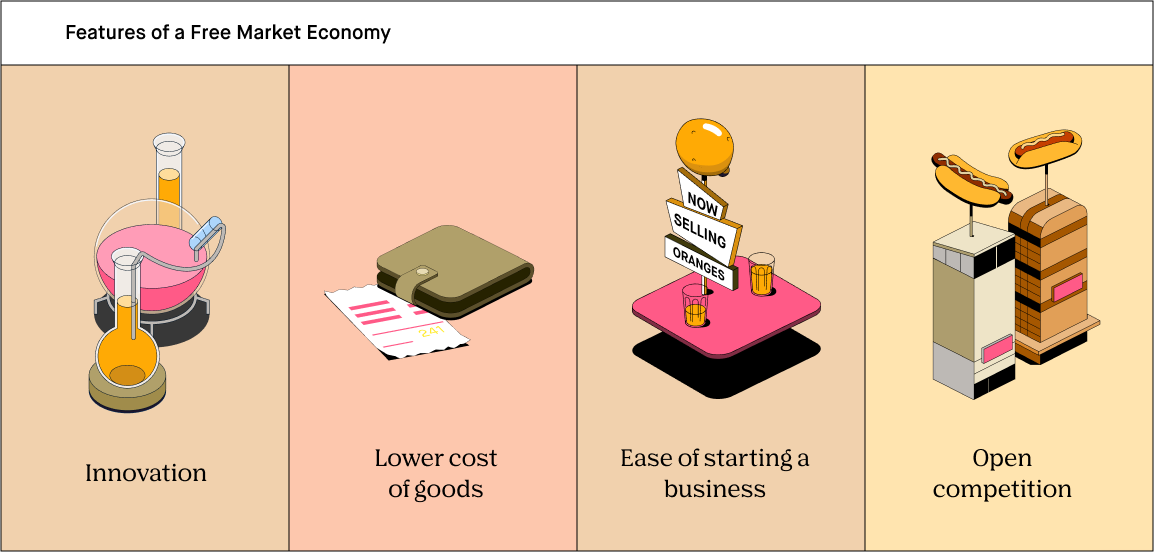
pursuit of profit in businesses
entrepreneurs take risks, borrowed money, built businesses
create wealth for themselves but also employment and propsperity for employees
Canadian market more free: compared to ethnic minorities from other countries who cant pratice certain professions.
Government constraining private sector too much
Import best products from abroad for lowest prices
Neo-institutionalism
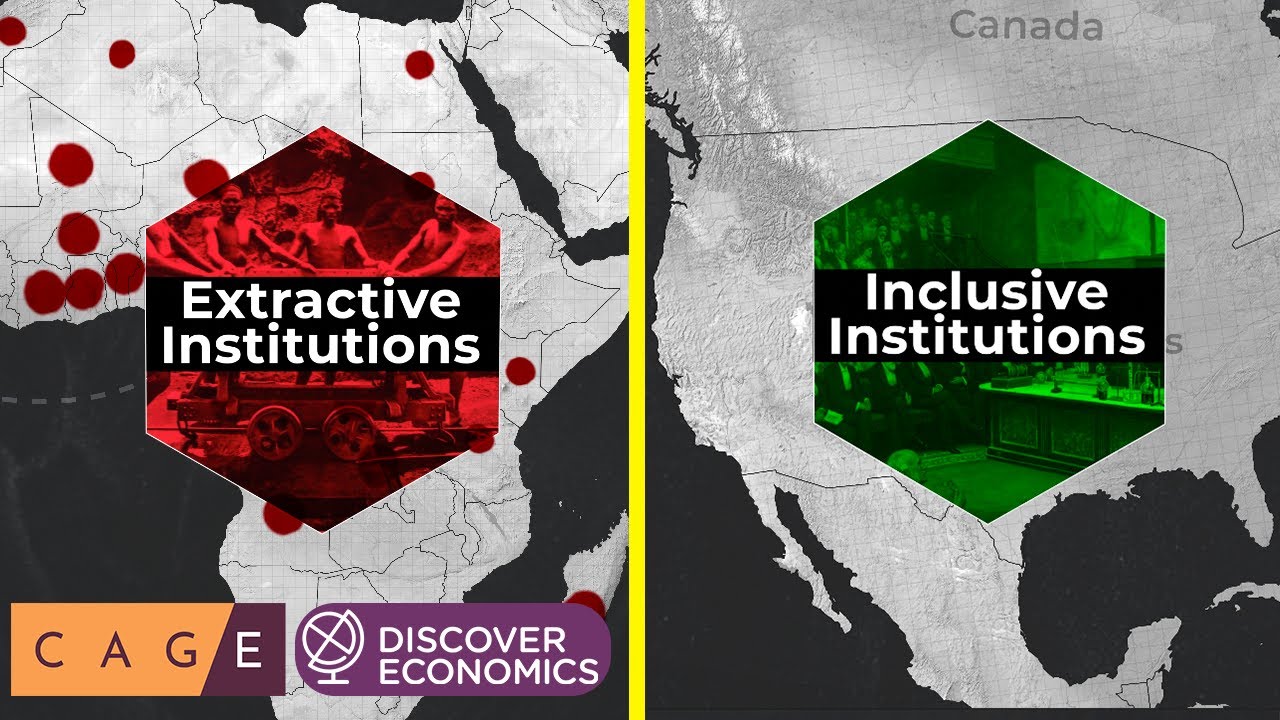
formal & informal rules and customs governing human behaviour
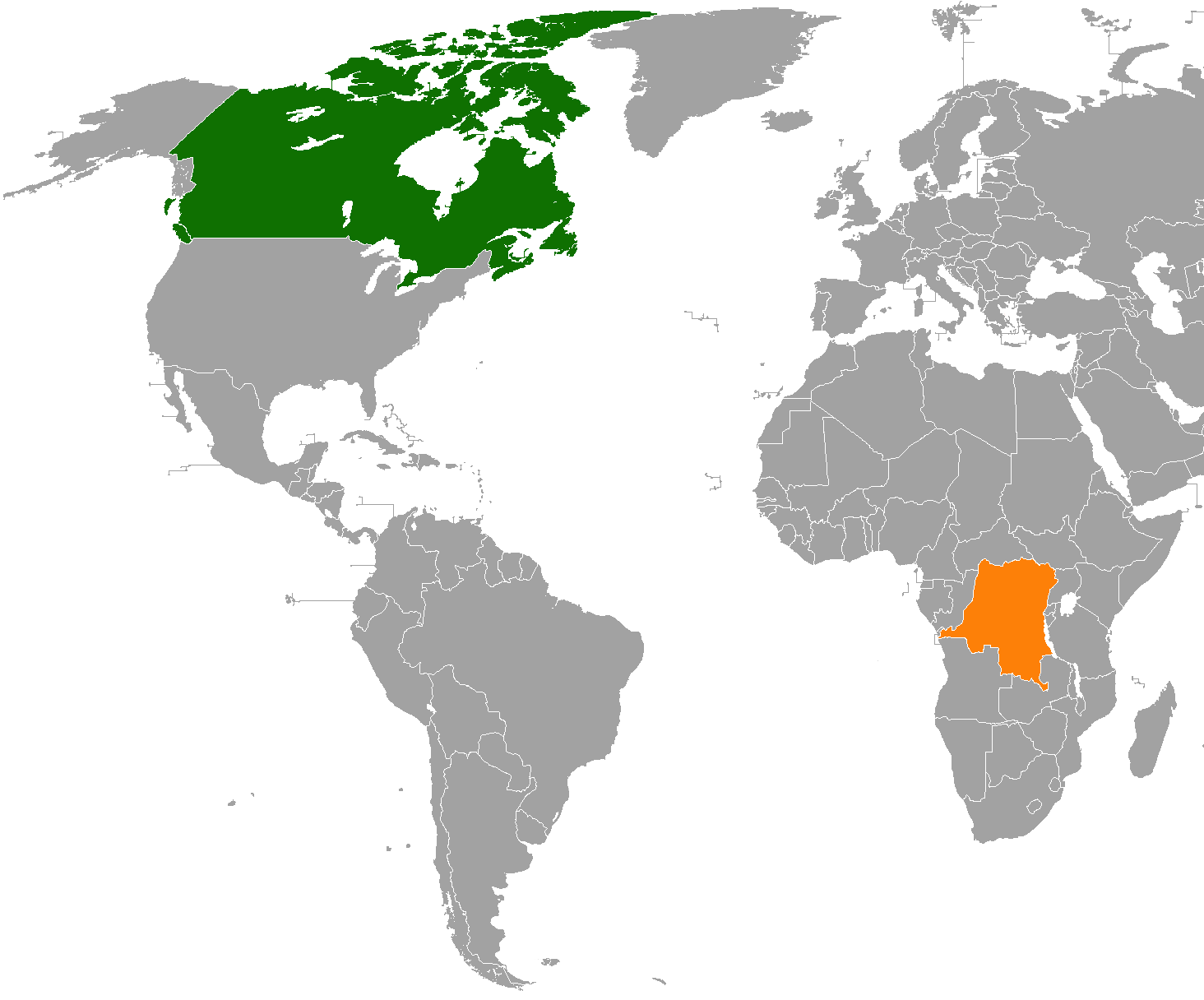
Inclusive: private property, rule of law, independent judiciary. Creates economic growth, private enterprise, and social harmony. Ex. Rich, democratic countries like Canada
Exclusive: economic stagnation, social strife, economic decline. Ex. weak & dysfunctional countries like DRC - government corrupt, only elites gain.

Economic Nationalism
Building economies from just exporting raw materials. ex. Canada with beaver pelts, lumber, fertilisers.
industrial growth stunted
Paid to import technologies from abroad - Canada not major creator of new tech, world leaders
Funded by foreign capital. ex GB and USA.


Dependency Theory
Need to undetrsand world economic system
underdeveloped economies are pdoucts of capitalist imperialism
restructured economies and societies for own profit and benefit.
Development in Third World constrained by international economic system.
But, can’t account for BRICS


Marxism
Capitalism is Exploitative system that generates inequality, exclusion, and crisis
Capitalism also revolutionary and progressive
Benefits of Capitalism: accumulate capital, create new tech, drive economic growth


Structuralist/Heterodox Economics
Acknowledge colonial legacy, markets, capitalism, rules that govern global economy.
Also want proper government policies to overcome problems
Done through political leadership and pragmatism
Variant: DVM is about creating human development and capabilities so people can lead fulfilling lives.


Postmodernism
Emphasize Canada as BAD: domination, oppression, exclusion, exploitation, structural violence.
NOT celebreate it as free, pluralist, democratic
Ex. with Indigenous peoples
Social, economic, political systems stay domination.


Postcolonialsm
Combines 3: Dependency Theory, Postmodernism, Sub-altern Studies
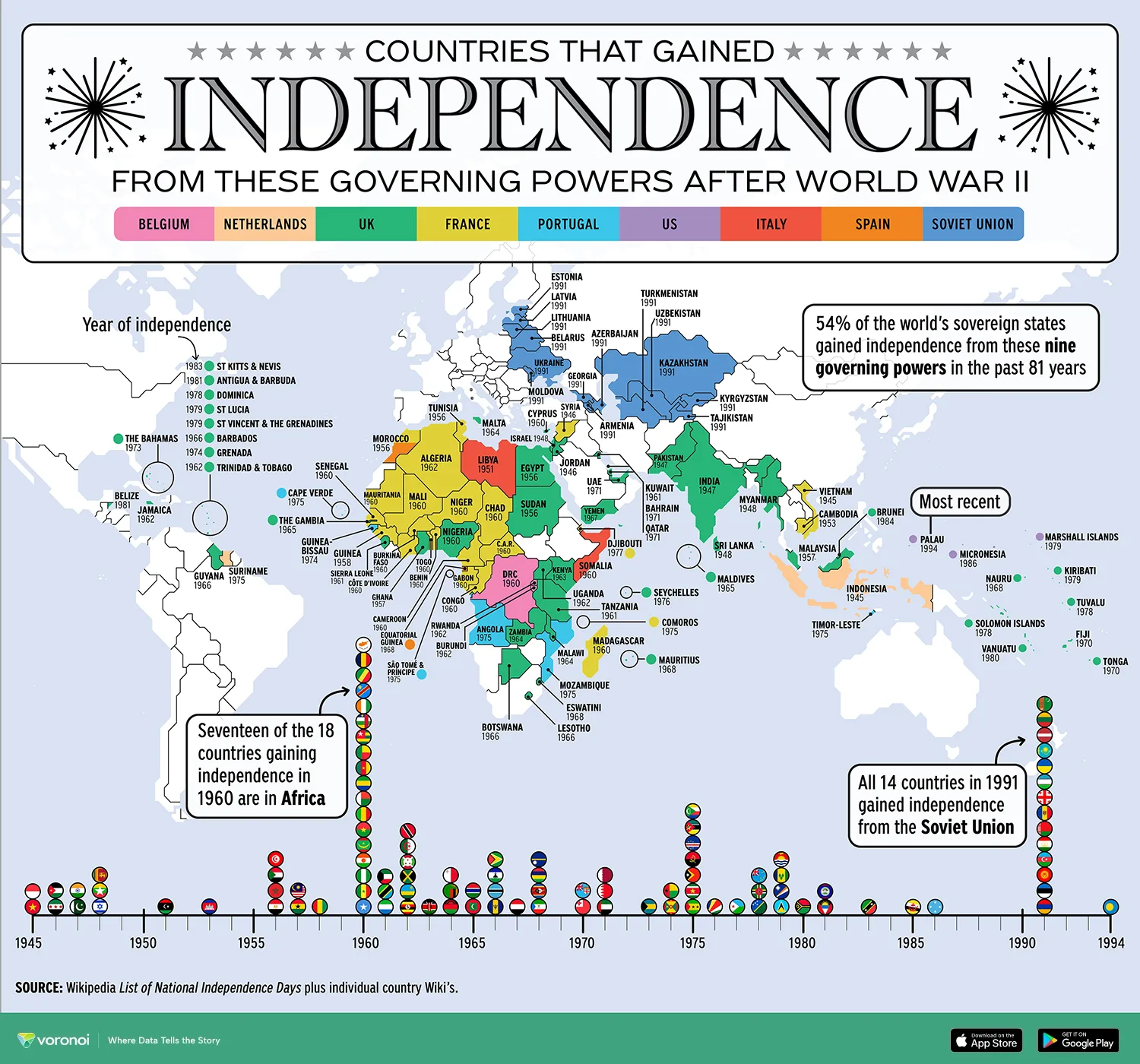
Domination NOT end with political country independence or granting of formal political & civil rights.
Canada partner with other western countries for domination

Subaltern Studies
Most stories from leaders, politicians, generals, businessesman, etc. Focus on rich and powerful
What about from peasants, ordinary farmers and workers, unemployed and homeless?
What if history written by victoms of progress & developmet? Industries and livelihoods destroyed by technological progress?
Indigenous, women trafficked?
Stress on victims but also their agency - resist oppression, realize own dreams!


Feminist Theory
Unequal gender relations through Canadian history, even though legal equality achieved
Gender-based violence, sexist stereotypes, informal societal & economical rules to subordinate women, daily humiliations
Opressions overlaps withother forms of oppression.
No account of development is complete without telling story of women as subjects, objects, and agents of that development
LGBTQ too.


Mainstream Environmentalism
Economic growth and increased consumption of goods & services has been harmful to natural environment.
Cannot accomodate infinite economic growht and human population.
Protect 3 ways: better public policies (carbon tax, recycling, public transport), public education, improved tech (solar and wind power, electric cars)


Radical Environmentalists
Development is the problem
Danger of polluting ourselves and existence
Consume less, control human population growth.
Abolish consumer culture, smash corporate power!

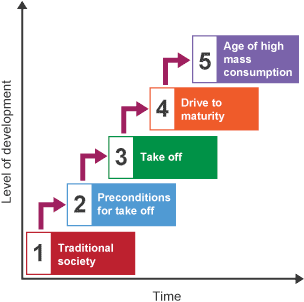
Rostow 5 stages of Economic Growth
Traditional Societies
Pre-conditions for take-off
Take off of Economic Growth
Drive to Maturity
High Mass consumption
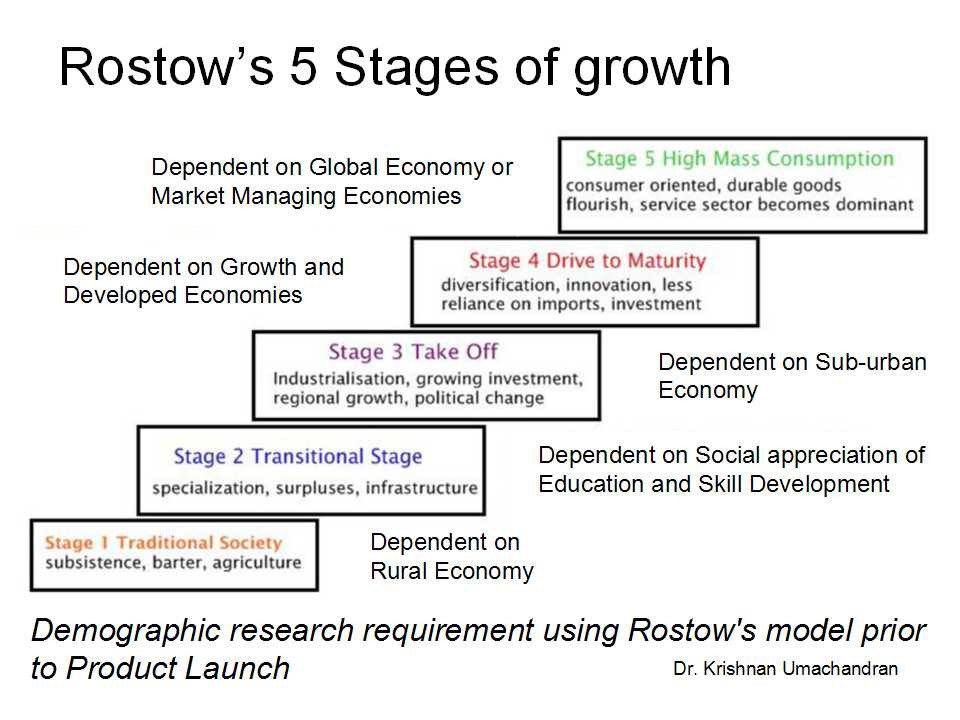
Why people want to do development involving Christianity?
Moral responsibility to help.
Point of international devleopment - start?
Modernization theory - improve standards of colonized, make economic growth.
USA have technical assistance programs for economic progress sand prosperity
What was wrong about Western conception of development?
Only economic growth - no regard for social, political, and human development.
A moral responsibility to help and not a duty to justice
Growth promoted
What is the third characteristic?
During the Cold War, wanted to make everyone conform to Western liberalism and combat communism, maintain peaceful order against communism.
Three things the USA did?
initiate aid programs
technological assistance
foreign investment
What new idea of development started in the 1970s?
Multidimensional process involving social, political, cultural aspects, and human development.
Even if have limited resources, can benefit with technological knowledge.
Another reason why USA wanted to do aid programs?
Wanted to boost its own economy through establishing links with developing countries (at that time instead of war-torn Europe).
How did Truman view developing and developed countries?
Developing = inferior. Cannot overcome their problems.
West = saviour. Maintain peaceful and stable international order, while also promoting prosperity at same time.
“West and the rest”
What was new view of Development in the 1960s?
Lagely aligned with development as economic growth propelled by foreing aid.
Many countries becoming independent
Accelerated aid program and know-how to prevent socialism in other countries
What more does Rostow’s theory include? (4 things)
Importance of entrepreneurial spirit
investment
Accumulation of Capital
Role of Science and Tech in development
What did Rostow’s theory ignore? (5 things)
Structural causes of underdevelopment and uneven development, including:
lack of attention to cultural complexities
disregarding of the discriminatory nature of international system
Economical growth: dicotomy of modern & traditional
Development to just materialistic consumption
One-Size-Fits all solution
What was view of development in 1970s?
Satisfaction of Basic human needs. What is also important is:
employment
poverty
income distribution
Also, need a:
just condition of life
fair distribution of wealth, goods and services
Basic needs met to allow them to be capable of achieving long-term physical well-being.
Minimal resources needed:
nutritional food
adequate shelter
decent clothing
education
protection from disease
physical security
Overall, combines economic growth with social equity policies.
Past development strategies from previous decates not eradicate poverty and unemployment.
What were weaknesses of basic needs approach of 1970s and 1980s? (5)
Largely restricted to economic factors
Cultural and social complexities of different nations ignored
State in charge of development, not individuals whose dignity needs to be addressed. State could not care about needs of poor
Still a moral responsibility to help, not doing justice to systematically oppressed status of citizens.
Oppressive and discriminatory structure of international system ignored.
What was the approach in the 1980s?
Human development - a multidimensional and multi-sectoral process of socio-cultural and politico-economic changes aimed at human well-being and freedom.
Seen as a process rather than an idea, theory, policies or programs aiming at just a better material life.
Enhancing people’s quality of life.
Enlarging people’s capability of attaining their own sense and model for a better life. Enlarge people’s choices, give them free agency!
Democratic participation in development
How does the author define freedom?
to act with full agency
NOT the maximization of a range of choices
NOT the direct control by individuals/groups by means of production and distribution of wealth
It is possibility of give maning to life and enhancing its quality.
What does the HDI index include?
Includes a long and healthy life
Being literate and knowledgeable
Having a decent standard of living
What does the HDI index not reflect?
inequality
poverty
human security
empowerment
What was idea of development in the 1990s?
The means of measuring poverty reduction in different countries
What was an opposing view, mostly from the Marxists?
Western countries are developed because stripped wealth and natural resouces from the colonized.
Structure now around unequal division of markets, labour, tasks, and benefits.
Must be analyzed on historical colonialism, imperialism, and domination
What opposing view to development theories do structuralist economists have?
Underdevelopment around the theory of modernization and diffusion of capitalism:
International trade move against developing countries that produce raw products, in favour of advanced countries that export manufacutred goods.
Promote industrialization of developing countries through active government intervention to build national economy.
What opposing view do the first-generation dependency scholars have against development?
Point finger too at European modernization - mechanism of dependency and imperialism.
Development of West revolved around unfair structure of world economy that dependency of developing countries was formed around
What did dependency theorists argue about against development notion?
International division of labour & trade enable western countries to establish mastery over world economy, reap the fruits.
International trade is unequal exchange - first world manufacturers expoit producers - between core and peripheral countries.
Should invent their own path to development! First step is to:
Break down all imperialistic dependencies through socialist revolution and de-linking of them from international economic system.
What is the dependency theory? (Chapter 2)?
First world countries get development through underdevelopment of others. Structure of capitalistic system.
How do satellite countries lose money, even if they have surpluses?
Drained off by metropolitan countries through the control of:
markets
Terms of international trade
Related mechanisms, rules, and regulations
Benefit-making relationships between their own elites and the bourgeoisie in satellite countries (they promote capitalism themselves).
What is the World Systems theory? (chapter 2)
Capitalist world marked by a single division of labour: is socio-economic and created its own structures, borders, and members. Life in this system is self-contained. Competition & struggle for profit-taking is handled consistently.
Division of labour based on core states, peripheral areas (single-crop economies & raw materials, depend on others for survival), and semi-peripheral areas.
Capitalism marked governed by core states who dominate. Power of them depends on capacity to function in whole system. Have more skill & capitalization = higher-ranking areas.
World system has no political centre: a number of political systems giving capitalist states the freedom to manouever to maximize their profits. Made it possible to constantly expand & flourish over centuries.
Core states require different kinds of knowledge be dominant.
Susceptible to complex crises - gnerates both protective forcces of market, & forces of change.
Should be looked at in its complexity: holism
What is the NEW world systems theory?
Now, global north-south divide. New global system: hegemony over strategic information. Better life: new concepts & patterns of competition, ability to control info, willingless and ability to move along with rapid global transformations.
What happened in the 1970s to the Western world?
economic stagnation, inflation, political instability. slow economic growth, high unemployment, low productivity, high inflation.
Upper classes felt threatened - need protect from political and economic annihilation
Display evils of communism
Propoganda for neoliberliasm.
What did neoliberalist revolution of 1980s and 1990s try to do? 2. When did it start gaining credibility?
Control inflation, weaken trade unions, control government spending, reduce economic activities of governments everywhere.
After collapse of communism in USSR. Tried to make new, freed countries go to democracy.

What are the 10 aspects of the Washington Consensus? What is it?
Cures for economies plagued by inflation, slow growht, and balance of payment problems.
Fiscal Discipline
Re-ordering public expenditure priorities
Tax Reform
Liberalizing interest rates
Competitive exchange rate
Trade liberalization
Liberalization of inward foreign direct investment
Privatization
Deregulation
Securing property rights

What was Washington Consensus in more general sense?
Reducing role of state as producer of goods and services. Giving greater power to free market - not care for social damage caused.
Abolition of STATE MONOPOLIES and PRIVATIZATION of state-owned enterprises producing goods and services.
Deregulation of MARKETS (including labour markets) to allow greater competition.
Reform of welfare state to opromite spirit of individual initiative and PUNISH LAZINESS.
Atomization of society by undermining aspirations for the common good & communal ties, encouraging people to find solutions for own well-being.
Undermining of trade unions and other vehicles that promote working-class interests
Technological change, freer international and internal trade, flexible labour markets, end of lifetime employment.
Attempts to restrict state intervention - only core policies.
Promoting civil, political, and decmocratic values abroad (depoliticized).
What was wrong with washington consensus?
Not a one-size fits all. need to understand country circumstances.
Produced only limited growth
Growth produced not equitably shared.
Balance between gvmt and market: promoting and regulating markets, provide institutional and physical infrastructure, promotes education, innovation, and tech.
Address sustainability and equality
What are the 5 goals of MDGs?
Goal 1: Eradicate extreme poverty and hunger
Goal 2: Achieve universal primary education
Goal 3: Promote Gender Equality
Goal 4: Reduce child mortality
Goal 5: Improve maternal health
Goal 6: Combat HIV/AIDS, malaria, and other diseases
Goal 7: Ensure environmental sustainability
Goal 8: Develop a global partnership for development
Changed it later in 2015. Underlined it’s for a safe & secure future that brings prosperity, opportunity, and human rights to all. Take in account oceans, forests, and biodiversity. Good development = sustainable development. Goal: better life for ALL, firm foundation for STABIITY, PEACE everywhere in the world.
What were some criticisms of the MDGS?
Lack of explicit human rights framework
lack of attention to wealth creation and role of markets in producing and distributing goods and services
Only MDG 8 applied to developed countries.