Digestive System (Lab)
 Call Kai
 Learn
 Practice Test
 Spaced Repetition
 Match
 Flashcards
 Knowt Play
1/83

There's no tags or description
Looks like no tags are added yet.
84 Terms

What is “A”?
Uvula

What is “B”?
Epiglottis

What is “C”?
Tongue

What is “D”?
Esophagus
What tissue makes up the Uvula
Connective tissue
What tissue makes up the Epiglottis?
Elastic Cartilage
What tissue makes up the tongue?
muscles covered with mucosa
What’s the function of the Uvula?
By closing off the nasal passage during swallowing to prevent food or liquid from going in the nose.
what’s the function of the tongue w/ lingual tonsils?
positioning food and initiating chemical and mechanical breakdown
What’s the function go the Gingivae (gums)?
protective barrier around the base of the teeth
What tissue type is the Gingivae?
Stratified simple epithelium
What’s the function of the maxilla?
a rigid structure and mechanical foundation for the first step of chewing
What’s the function of the Mandible
a rigid structure that is the foundation for the beginning of the digestive system by anchoring the lower teeth and forming hard palate
What’s the function of teeth?
helps with cutting, tearing, crushing, and grinding food into smaller pieces
What’s the function of hard and soft palate w/ palatine tonsils?
separate breathing from eating, guide food to esophagus, and protect body from incoming pathogens.
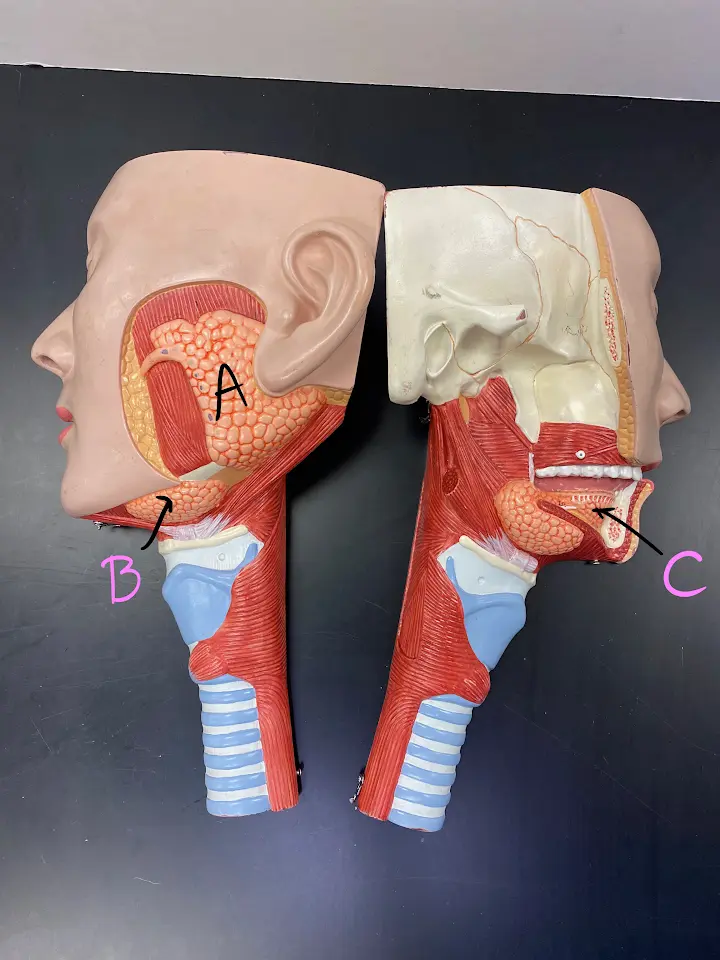
What is “A”?
Parotid Salivary Glands

What is “B”?
Submandibular

What is “C”?
Sublingual
What enzymes are produced in the salivary glands?
amylase and lingual lipase
What type of tissue are the salivary glands?
exocrine epithelium
What’s the function of the submandibular gland?
produces and secretes saliva
What’s the function of the sublingual gland?
produces saliva that aids in swallowing
What’s the function of the parotid gland?
produce amylase
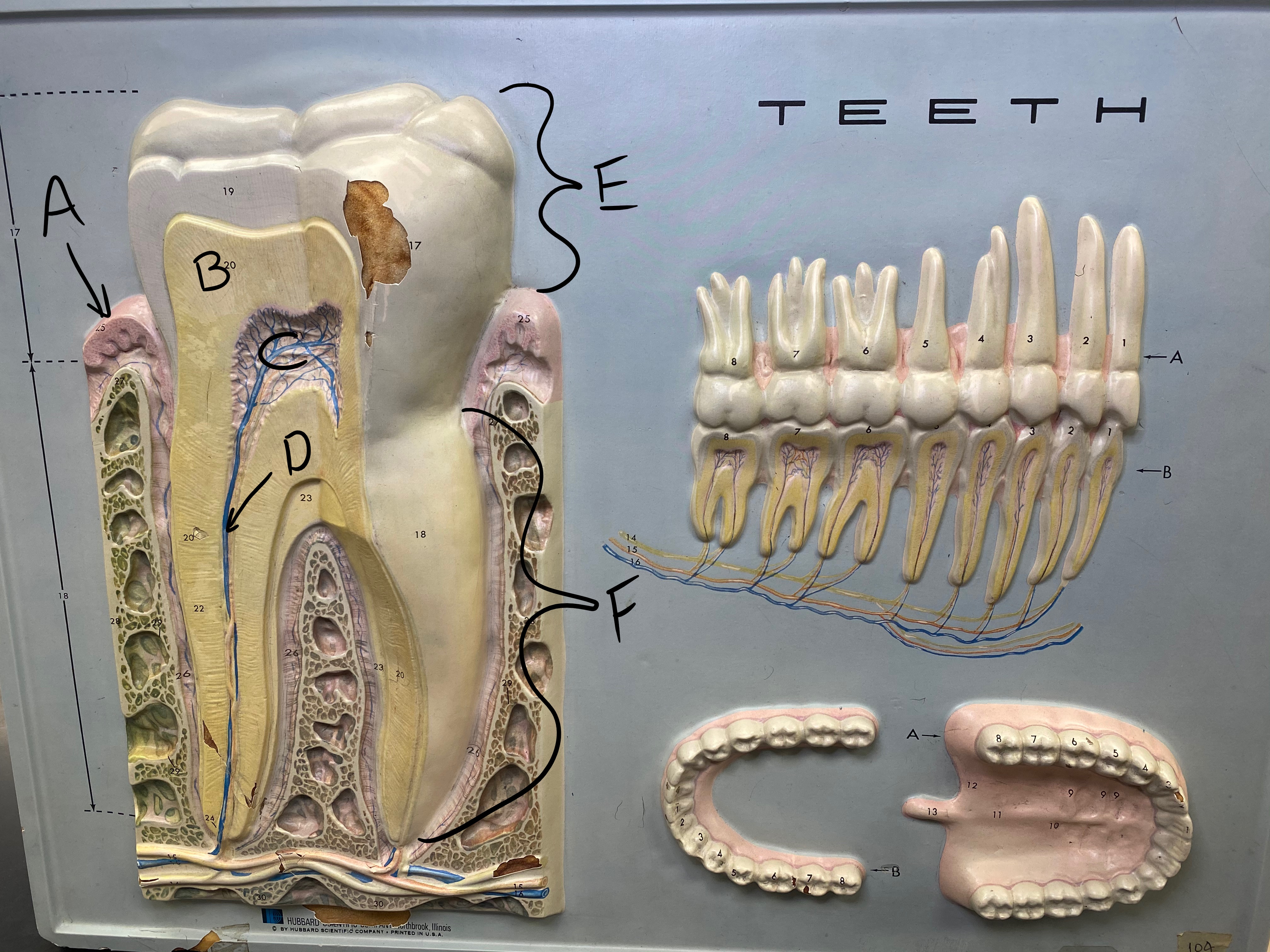
What’s “A”?
Gingiva (gums)

What’s “B”?
Dentin

What’s “C”?
Pulp Cavity

What’s “D”?
Root Canal

What’s “E”?
Crown

What’s “F”?
Root
What’s the function of the Incisors?
cut and shear food
What’s the function of the Canines?
tear and pierce food
What’s the function of the Premolars/ Bicupsid?
crush and grind food
What’s the function of the Molars?
also crush and grind food
What’s the function of the Deciduous teeth?
Baby teeth that help with speech development and chewing
What’s the function of permanent teeth?
designed to last a lifetime and replace the primary (baby) teeth. They are essential for digestion, speech, and maintaining facial structure.
What’s the function of Enamel?
protective outer layer of your teeth
What’s the function of Dentin?
provides structural support and protects the dental pulp
What’s the function of Crowns?
strengthens teeth
What’s the function of the Root?
anchors it firmly in the jawbone.
What’s the function of the Pulp Cavity?
Nourish the tooth and form dentin
What’s the function of the Gingiva (gums)?
protects the teeth
What’s the function of the Root Canal?
houses the dental pulp, which includes nerves, blood vessels, and connective tissue
What’s the function of the Periodontal Ligament?
attach and support the tooth

What is “A”?
Esophagus

What is “B”?
Cardiac Sphincter

What is “C”?
Stomach

What is “D”?
Pyloric Sphincter

What is “E”?
Duodenum

What is “F”?
Small Intestine

What is “G”?
Cecum
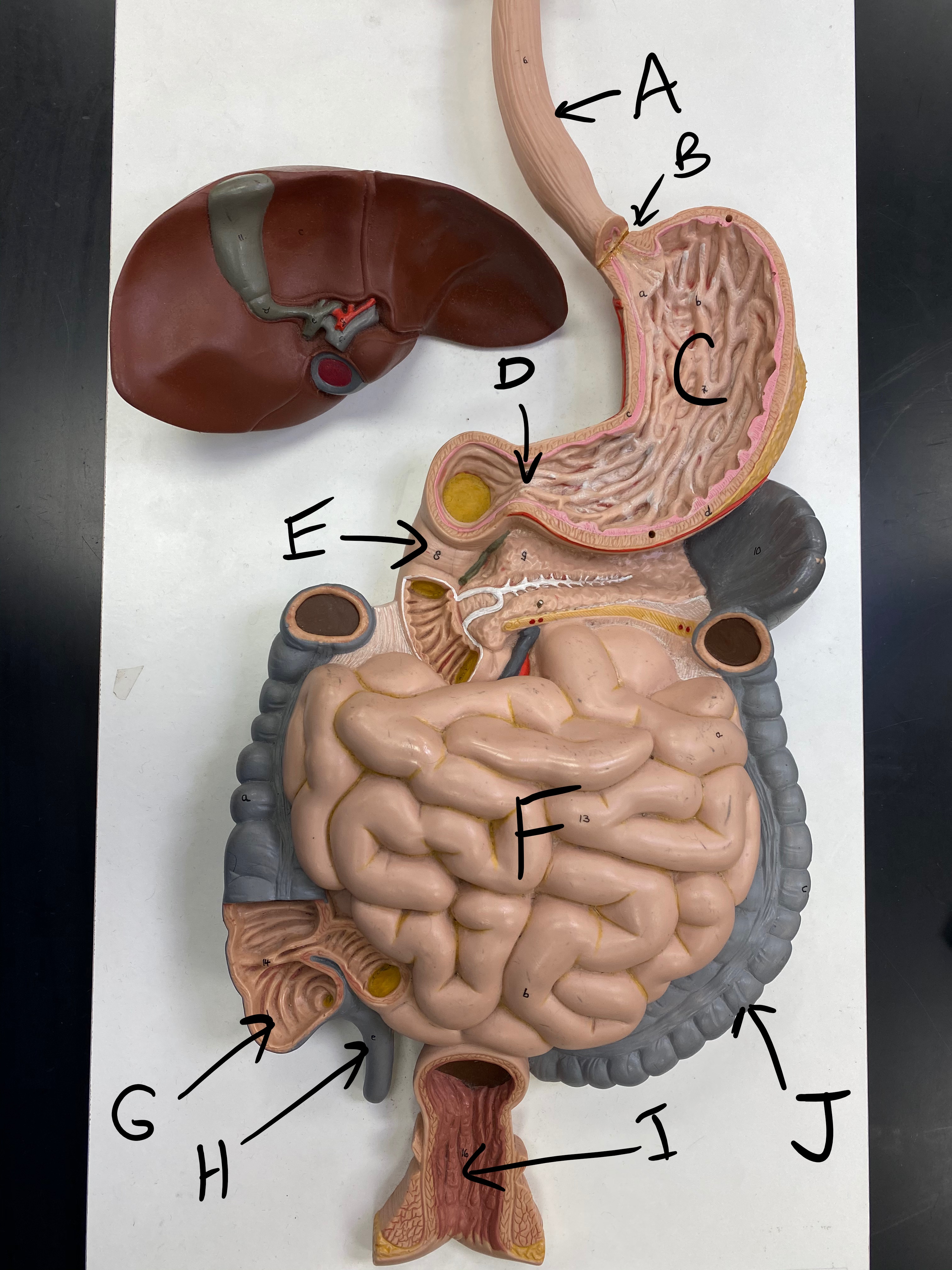
What is “H”?
Appendix

What is “I”?
Rectum

What is “J”?
Colon
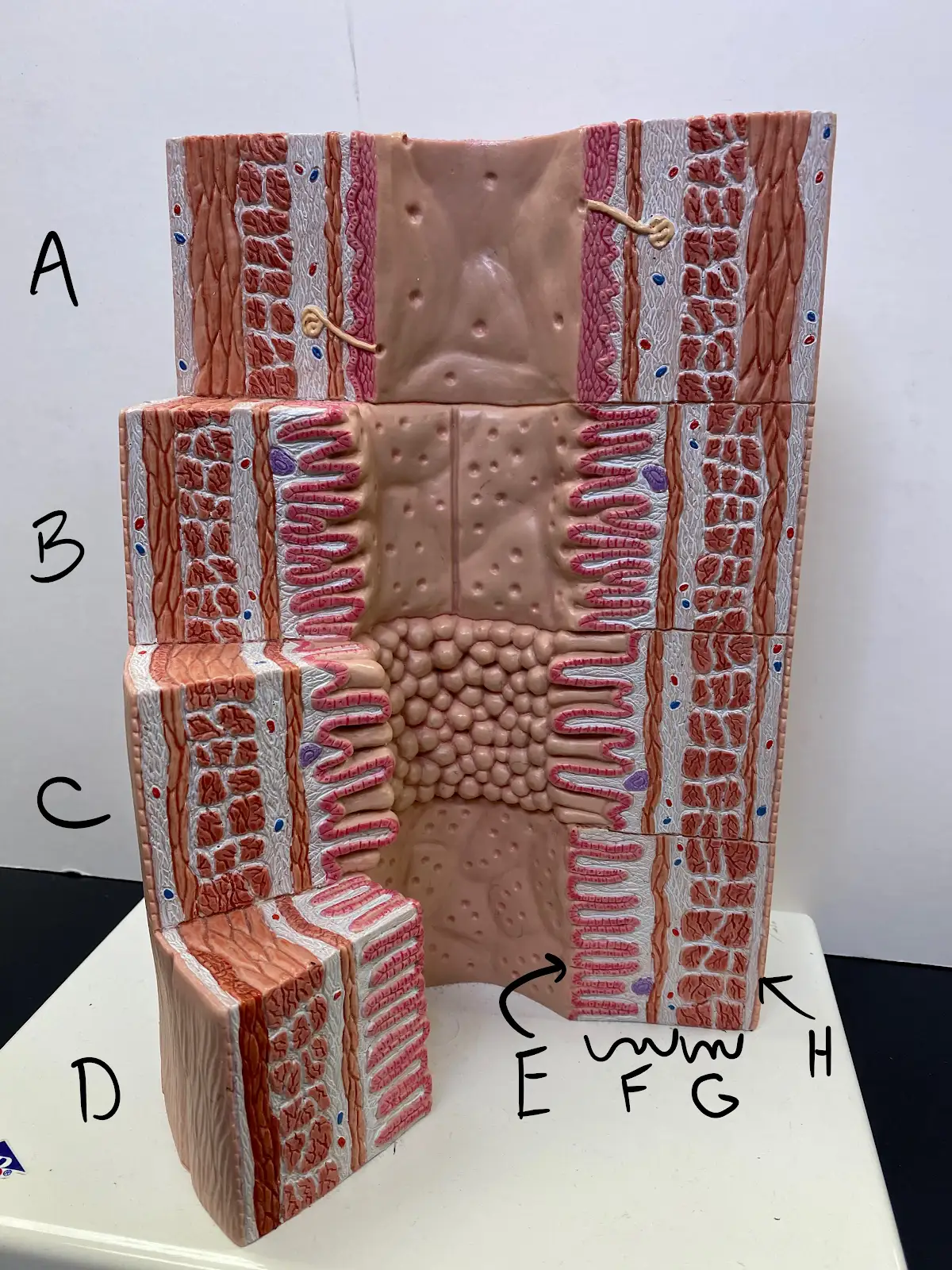
What is “A”?
Esophagus
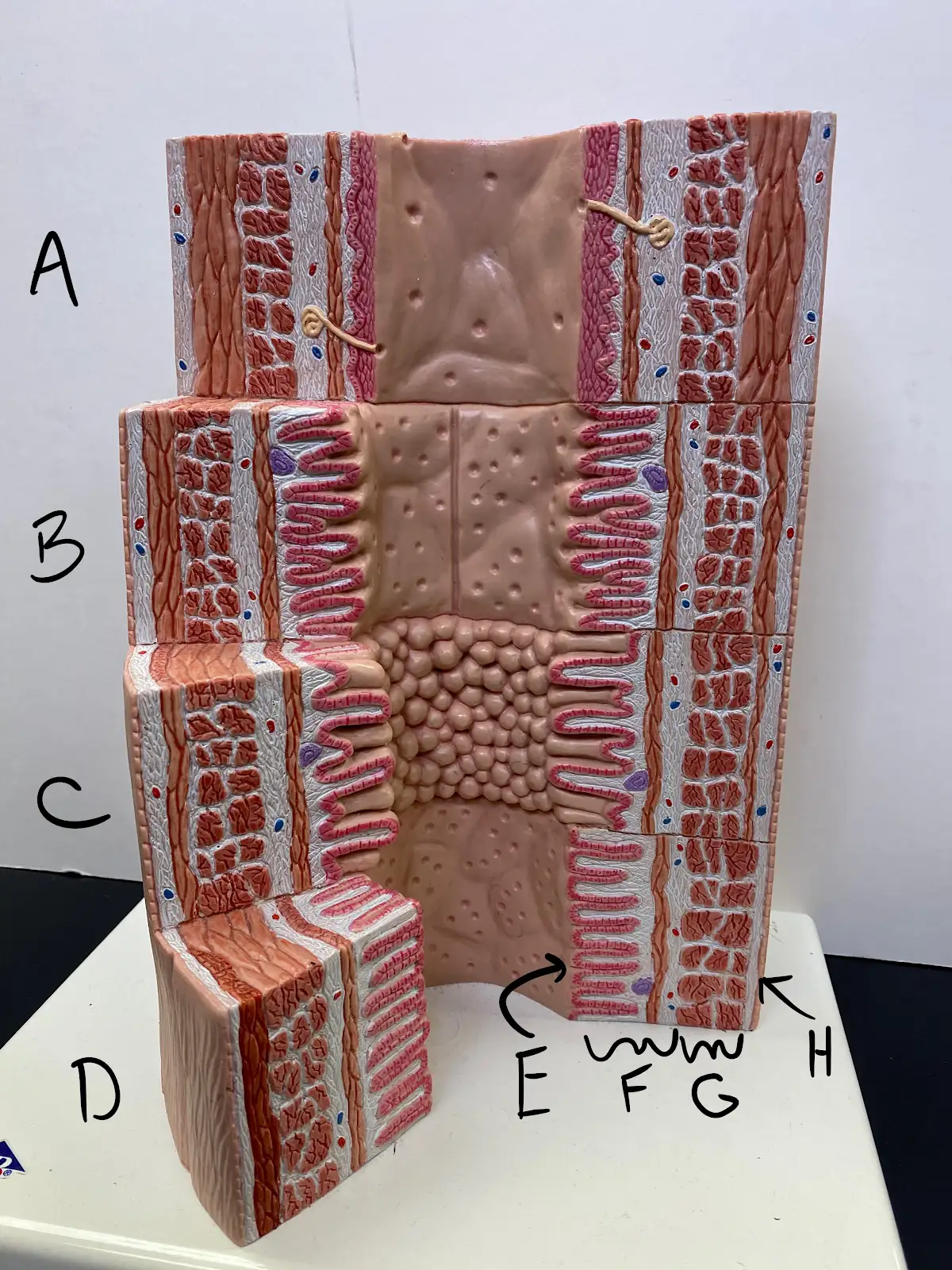
What is “B”?
Stomach
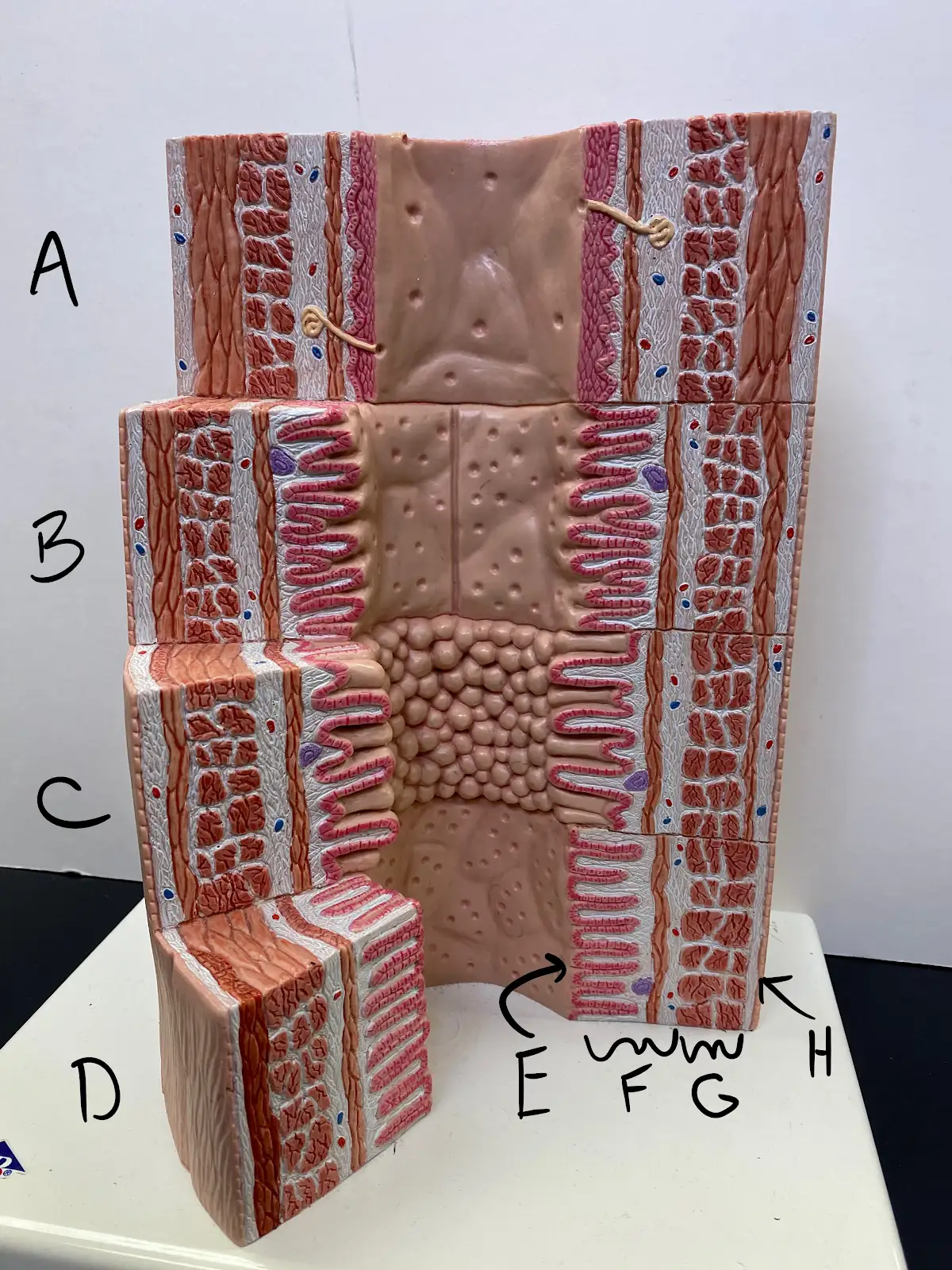
What is “C”?
Small Intestine
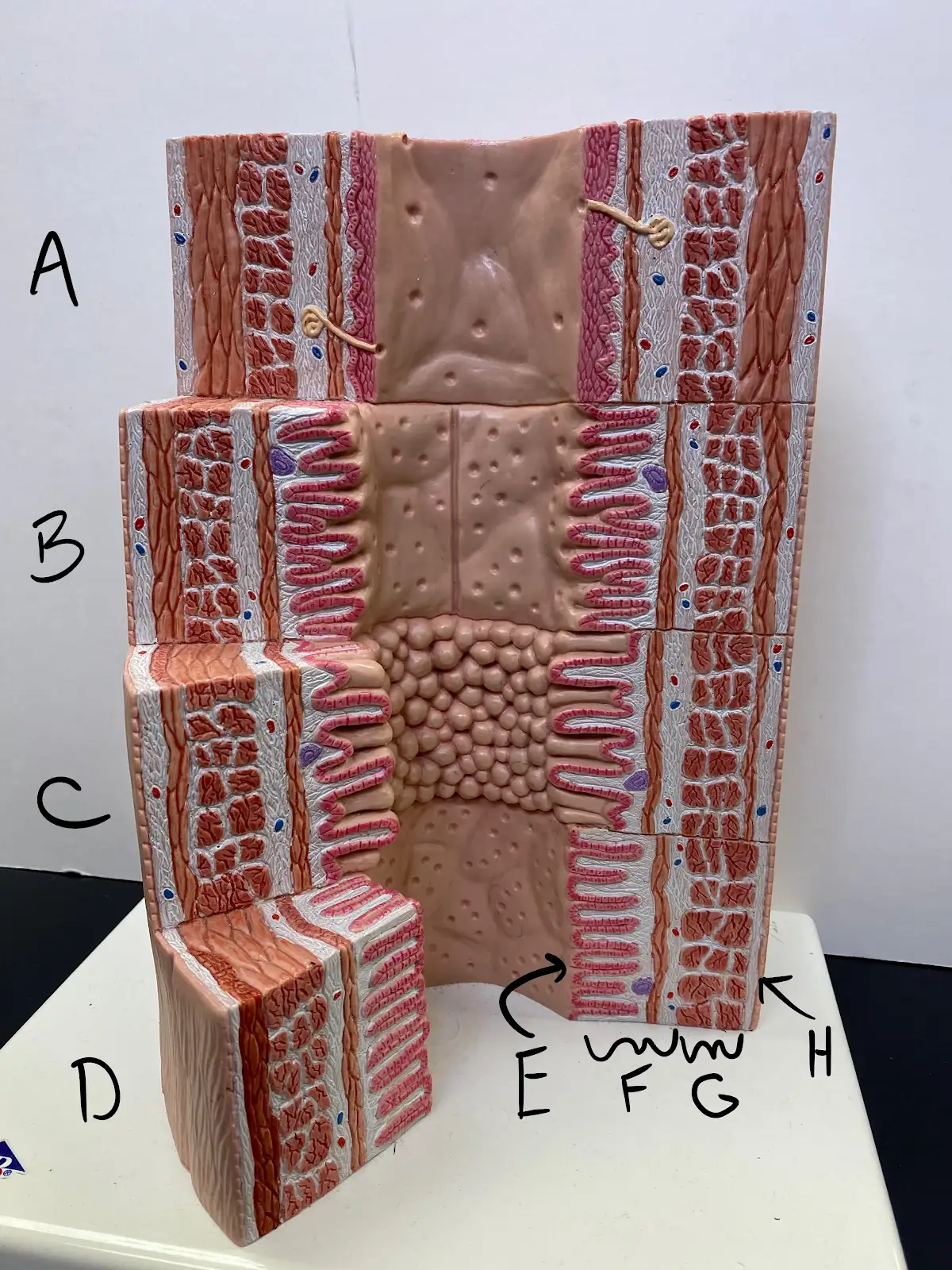
What is “D”?
Large Intestines
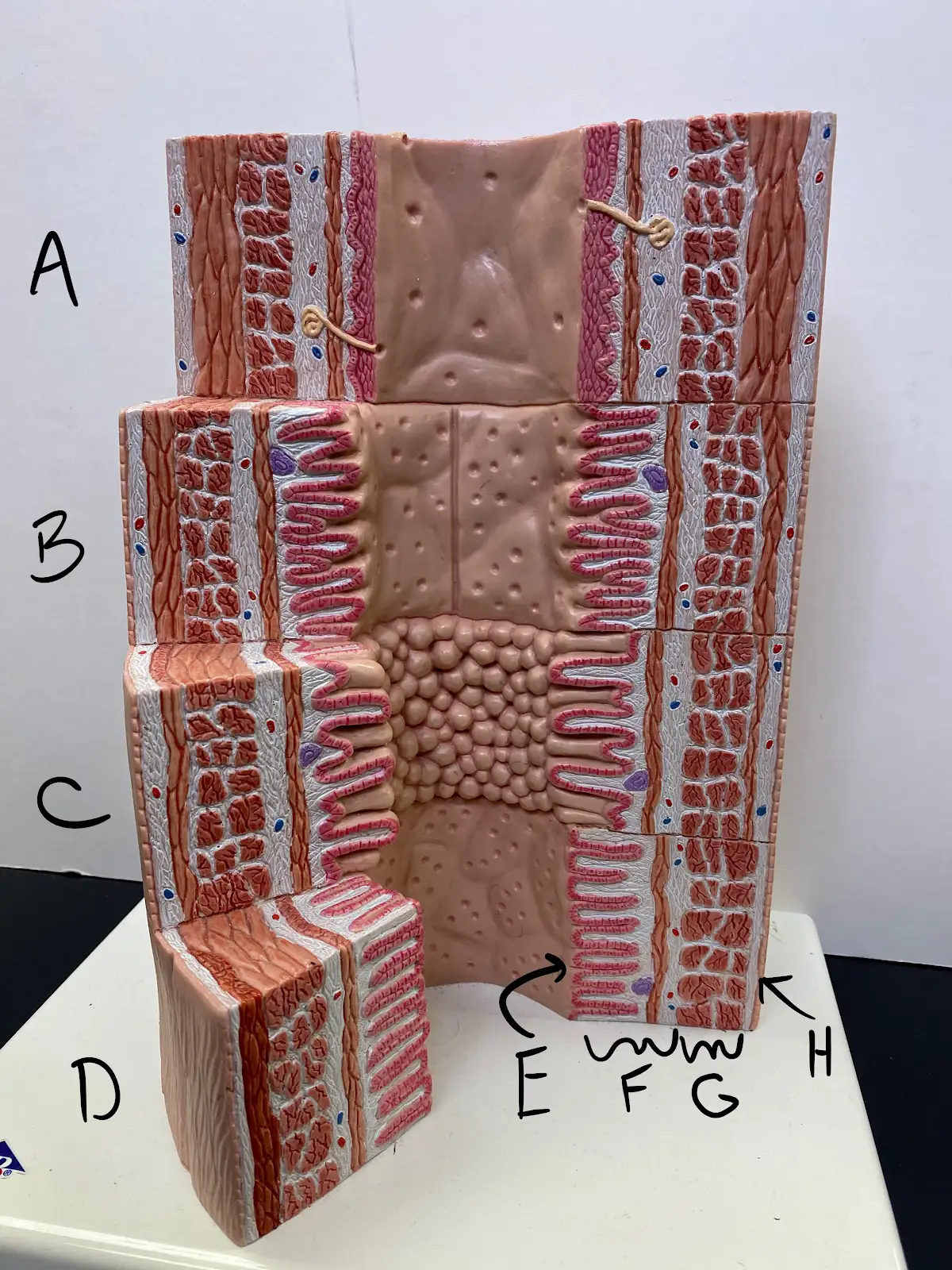
What is “E”
Tunic Mucosa
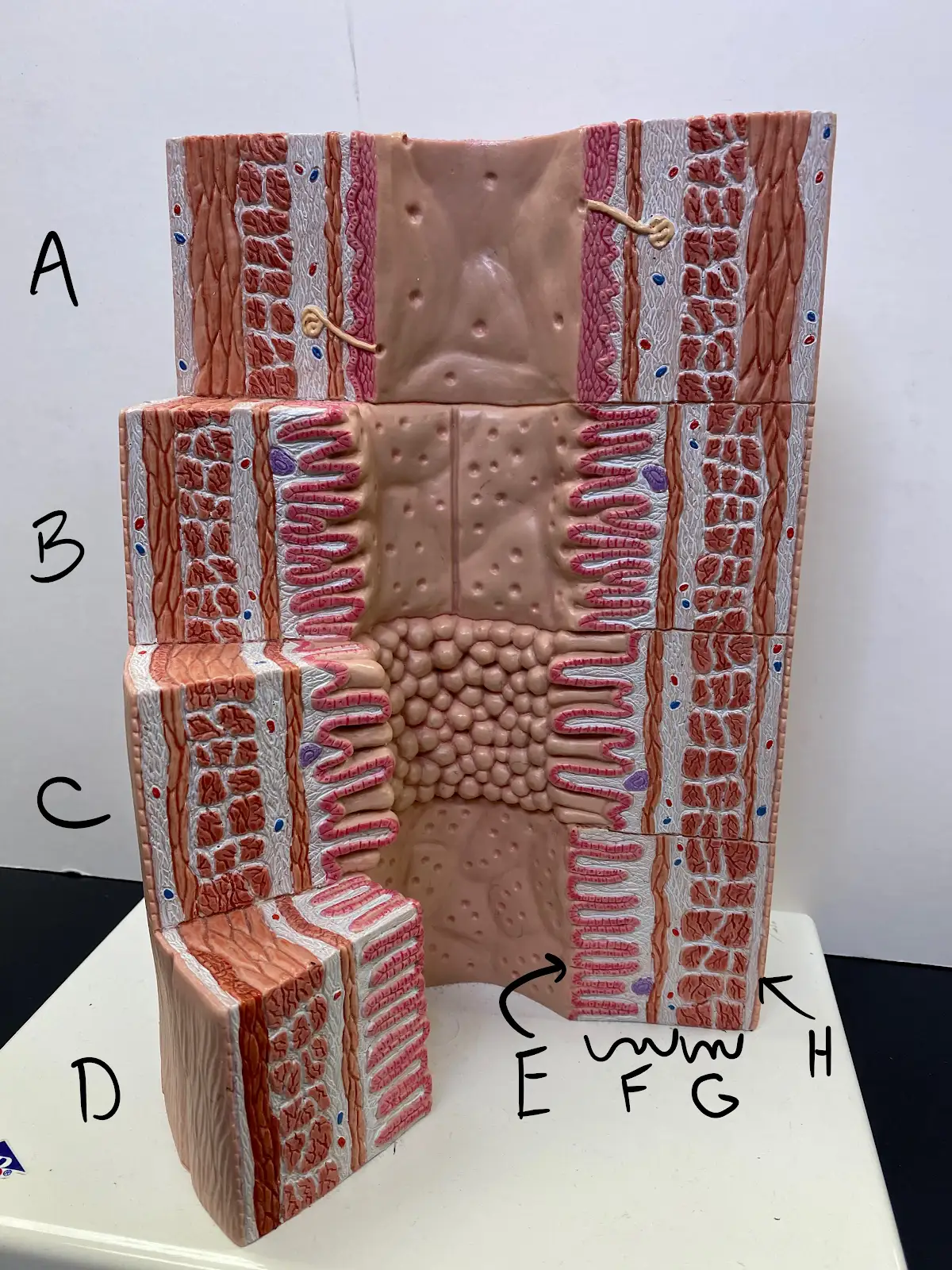
What is “F”?
Tunic Submucosa
What is “G”?
Muscularis Externa

What is “H”?
Adventitia
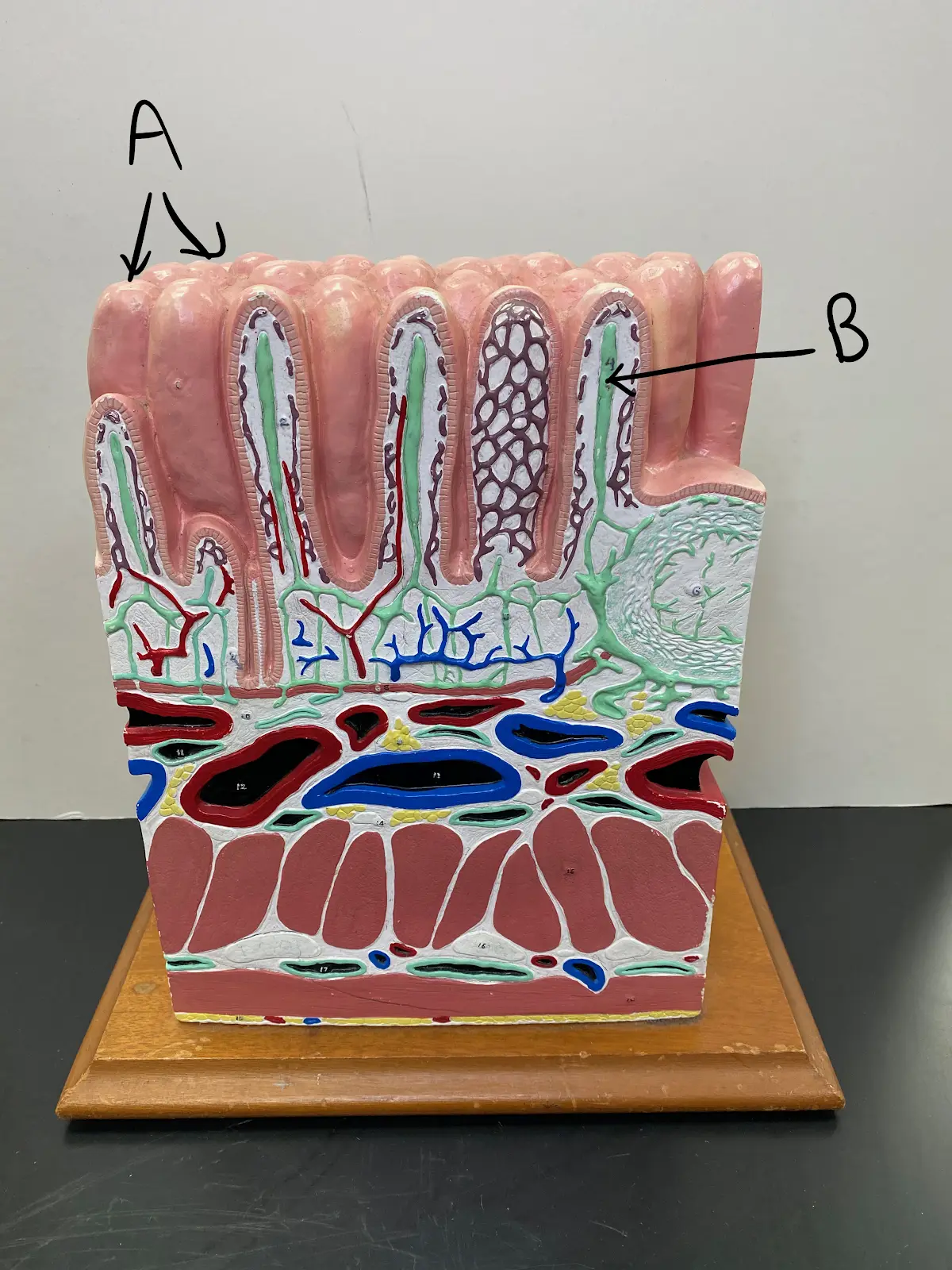
What is “A”?
Vili
What is “B”?
Lacteal

What is “A”?
Common Bile Duct
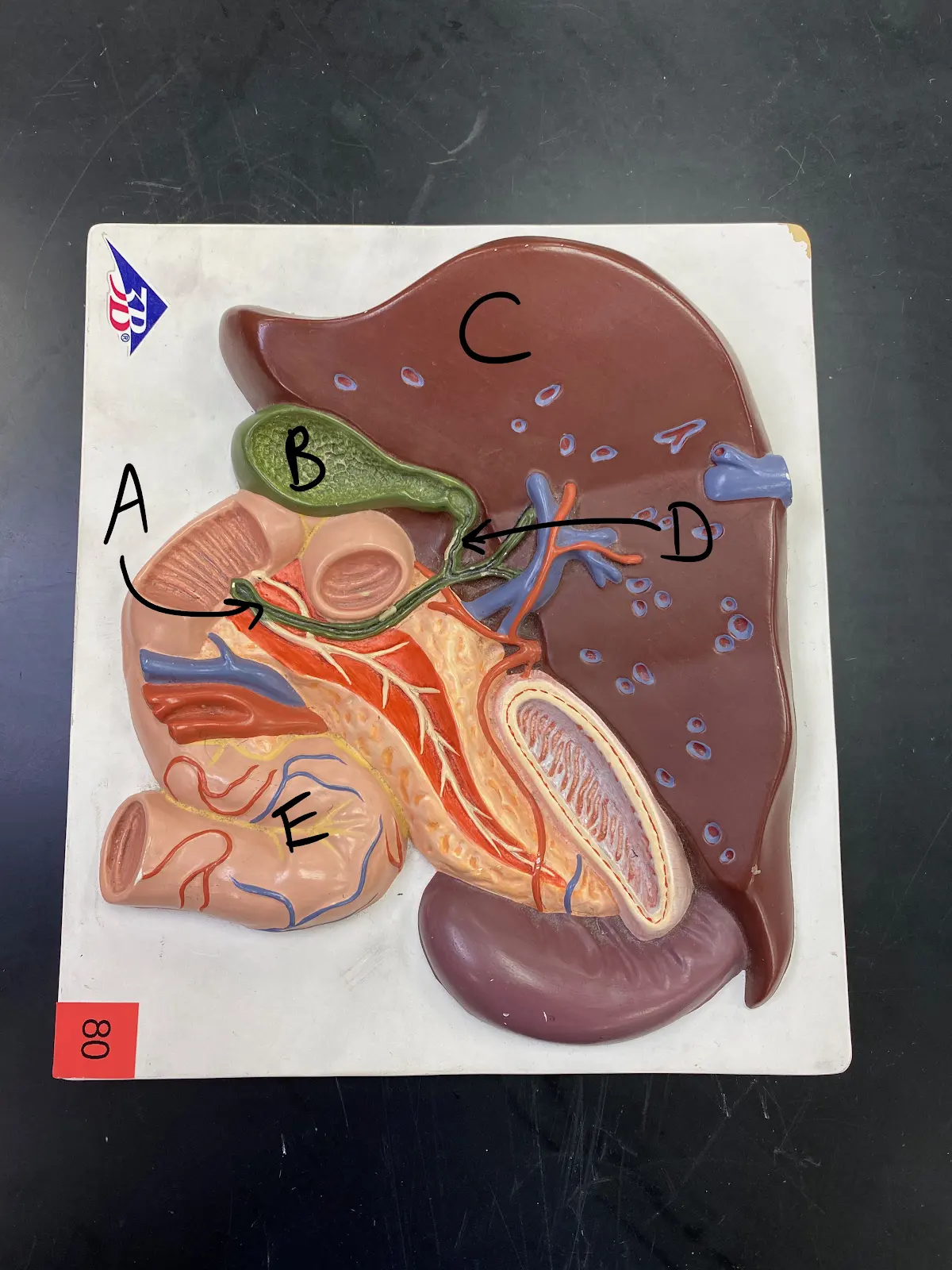
What is “B”?
Gallbladder

What is “C”?
Liver

What is “D”?
Cystic Duct
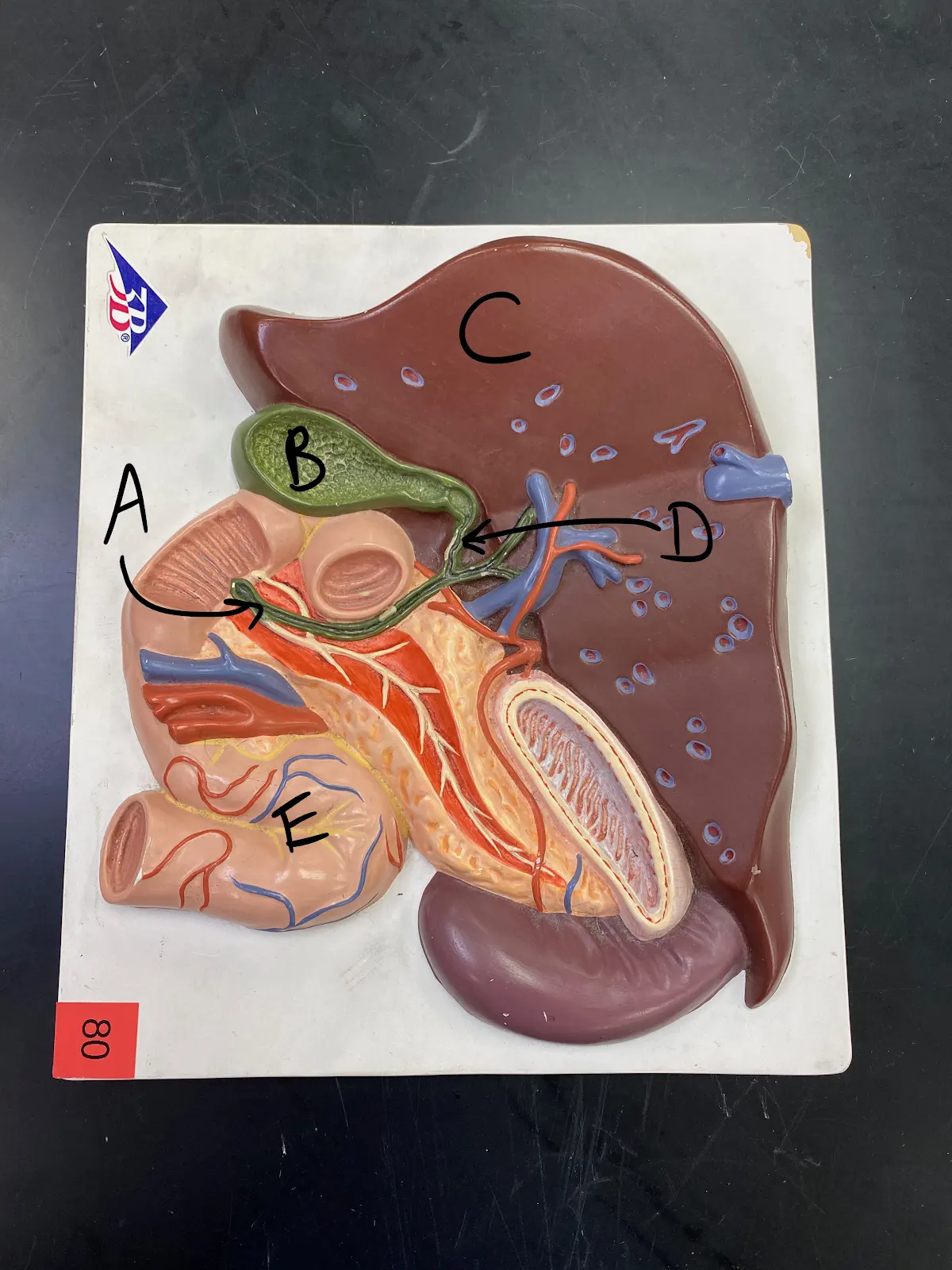
What is “E”?
Duodenum
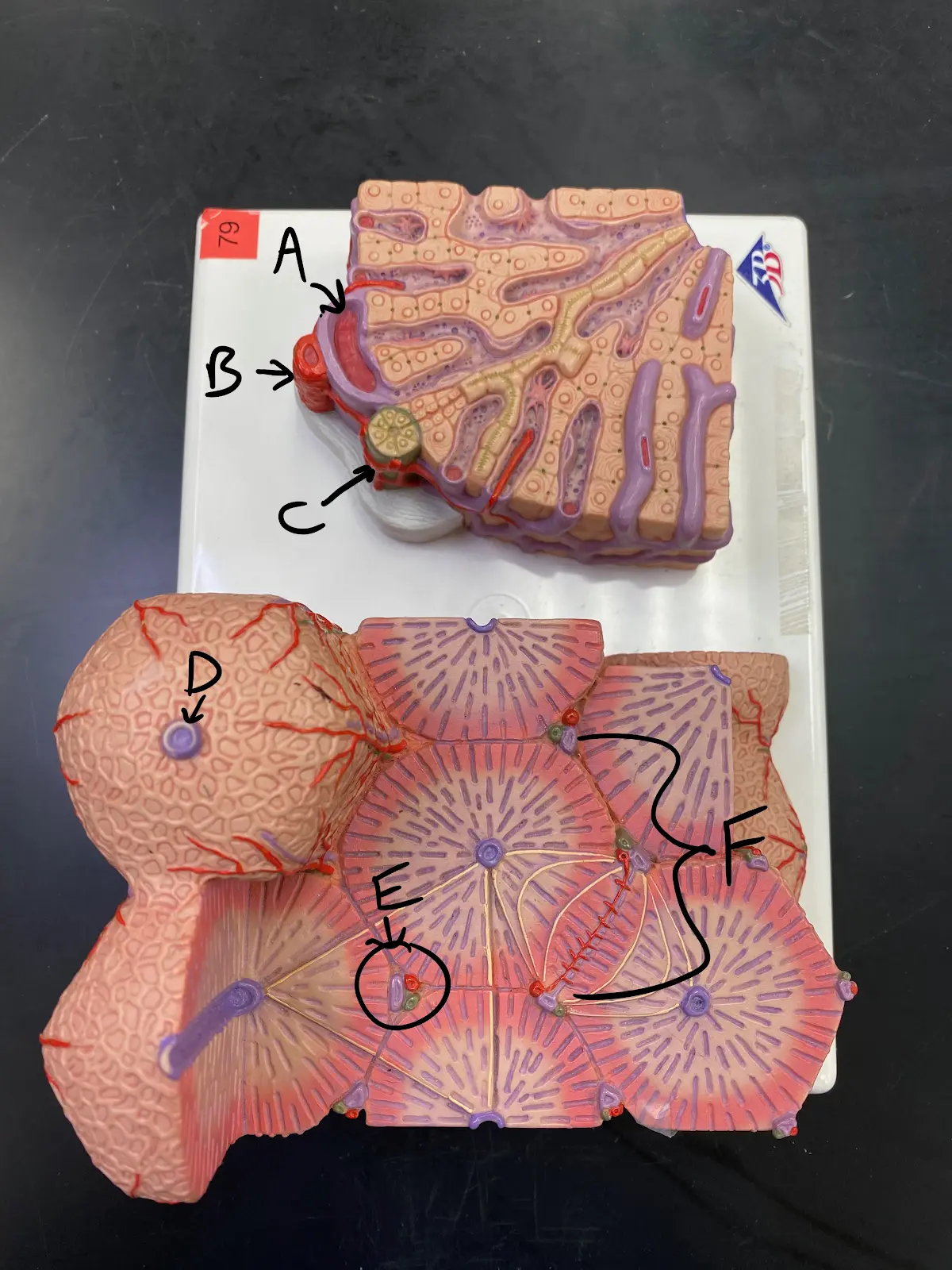
What is “A”?
branch of the hepatic portal vein
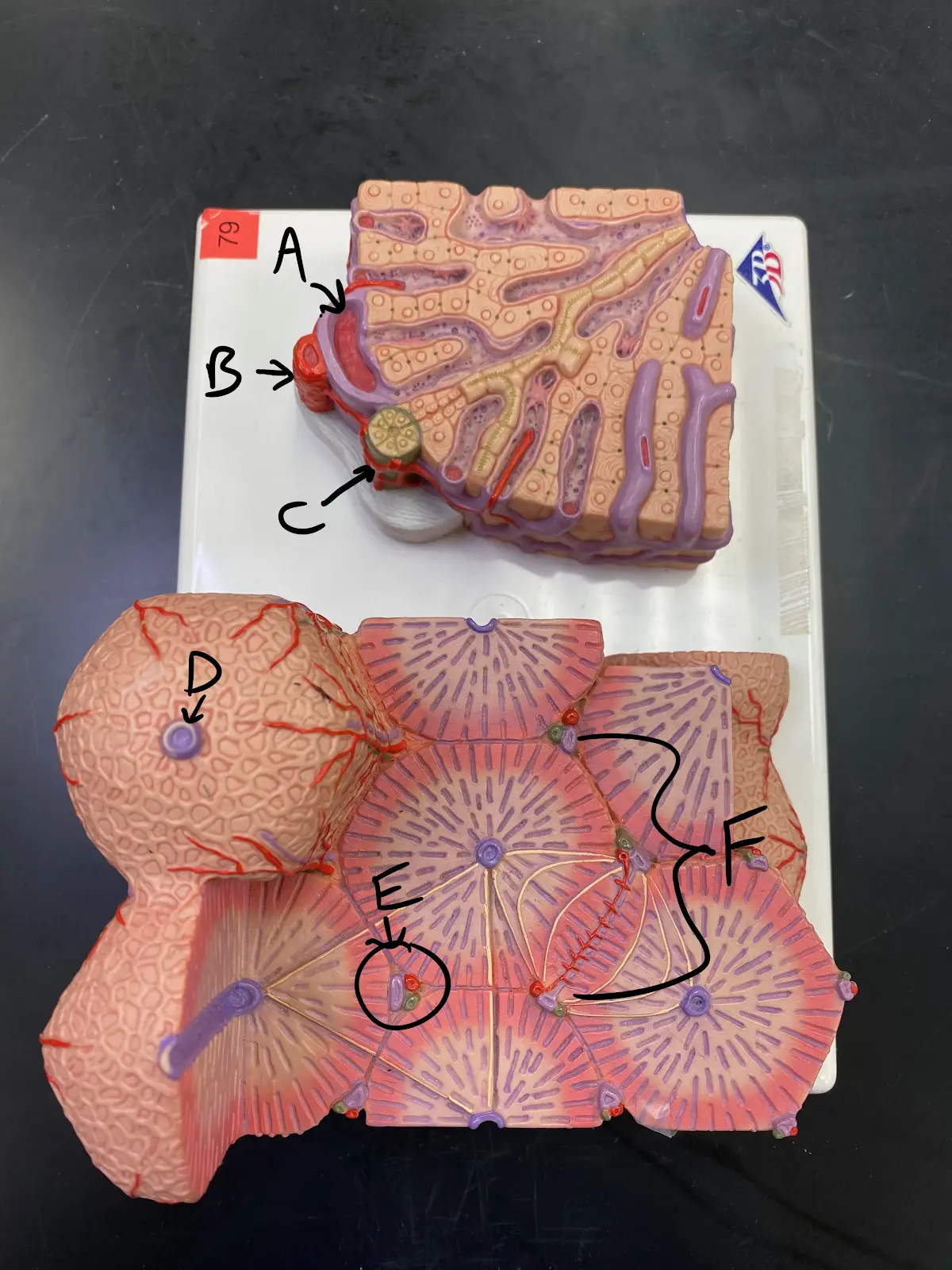
What is “B”?
branch of the hepatic artery

What is “C”?
Bile Ductule
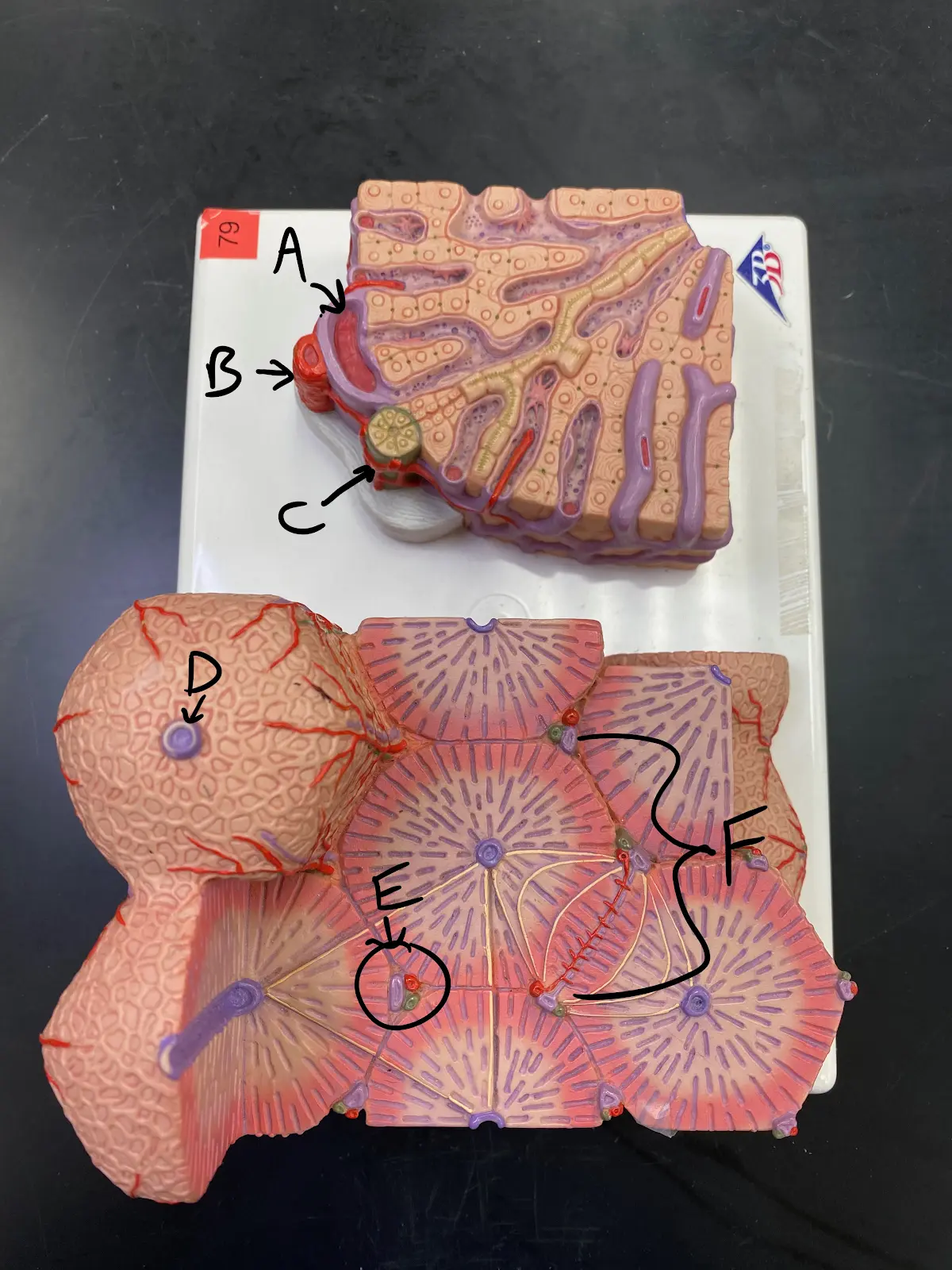
What is “D”?
Central Vein

What is “E”?
Portal Triad
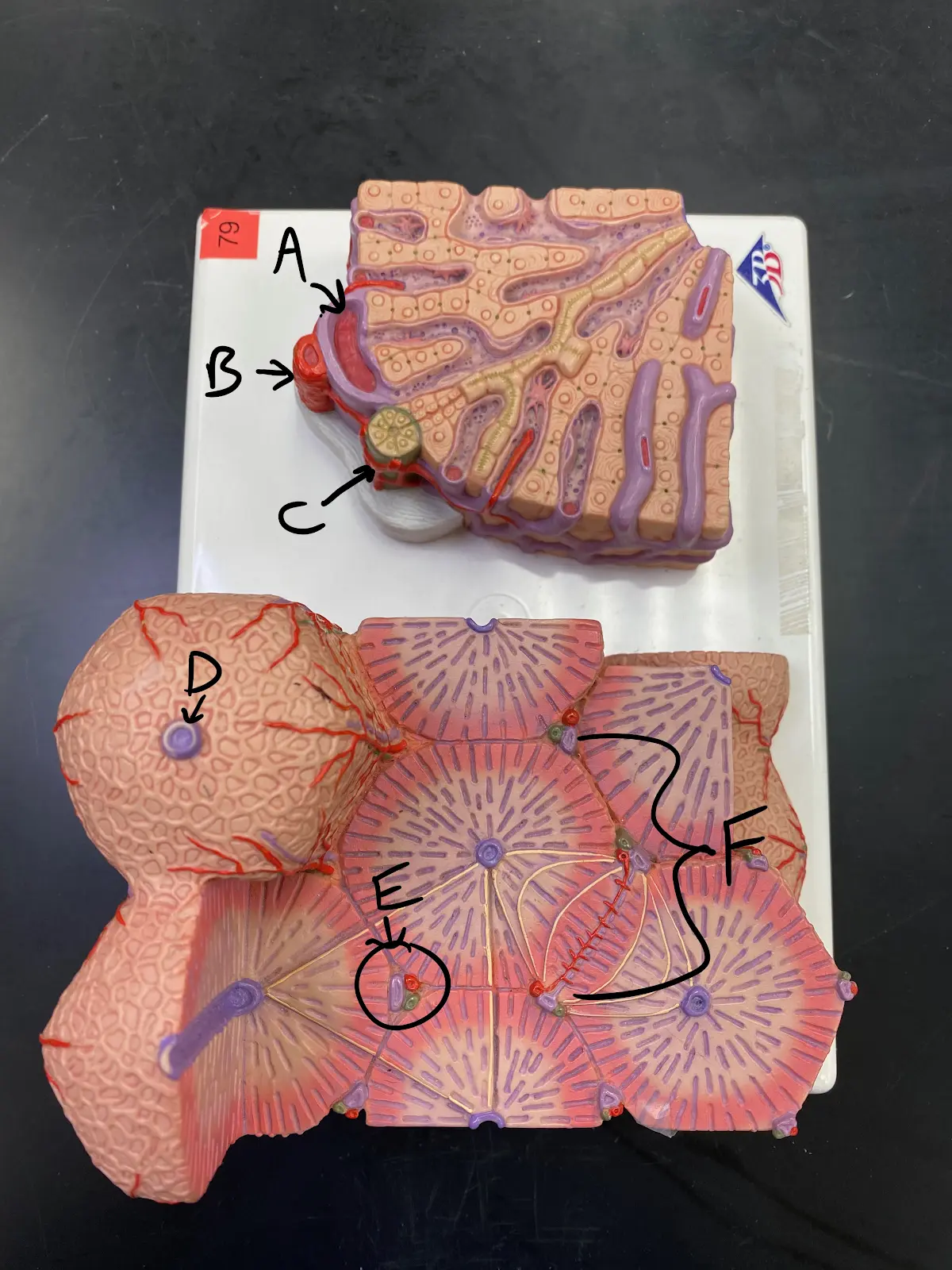
What is “F”?
Liver Lobule
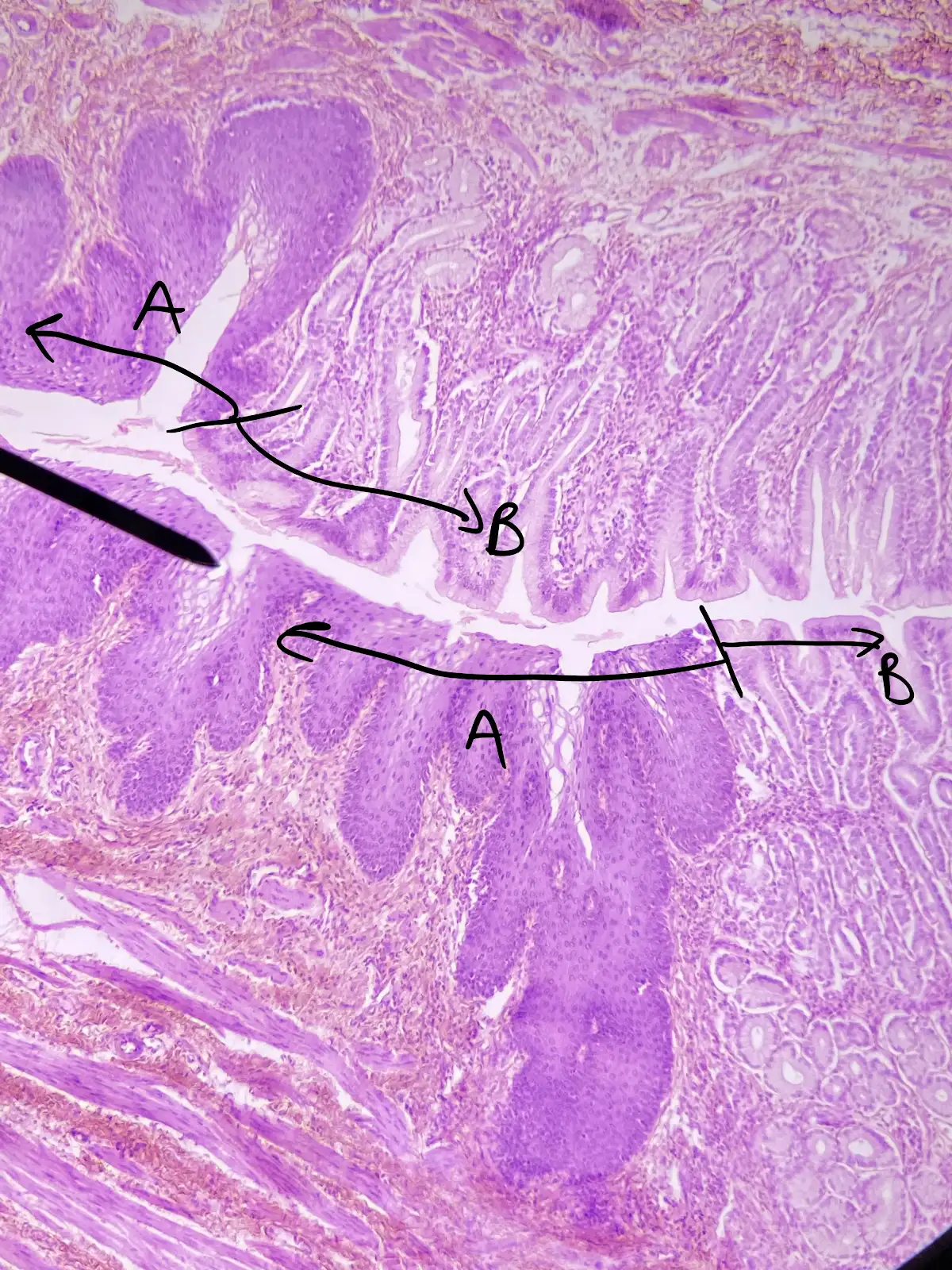
What is “A”?
Esophagus
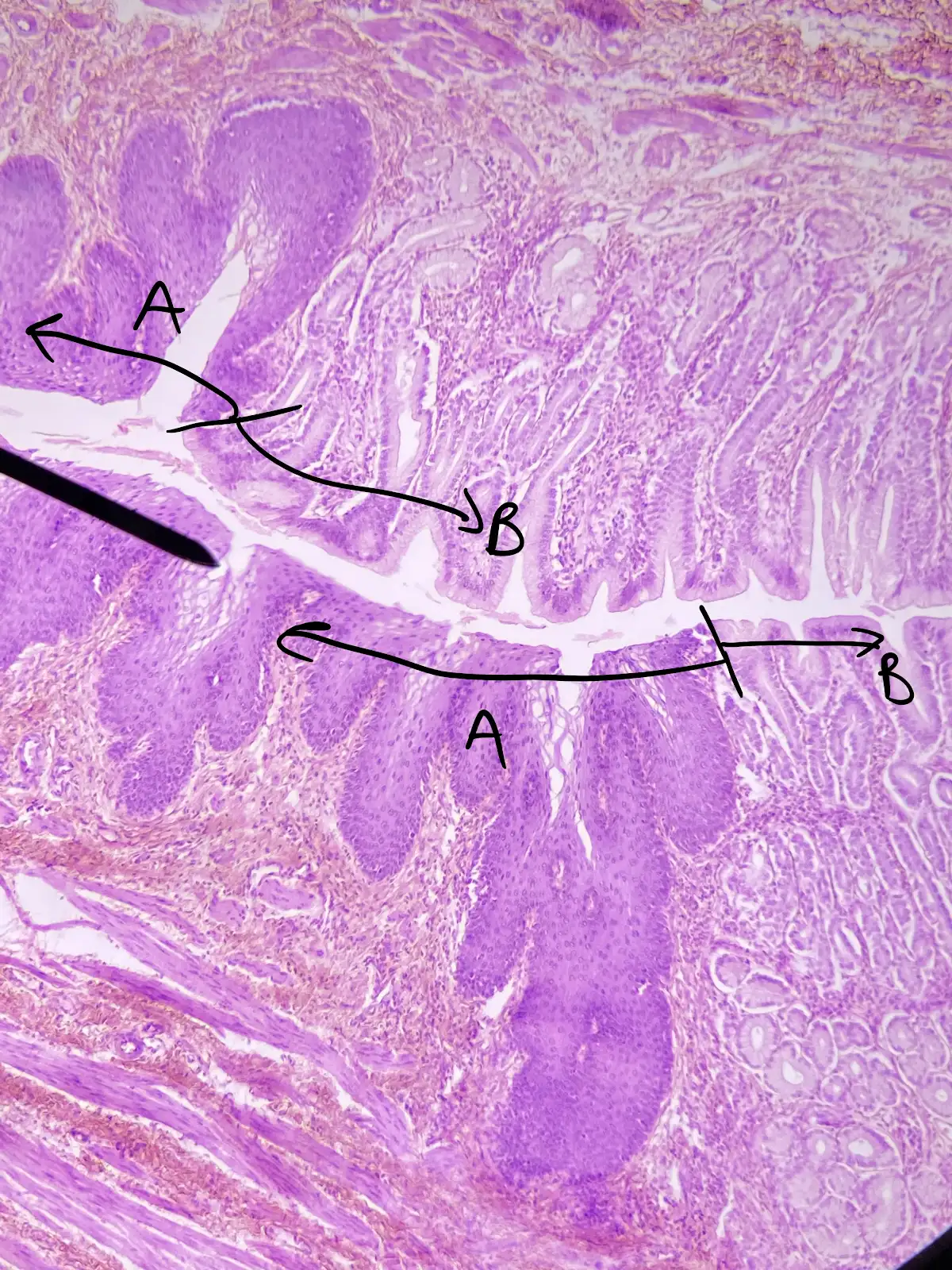
What is “B”?
Stomach
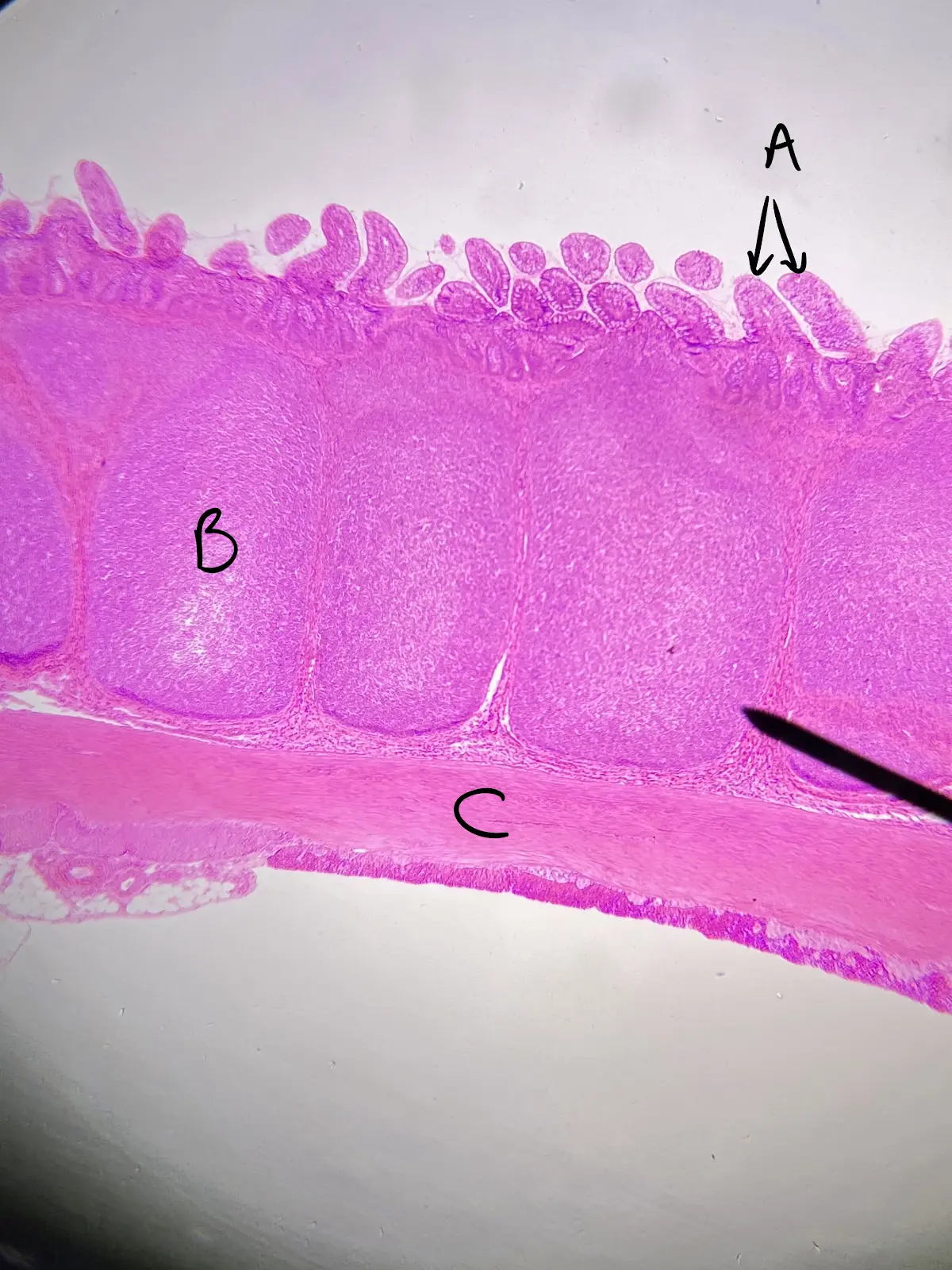
What is “A”?
Vili
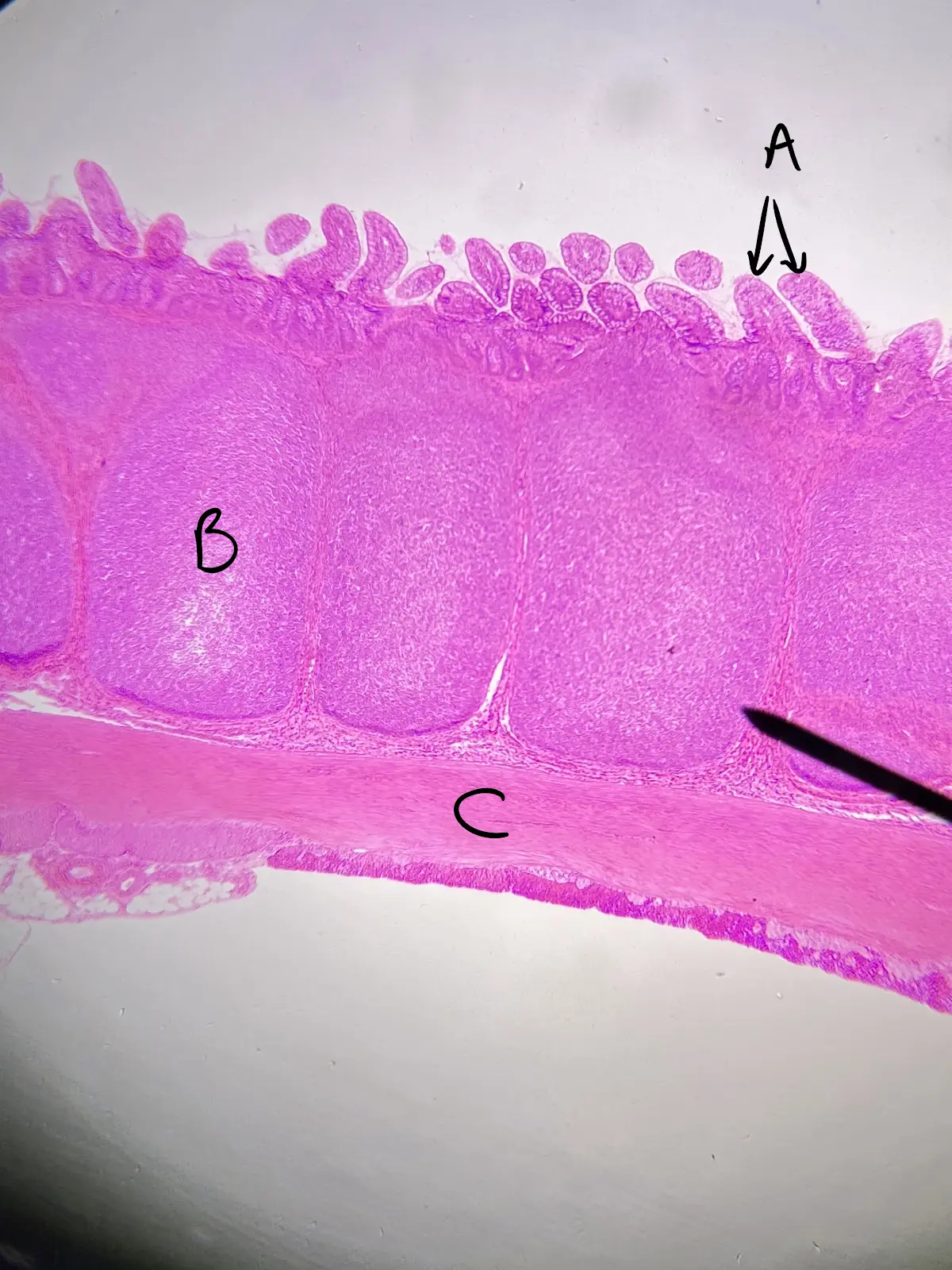
What is “B”?
Peyers Patch
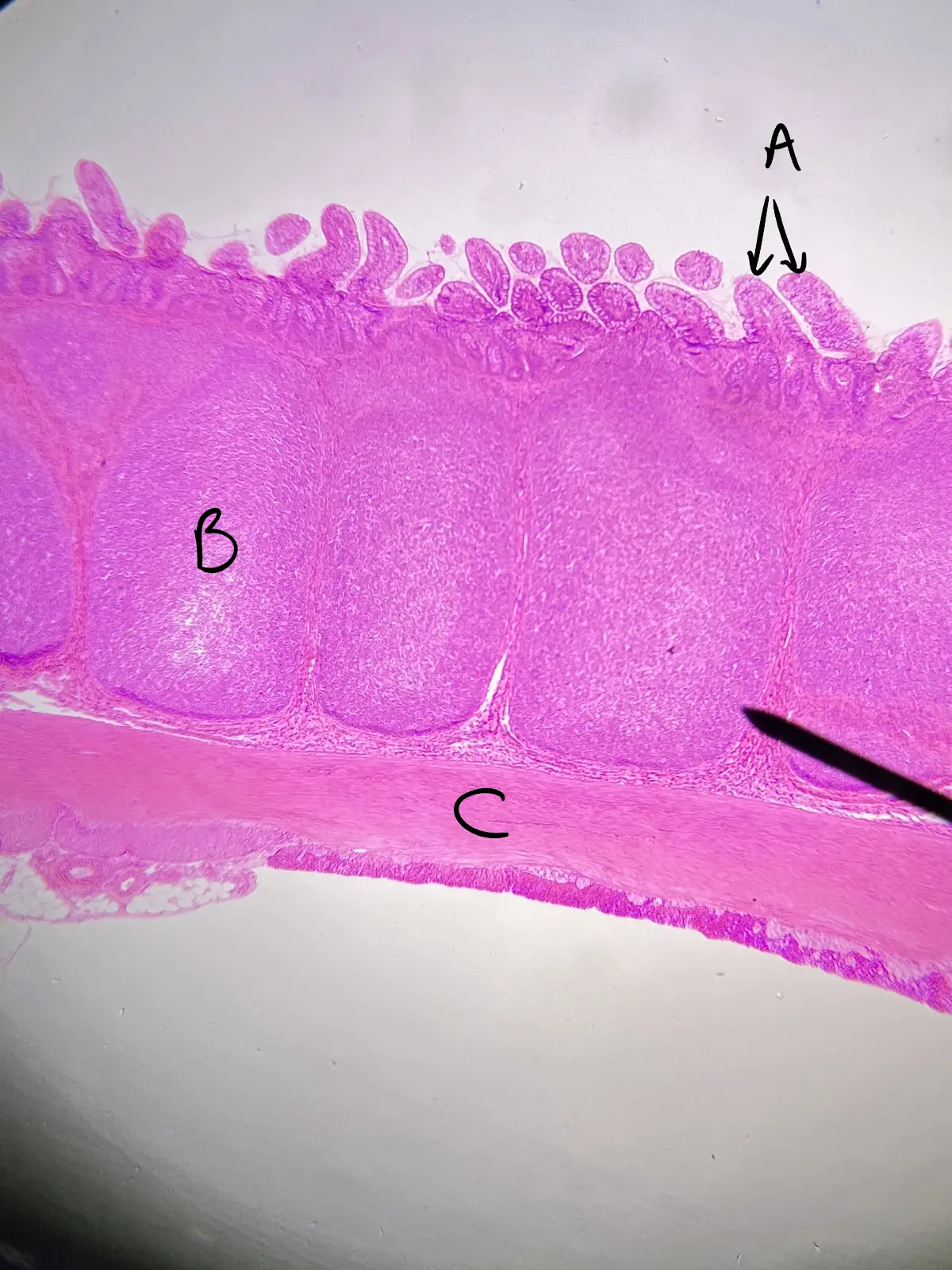
What is “C”?
Smooth Muscle
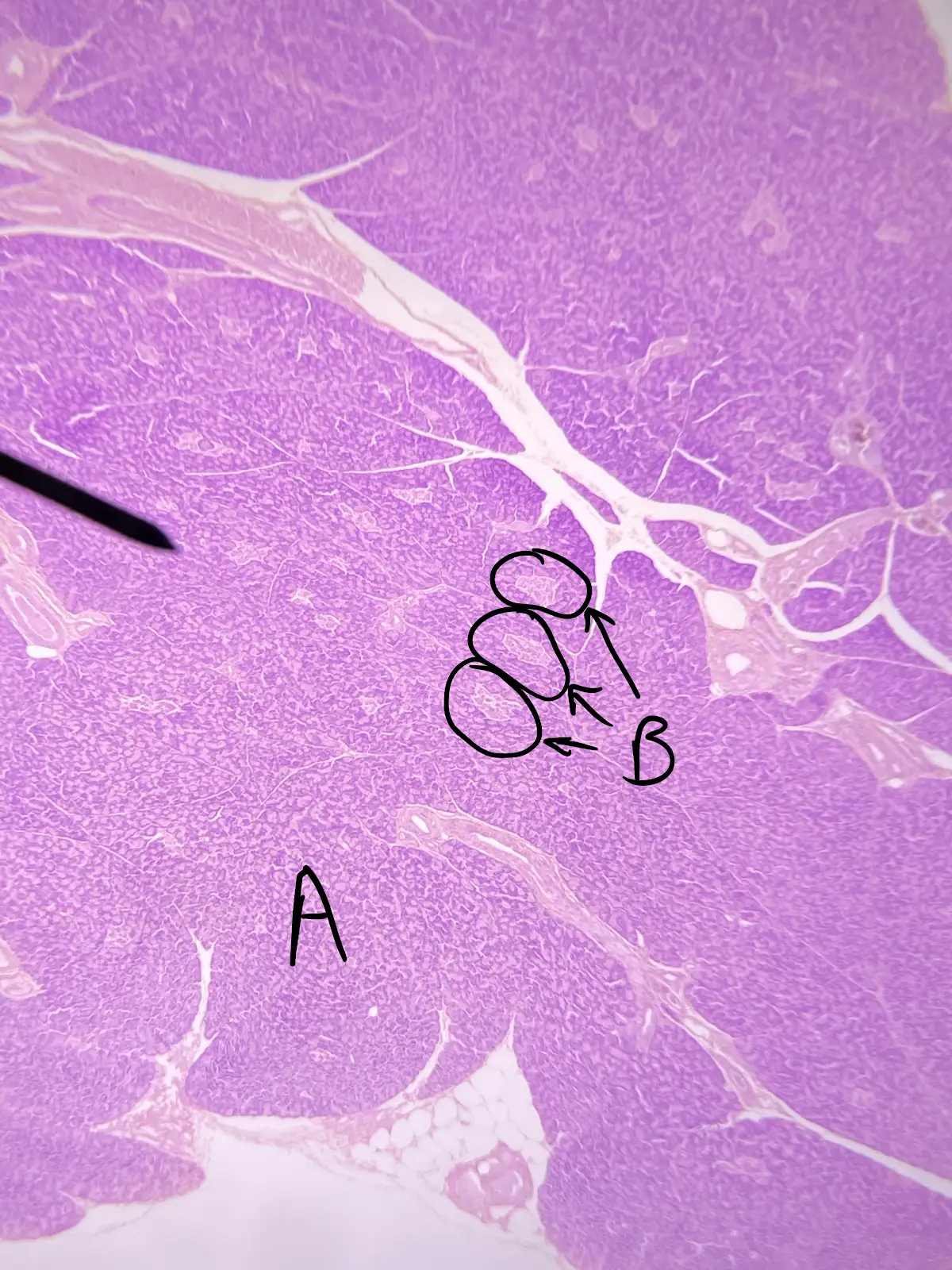
What is “B”?
Pancreatic Islets
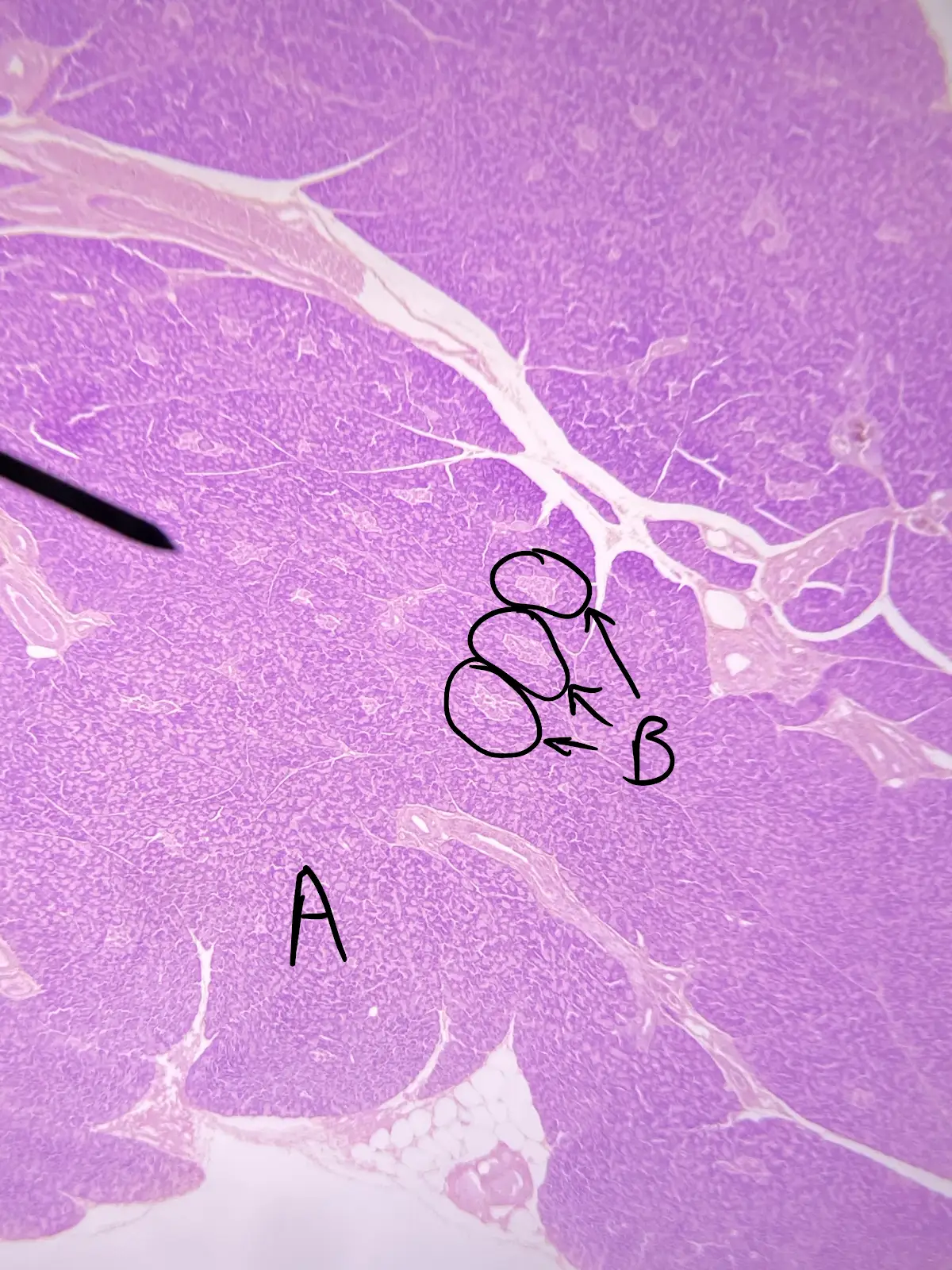
What is “A”?
Acinar Cells
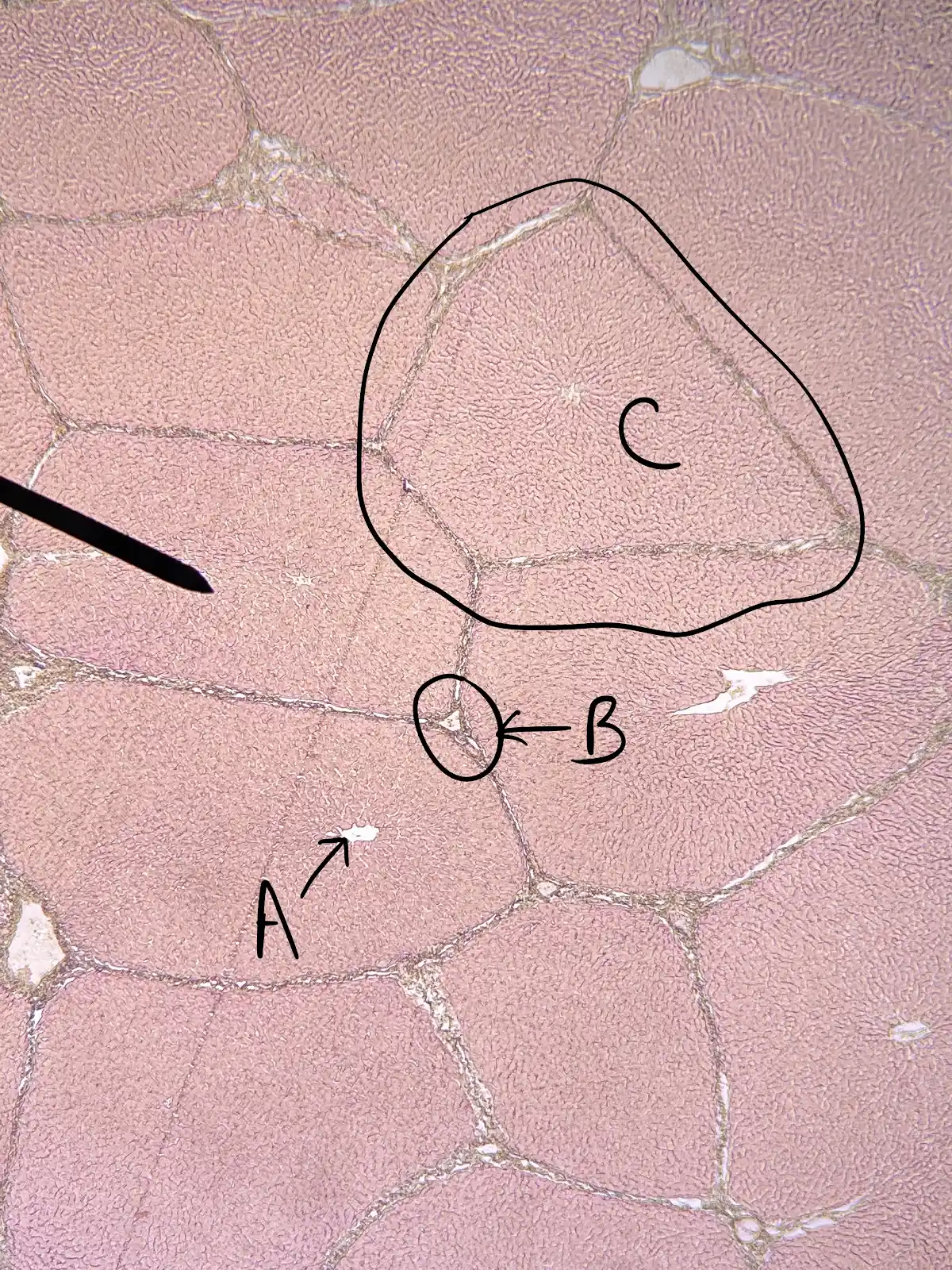
What is “A”?
Central Vein
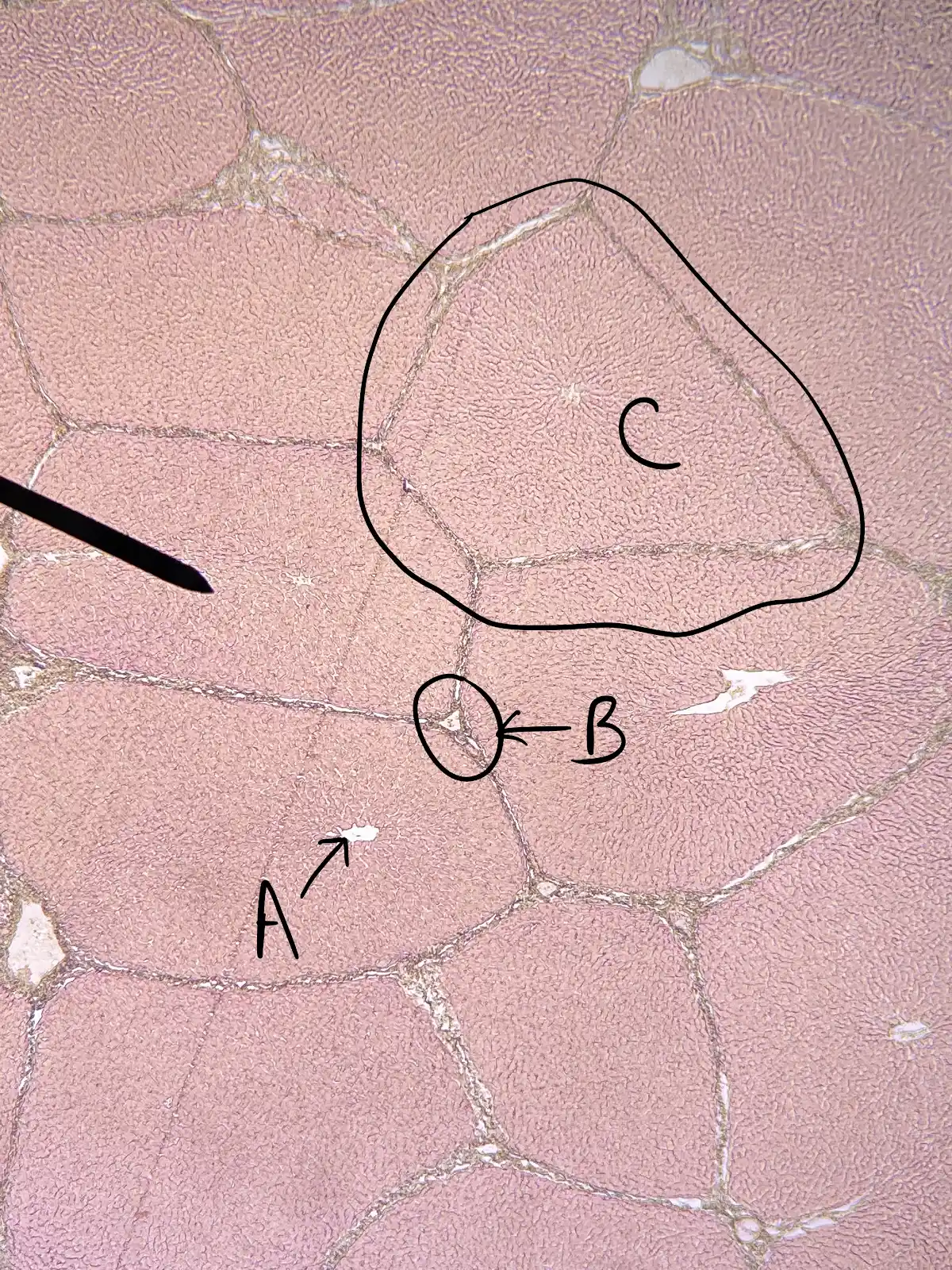
What is “B”?
Portal Triad
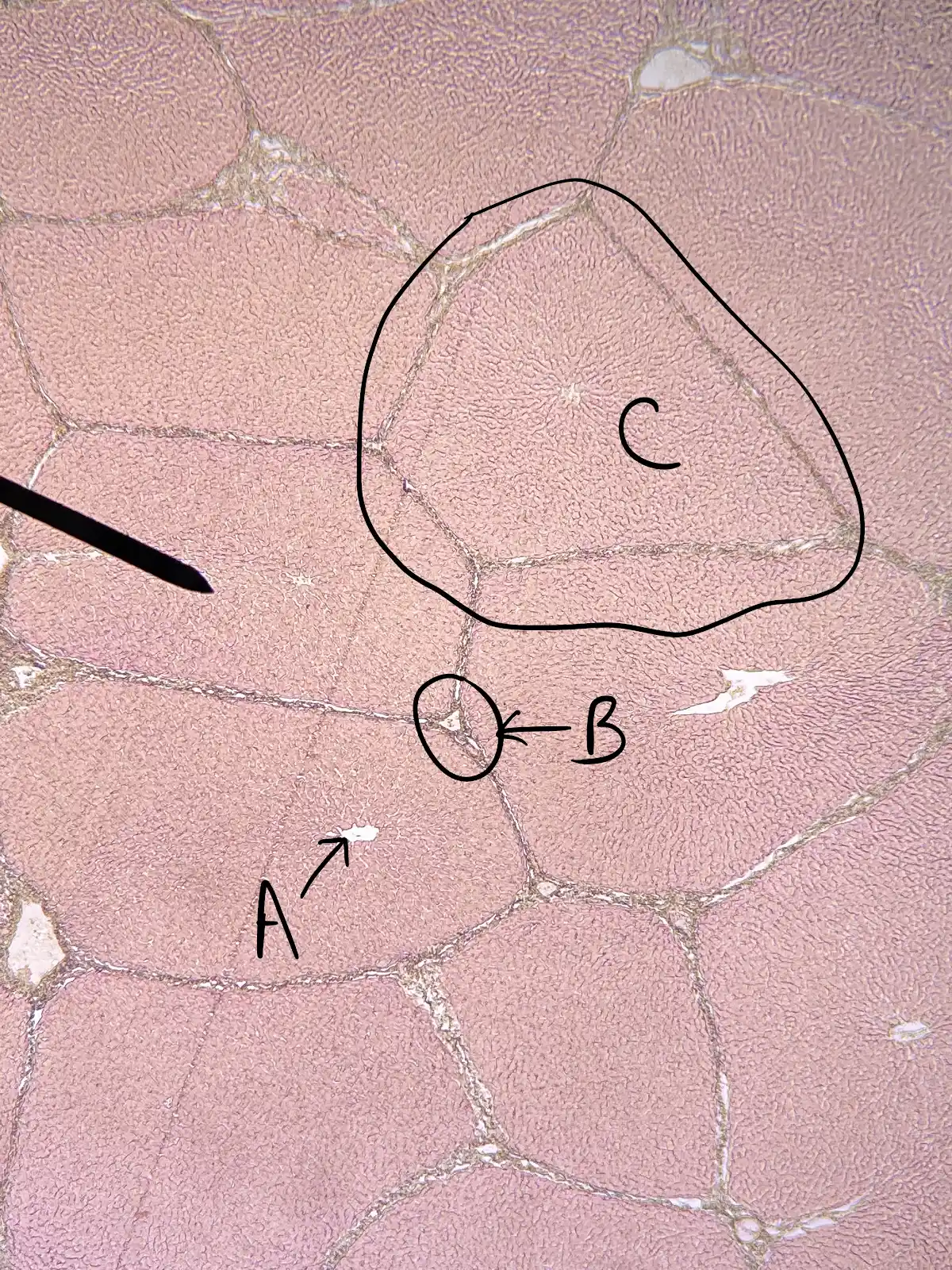
What is “C”?
Entire Lobule