BIO EXAM: 3rd Set
 Call Kai
 Learn
 Practice Test
 Spaced Repetition
 Match
 Flashcards
 Knowt Play
1/47

There's no tags or description
Looks like no tags are added yet.
48 Terms
Can chloroplasts produce ATP w proton (w/o light)?
Yes!

What is Jagendorf’s proof?
ATP made in dark (1966)
Isotope-
hot molecule- different neutron
What is the smallest ion
A PROTON

Characteristics of pH 4.0
Acidic
Has tons of protons
Put in thylakoid space

Characteristics of pH 8.0
Basic
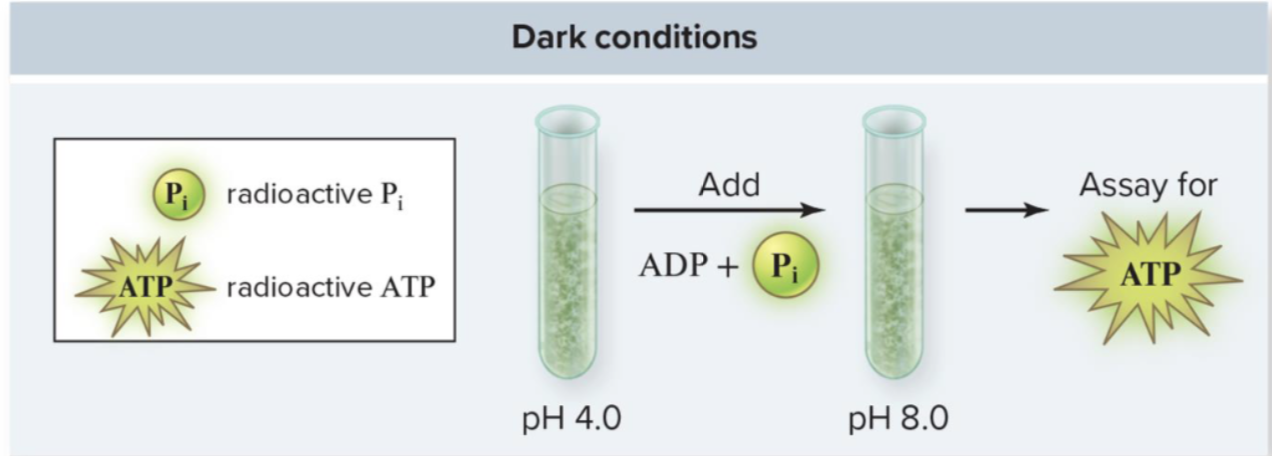
What is the differences between the two pH’s
10^4 → 10,000 fold
What makes the isolated chloroplasts produce ATP
At a pH of 4.0 you add ADP + Pi(radioactive) = pH of 8 → ATP

What is this section?
Calvin → Light independent reaction

Where is this located?
The grana

Where is this located?
Stroma lamella
What is rubisco
Most abundant enzyme in nature(all plants must have RUBISCO to capture CO2)
What is the Calvin cycle?
Building sugar from air
Rubisco(the enzyme) is:
Ribulose-1,5-bisphosphate carboxylase/oxygenase
How much CO2 does rubisco fix
3-10 CO2 per second(slow reaction rate)
Usually enzymes make thousands so plants make HUGE amounts of it
Half the soluble protein in a lead
Rubisco is the most
abundant protein on Earth
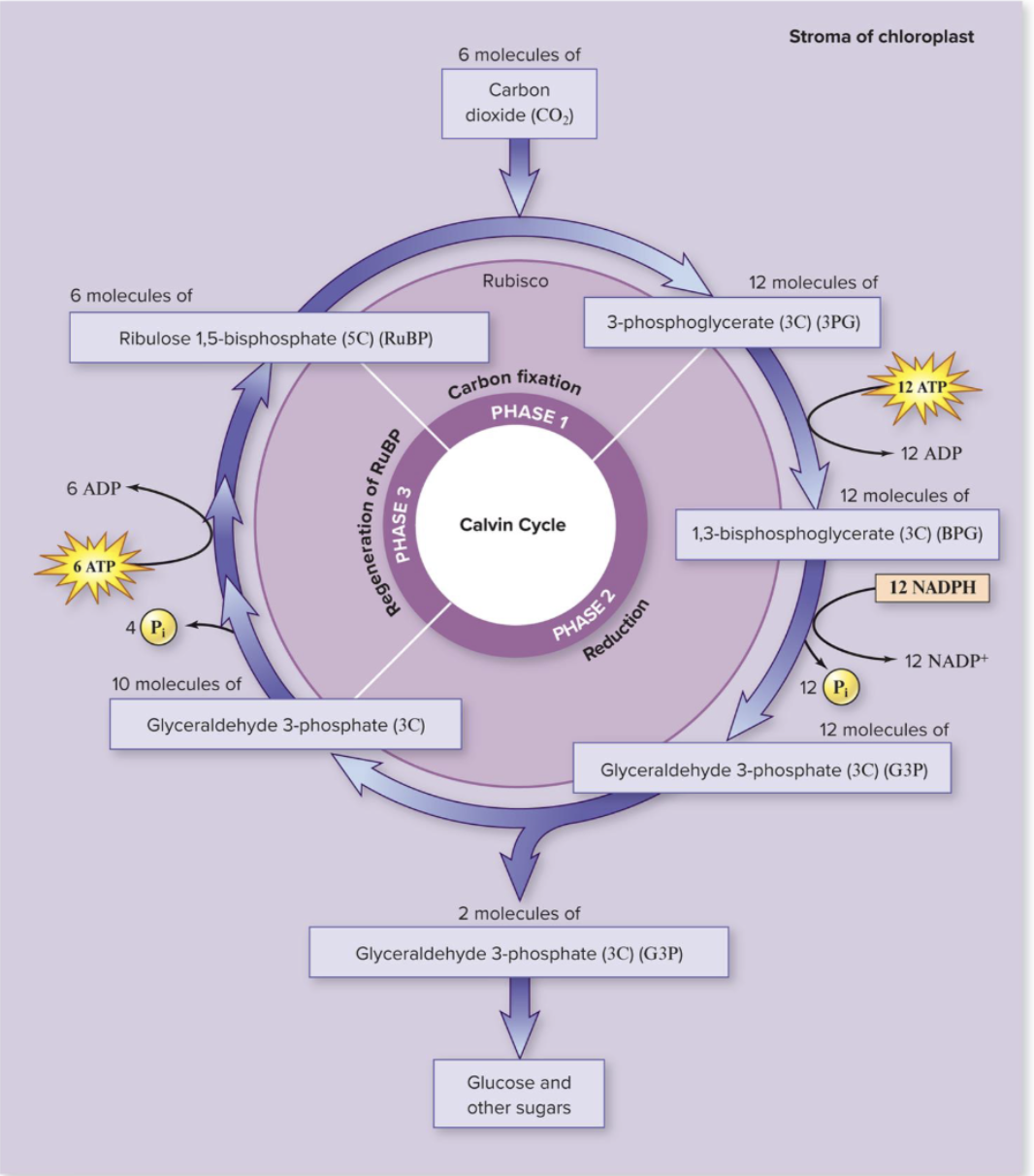
What is the order of the Calvin Cycle?
Carbon Fixation→ Reduction → Regeneration of RuBP
Is this true? In the Calvin Cycle the last material becomes the initial
True!
Glucose=
6 carbon molecules
NADPH provides
Electron
Reduction produces….
2 molecules of Glyceraldehyde 3-Phosphate(3C) (G3P)

Calvin cycle needs
NADPH and ATPoM
Most important molecule?

Every phase of the Calvin cycle has 3C(3 carbons) except?
Regeneration of RuBP

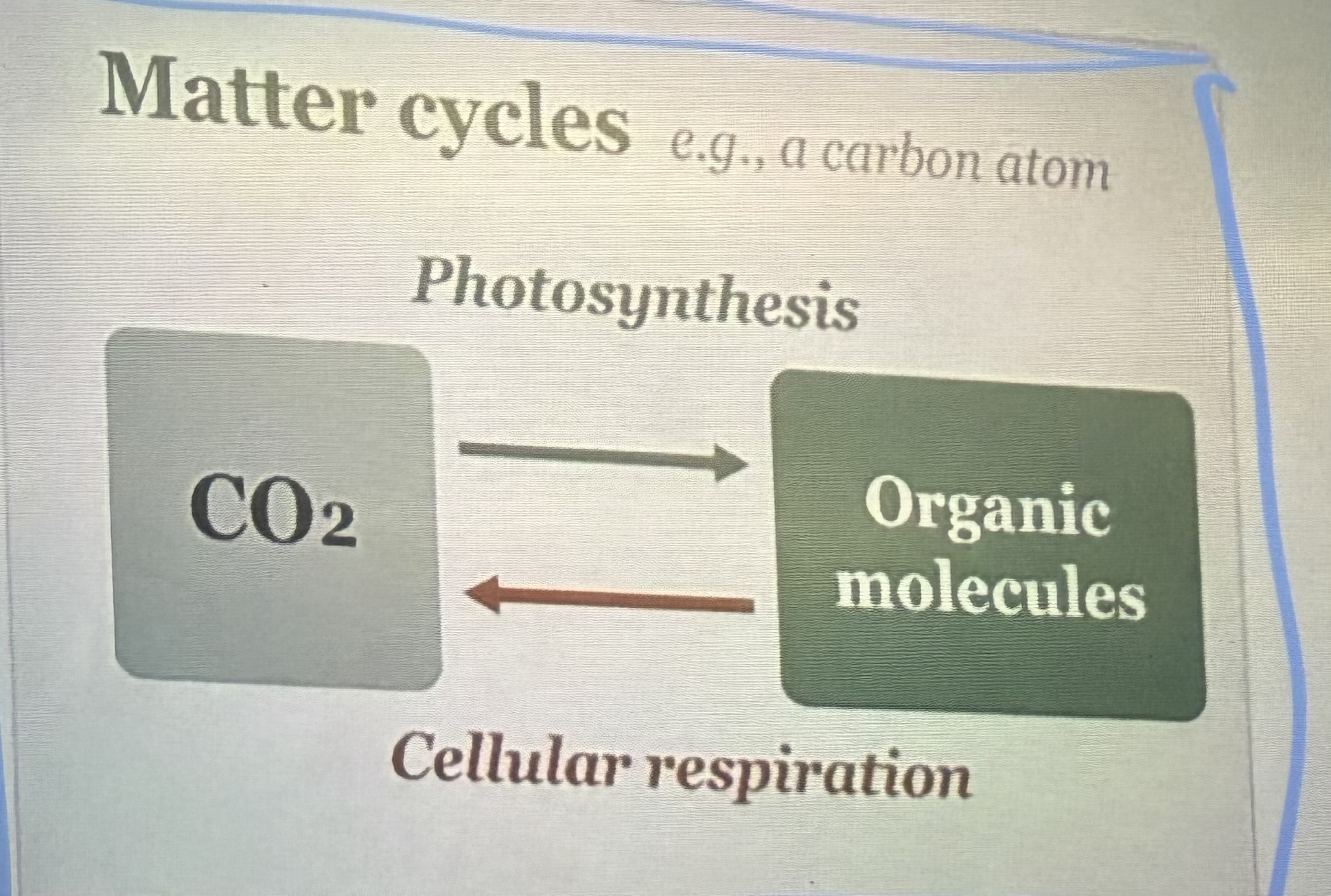
Matter Cycles
CO2 and Organic molecules
Energy flows
Sunlight → Chemical energy(ATP) → Heat

Why does life use cycles?
Catalytic economy, continuous processing, hub function, and control and stability
Catalytic economy
Regenerated intermediates ( ex: RuBP) act like catalysts
Continuous processing
Steady streams of substrates(ex: acetyl coA) requires an acceptor that is constantly resupplied= keeps running
Hub function:
Intermediates serve as metabolic crossroads, providing essential precursors for biosynthesis
Control & Stability
Linking steps into a loop allows centralized regulation → controlling a few key enzymes fine-tunes the entire pathway
Photorespiration
Is bad! It just uses energy with out producing glucose
Hot dry days =
Problem for plants
Oxygen is what to plants
Toxic! Rubisco cannot always tell the difference between CO2 and O2 → Rubisco picks up too much O2
What is a stomata?
a tiny pore or opening found on the surface of plant leaves




Stomata

What is this?
C3 pathway→ Normal!

What is this showing?
C4 pathway
Examples of C4 carboxylase
Corn + sugar cain are C4 plants!

C3
C4

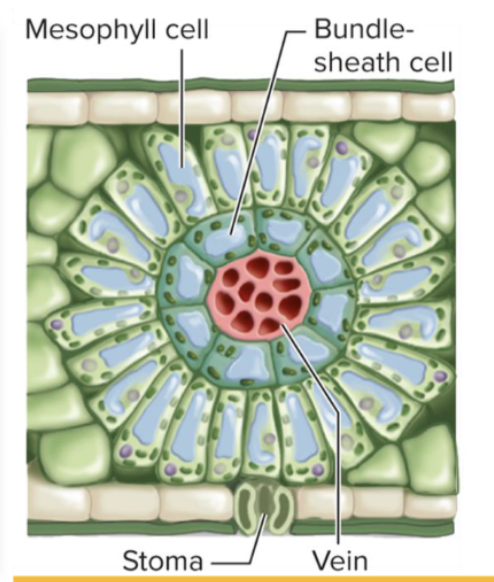
CO2 → Phosphoenolpyruvate + Oxaloacetate → Malate → Inside the bundle-sheath cell, malate releases a CO2CO2 molecule, converting back into pyruvate → remaining pyruvate is transported back to the mesophyll cell.
This image illustrates C4 photosynthesis, a specialized carbon fixation pathway used by certain plants (like corn,sugarcane, and grasses) to minimize photorespiration in hot, dry conditions
CO2 → Phosphoenolpyruvate + Oxaloacetate → Malate → Inside the bundle-sheath cell, malate releases a CO2CO2 molecule, converting back into pyruvate → remaining pyruvate is transported back to the mesophyll cell.
Why cycles matter in biology?
Repetition (same event happens again) + Cycle (the last step regenerates the first)
EX: Citric acid cycle(Krebs) and Calvin cycle

What is the toxin?
phosphoglycolate (PG)
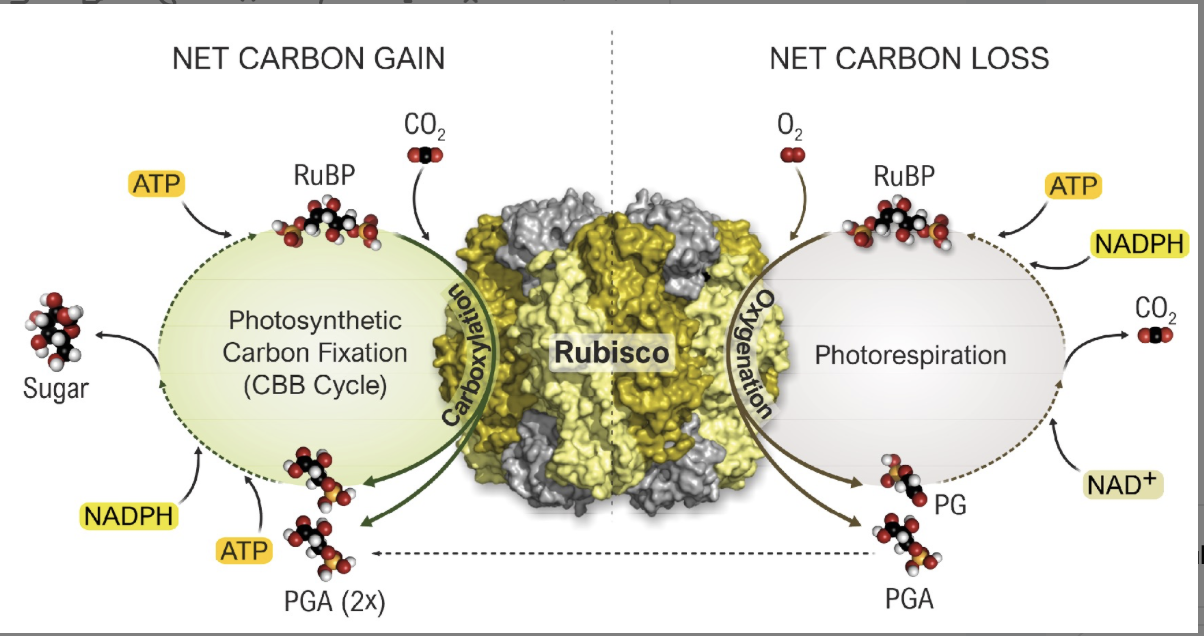
What is happening in the net carbon loss
Rubisco takes O2 instead of CO2
Uses energy + losing CO2
Reducing photosynthesis rate
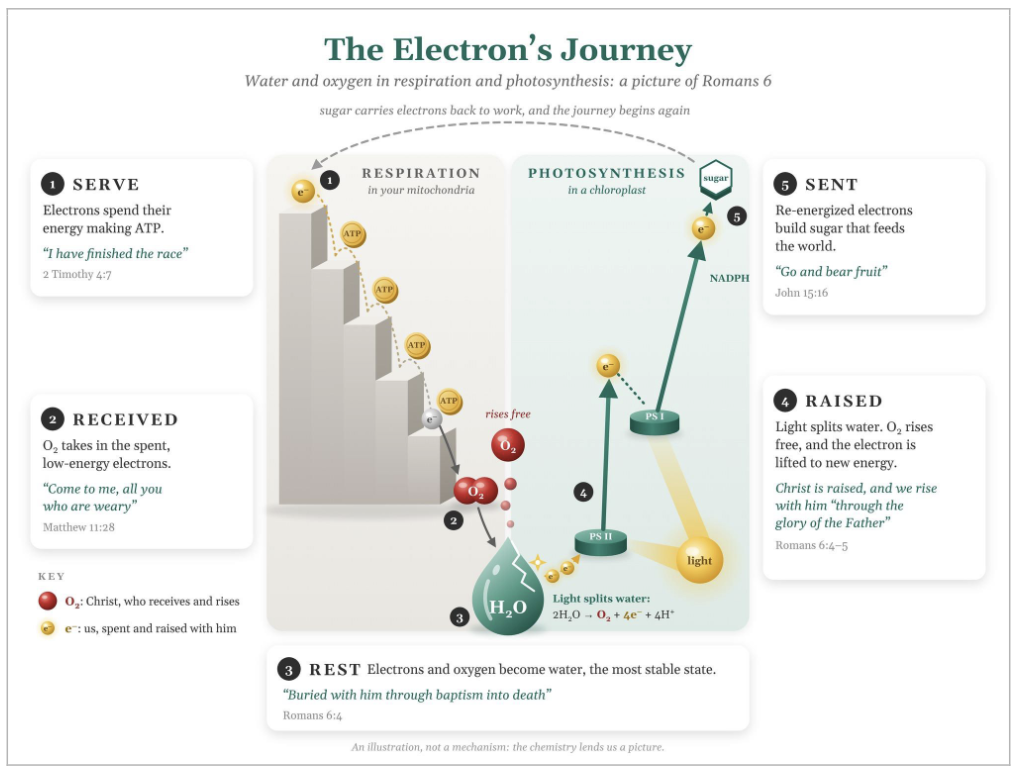
Understand this!