Atoms and the Periodic Table
 Call Kai
 Learn
 Practice Test
 Spaced Repetition
 Match
 Flashcards
1/11

Earn XP
Description and Tags
(Atomic Theory/ Periodic Table)
12 Terms
Atom
The smallest particle that can still be considered an element

Electron
A subatomic particle with a negative charge that orbits the nucleus of an atom.

Nucleus
The central part of an atom, consisting of protons and neutrons, and containing most of the atom's mass.

Proton
A positively charged subatomic particle found in the nucleus of an atom. It determines the atomic number and identity of an element.
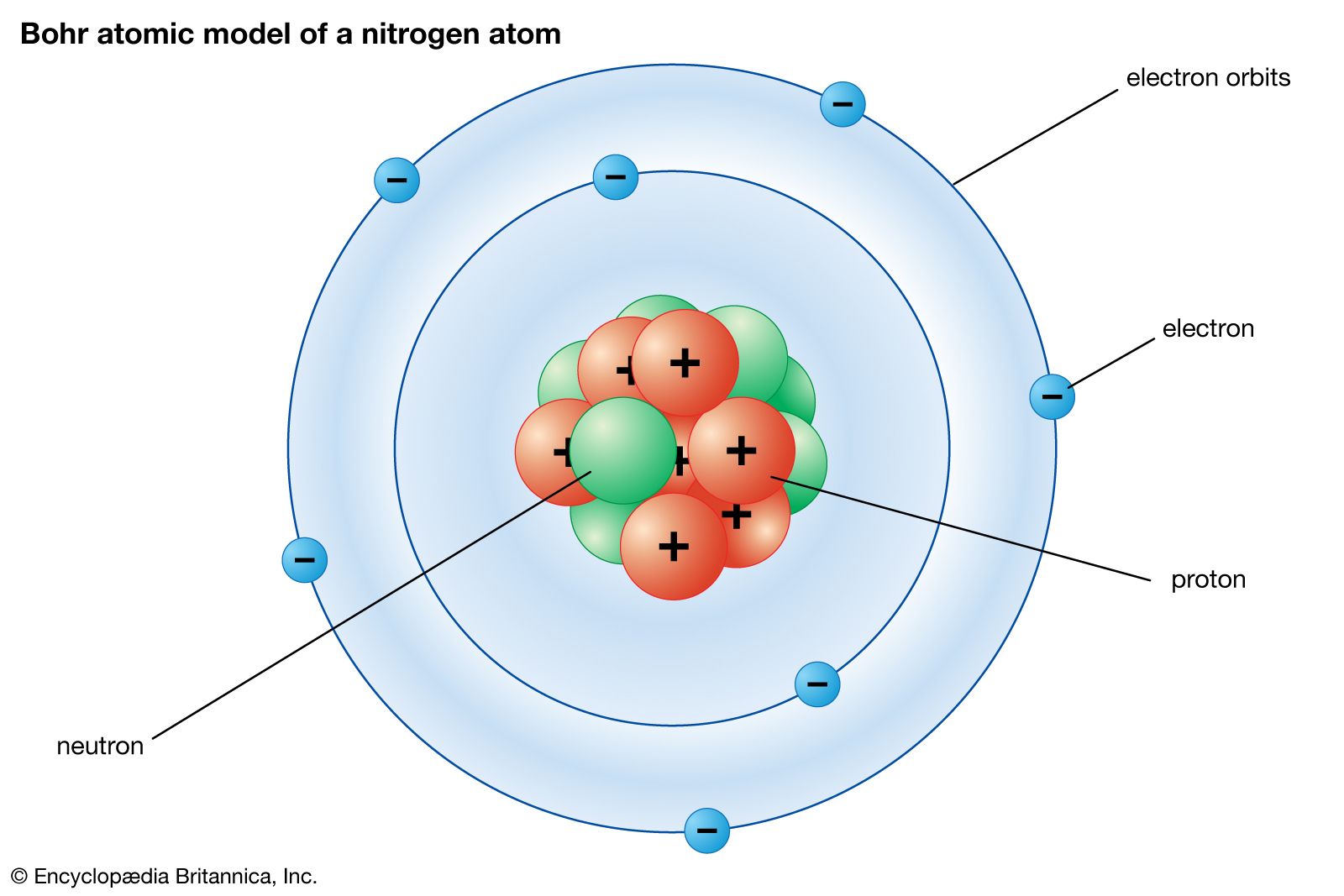
Neutron
A subatomic particle with no charge, found in the nucleus of an atom, that contributes to the atomic mass but not the atomic number.

Atomic Number
The number of protons in the nucleus of an atom, which defines the element and determines its position on the periodic table.

Isotope
Atoms of the same element that have the same number of protons, but a different number of neutrons, resulting in a different mass.
Atomic Mass
The weighted average mass of an atom's isotopes, measured in atomic mass units (amu), reflecting both the number of protons and neutrons in the nucleus.

Periodic Table
A chart arrangement of the chemical elements, organized by increasing atomic number, according to the repeating pattern of their properties.
Chemical Symbol
A one- or two-letter abbreviation used to represent a chemical element.

Period
The rows in a periodic table (left to right)

Group
The columns in a periodic table. These elements have similar characteristics. (up and down)