Bio lab exam 3
 Call Kai
 Learn
 Practice Test
 Spaced Repetition
 Match
 Flashcards
 Knowt Play
1/87

There's no tags or description
Looks like no tags are added yet.
88 Terms
Cell division consists of two types of divisions. What are they?
Mitosis, Meiosis

This is the primary constriction of a chromosome, and this is where two sister chromatids are tightly associated
Centromere
How many chromosomes to humans have?
46 chromosomes
23 pairs
22 autosomes, 1 sex chromosome
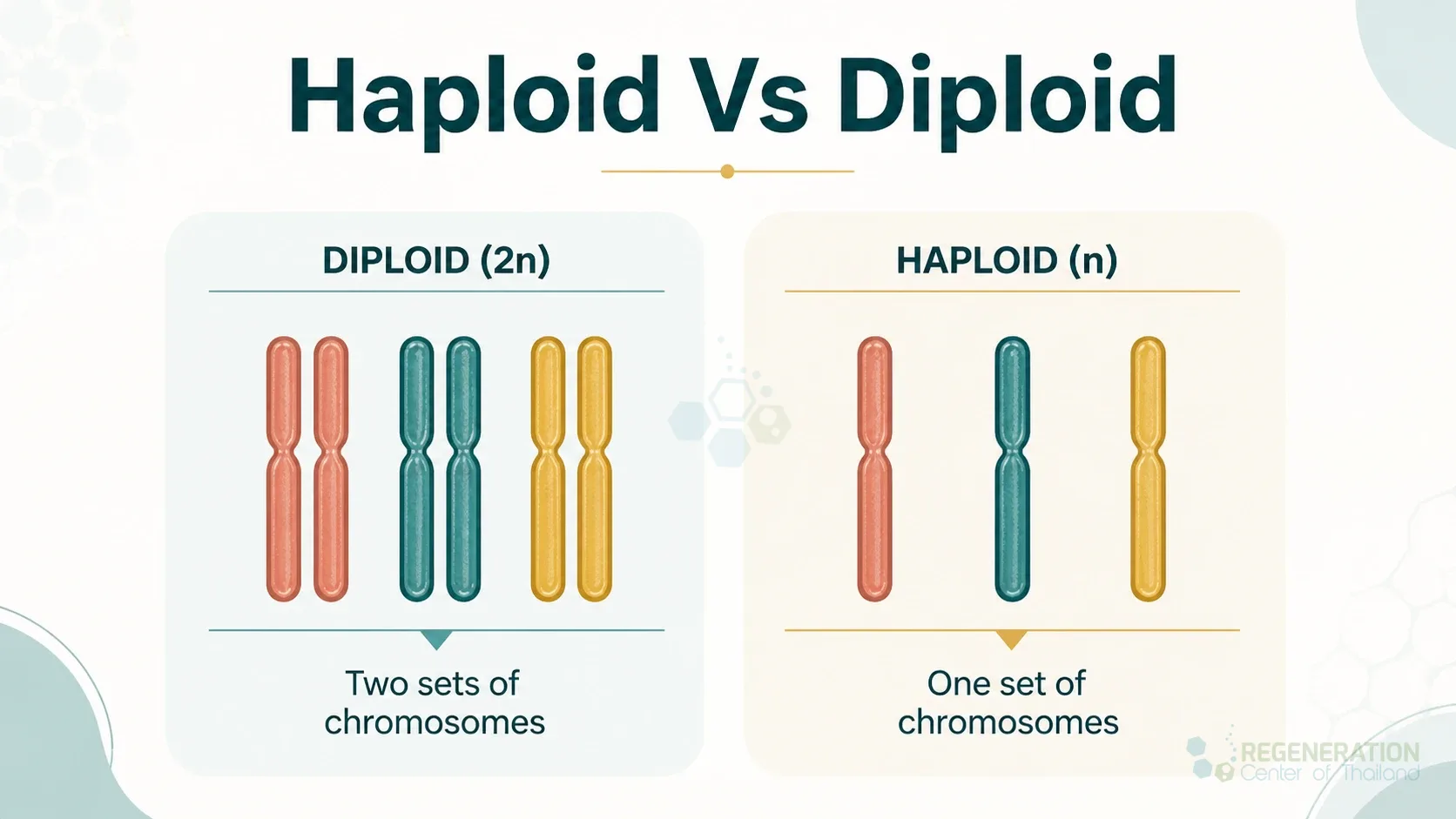
What is the difference between diploid and haploid?
diploid (2n): two of each type of chromosome (a pair)
Haploid(n): half the diploid number of chromosome

What characteristics do homologous chromosomes have in common?
Gene sequence/loci, length, centromere location

What makes up the M phase of the cell cycle?
Mitosis
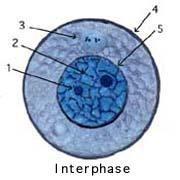
Interphase
cell reaches its full size and then starts preparing for its next division
Chromosome/DNA replication, replication of cellular organelles, including centrioles, the synthesis of microtubules unites
3 phases: G1, S, G2

G1 -
cells primary growth phase
Increases in size, synthesizes proteins, lipid, carbohydrates
Centrioles begin to form
doubles in organelles

S -
Chromosomes become replicated produce two daughter copies/sister chromatids,
Duplication of centrioles completed
Growth/DNA replication

G2 -
further replication of membranes, microtubules
Sister chromatids start to condense
Growth/Final preparations for cell division
Chromosomes are replicated during the ______ phase?
S-
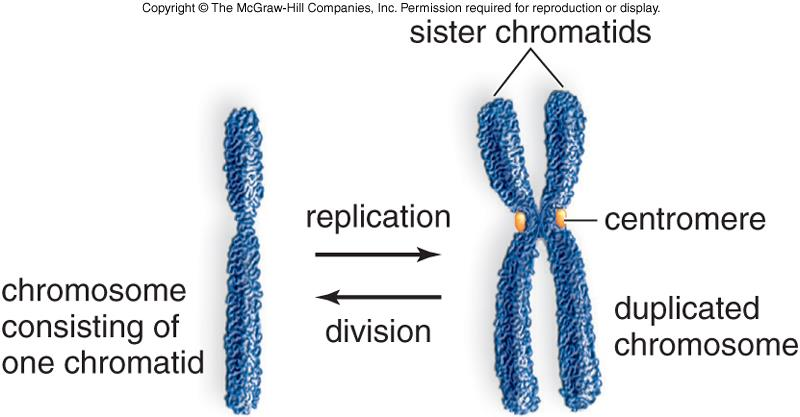
What are sister chromatids?
duplicated chromosomes that are identical and attached at the centromere.

Mitosis – nuclear division
pro/meta/ana/telophase

Prophase
First stage of nuclear division
Chromatin condenses into visible chromosomes
Each chromosome consist of two sister chromatins
The mitotic spindle begin to form
Centrosomes move toward the opposite poles
What organelles disperse in prophase of mitosis?
golgi complex and ER fragment and nuclear envelope
Prometaphase
nuclear envelope fragments
Spindle microtubules enter the nuclear area
Kinetochore microtubules attach to kinetochores
Centrosomes begin moving toward the center of the cell

Metaphase
Chromosomes align at the metaphase plate.
sister chromatids are attached to kinetochore microtubules coming from opposite poles

Anaphase
sister chromatids separate (cohesion proteins cleaved)
Daughter chromosomes move toward opposite poles
Kinetochore microtubules shorted/ polar microtubules lengthen
The cell begins to elongate

Telophase
chromosomes reach the opposite poles
Nuclear envelopes reform around each set of chromosomes resulting in two nuclei in the cell.
Nucleoli reappear
Chromosome begin to decondense
The spindle breaks down
a. Why is mitotic cell division important?
Because this allows a zygote to grow into a complex multicellular organism (growth and development)
Tissue repair as it replaces damaged cells
Reproduction

In mitosis are diploid or haploid cells made? How many daughter cells result
Mitosis: diploid→ diploid( replicates chromosomes), 2 daughter cells
Cytokinesis
Division of cytoplasm

In which type of cells is the cleave furrow created?
Animal cells
How does cytokines take place in plant cell?
By cell plate formation, no cleavage furrow

Meiosis
occurs in sexually reproducing organisms
Where in the human body does meiosis occur?
Reproductive organs
c. Are haploid cells produced from diploid cells?
Yes
d. After one cell undergoes meiosis I and meiosis II, how many cells are made?
4 daughter cells
e. Crossing over and independent assortment promote genetic variability.
True
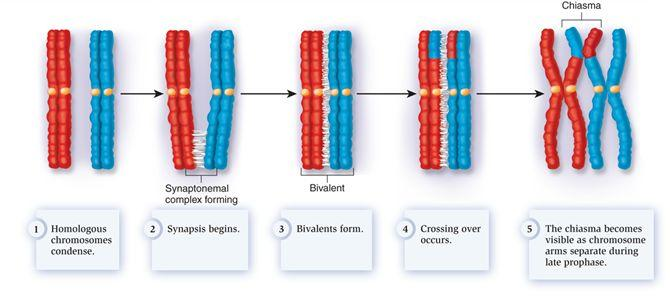
What is crossing over?
Exchanged DNA between homologous chromosomes, creating new combinations of alleles.
What stage of meiosis I does crossing over occur?
Prophase 1
Meiosis I
reductional division
homologous chromosomes pair and seperate
Produce two haploid daughter cells with replicated chromosomes
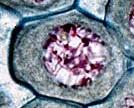
Prophase I
homologous chromosomes pair through synapsis to form tetrads
Nuclear envelope breaks down
Spindle fibers begin to form
What are bivalent and tetrads?
Homologous chromosomes coming together

What is a chiasma?
points where DNA is exchanged during crossing over

What is synapsis?
Alignment/pairing up of homologous chromosomes (a protein)

Metaphase I
Tetrads align at the metaphase plate

Anaphase I
homologous chromosomes separate
sister chromatids remain attached

Telophase I
two haploid daughter cells form
Meiosis II
equational division
sister chromatids separate
Results in four haploid daughter cells with unreplicated chromosomes
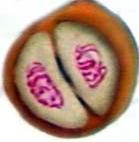
Prophase II
Spindle apparatus forms
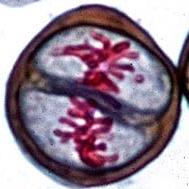
Metaphase II
chromosomes align individually at the metaphase plate

Anaphase II
sister chromatids separate and move to opposite poles
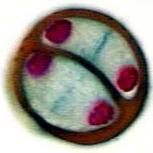
Telophase II
nuclei reform and cytokinesis occurs
Four genetically unique haploid cells are produced

What are three events that are unique to meiosis I?
crossing over, independent assortment, random fertilization
What are the major ways events of mitosis differ from meiosis?

a. How many cell division(s) are present in mitosis and meiosis?
mitosis=1
Meiosis=2

b. How many cells are made at the end of mitosis and meiosis?
mitosis=2
Meiosis=4
c. Does synapsis and crossing over occur in both mitosis and meiosis?
only in meiosis
d. In which type of cell division are the daughter cells identical to the parent cell?
Mitosis
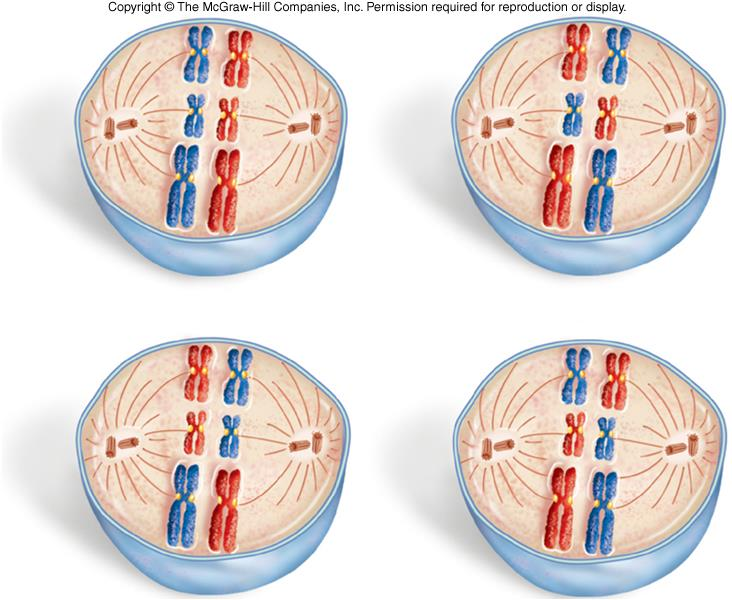
When does independent assortment occur?
metaphase 1

e. Are the daughter cells diploid or haploid at the end of mitosis and meiosis?
mitosis=diploid
Meiosis=haploid

What is PCR? (Polymerase chain reaction)
produces large amounts of a specific piece of DNA from trace amounts of starting material (template)
Needs at least one DNA template strand, DNA polymerase, two DNA primers, and the four nucleotide building blocks subunits of DNA(A,G,T,C)
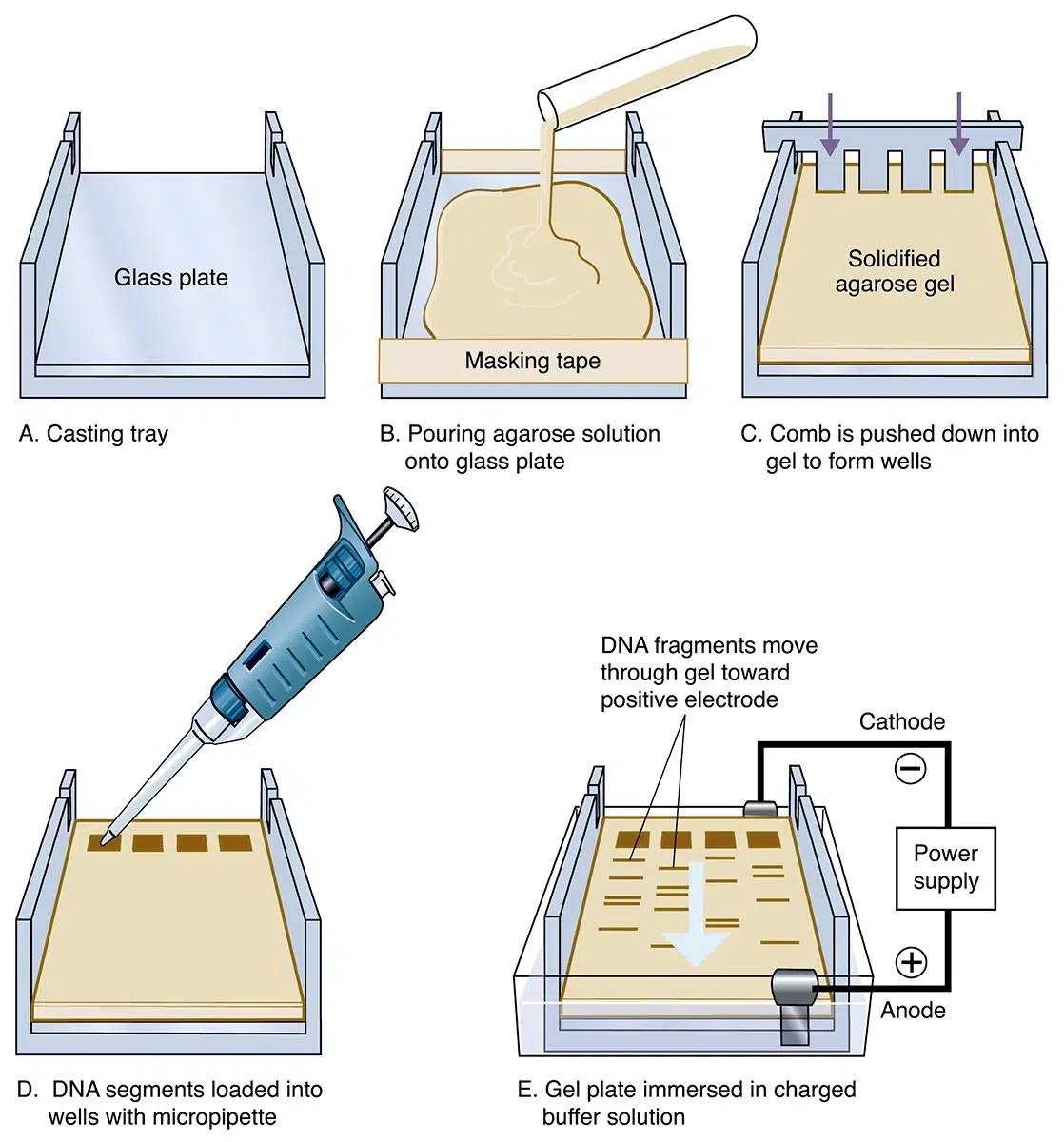
What is gel electrophoresis?
movement of DNA through gel based on size of fragment
readable/distinctive pattern.
What are the three reasons loading dye is used?
make sample visible
Make the DNA sample heavy so the sample can sink to bottom of gel during gel loading procedure
Gives an indication of when to turn off the power to the electrophoresis chamber
The rate of migration of DNA within an agarose gel in the gel electrophoresis technique.is primarily based on what factor?
Size of DNA fragments.
What kind of human DNA sequences are used in crime scene investigations?
Short Tandem Repeats (STRs)
non-coding regions

What are STRs?
Very short DNA sequences that are repeated in direct head-to-tail fashion
Locus
A genetic addresses or location on a chromosome
Allele
Any one of two or more genes that may occur alternatively at a given site(locus)
What is the enzyme used in PCR?
DNA polymerase
What buffer is used for PCR?
master mix
What makes up the PCR cycle?
Denaturation, annealing, and extension
Denaturation
melting double stranded DNA template into single strands
Annealing
complementary DNA strand hybridization via DNA primers
Extension
DNA strand synthesis via DNA polymerase
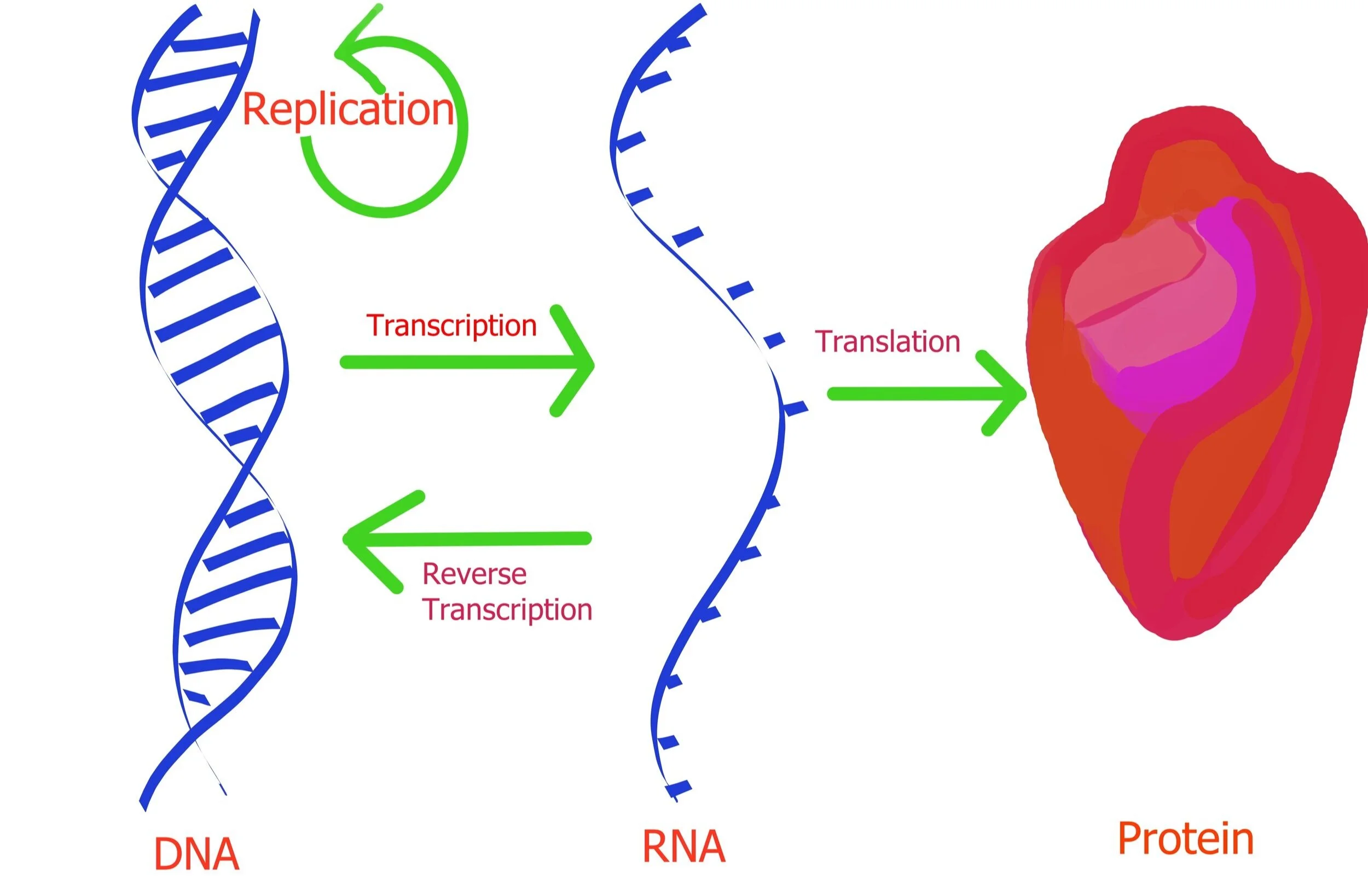
The flow of genetic information from DNA → RNA → Protein → Trait is called the ___________________.
Central Dogma
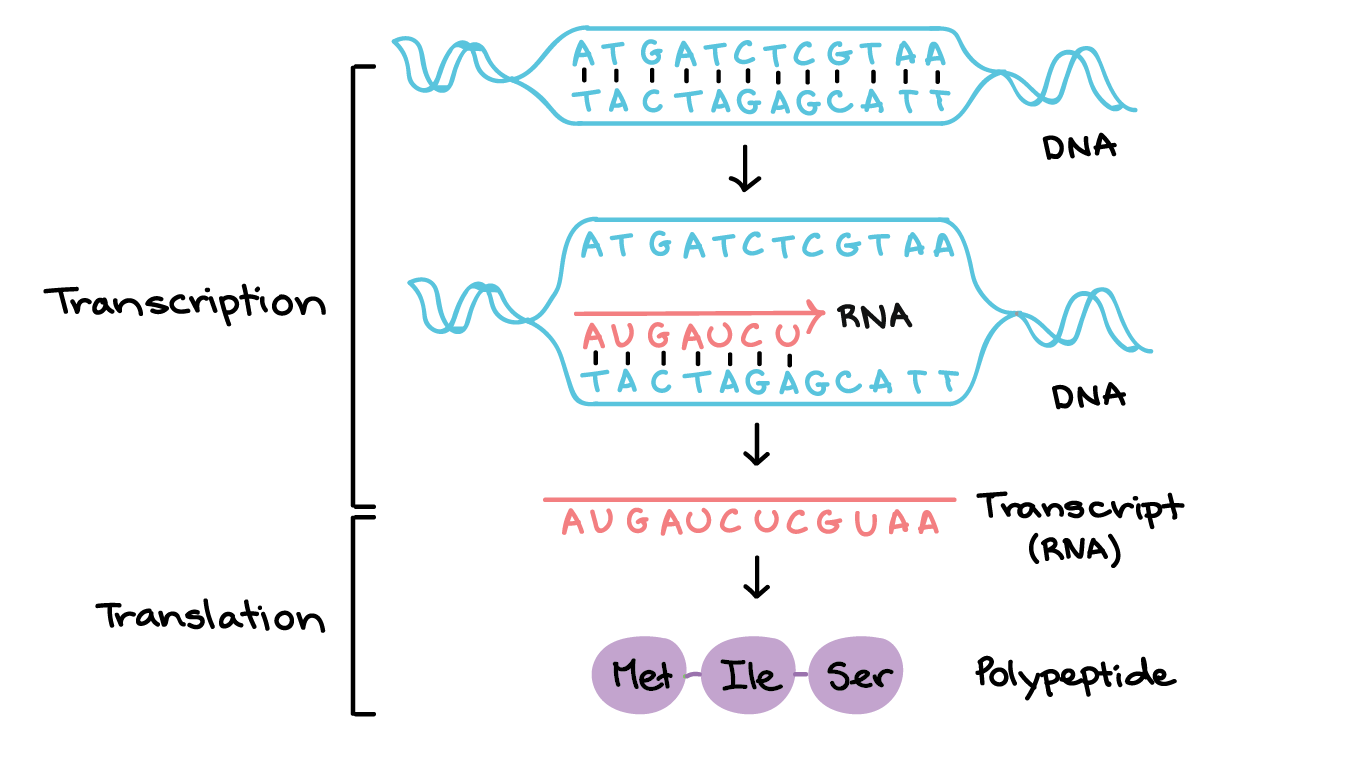
The process of copying DNA into mRNA is called ___________________.
Transcription

The process of translating mRNA into a protein is called ___________________.
Translation

Small circular DNA molecules that can replicate independently of the bacterial chromosome are called ___________________.
Plasmids
The pGLO plasmid contains three important genes: ________________, ________________, and ________________.
Bla, GFP, araC
The GFP gene is expressed only in the presence of the sugar ___________________.
arabinose
The gene that provides resistance to ampicillin is called ___________________.
B-lactamase (bla)
The regulatory gene that controls GFP expression in the presence of arabinose is ___________________.
-araC
The promoter that controls transcription of the GFP gene is called ___________________.
-pBAD
Calcium chloride (CaCl₂) is used in transformation to make bacterial cell membranes temporarily ___________________.
Permeable
The technique of rapidly changing the temperature of bacterial cells to allow DNA uptake is called ____________________.
heat shock
After heat shock, bacteria are returned to ice to help the membrane become ___________________ and allow cells to recover.
Stabilized
Plates containing LB + Amp are an example of ___________________, because they select for transformed bacteria.
selective media
Only bacteria that contain the ____________________ gene will survive on LB + Amp plates.
-bla
Bacteria will fluoresce green under UV light only if they contain the ____________________ gene and arabinose is present.
GFP
___________________ is the sugar that acts as an environmental signal to activate the PBAD promoter and induce GFP expression.
arabinose
The purpose of using ___________________ is to distinguish transformed bacteria from non-transformed bacteria.
LB,amp,ara
The GFP protein was originally isolated from a ____________________
Jellyfish
blood typing is based on what kind of reactions?
agglutination (clumping)
What blood type is the universal Donor?
O-
What blood type is the universal recipient?
AB+
How are STRs commonly used in forensic science?
To identify an individual's unique genetic profile