11 - Influence of Others 1
 Call Kai
 Learn
 Practice Test
 Spaced Repetition
 Match
 Flashcards
 Knowt Play
1/42

There's no tags or description
Looks like no tags are added yet.
43 Terms
people perform better when being _______
observed
Triplett study with children + fishing rod
children asked to wind string on fishing rod as fast as possible
alone vs groups
children in groups wound the fishing rod faster than those alone
co-actor
another individual performing the same task
audience
a group of people watching an individual perform a task
social facilitation
increased performance that occurs in the presence of co-actors or an audience
problem with social facilitation
sometimes having an audience or co-actors hinders performance (or leads to no affect)
what happens when performing simple tasks (in front of an audience/co-actors) in which you are an expert/well practiced?
performance is increased
what happens when performing complex tasks (in front of an audience/co-actors) in which you are NOT an expert/NOT well practiced?
performance is hindered
(updated term for) social facilitation
increased OR decreased performance that occurs in the presence of co-actors or an audience
performance depends on specific task (simple or complex) and how well practiced you are at it
social learning theory
you learn appropriate behaviours by modeling/imitating the behaviours of others
true or false: the behaviours you learn from others require explicit reinforcement to develop
false: they don’t always
bobo doll experiment (Bandura)
children 3-6 would see an adult being aggressive w/ the bobo doll → children would mimic behaviour and also be aggressive w/ the bobo doll
children who saw adult being passive w/ bobo doll → children would mimic behaviour and also be passive and kind
norms
unwritten but commonly accepted rules for how to behave
zafa sharif autokinetic effect experiment
participant in pitch black room looking at a small dot; it appears to move (but actually it doesn’t)
2 other participants join and look at the same dot; you say it moved 5cm, but the other 2 participants say it moved 15 and 20cm
over time, your observations will converge with the other participants, showing conformity

norm formation
a certain behaviour becomes typical amongst a group
ash line judgement study
7 ‘participants’ (6 of them were fake, only 1 of them was an actual participant)
participant was 6th in line
participants given a line on paper and asked to identify which line (A, B or C) matched the length of the line given
when the fake participants all gave the incorrect answer, the participant usually gave the correct answer, but sometimes conformed
__% of participants in ash’s line judgement study conformed at least once
75
for an avg participant, __% of all responses conformed to the incorrect answer in ash’s line judgement study
37
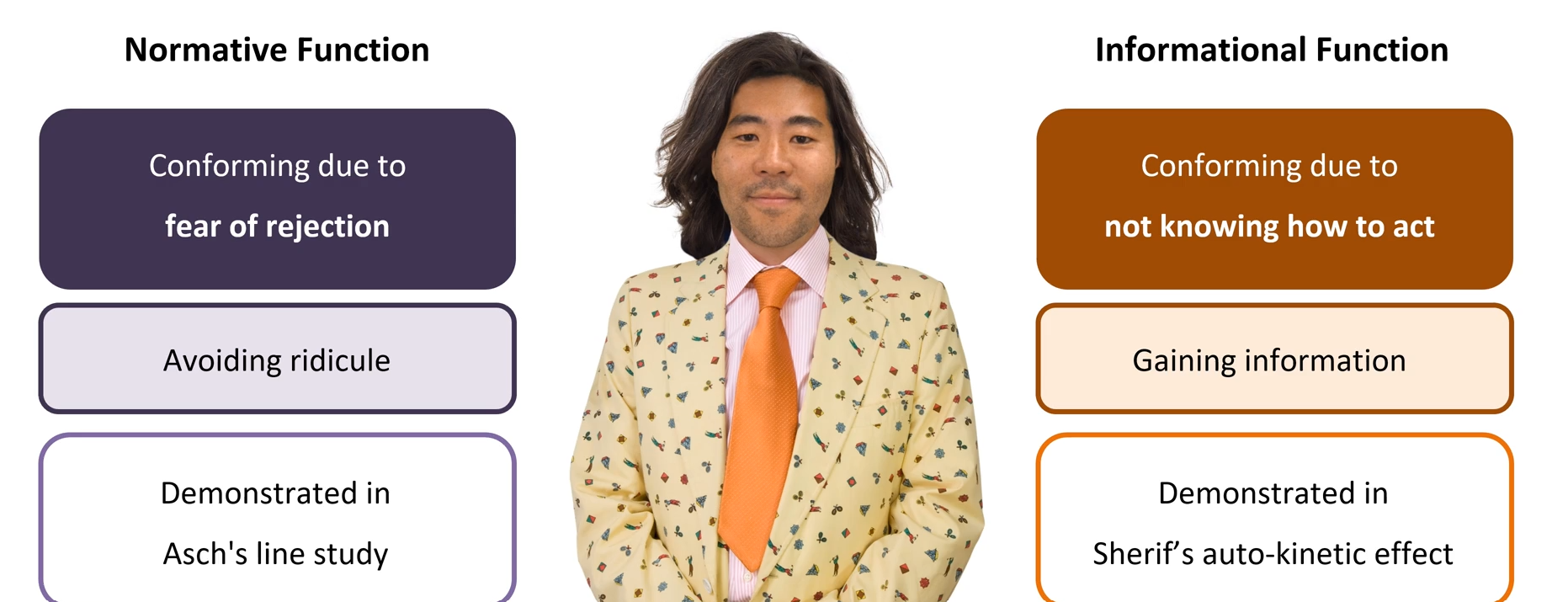
2 functions of a group for decision making
normative function
informational function
normative function
role of others in setting standards for our conduct based on a fear of rejection
e.g. you conform to fashion trends cuz u dont wanna be rejected by others
maintains conformity
informational function
role of others in providing info about an ambiguous situation
e.g. a fire alarm goes off but u dk if its a drill or nah; so u look at how others are behaving to determine the answer
true or false: even w/ anonymity, participants conformed in trials where the correct answer was less clear (pertaining to line judgement experiment). What does this mean?
true; they thought the other participants were right, and doubted their own perceptions

stoner experiment w/ risks and groups
participants read a risk scenario and rated it
participants then joined together in groups and did the same thing
groups were more likely to take risks than individual participants (however, this is not always the case!! individuals may be more likely to take risks than groups as well!!)

group polarization
group decision making strengthens the og inclinations of the individual group members
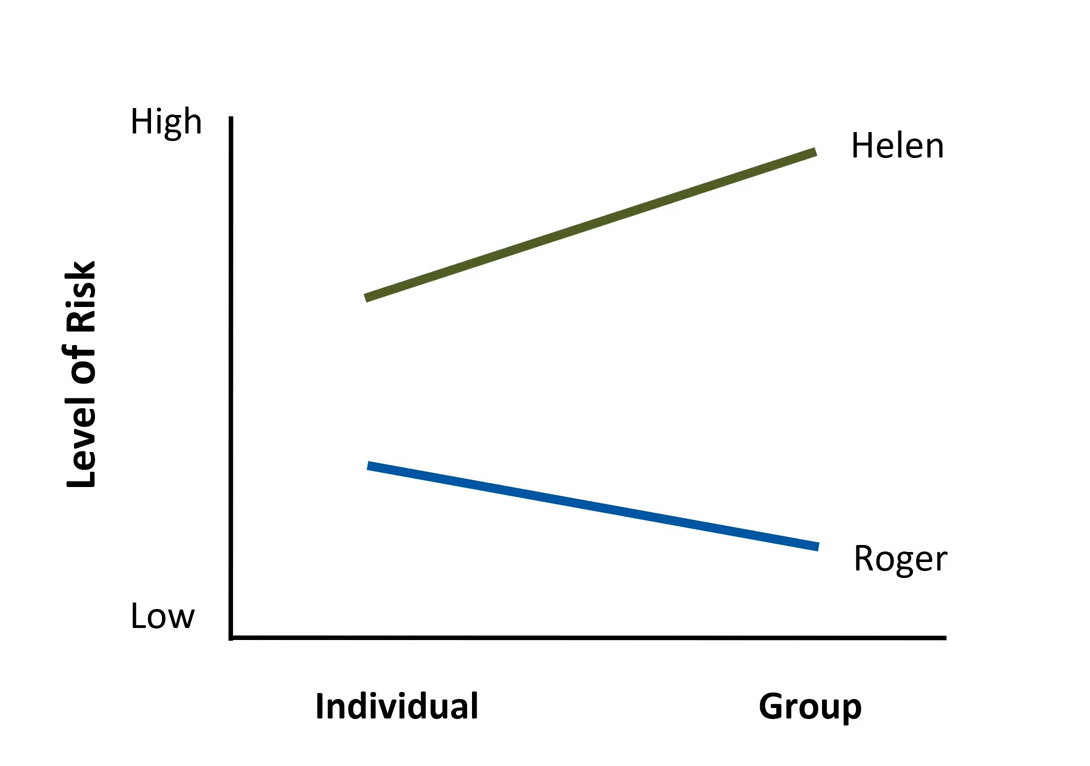
risky vs cautious shift
risky shift: group decisions become riskier
cautious shift: group decisions become more cautious

groupthink
group decision-making environment that occurs when group cohesiveness becomes so strong it overrides realistic appraisals of reality and alternative options
aka a mob mentality
how can you prevent groupthink in a group?
be impartial
encourage critical evaluation
assign a “devil’s advocate,” who’s job is to present counterarguments
subdivide the group
come to separate decisions and then reunite to discuss
provide a second chance before making final decision
kitty genovese case (bystander effect)
genovese murdered outside her apt bldg after being stabbed repeatedly for 30min
38 people witnessed the crime from the apt windows but did little to help (in actuality, some people did try to do something like shouting at the attacker or trying to call the police)
why didn’t bystanders do anything during kitty genoveses murder?
fear of personal injury
bystanders saw that other people were also watching the scene; assumed that the police had already been called by someone else
aka presence of other witnesses led to a lack of responsibility to act
aka pluralistic ignorance + diffusion of responsibility
hurdles that an individual has to cross before deciding to act
is this an emergency?
should i be the one to respond?
experiment backing up “is this an emergency?”
participants alone reported the smoke quickly
the more people in the room with them (who don’t react to the smoke), participants reported the smoke slower or not at all
experiment backing up “should i be the one to respond?”
‘participants’ (only 1 real participant) communicated w/ each other in a group discussion over an intercom
other participants were acc pre-recorded tapes
one fake participant mentions that they occasionally have seizures
over the intercom, the participant would hear sounds of someone having a seizure
the more fake participants the participant believed there were, the less likely they were to take action and help the ‘seizing person’
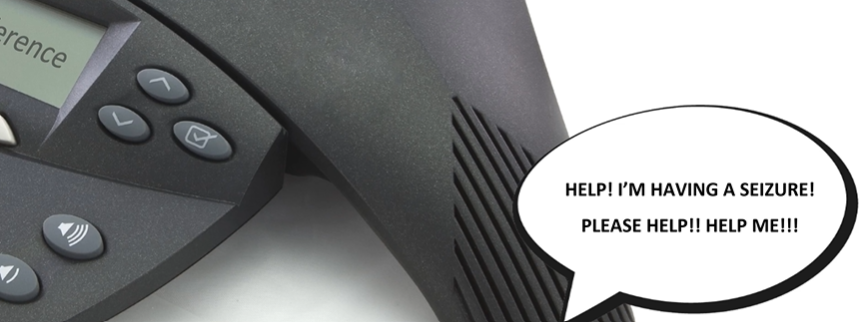
the ____ people present, the less likely a single person is to notice an emergency
more
pluralistic ignorance
when each individual in a group sees nobody responding to a given situation, they conclude that the situation is not an emergency
diffusion of responsibility
in deciding whether we have to act, we determine that someone else in the group is more qualified

chart thing

how do you avoid the bystander effect (if you needed help in an emergency situation)?
be direct (single someone out, give them responsibility to call an ambulance and tell them its an emergency)
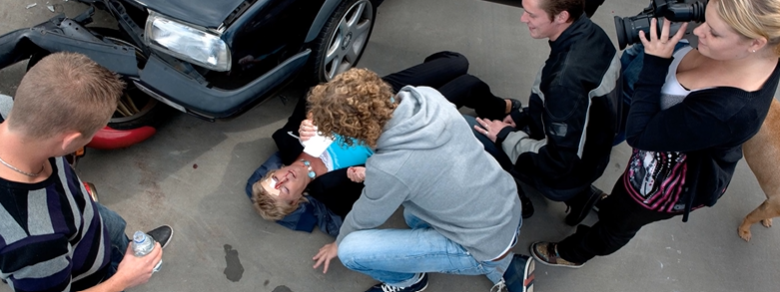
seeing helpful behaviour increases/decreases your probability of helping others in the future
increases


explain this example
individuals who saw people helping others earlier on the road were more likely to help the yellow car
social loafing
individuals are less motivated when working in a group than when working alone
in the tug of war study, participants pulled __% less in a group vs alone
18

explain this thing
participant blinded and put on headphones
participant told they would be surrounded by people clapping and shouting as loud as they could w/ the participant (not real obviously)
researchers simulated diff sizes of groups
participants made less noise when they thought the group was larger (example of social loafing)