Lymphatic system
 Call Kai
 Learn
 Practice Test
 Spaced Repetition
 Match
 Flashcards
 Knowt Play
1/160

There's no tags or description
Looks like no tags are added yet.
161 Terms
What is the main function of the lymphatic system?
Collects excess interstitial (tissue) fluid and returns it to the blood.

What else does the lymphatic system help do?
Distribute hormones and nutrients, pick up some wastes, and defend the body against pathogens.
What are the main components of the lymphatic system?
Lymph, lymphatic vessels, lymphocytes, and lymphoid tissues/organs.
What is interstitial fluid?
Clear fluid located between body cells.

How does interstitial fluid form?
When fluid leaks out of blood capillaries.
What happens to excess interstitial fluid that does not return to blood capillaries?
It is collected by lymphatic capillaries.
What is lymph?
Interstitial fluid after it enters a lymphatic capillary.

What are lymphatic capillaries?
Very small, thin-walled, closed-ended (dead-end) vessels.

What happens when lymphatic capillaries' endothelial cells overlap?
They form tiny flaplike openings called microvalves.
What is the function of microvalves?
Allow interstitial fluid to enter lymphatic capillaries.
What do lymphatic capillaries do with collected fluid?
Begin returning it toward the blood circulation.
What is edema?
Swelling caused by excess fluid accumulating in tissues.

What is lymphedema?
Swelling associated with a blockage or problem in lymphatic capillaries/vessels, causing lymphatic fluid to back up.

What do lymphatic capillaries join together to form?
Larger lymphatic vessels.
Where do lymphatic vessels carry lymph?
Through lymph nodes, where it is filtered, and onward toward the venous circulation.
What are the two major lymphatic ducts?
Right lymphatic duct and thoracic duct.
What does the right lymphatic duct drain?
Right arm; right side of the chest/torso (front and back); right side of the head and neck.
Where does the right lymphatic duct empty?
Right subclavian vein.

What does the thoracic duct drain?
Both legs; genital area; left arm; left side of the torso (front and back); left side of the head and neck.
Which lymphatic duct drains most of the body?
Thoracic duct.

Where does the thoracic duct empty?
Left subclavian vein.
What are lymphocytes?
White blood cells that protect the body against pathogens.

What are the two main types of lymphocytes?
T lymphocytes (T cells) and B lymphocytes (B cells).
What do T helper cells do?
Help activate B cells and other T cells.
Which T cells destroy infected body cells and cancer cells?
Cytotoxic T cells.
What do suppressor T cells do?
Regulate the activity of cytotoxic T cells and helper T cells.
What can B lymphocytes develop into?
Plasma cells, which produce antibodies.
What do natural killer cells destroy?
Infected body cells and cancer cells.
Do natural killer cells attack bacteria directly?
No.
What is the overall job of lymphoid tissues and organs?
Filter lymph or blood and help trap and destroy microorganisms, debris, and other unwanted material.
What are lymph nodes?
Small, usually kidney-shaped structures, about one inch long according to the professor.
How are lymph nodes commonly arranged?
In clusters.
What are the three common groups of lymph nodes?
Cervical, axillary, and inguinal.
Where are cervical lymph nodes located?
Neck.
Where are axillary lymph nodes located?
Armpit.
Where are inguinal lymph nodes located?
Upper-thigh/groin.
What do lymph nodes filter?
Lymph.
How do T and B lymphocytes in lymph nodes help protect the body?
They help destroy microorganisms trapped in the nodes.
What are tonsils?
Lymphoid tissue near entryways that helps catch microorganisms entering through the nose, mouth, and throat.
Where is the pharyngeal tonsil located?
Behind the nose; helps filter incoming air.

Where are the palatine tonsils located?
Two tonsils at the sides of the back of the mouth/throat.

What do palatine tonsils encounter?
Microorganisms entering with food and drinks.
Where are the lingual tonsils located?
At the base of the tongue.

What does MALT stand for?
Mucosa-Associated Lymphoid Tissue.
What is MALT?
Small clusters of lymphoid tissue in mucous membranes lining body tracts that open to the outside.
Which body systems contain MALT?
Digestive, respiratory, urinary, and reproductive systems.
What do the lymphocytes in MALT do?
Trap microorganisms entering through these pathways.
What are Peyer's patches?
An example of MALT in the wall of the small intestine.

What can Peyer's patches trap?
Bacteria in food.
Where is the thymus located?
In front of the heart, between the lungs.

How does the thymus change with age?
It is larger and more active during childhood, then becomes smaller and less active with age but remains active.
What hormone does the thymus produce?
Thymosin.
What does thymosin promote?
Maturation of T lymphocytes.
What is the largest lymphoid organ/tissue described in the lecture?
Spleen.
Where is the spleen located?
Upper-left quadrant.
What does the spleen filter?
Blood, including removing microorganisms and toxins.

What does the spleen remove from the blood?
Old red blood cells.
What usual lifespan for red blood cells does the study guide give?
About 120 days.
What happens to iron from old red blood cells?
It is recycled and stored.
Can a person live without a spleen?
Yes.
What is surgical removal of the spleen called?
Splenectomy.
What is immunity?
The ability to resist pathogens or microorganisms that can cause disease.

What is an antigen?
A non-self substance recognized by the immune system.

What are examples of antigens from the study guide?
Toxins, bacteria, viruses, transplanted organs, and incompatible blood.
What is innate immunity?
Nonspecific immunity that is present from birth.

What is adaptive immunity?
Specific immunity that develops after exposure to a particular antigen/microorganism.

What type of protection does innate immunity provide?
General protection against many kinds of invaders.
What does adaptive immunity target?
A specific microorganism or antigen.
Which lines of defense are part of innate immunity?
First and second lines of defense.
Which line of defense is part of adaptive immunity?
Third line of defense.
What does adaptive immunity involve?
Specific lymphocytes and antibodies.
What is the first line of defense?
Physical barriers.
How does healthy, intact skin protect the body?
Prevents microorganisms from entering deeper tissues.

How does sweat help protect the body?
It is acidic and can kill bacteria.

What is sebum?
Oily skin secretion associated with lysozyme and antimicrobial action.
What do mucous membranes line?
Pathways such as the respiratory, digestive, and urogenital tracts.

How does mucus protect the body?
It traps microorganisms.
What does stomach hydrochloric acid do?
Its high acidity can kill microorganisms.
What enzyme in saliva can kill microorganisms?
Lysozyme.
What are phagocytes?
Cells that engulf and digest microorganisms, cell debris, and other material.
Which cells are listed as phagocytes?
Macrophages, neutrophils, eosinophils, and monocytes.
What is phagocytosis?
The process of engulfing material.

What happens during phagocytosis?
The cell surrounds the target, takes it into a vesicle, and enzymes from lysosomes help digest it.
What is inflammation?
A localized response to tissue injury, infection, or trauma.
What are the four signs of inflammation?
Redness, heat/warmth, swelling, and pain.

Which inflammatory chemicals are named in the study guide?
Histamine and bradykinin.
What causes inflammatory chemicals to be released?
Damaged cells.
What do histamine and bradykinin cause during inflammation?
Vasodilation, bringing more blood to the area and contributing to redness and warmth (widening of blood vessels).
Why does swelling occur during inflammation?
Blood vessels become more permeable and leak fluid called exudate.
How can swelling contribute to pain?
It can put pressure on nerves.

Why does pain help during inflammation?
It draws attention to the injured area.

What else does inflammation attract to the area?
White blood cells, including phagocytes, to help clear microorganisms and debris.
What are interferons?
Chemicals released by virus-infected body cells.
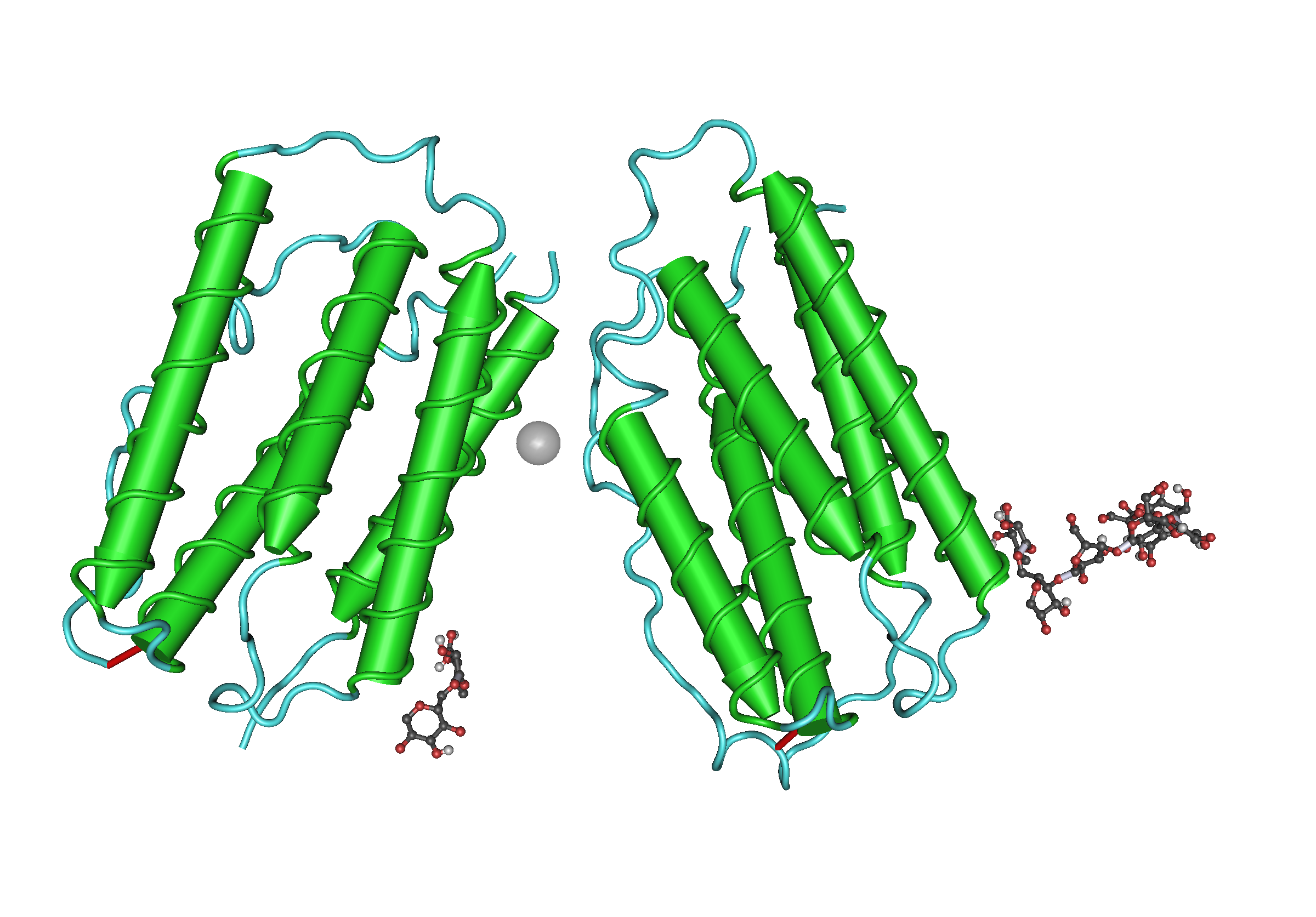
What do interferons do?
Warn nearby cells and interfere with viral multiplication, helping limit the spread of viruses.
Which conditions are alpha interferons mentioned in connection with?
Genital warts, herpes, and hepatitis B and C.
Which condition are beta interferons mentioned in connection with?
Multiple sclerosis (MS).
What is fever?
An elevation of body temperature that is part of the nonspecific response.

What can fever do according to the study guide?
Increase metabolism, speed repair/healing, and suppress bacterial multiplication.
What are pyrogens?
Chemicals that cause fever.
What do white blood cells release that can cause fever?
Pyrogens.