Cell and Molecular Bio Ch. 14 Part II
 Call Kai
 Learn
 Practice Test
 Spaced Repetition
 Match
 Flashcards
 Knowt Play
1/24

There's no tags or description
Looks like no tags are added yet.
25 Terms
What happens during prophase of mitosis
chromosomal materials condense to form mitotic chromosomes
cytoskeleton disassembles and mitotic spindle assembles
nuclear envelope disperses

what happens during PROmetaphase of mitosis
kinetochores of chromosomes attach to mitotic spindle
chromosomes are moved to the spindle equator

what happens during metaphase of mitosis
chromosomes are aligned along metaphase plate

what happens during anaphase of mitosis
chromatids split and chromosomes move to opposite spindle poles
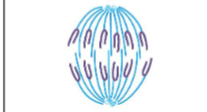
what happens during telophase of mitosis
chromosomes cluster at opposite spindle poles
nuclear envelope forms around clusters
daughter cells formed by cytokinesis
(ER and Golgi reform)
Cytokinesis in animal cells
starts with the (blank) of the cell surface
what is the contractile ring theory
the site of (blank) assembly aka the plane of cytokinesis, is determined by a (blank) coming from the spindle poles
indentation
a thin band of actin and myosin filaments cleave the cell
filament, signal
abscission
final step of cytokinesis
hayflick limit
also called the replicative senescence
the upper limit of times a cell will divide
telomeres
protective, repeated DNA sequences found on the ends of chromosomes
what happens when telomeres become short
when telomeres become critically short, the cell enters a state of senescence (growth arrest)
if cells bypass senescence, this leads to genomic instability
how do cancer cells benefit from telomerase
some cells express and enzyme called telomerase, which allows them to maintain telomere length and bypass the hayflick limit, leading to uncontrolled growth
During mitosis, the chromatids of each chromosomes are split apart and separate into two (blank) nuclei in a (blank) division
During meiosis, chromosomes number is (blank) and (blank) daughter haploid cells are formed
Meiosis consists of (blank) divisions
daughter, single
halves, four
two
What happens in meiosis I
homologous chromosomes pair and the separate, ensuring each daughter cell receives a full haploid set of chromosomes
what happens during meiosis II
chromatids are separated
Meiosis I and II basic steps
Meiosis I
Prophase I: homologous chromosomes condense and cross over
Metaphase I: homologues align
Anaphase I: homologues separate
Telophase I: homologues separated into 2 cells
Meiosis II
Prophase II: no DNA replication between two divisions
Metaphase II: chromosomes align at middle of cell
Anaphase II: chromatids separate
Telophase II: formation of four haploid daughter cells
in male vertebrates, meiosis occurs just prior to the differentiation of (blank)
(blank) that are committed to undergo meiosis become primary (blank)
then, two divisions of meiosis produces four relatively undifferentiated (blank)
each spermatid undergoes a complex differentiation to become a highly specialized (blank)
spermatozoa
spermatogonia, spermatocytes
spermatids
spermatozoon
in female vertebrates, (blank) become primary (blank), which then enter a greatly extended meiotic prophase
T/F : vertebrate eggs are typically fertilized at a stage before the completion of meiosis (usually after metaphase II)
meiosis is completed after (blank), while the sperm resides in the egg (blank)
oogonia, oocytes
true
cytoplasm
trisomy
monosomy
triploid
third copy of a chromosome (2n +1)
incomplete set of chromosomes (2n-1)
three sets of chromosomes (3n)
aneuploidy
chromosomes number differs from the normal count by just a few chromosomes (monosomy, trisomy)
polyploidy
cells contain extra COMPLETE sets of chromosomes (triploid)
what is special about plants and chromosomes
plants can tolerate extra sets of chromosomes, and many healthy plant species possess more than 8 sets
nondisjunction
examples of chromosomes breakage
chromosomes don’t separate properly during meiosis
deletion
duplication
inversion
translocation
Trisomy 21
3 copies of chromosome 21
chromosome 21 is the smallest human chromosome
T/F: frequency of down syndrome correlate with age of the mother
true
Klinefelter’s syndrome
XXY male
have male sex organs but are sterile
breast development and lack facial hair
normal intelligence
tall