Nervous System - Special Senses & Endocrine System
 Call Kai
 Learn
Learn Practice Test
 Spaced Repetition
 Match
Match Flashcards
 Knowt Play
1/62

Earn XP
Description and Tags
Fill in the blank flashcards covering key terminology from the Nervous System, Special Senses, and Endocrine System lab.
Name | Mastery | Learn | Test | Matching | Spaced | Call with Kai | Chat |
|---|
No analytics yet
Send a link to your students to track their progress
63 Terms

The __ is a part of the endocrine system that regulates various functions and hormones.
pituitary gland.
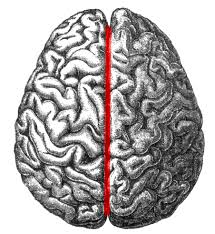
The area that separates the two hemispheres of the brain is called the __.
longitudinal fissure.
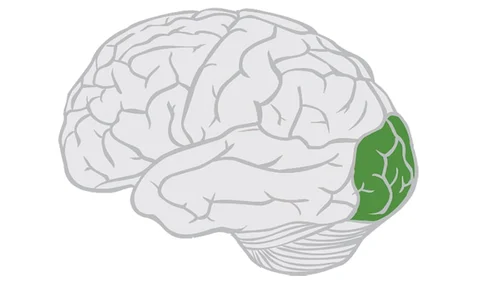
The major sensory area for vision is located in the __ of the brain.
occipital lobe
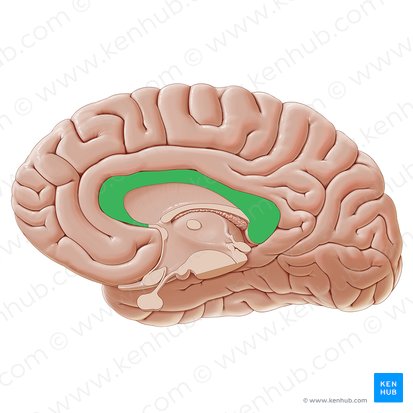
The __ connects the left and right hemispheres of the brain.
corpus callosum.
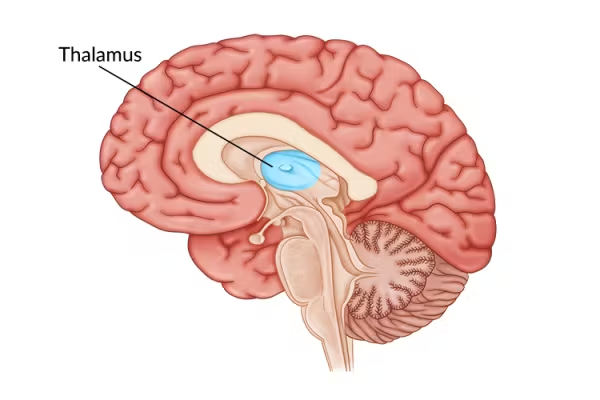
The __ receives sensory input from the retina.
thalamus.
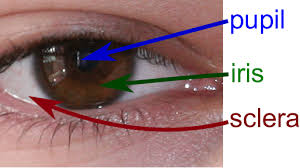
The __ is the structure that protects the eye and maintains its shape.
sclera.
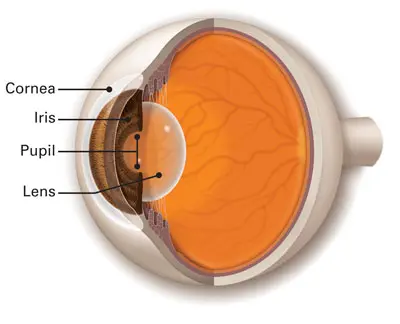
The __ is the transparent front part of the eye that covers the iris and pupil.
cornea.
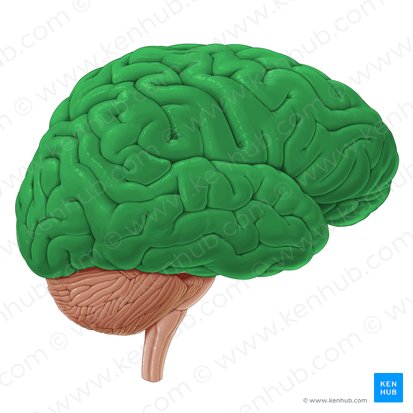
The __ is the central part of the brain responsible for higher-level thinking and processing.
cerebrum.
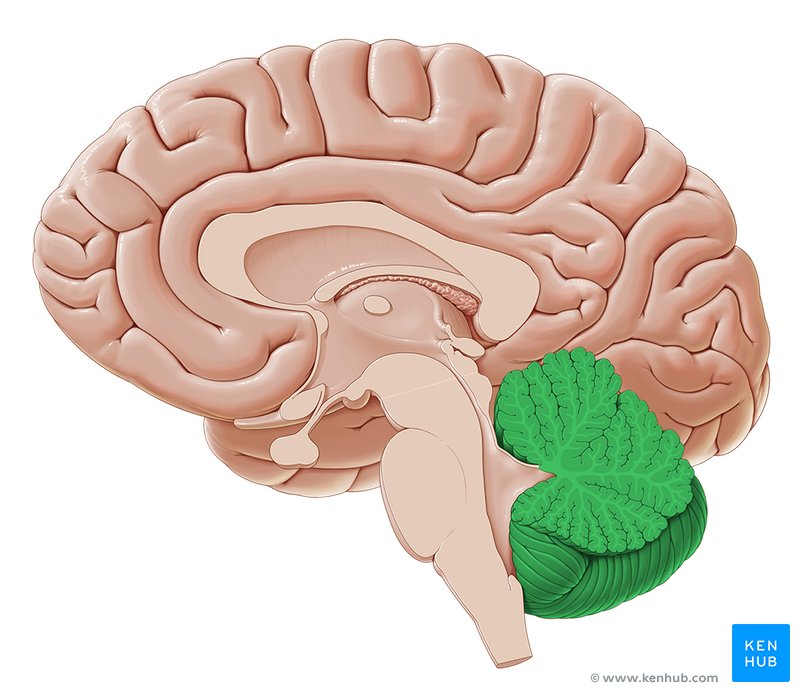
The __ is responsible for balance and coordination, located at the back of the brain.
cerebellum.
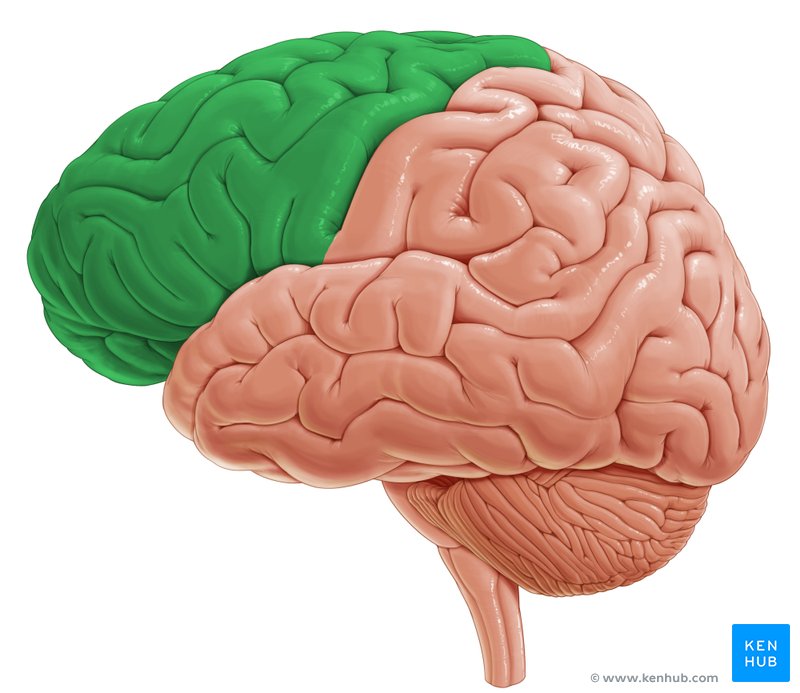
The __ is the part of the brain responsible for decision-making, problem-solving, and controlling behavior.
frontal lobe.
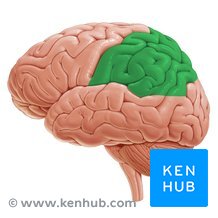
The __ is a part of the brain that processes sensory information such as touch, temperature, and pain.
parietal lobe.
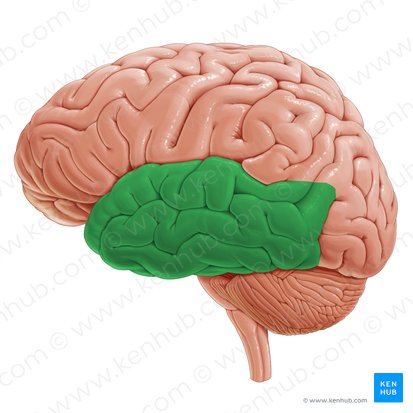
The __ is involved in processing auditory information and is also associated with memory and emotion.
temporal lobe.
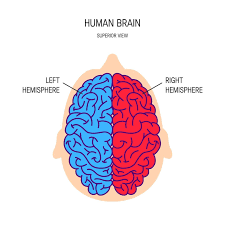
The __ is the hemisphere of the brain that is typically associated with creativity, spatial ability, and artistic skills.
right hemisphere.
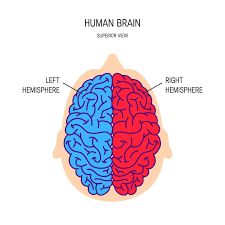
The __ is the hemisphere of the brain that is typically associated with logical reasoning, analytical thinking, and language skills.
left hemisphere.
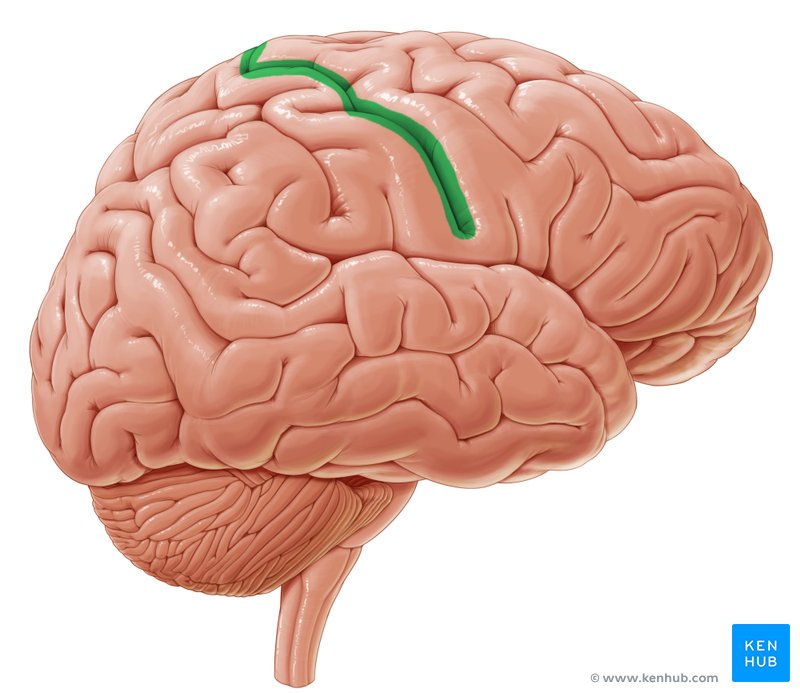
The __ is the fissure that separates the frontal lobe from the parietal lobe in the brain.
central sulcus.
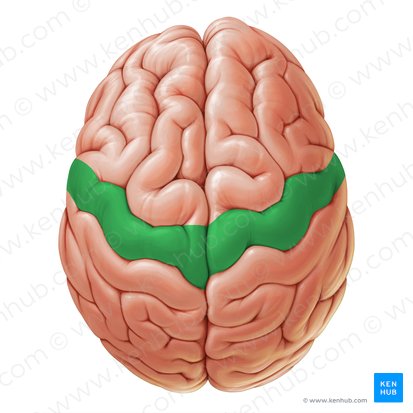
The __ is the region of the brain that contains the primary motor cortex, responsible for voluntary movement.
precentral gyrus.
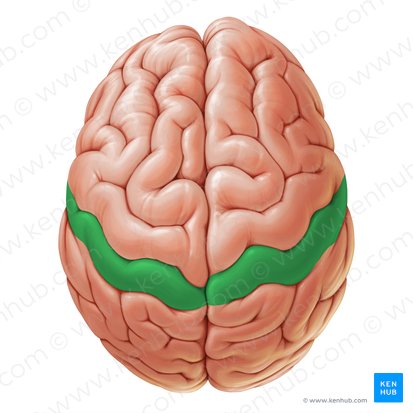
The __ is the region of the brain that contains the primary somatosensory cortex, responsible for processing sensory information from the body.
postcentral gyrus.
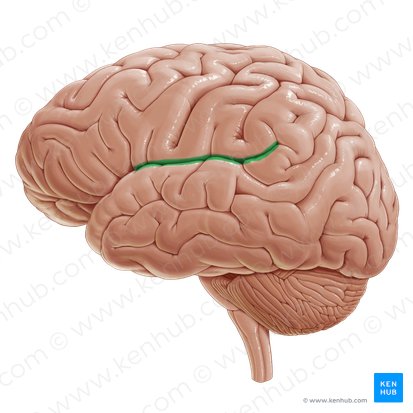
The __ is the fissure that separates the frontal and parietal lobes from the temporal lobe in the brain.
lateral sulcus.
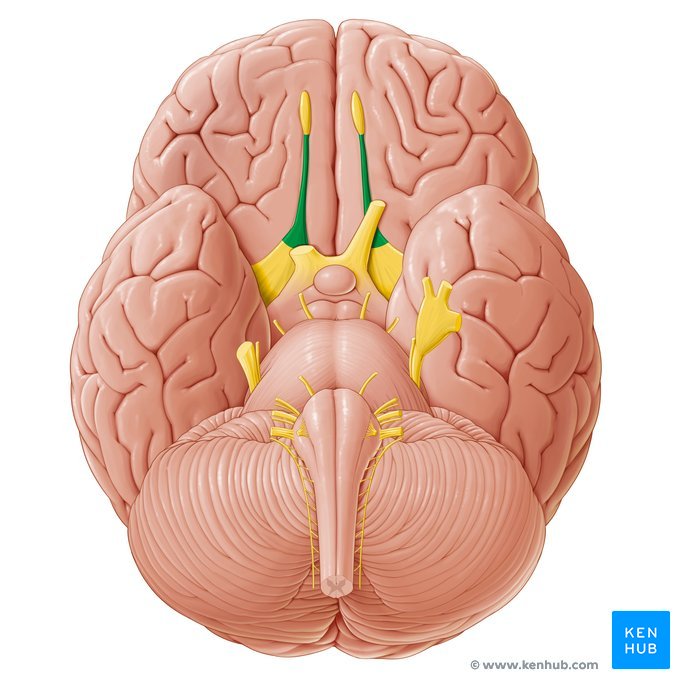
The __ are bundles of axons that carry the sense of smell from the olfactory bulbs to the brain.
olfactory tracts.
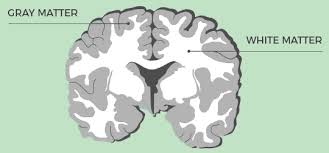
The __ is a type of nervous tissue composed mainly of myelinated axons, which is responsible for communication between different brain regions.
white matter.
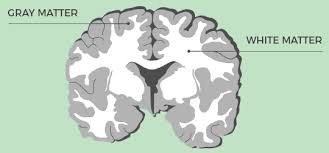
The __ is a type of nervous tissue primarily composed of neuronal cell bodies and dendrites, responsible for processing and integrating information in the brain and spinal cord.
grey matter.
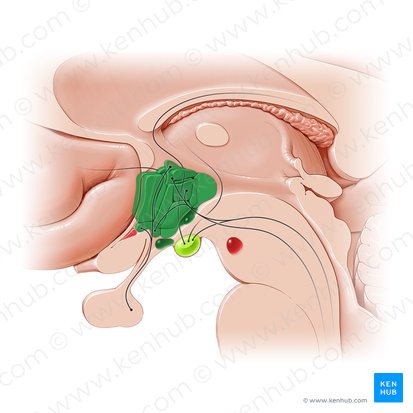
The __ is a part of the brain that regulates body temperature, thirst, hunger, and other homeostatic systems.
hypothalamus.
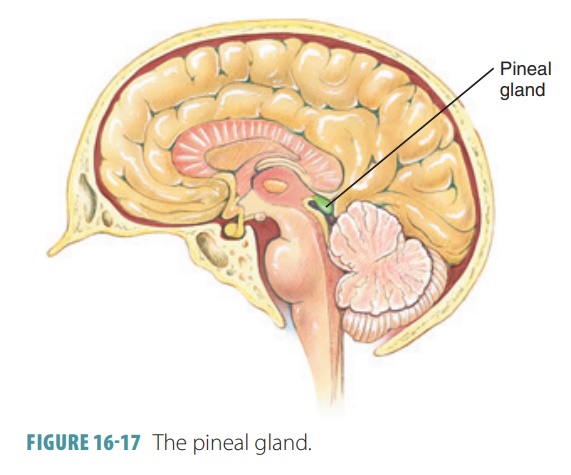
The __ is a small endocrine gland in the brain that produces melatonin, which regulates sleep-wake cycles.
pineal gland.
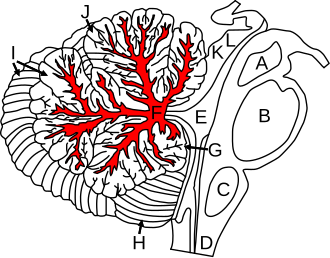
The __ is the tree-like structure of white matter found within the cerebellum, involved in cerebellar function.
arbor vitae.
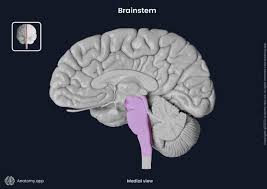
The __ is the part of the brain that connects the cerebrum to the spinal cord and controls vital functions such as breathing and heart rate.
brain stem.
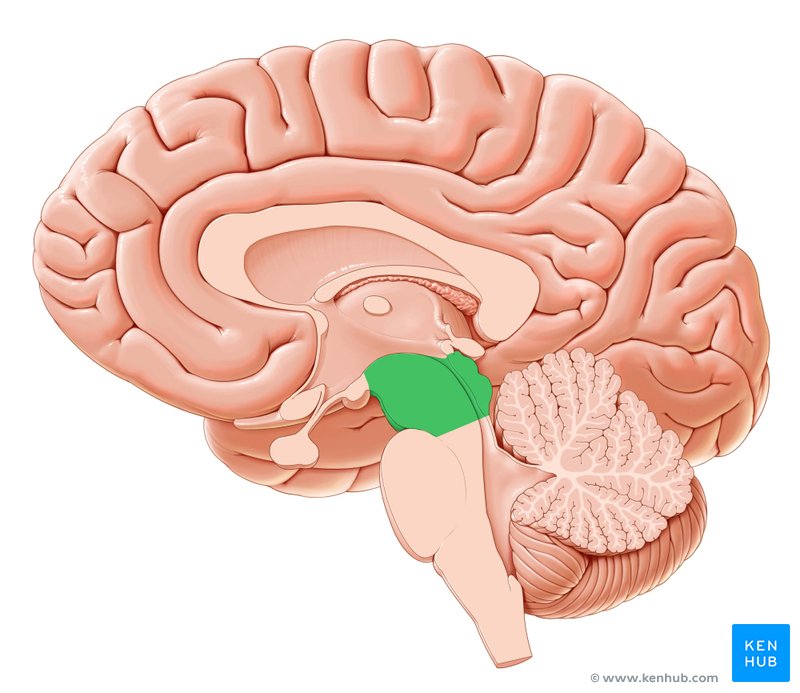
The __ is a portion of the brainstem that plays an important role in vision, hearing, and motor control.
midbrain (mesencephalon).
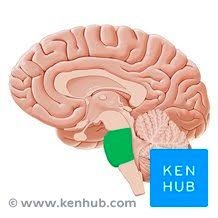
The __ is a structure in the brainstem that serves as a bridge between different parts of the nervous system and is involved in regulating breathing.
pons.
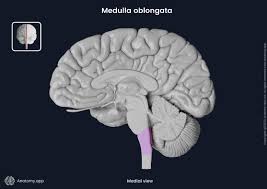
The __ is the part of the brainstem that regulates vital functions such as heart rate, blood pressure, and breathing.
medulla (medulla oblongata).
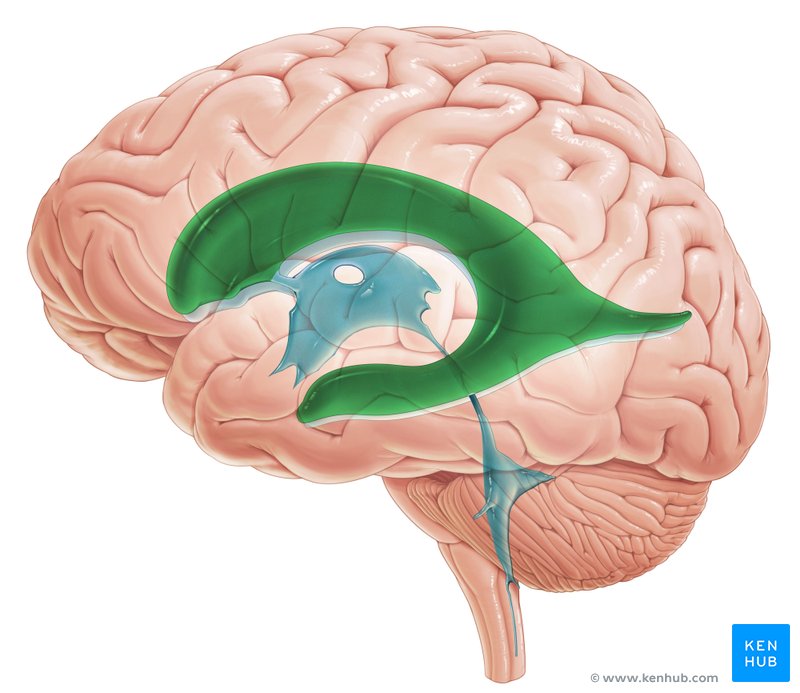
The __ is one of the two cavities in the brain that contain cerebrospinal fluid and are located within the cerebral hemispheres.
lateral ventricle.
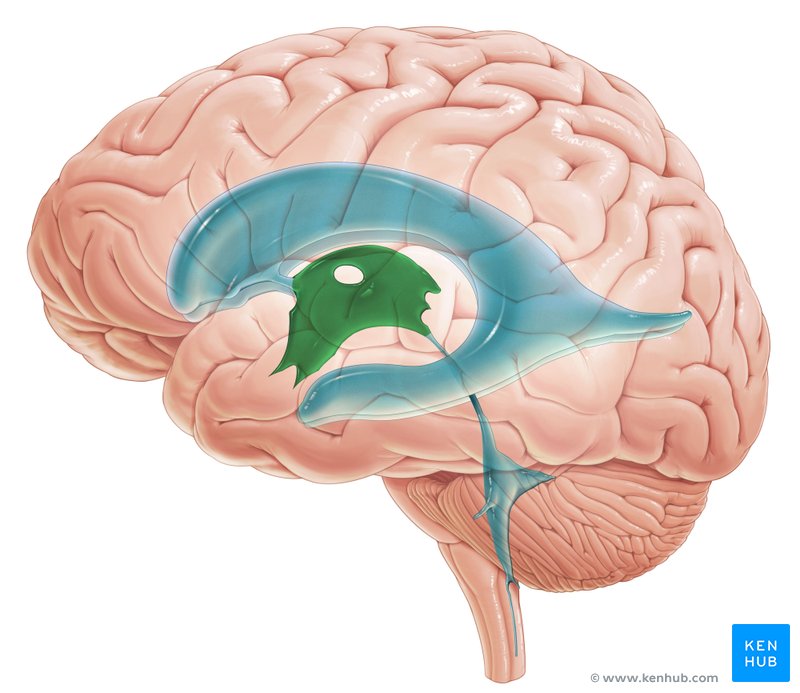
The __ is an important structure in the brain that plays a role in the production and circulation of cerebrospinal fluid (CSF).
third ventricle.
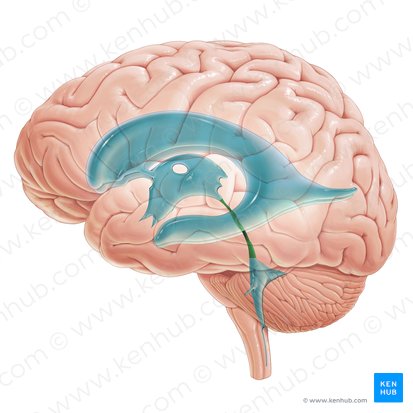
The __ is a narrow channel that connects the third ventricle to the fourth ventricle in the brain, allowing the flow of cerebrospinal fluid.
cerebral aqueduct.
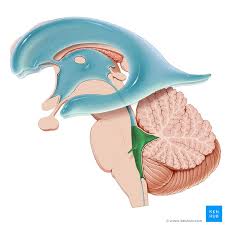
The __ is one of the cavities in the brain that contains cerebrospinal fluid and is located between the brainstem and the cerebellum.
fourth ventricle.
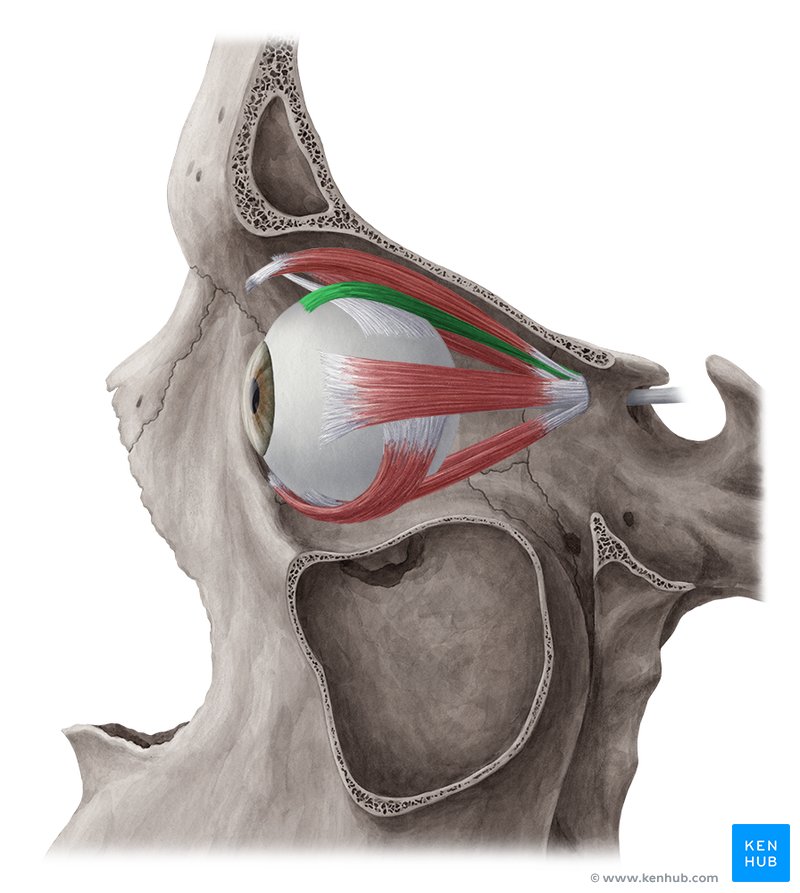
The __ is one of the extraocular muscles responsible for moving the eye upward and slightly medially.
superior rectus.
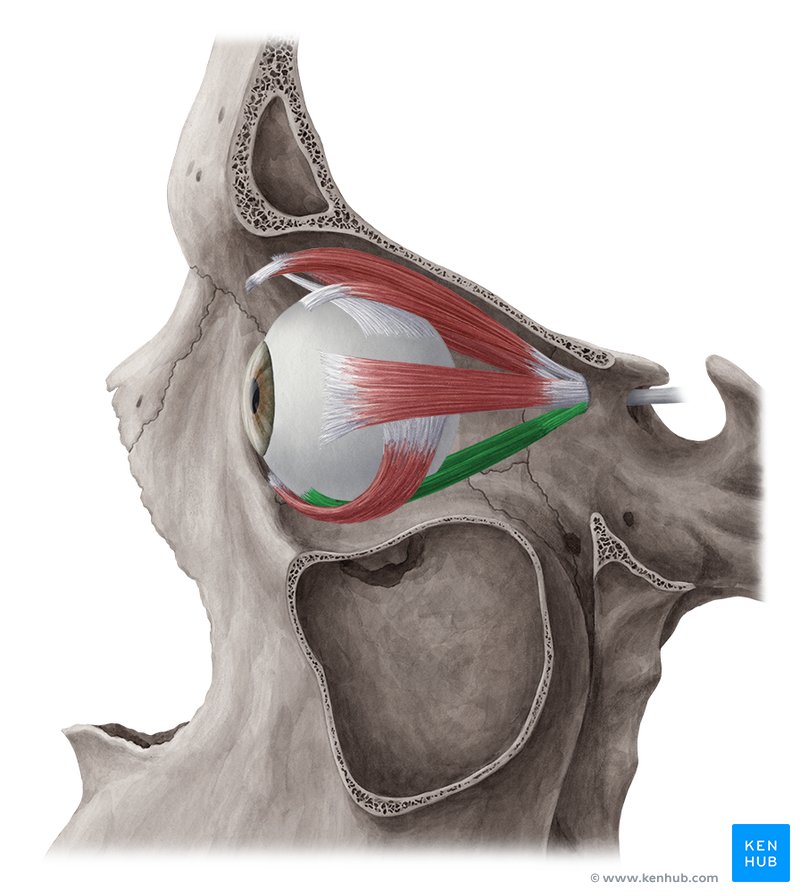
The __ is one of the extraocular muscles responsible for moving the eye downward and slightly medially.
inferior rectus.
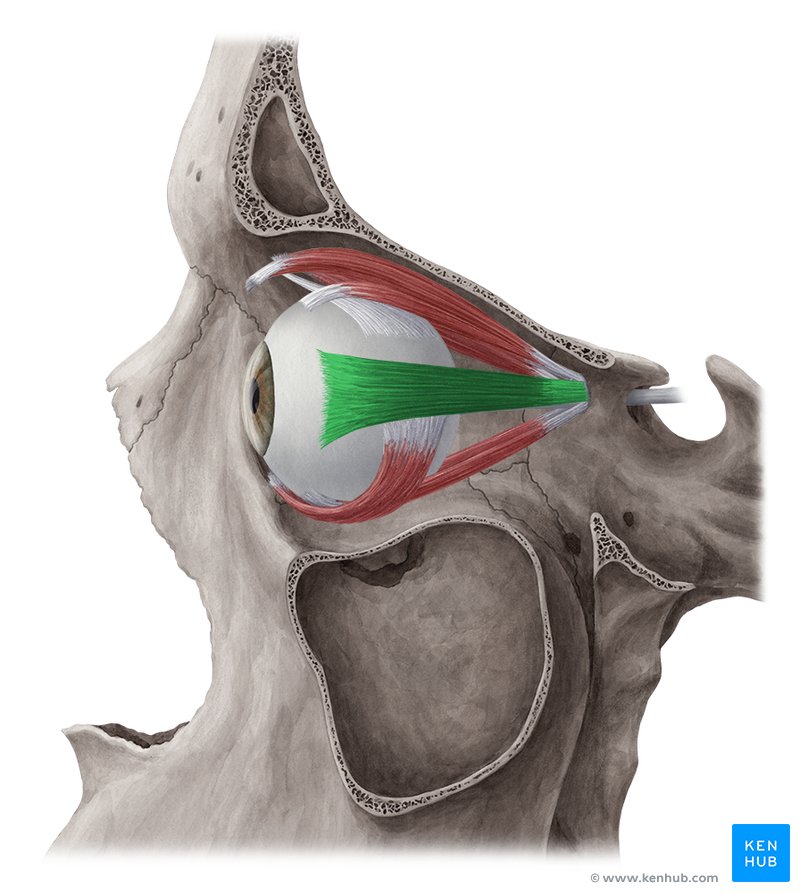
The __ is one of the extraocular muscles responsible for moving the eye laterally (to the side).
lateral rectus.
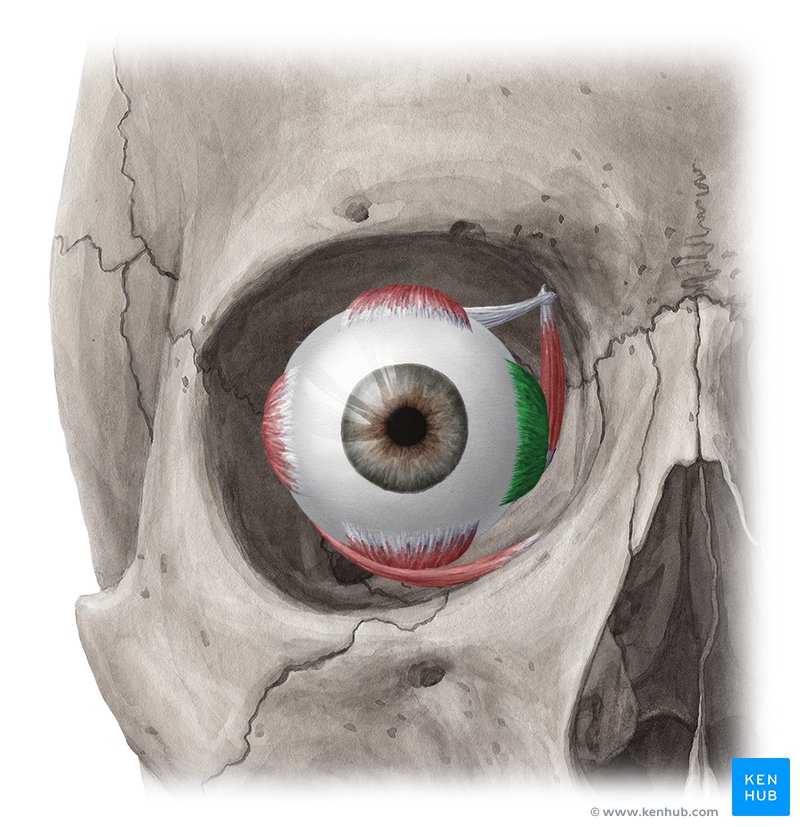
The __ is one of the extraocular muscles responsible for moving the eye medially (toward the nose).
medial rectus.
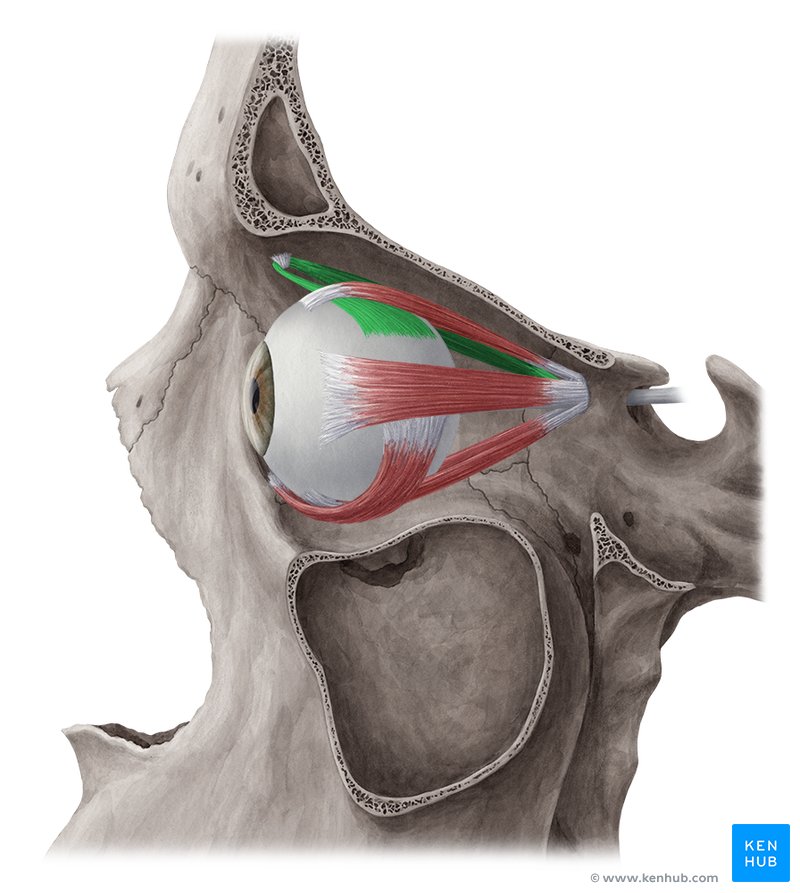
The __ is one of the extraocular muscles responsible for moving the eye downward and laterally, as well as assisting in the rotation of the eye.
superior oblique.
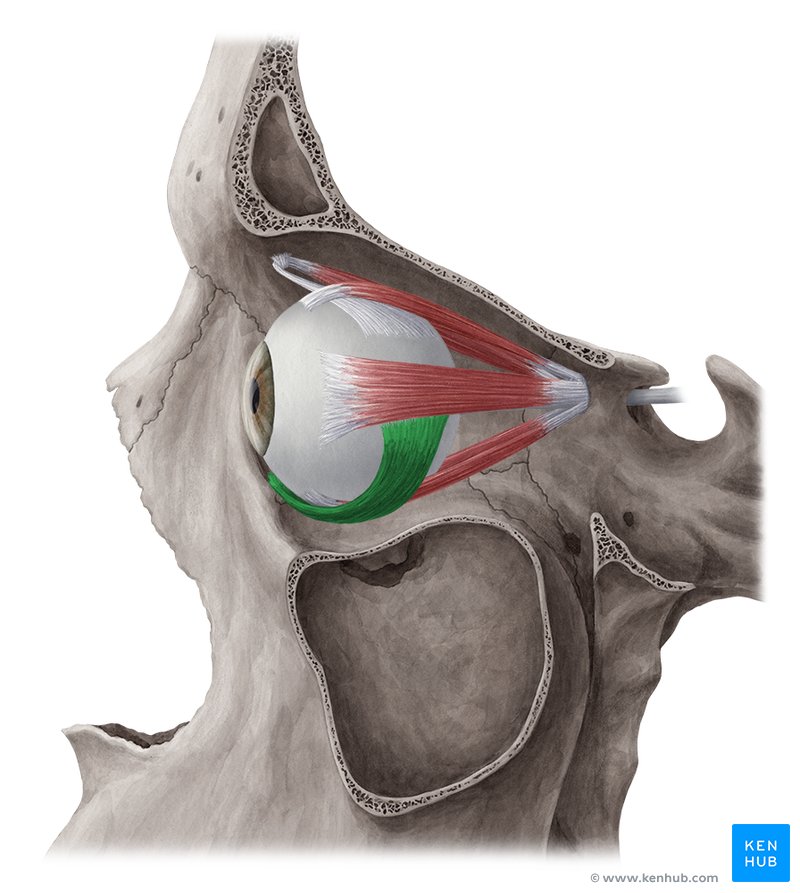
The __ is one of the extraocular muscles responsible for moving the eye upward and laterally, as well as assisting in the rotation of the eye.
inferior oblique.
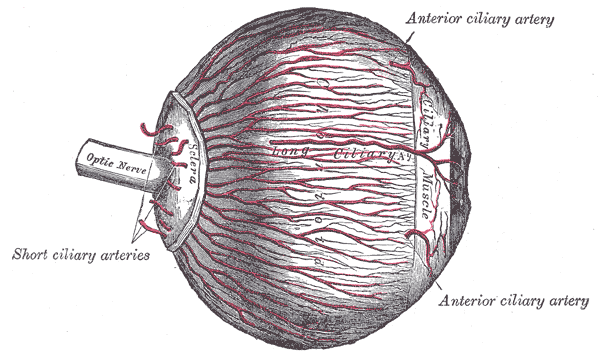
The __ is the layer of blood vessels and connective tissue located between the sclera and the retina that provides nourishment to the outer layers of the retina.
choroid.
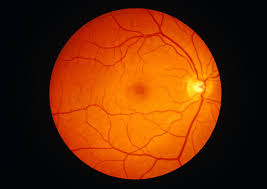
The __ is the light-sensitive layer of tissue at the back of the eye that converts light into neural signals for vision.
retina.
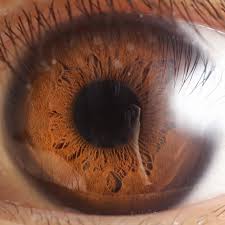
The __ is the colored part of the eye that regulates the size of the pupil and controls the amount of light entering the eye.
iris.
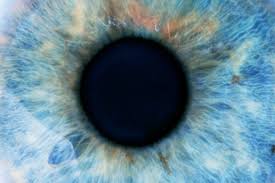
The __ is the opening in the center of the iris that regulates the amount of light that enters the eye.
pupil.
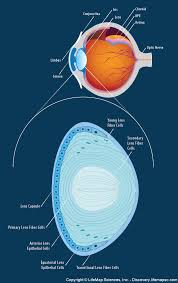
The __ is the clear structure in the eye that focuses light onto the retina for clear vision.
lens.
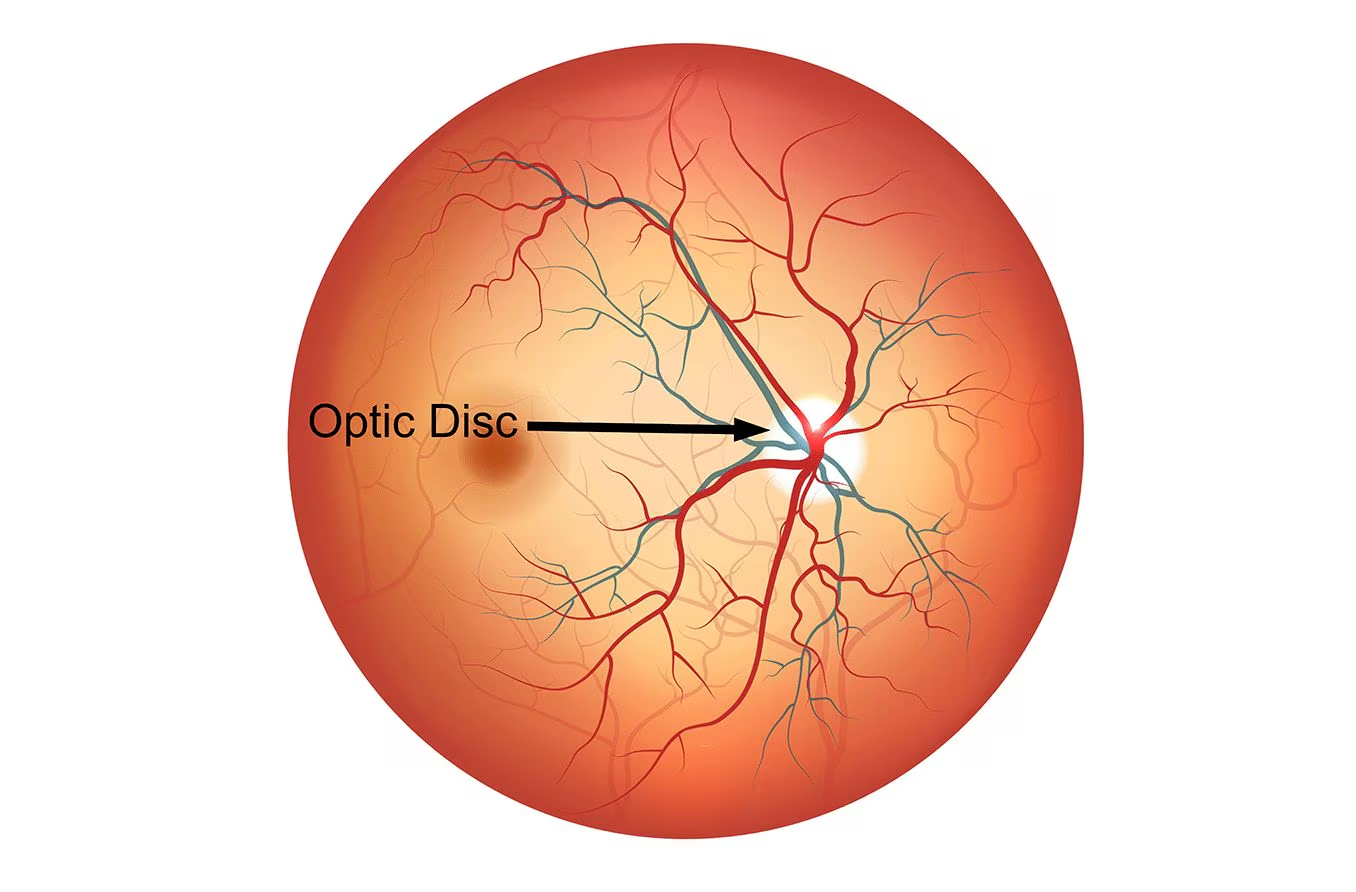
The __ is the point on the retina where the optic nerve leaves the eye, creating a blind spot because it lacks photoreceptor cells.
optic disc.
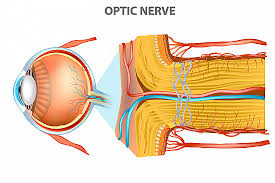
The __ is the bundle of fibers that transmits visual information from the retina to the brain for processing.
optic nerve.
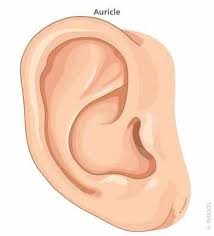
The __ is the external part of the ear that is visible and helps to collect sound waves.
auricle.
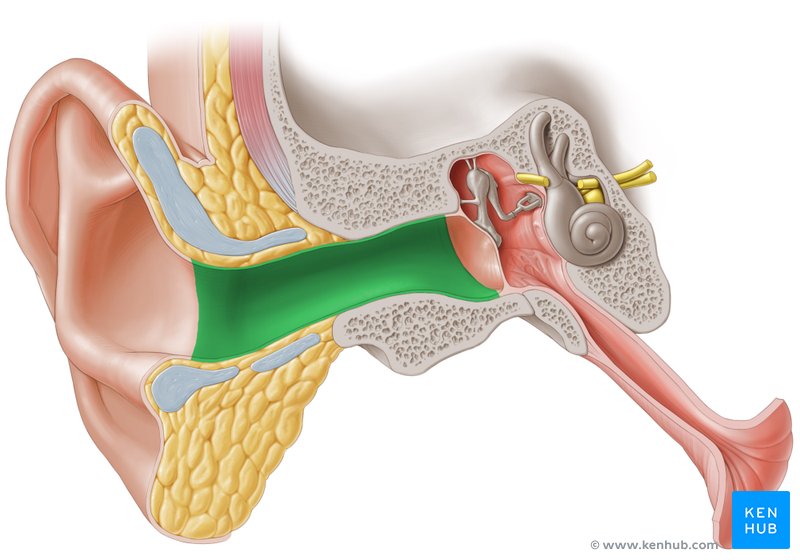
The __ is the tube that carries sound waves from the auricle to the eardrum (tympanic membrane).
external acoustic (auditory) canal.
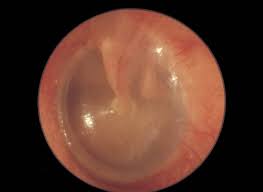
The __ is the membrane that separates the external ear from the middle ear and vibrates in response to sound waves.
tympanic membrane.
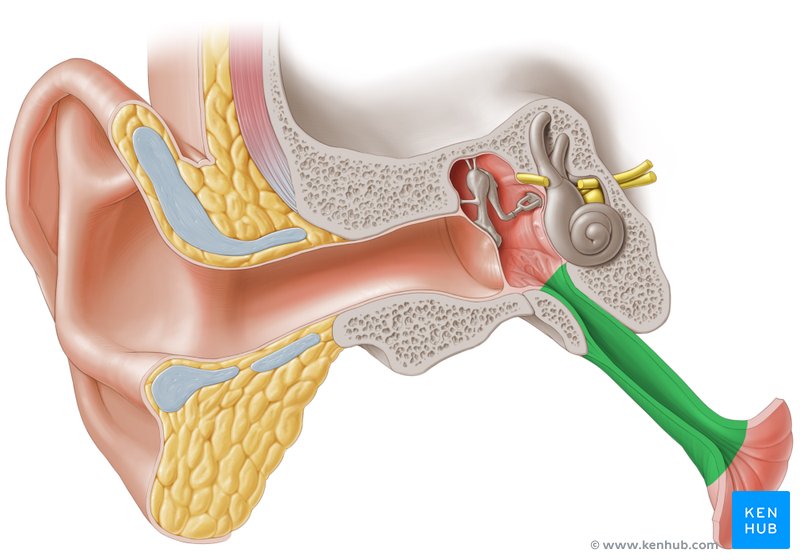
The __ is the tube that connects the middle ear to the throat (pharynx), helping to equalize pressure in the ear.
auditory tube.
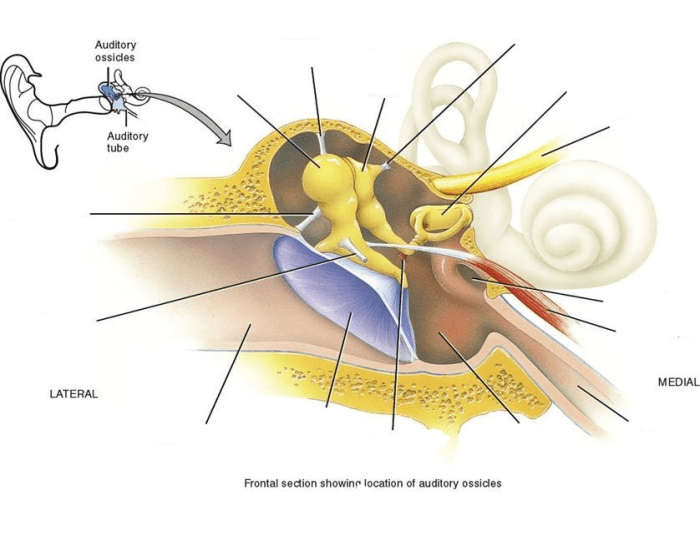
The __ are the three small bones in the middle ear that transmit sound vibrations from the tympanic membrane to the inner ear.
auditory ossicles.
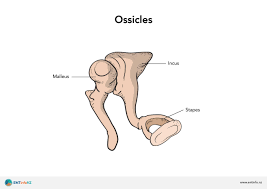
The __ is one of the three small bones in the middle ear, also known as the hammer, that transmits sound vibrations from the tympanic membrane to the incus.
malleus.
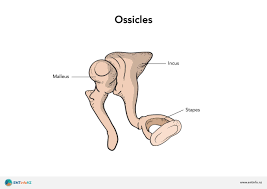
The __ is one of the three small bones in the middle ear that helps transmit sound vibrations from the tympanic membrane to the stapes.
incus.
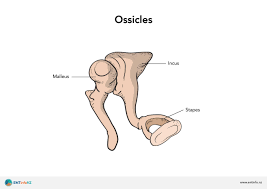
The ****__ is one of the three small bones in the middle ear, also known as the stirrup, that transmits sound vibrations from the incus to the oval window of the inner ear.
stapes.

The ****__ is the membrane-covered opening that connects the middle ear to the inner ear, allowing sound vibrations to enter the cochlea. Yellow
oval window.

The ****__ is the membrane-covered opening located in the inner ear that helps to equalize pressure within the cochlea, allowing for the proper functioning of hearing. Green
round window.

The ****__ are the three structures in the inner ear responsible for maintaining balance and detecting rotational movements of the head. Blue
semicircular canals.

The ****__ is the part of the inner ear that plays a crucial role in the sense of balance and contains the utricle and saccule. Orange
vestibule.

The ****__ is the spiral-shaped structure in the inner ear that converts sound vibrations into neural signals for hearing. Red
cochlea.

The ****__ is the nerve that transmits sound and equilibrium information from the inner ear to the brain.
vestibulocochlear nerve.

The ****__ is a part of the endocrine system that produces hormones that regulate metabolism, growth, and development.
thyroid gland.
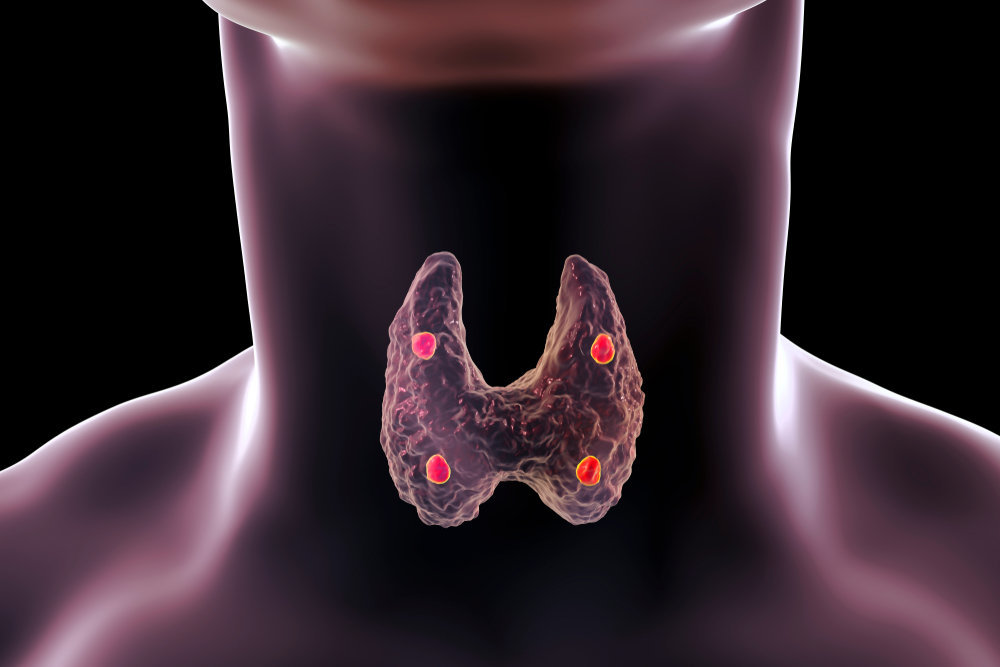
The ****__ is a small endocrine gland located behind the thyroid gland that regulates calcium levels in the blood and bone metabolism.
parathyroid gland.

The ****__ is a hormone-producing gland located on top of each kidney, responsible for releasing hormones related to stress, metabolism, and immune response. Red
adrenal gland.

The ****__ is a gland that serves both endocrine and exocrine functions, regulating blood sugar levels and aiding in digestion by producing digestive enzymes. Blue
pancreas.