Omakese
 Call Kai
 Learn
Learn Practice Test
 Spaced Repetition
 Match
Match Flashcards
 Knowt Play
1/42

Earn XP
Description and Tags
This is just the name to images
Name | Mastery | Learn | Test | Matching | Spaced | Call with Kai | Chat |
|---|
No analytics yet
Send a link to your students to track their progress
43 Terms
What does Omakase mean?
“I’ll leave it up to you” Chef’s Choice

Yeah You Should Know This
What are the 3 parts of Omakese?
Akami, Chu-toro, O-toro
Akami - lean cut, red in apperance
Chu-toro - moderately fatty cut
O-Toro - very fatty cut, lighting in color, shows marbling


Category: Akami (red fleshed fish)
Season: Winter
Fish: Bluefin tuna

Category: Chu Toro
Season: Winter
Fish: Bluefin tuna

Category: O-Toro
Season: Winter
Fish: Bluefin tuna

Sake Belly
“aburi” style to tenderize and release umami flavors from the oils
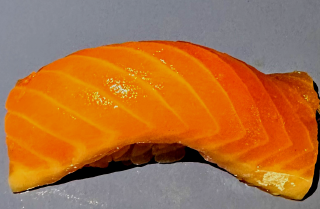
Ora
Category: Akami
Season: Year Round, farm raised in New Zealand
Fish: Ora King Salmon
“Rich and buttery texture”
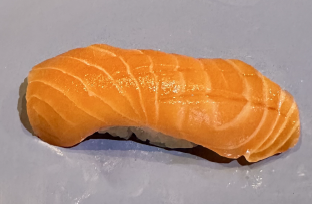
Sake
Category: Akami
Season: Year Round
Fish: Salmon
“Bright color, buttery texture, mild, slightly sweet flavor
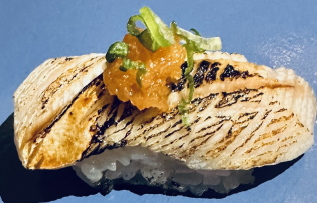
Hamachi Belly
Category: Shiromi (white fish)
Season: Winter
Fish: Belly of Yellowtail fish, “aburi” style to tenderize and release umami (savory, rich) flavors from oils

Hamachi
Category: Shiromi (white fish)
Season: Winter
Fish: Yellowtail
“the fattiest and most flavorful shiromi”

Kanpachi
Category: Shiromi (white fish)
Season: Summer
Fish: Kanpachi (one of the largest shiromi fish)
“firm flesh good, blaanced fat content, simple taste”

Kinmedai
Category: Shiromi (white fish)
Season: best winter or early spring
Fish: delicate and tender
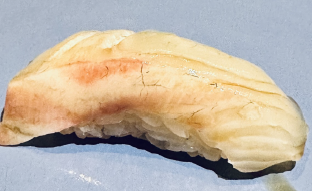
Madai
Category: Shiromi (white fish)
Season: Winter to Spring
Fish: commonly found in nigiri and sashimi, slighlty sweet taste and firm texture
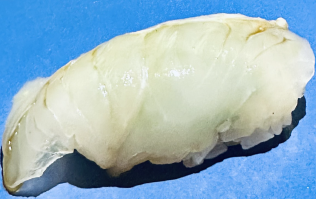
Hirame
Category: Shiromi (white fish)
Season: Year round
Fish: firm and bright, mild and delicate

Saba
Category: Shiromi (white fish)
Season: Year round
Fish: firm and bright, mild and delicate

Shima Aji
Category: Shiromi (white fish)
Season: Summer
Fish: Striped Jack warm water fish

Kamasu
Category: Shiromi (white fish)
Season: Fall & Winter
Fish: Japanese Baracuda, tasty, mild-flavored fish

Tako
Category: Tako (Octopus)
Season: early summer and early winter
Fish: firm flesh, plenty of umami (pleasant/sweet flavor) with sweet flavors

Botan Ebi
Category: Ebi (prawn)
Season: Fall-Spring
Fish: delectable texture and sweet flavor, found in Hokkaido or in Toyama Bay
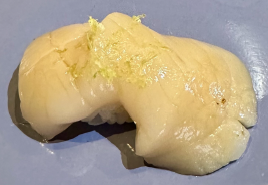
Hotate
Category: Kai (shellfish)
Season: year round, best in summer or winter
Fish: Hotate (scallop) cold water, takes minimum three years to mature, sourced from north of Hokkaido

A5 Wagyu
Category: Gyu (Beef)
Season: year round
Fish: Most expensive meats in the world with marvling, tender and moist flavorful.
Wagyu Nigiri is served “aburi”

Unagi
Category: Yakimono (cooked)
Season: year round
Fish: Unagi (Freshwater Eel), glazed with sweet and davory kabayaki sauce (eel sauce), rich and soft texture
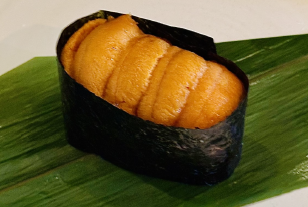
Uni
Category: Hokanomono (other/roe)
Season: year round
Fish: Uni (sea urchin) creamy, briny, and sweet

Ikura
Category: Hokanomono (other/roe)
Season: Fall
Fish: Ikura (Salmon Roe) served as gunkan-maki (warship roll) releases rich ummai flavor

Tobiko
Category: Hokanomono (other/roe)
Season: Fall
Fish: Tobiko (Flying Fish Roe), smaller than Ikura, mildy smoky or salty taste and crunchy texture

Tamago
Category: Yakimono (cooked)
Season: Year Round
Fish: Sweet and delicate and dense like a souffle

Rainbow [Maki] cutrolls/ rice outside / sesame
Tuna
Salmon
Yellowtail
Shrimp
Avocado
Snow Crab
Cucumber

Maryland Blue Crab California [Maki]
avocado
Cucumber

Yellowtail Jalapeno [Maki]

Shrimp Tempura [Maki]

Eel Avocado [Maki]

Spicy Tuna [Maki]

Salmon Avocado [Maki]

California [Maki]
Kanikama
Avocado
Cucumber

Spicy Yellowtail [Maki]

Avocado [Maki]

Cucumber [Maki]
Bichi California [Maki]
Kanikama
Avocado
Cucumber
Spicy Aioli
Tempura flake
Red Onion

Umeshiso [Hosomaki]
Japanese salted plum
shiso leaf
cucumber
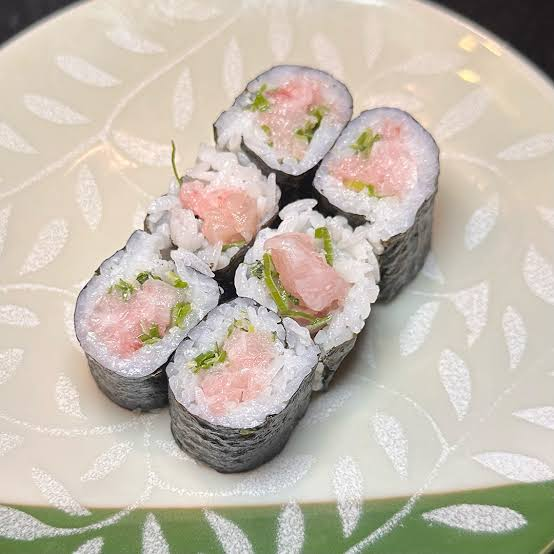
Negi Toro [Hosomaki]

Negi Hama [Hosomaki]

Shitake [Hosomaki]