lec 10A: muscular system
 Call Kai
 Learn
 Practice Test
 Spaced Repetition
 Match
 Flashcards
 Knowt Play
1/89

There's no tags or description
Looks like no tags are added yet.
90 Terms
functions of muscles
movement
stability
control of body openings
heat production
hormone secretion
glycemic control
prime mover/PM (agonist)
muscle that produces most of the force of a movement
contracts actively to drive the desired motion
ex: when biceps brachialis acts as the agonist during an elbow curl

anatgonist
muscle that opposes the prime mover
ex: the triceps brachii acts antagonist during elbow flexion

synergist
muscle that assists the prime mover
ex: the brachialis assits the biceps brachii during elbow flexion

fixator
stabilizer — prevents a bone from moving
ex: scapular fixators hold the shoulder blade steady while arm moves

anterior side does…
… flexion

posterior side does…
… extension

lateral to joint does…
…abduction
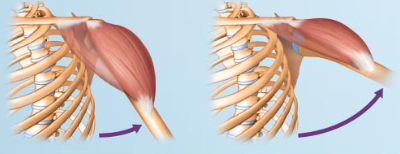
medial to joint…
… adduction

muscle location
bone or body region with which muscle associated
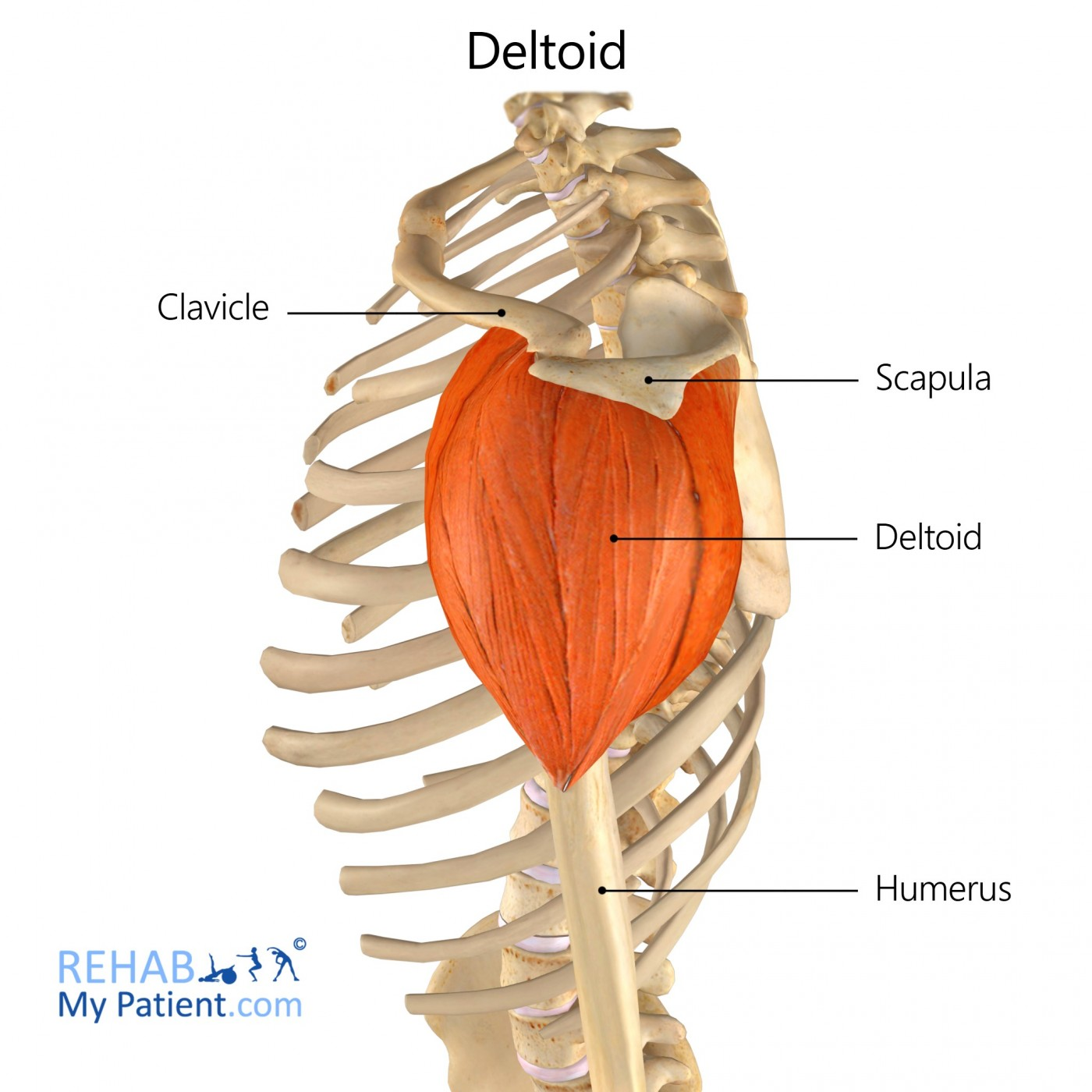
muscle shape
e.g. deltoid muscle (deltoid = triangle)
muscle size
e.g. maximus (largest), minimus (smallest), longus (long)
rectus
fibers run straight

transversus
fibers run at right angles
ex: transversus abdominis = deepest

oblique
fibers run at angles to imaginary dedfined axis
ex: external oblique = superficial
internal oblique w rectus abdominis = under ex. oblique

5 patterns of fascicle arrangement
parallel
fusiform
circular (sphincters)
convergent (triangular)
pennate
muscle fascicles
strength of a muscle and the direction of its pull are determined partly by the orientation of its fascicles
longer fibers produce greater range of motion
power of muscle depends on its cross-sectional area
fusiform muscles
thick in the middle with fascicles converging on each tapered end (biceps)

parallel muscles
uniform width and parallel fascicles (sartorius)

triangular (convergent) muscle
broad at one end with fascicles convering on the other, narrower end (pectoralis major)

pennate muscles
feather shaped fascicles attach obliquely on a central tendon that runs full length of muscle
unipennate
bipennate
multipennate

unipennate
fascicles approach tendon from one side
ex: extensor digitorum longus

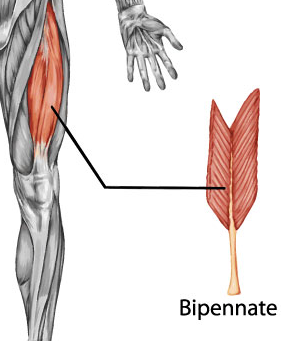
bipennate
fascicles approach tendon from both sides
ex: rectus femoris
multipennate
bunches of feathers converge to single point
ex: deltoid

circular (sphincters) muscles
fascicles form rings around body openings and passages into the body
ex: eye (orbicularis oculi, mouth (orbicularis oris)

3 classes of levers
first class lever (LFE)
second class lever (ELF)
third class lever (LEF)
fulcrum
in the body is the joint—balance
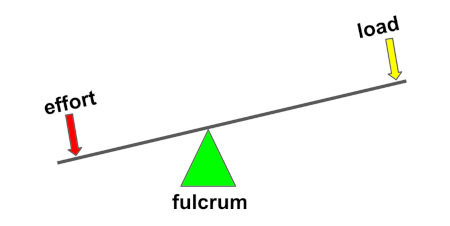
effort
the muscle
resistance
the weight of the body moved
first class lever (LFE)
the fulcrum located inbetween the effort and resistance (load)
ex: scissor

second class lever (ELF)
the resistance is inbetween effort and fulcrum
ex: carrying a wheelbarrow

third class lever (LEF)
the effort is inbetween resistance and fulcrum
ex: bicep curls/lifting your hand

muscles of facial expression
zygomaticus
orbicular oculi
orbicularis oris
platysma
zygomaticus
smile
orbicular oculi
closes eyelids
orbicularis oris
puckers lips
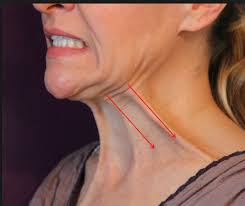
platsyma
pulls corners of mouth down

mm for chewing
temporalis
masseter
pterygoids
buccinator
temporalis
helps chewing

masseter
cheek

pterygoids
grinding your food — moving your jaw back and forth

buccinator
contrating your cheek—proventing food from catching in your teeth/gums

sternocleidomastoid
major head flexor
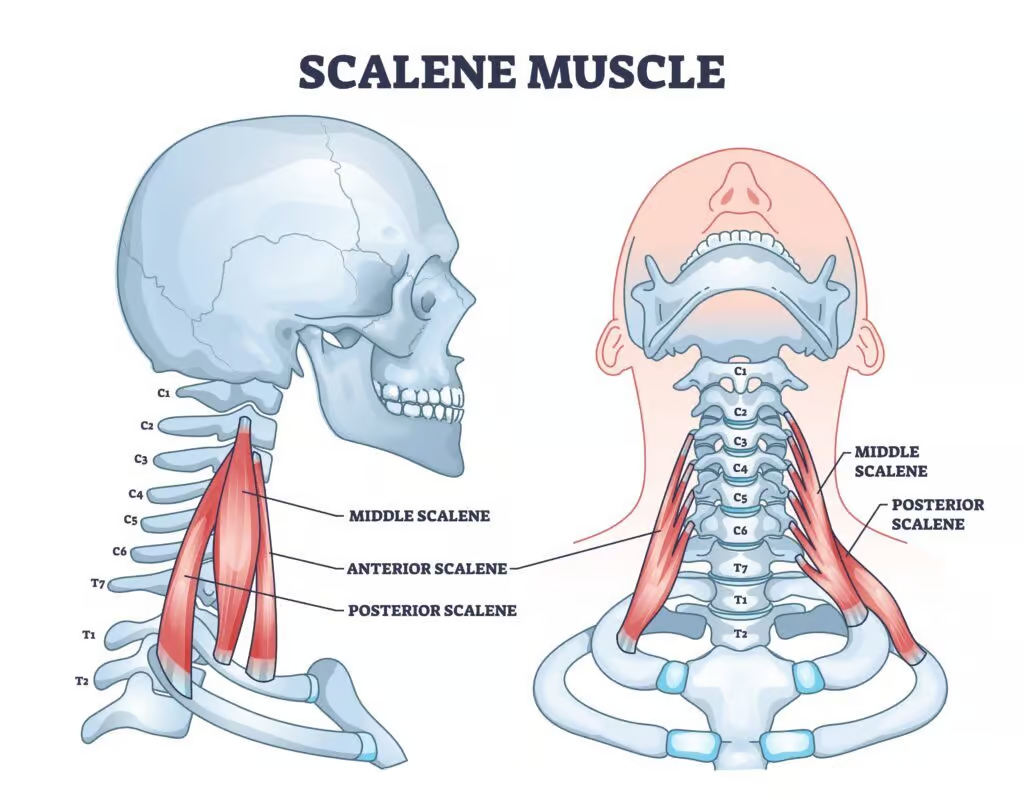
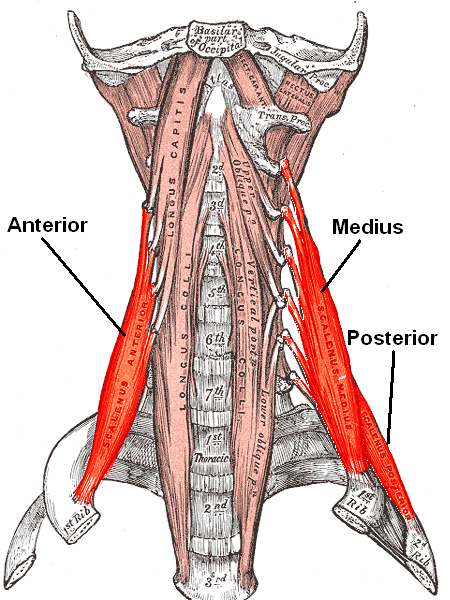
scalenes
group of 3 paired muscles located on the lateral sides of the neck
middle
anterior
posterior
3 muscles anchor and move tongue
genioglossus
hyoglossus
styloglossus
…glossus = tongue muscle
extrinsic tongue muscle
.
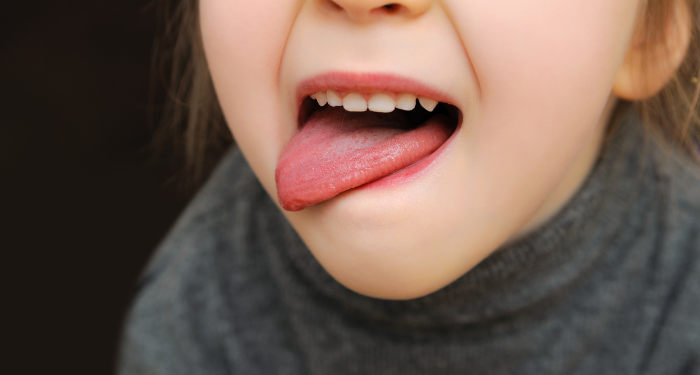
intrinsic tongue muscle
.

middle scalene
directly synchronzied relationship while sniffing
primary muscle activated during forced nasal inspiration
transverse process of C1-C7
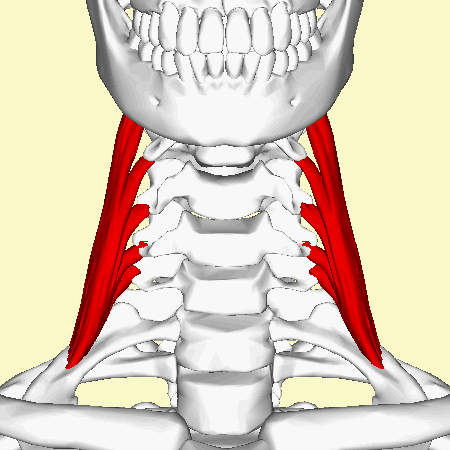
anterior scalene
bilaterally flexes the neck and rotates it uniaxially and elevates the first rib
C3-C6

posterior scalene
laterally flexes the neck to the same side and elevates the second rib
erector spinae/sacrospinalis
deep intrinsic back muscles (vertebral column)
group prime movers of back extension and lateral bending

iliocostalis
most lateral

longissimus
inbetween iliocostalis and spinalis

spinalis
most medial

deep muscles of the thorax
external intercostals
internal intercostals
diaphragm

intercostals
muscles between the ribs—-located in the 11 spaces between 12 ribs
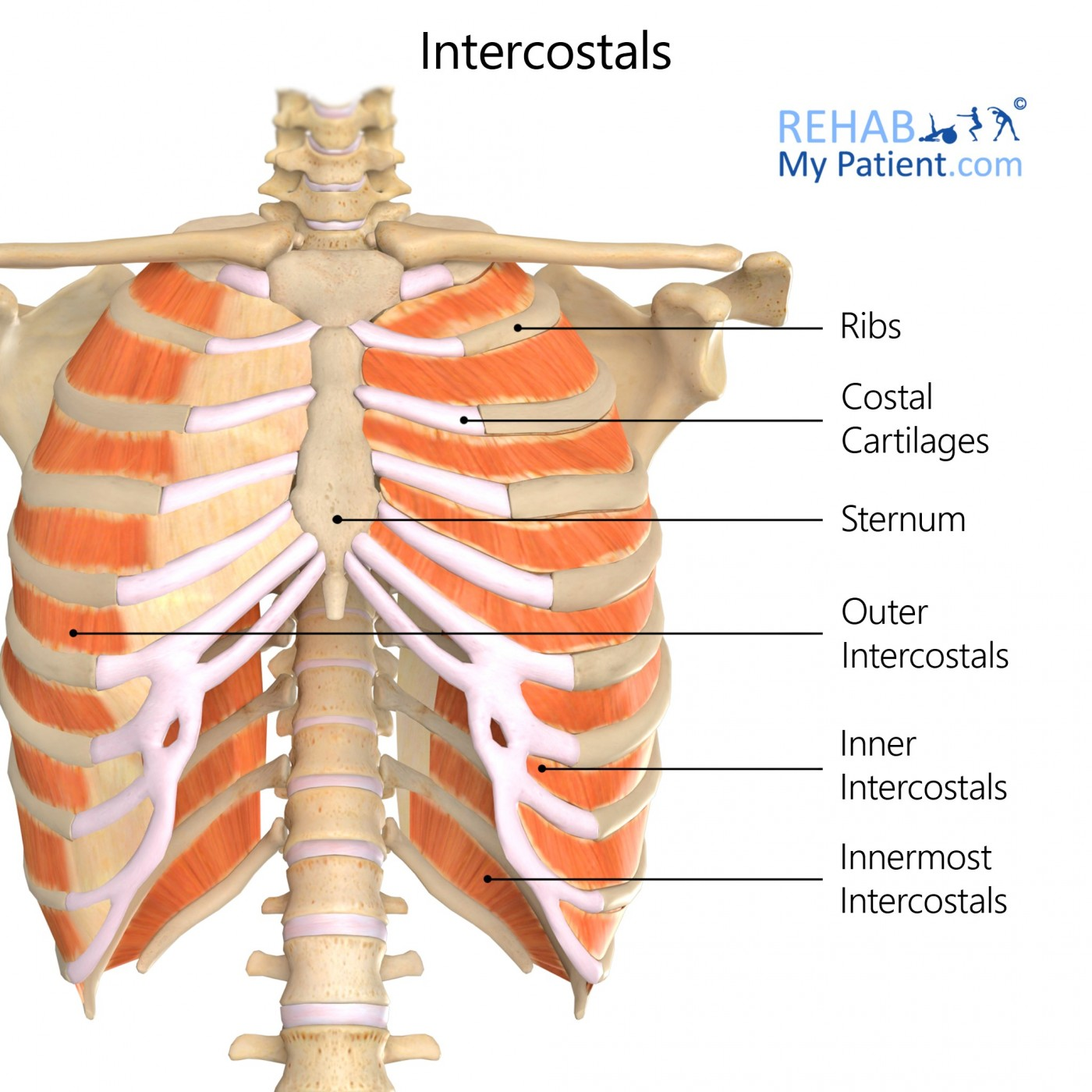

external intercostals
more superficial muscles —- elevate ribs for inspiration (blow in)
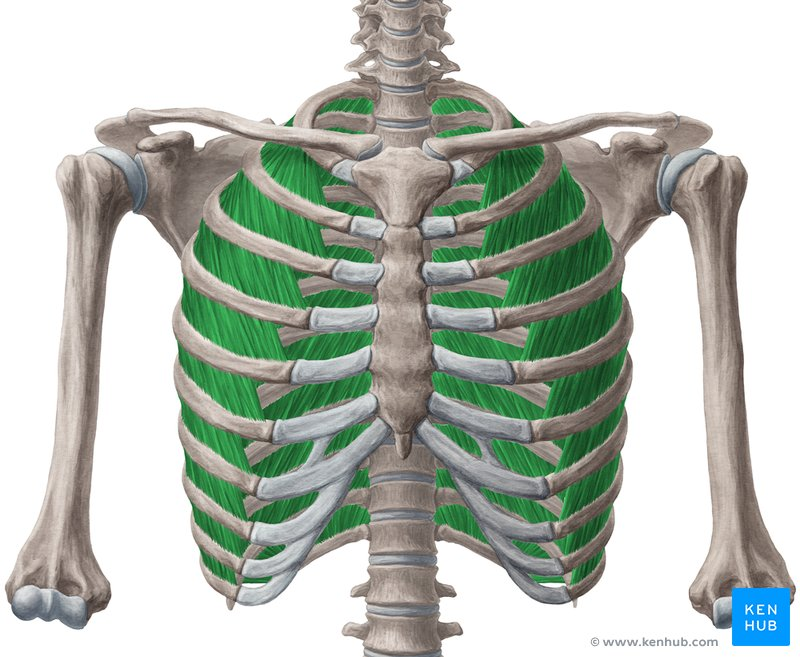

internal intercostals
deeper muscles; aid forced expiration (blow out)
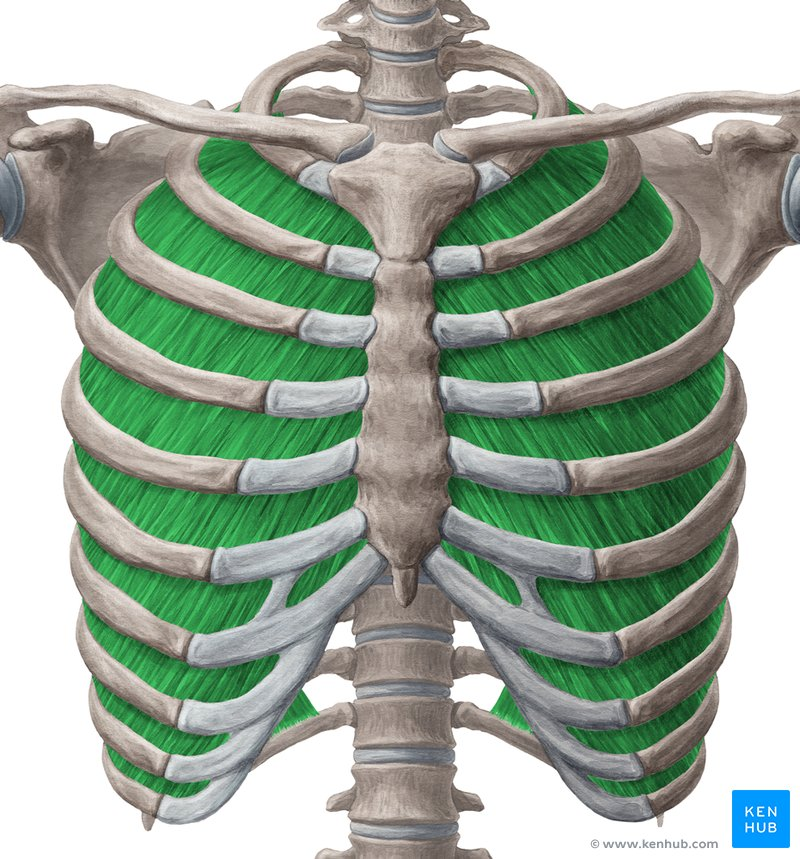
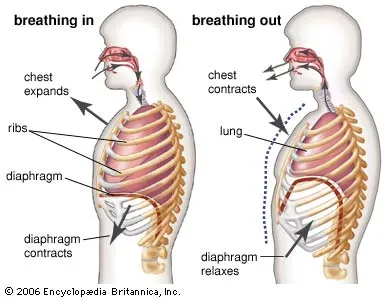
diaphragm
main muscle for respiration—sits on the 12th rib
most important muscle in inspiration
upper cevical innervation
breathe in: CONTRACTS
breathe out: RELAXES

valsalva maneuver
forcedful exhalation against a closed airway or glottis
used to:
stop rapid heart rates
ear and sinus pressure
medical exams
physical exertion
pelvic floor
pelvic diaphragm: MOST SUPERIOR
levator ani
cooccygeus
urogential diaphragm (most anterior):
contains external urethral sphincter

levator ani
broad, funnel shaped muscle group that forms the main part of the pelvic floor and pelvic diaphragm

coccygenus
small triangular skeletal muscle located in the deep posterior pelvic floor

posterior extrinsic shoulder muscles
trapeziues
upper
middle
lower
rhomboids
upper trapezius
elevation of scap (shrug)

middle trapezius
retration of scap

lower trapezius
depression of scap

rhomboids
major and minor — retration and downward rotation

muscles crossing the shoulder joint
pectoralis major
latissimus dorsi
deltoid
anterior fibers
middle fibers
posterior fibers
pectoralis major
adduction and flexion
raising hand

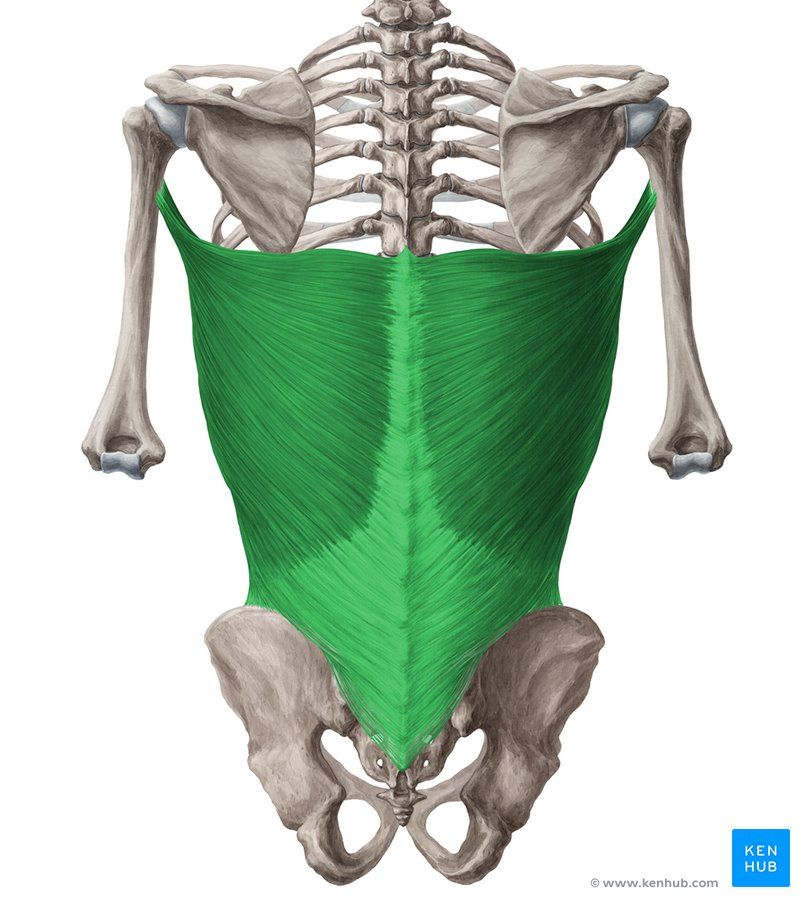
latissimus dorsi
adduction and extension
pull ups
anterior fibers
flexion: lifts and draws the arm forward
ex: push ups

middle fibers
abduction
ex: lat pull down
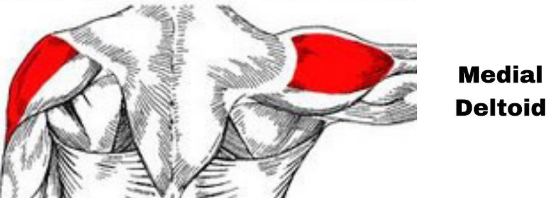
posterior fibers
extension
ex: bent over lateral raises


coracobrachialis
scapula and the brachiallis
rotator cuff muscles
stabilized the humerus into the glenoid
supraspinatus
infraspinatus
teres minor
subscapularis
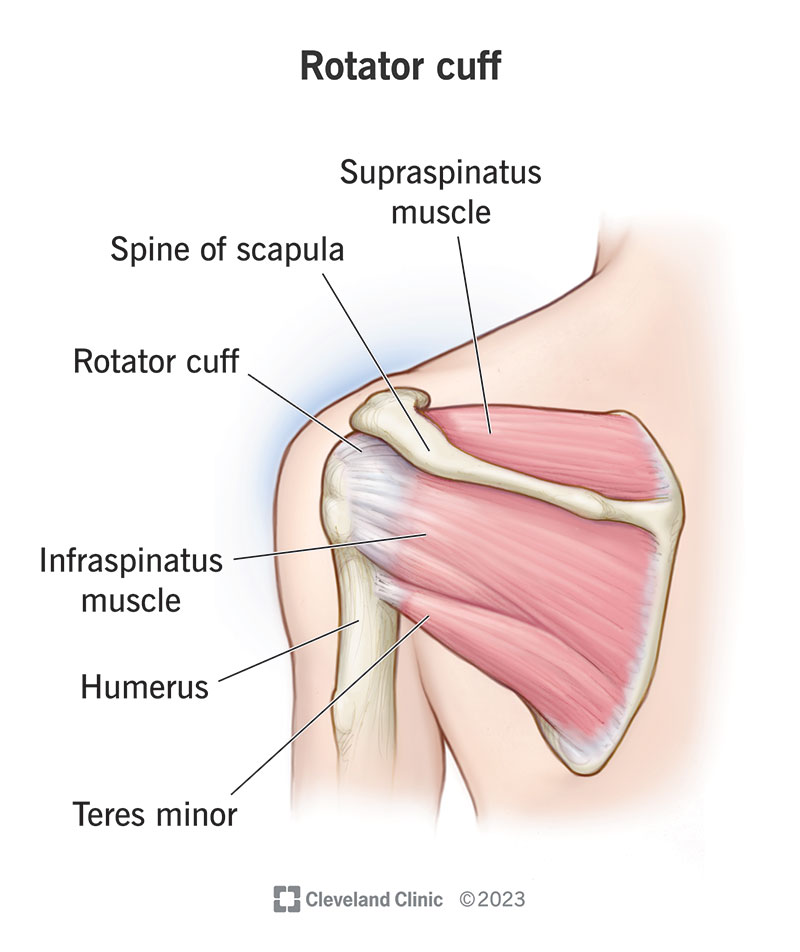
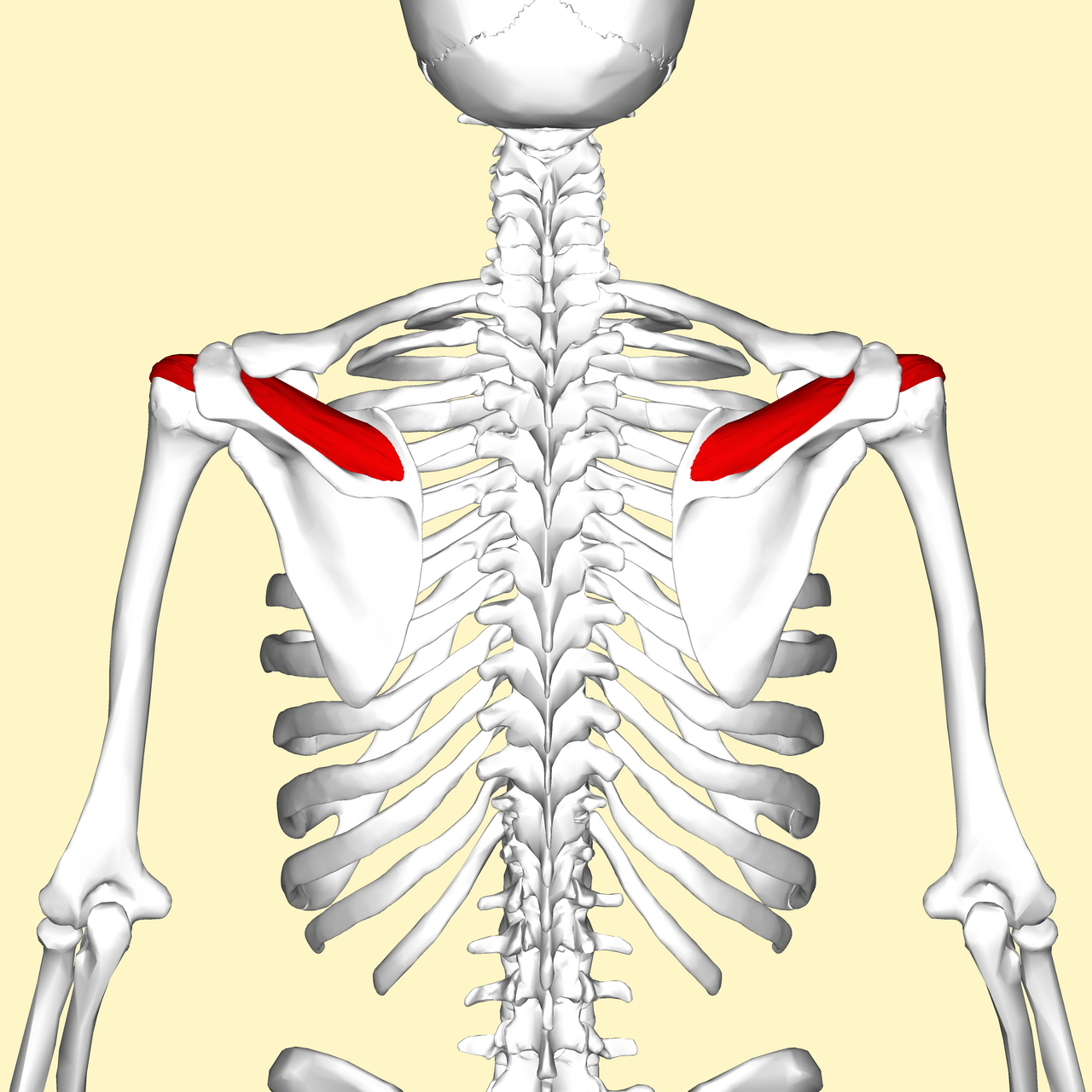
supraspinatus
assists deltoid in abduction
ex: helps lift the arm away from the side of the body

infraspinatus
shoulder external rotator & stabilizes humeral head into glenoid cavity
ex: when you turn your forearm outward like opening a door

teres minor
shoudler external lateral rotator of the humerus at the shoulder joint
ex: reaching for your back pocket

subscapularis
shoulder internal rotator
ex: pulling the arm towards the body

brachialis
palm down exercise: pull ups
under the biceps


biceps brachii
palm up exercises: chin ups
enter in the radius


brahioradial
synergist and stabilizer
enters into the ulner
triceps brachii
prime mover of elbow extension:
triceps brachii medius
triceps brachii lateral
triceps brachii longus

triceps brachii medius
posterior surface of the humerus — below radial groove


triceps brachii lateral
posterior surface of the humerus — above the radial groove

triceps brachii long
tubercle of the scapula

muscles of the forearm
pronator teres
supinator

pronator teres
and pronator quadratus pronate forearm — palms down


supinator
synergist with biceps brachii in forearm supination —- palms up