Medical Botany Exam 3
 Call Kai
 Learn
 Practice Test
 Spaced Repetition
 Match
 Flashcards
 Knowt Play
1/89

There's no tags or description
Looks like no tags are added yet.
90 Terms
Peanut species, family name, how it grows. Allergen?
Arachis hypogaea, Fabaceae. Nuts grow under the ground. Ara h1 protein (vicillin)

Wheat species, family name, how it is digested. Insensitivity?
Triticum aestivum. Poaceae. Digested only partially. Rich in prolines and glutamines.Gluten protein (prolamin).

Celiac disease.
Gluten hypersensitivity. Atrophy of villi. Problems with nutrient absorption. Gluten free diet is solution.
Pollen immunotherapy
Small dose of pollen allergen given to patient, sublingual or injection. Body gets used to. Histamine
Urtica dioica uses.
The leaves can be useful for allergies. Via tea of alcohol extracts.
Shogaol and piperine have antinflammatory and antihistamine properties good for allergic rhinitis, pollinosis.

Shogaol

structure
Piperine
Tylophora indica
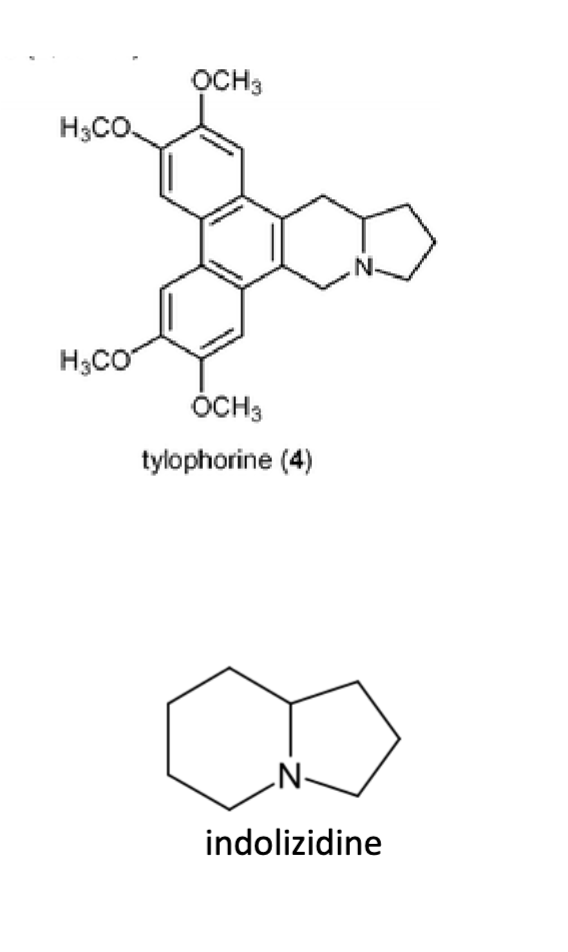
Apocynaceae family. Leaves contain tylophorine, which can help with asthma.

Tylophorine structure
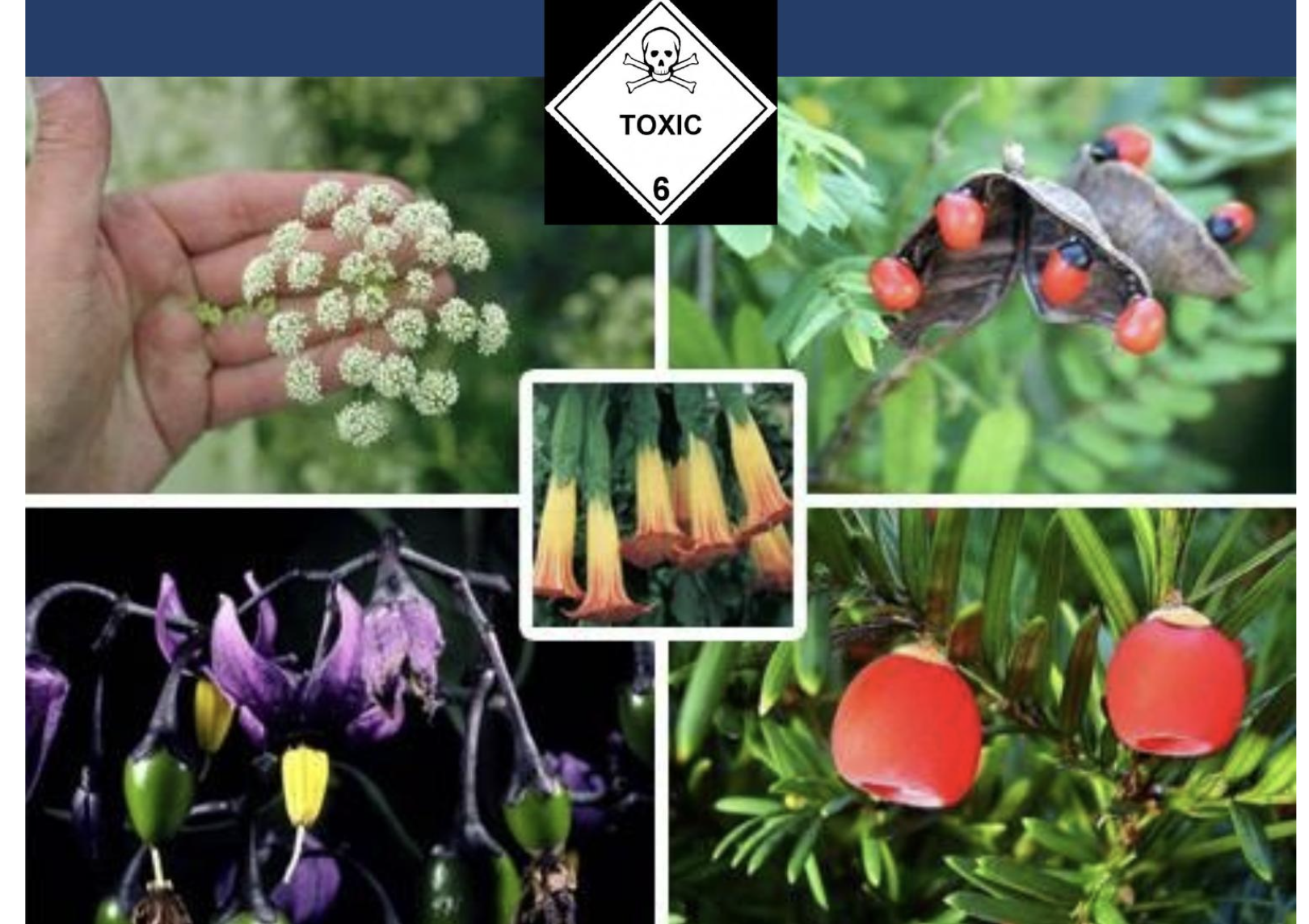
Name these plants/families
Apiaceae, rosary pea (fabaceae), angel’s trumpet in center (solanaceae), x, taxacaea?
Aconite Alkaloids. Family, 3 types
Heart toxins. Ranunculaceae.
Aconitine, Atisine, Veatchinine
Taxus Alkaloids
Heart toxin. Taxaceae.
Cardiac glycosides. Family, effect
Heart toxin. Many families - apocynaceae, plantaginaceae, asparagaceae, ranunculaceae. Just a few steps away from cholesterol. Block Na+ K+ Pump,
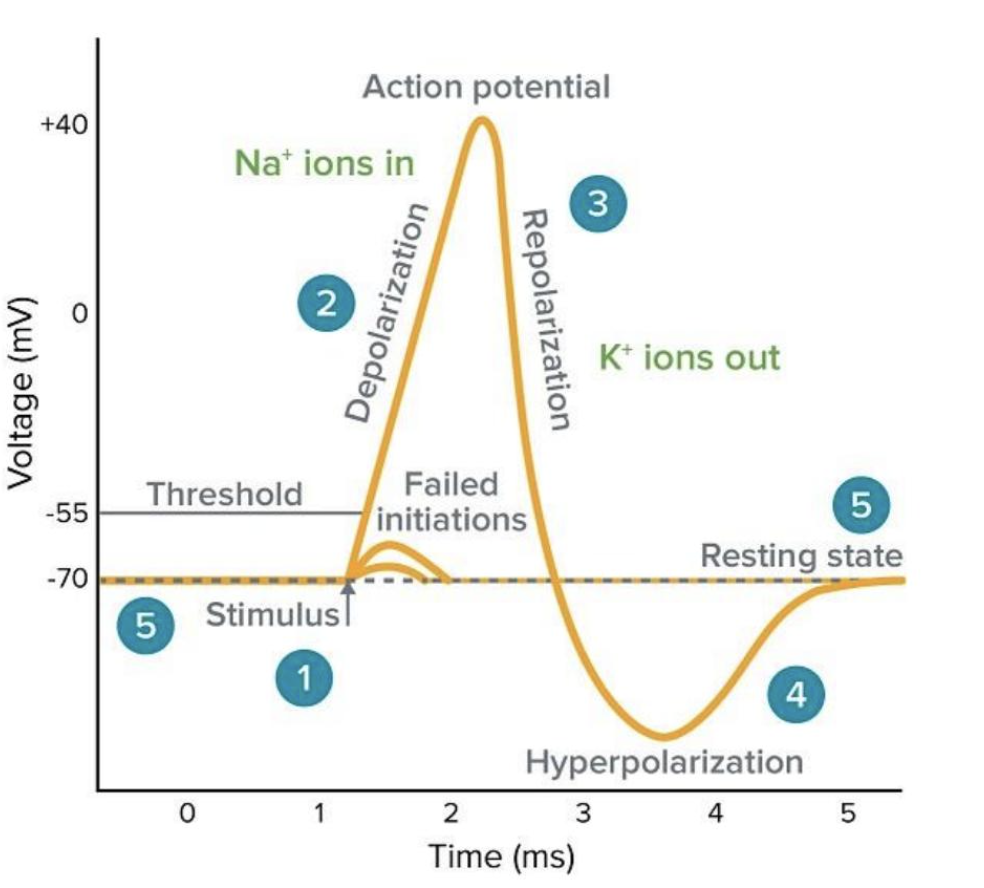
Na K Pump, Action Potential, Electric Conduction System of Human Heart
Maintain Na+ K+ gradient, can cause Ca2+ to accumulate in heart cells too
Depolarization/Repolarization of nerve cells to conduct signals
Modfied Cardiac Cells, where plant toxins affect conduction
Ion movement in action potential
Heart conduction parts

Nerves controlling the heart
Sympathetic nerves: releases noreprenephrine, which binds to beta -1 andrenergic receptor, which increases heart rate, force of contraction
Parasympathetic nerves: releases ach, leading to opening of K+ channels and causing hyperpolarization. Which slows heart rate.
Why do tropane alkaloids increase heart rate? What receptors affected?
Inhibit acetylcholine from binding to muscarinic receptors, so PNS functions prevented.
Aconitine structure, effect, symptoms, plants.
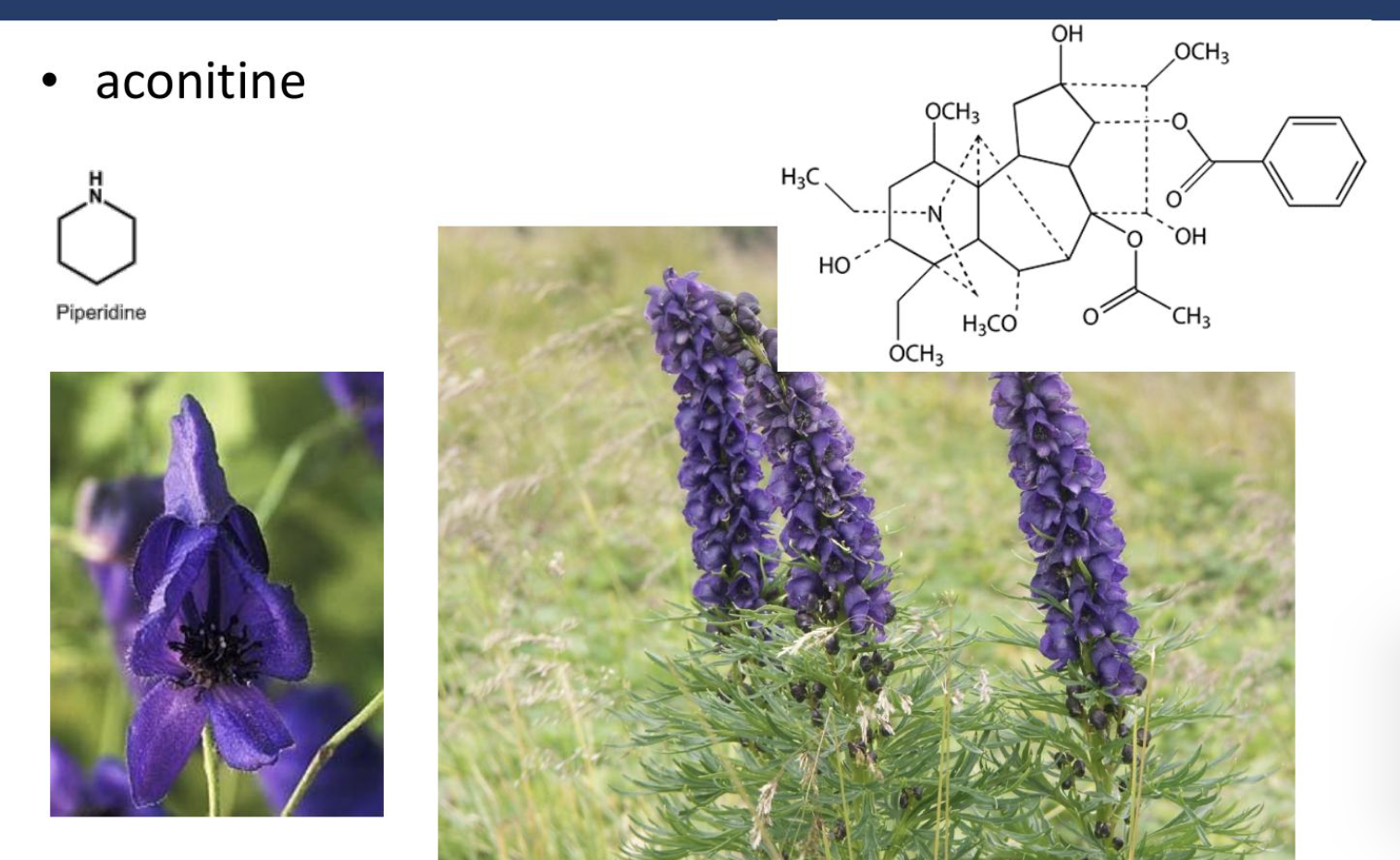
Aconite Alkaloid. Contains piperidine ring. Causes arrythmias. Binds to voltage gated sodium channels, keeps them open, delaying repolarization. Weakness, vomiting, dizziness, coma, death.
Monkshood, wolfsbane. Arrow poison, traditional medicine. Aconitum (350+ species). Poisoning by mistake. Avoid fatty lotions + wear gloves when handling!
Atisine
Aconite Alkaloid. Numbness and tingling
Veatchine
Aconite Alkaloid. Little knowledge, starting compounds of other alkaloids
Warning for Aconitum spp.
Avoid fatty lotions + wear gloves when handling! Toxicity may be due to ability to pass
through fat-containing barriers (cell membranes and skin)

Spirea japonica
Rosaceae aconite. Toxin from veatchine group - least toxic). Used in traditional chinese medicine. Phao zhi technique important.

Taxus spp.
Yews. Ornamental shrub/tree. Gymnosperms - Nonflowering conifer. Red Aril only part not toxic.

Aril
Covering of certain seeds that commonly develops from the seed stalk, found in both angiosperms and gymnosperms
Taxus Baccata L. Identify fruit, seed, aril, male cone

Juniperus family, use?
Cupressaceae family
Juniperus L.
Juniper vs Yew
Both Pinales. Juniper berry is female seed cone. Not true berry but a cone with fleshy and merged scales. Different families.
Yew Trees
slow growing, some are 5,000 years old, only arils nontoxic. Some deer can browse on it though. Taxine B.
Taxine B source, effect, symptoms, use
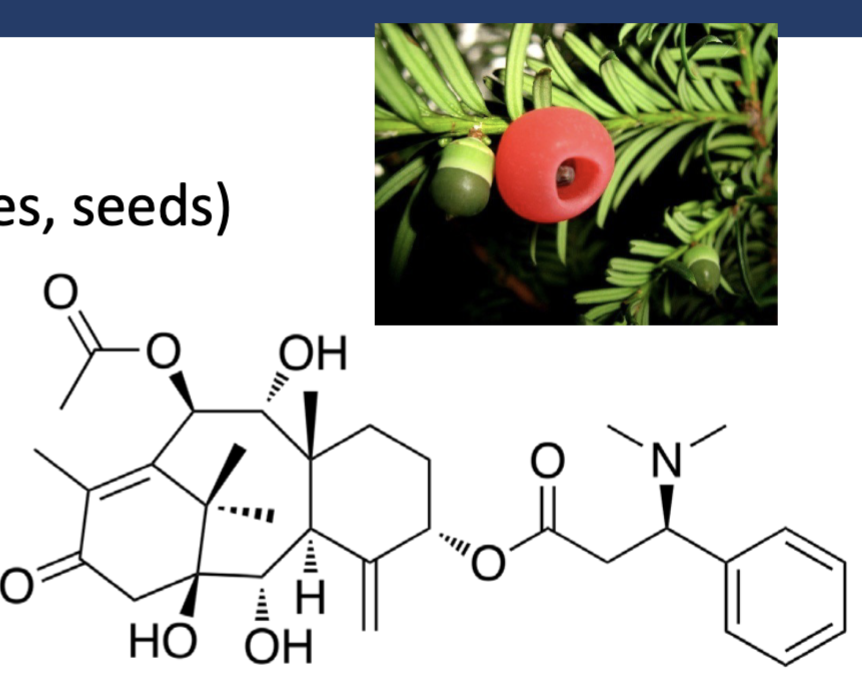
toxin in yew trees (baccata L.) antagonist of calcium and sodium channels. hypotension, cardiac arrest, death. Taxol anti-cancer drug
Taxus and drugs
• Some Taxus alkaloids are useful ANTI-CANCER AGENTS
• Present in low concentrations in yew trees (6 trees per patient)
• They work in relatively lower doses against cancers so toxicity minor concern.
• Semisynthetic approaches
Paclitaxel
taxol drug (has taxine b as part of structure)
Binds tubulin, preventing breakdown. Induces apoptosis. Used in combo with other drugs.

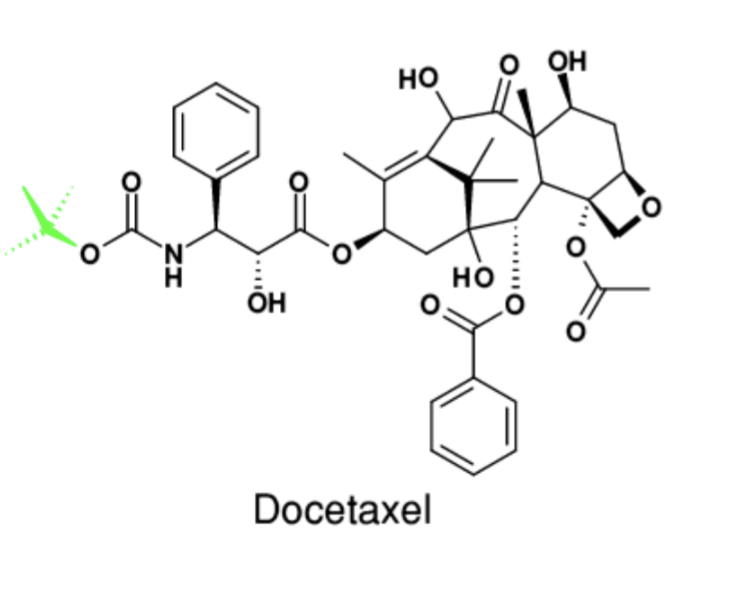
Docetaxel
Semi-sythetic analogue of taxine
Cardenolide type
Cardiac glycoside. cholesterol like structure. Sugars attached.

Bufadienolides
Cardiac glycoside. cholesterol like structure. Made by toads? No sugar attached, have amino acids instead.

Glycoside
sugar + nonsugar (agylcone). Glycosidic bond, typically with oxygen.

Cardiac glycosides effect on Na+/K+ Pump
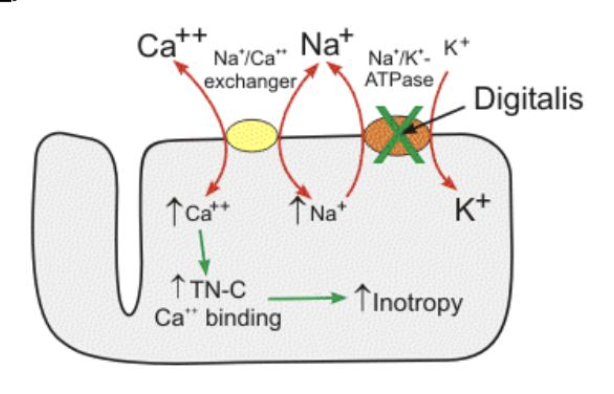
Disables cardiac Na+/K+ pump. cellular Na+ increases, so increase in Ca2+. Causes muscle contraction (troponin). Treat with atropine - stimulates heart.
Apocynaceae
Dogbane family. Some Cardiac glycosides and other cardioactive steroids. Others produce monoterpene indole alkaloids with nervous system effects. Strophanthus kombe, milkweed, nerium oleander.

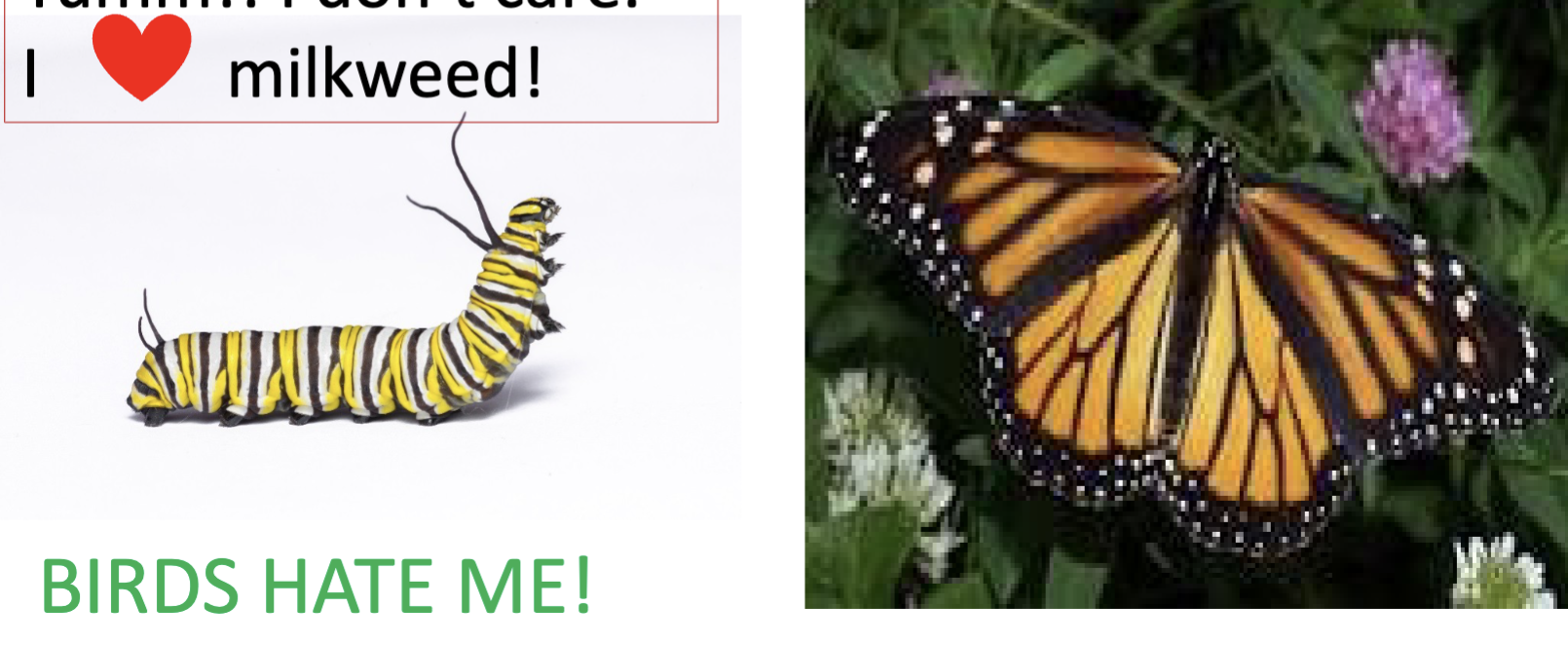
Milkweed plant
Apocyanaceae. Asclepias spp. Monarch caterpillars eat this, store toxin all the way to adult stages, make it toxic for birds.
Plantaginaceae family
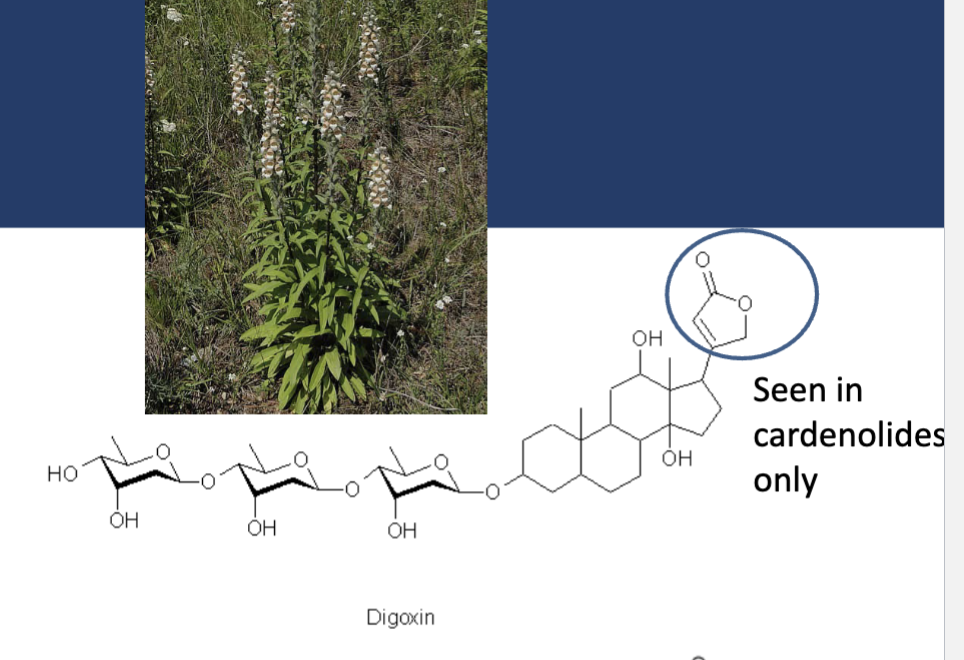
Foxglove family
Digitalis lanata
• Digoxin - used in systolic heart failure (weak left ventricle)
• incr. cardiac output (not heart rate)
• reduces hospitalizations
Has OH, cleared in kidneys
Strophanthus kombe
Apocynaceae. g-Strophanthin (ouabain). incr. cardiac output (not heart rate). less readily absorbed by GI tract, rapidly eliminated.
Arrow poison kills Elephants!

Digitoxin
One less OH compared to digoxin. Absorbed by liver. Foxglove family (plantagaceae). Increase CO

Nerium oleander
Apocynaceae. Oleandrin. Caterpillar, flowering relationship? Whole plant is toxic. Avoid burning, using to stir, skewers.

Ranunculaceae
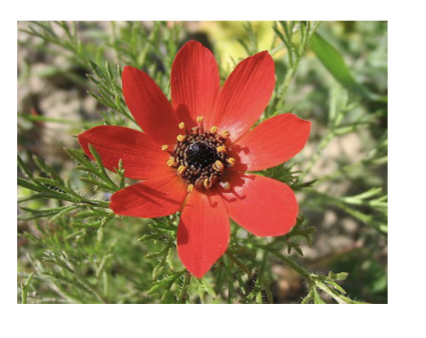
Buttercup family. Cardenolide type Cardiac glycosides in some genera. Adonis sppb (pheasants eye). Can kill horses!
Asparagaceae
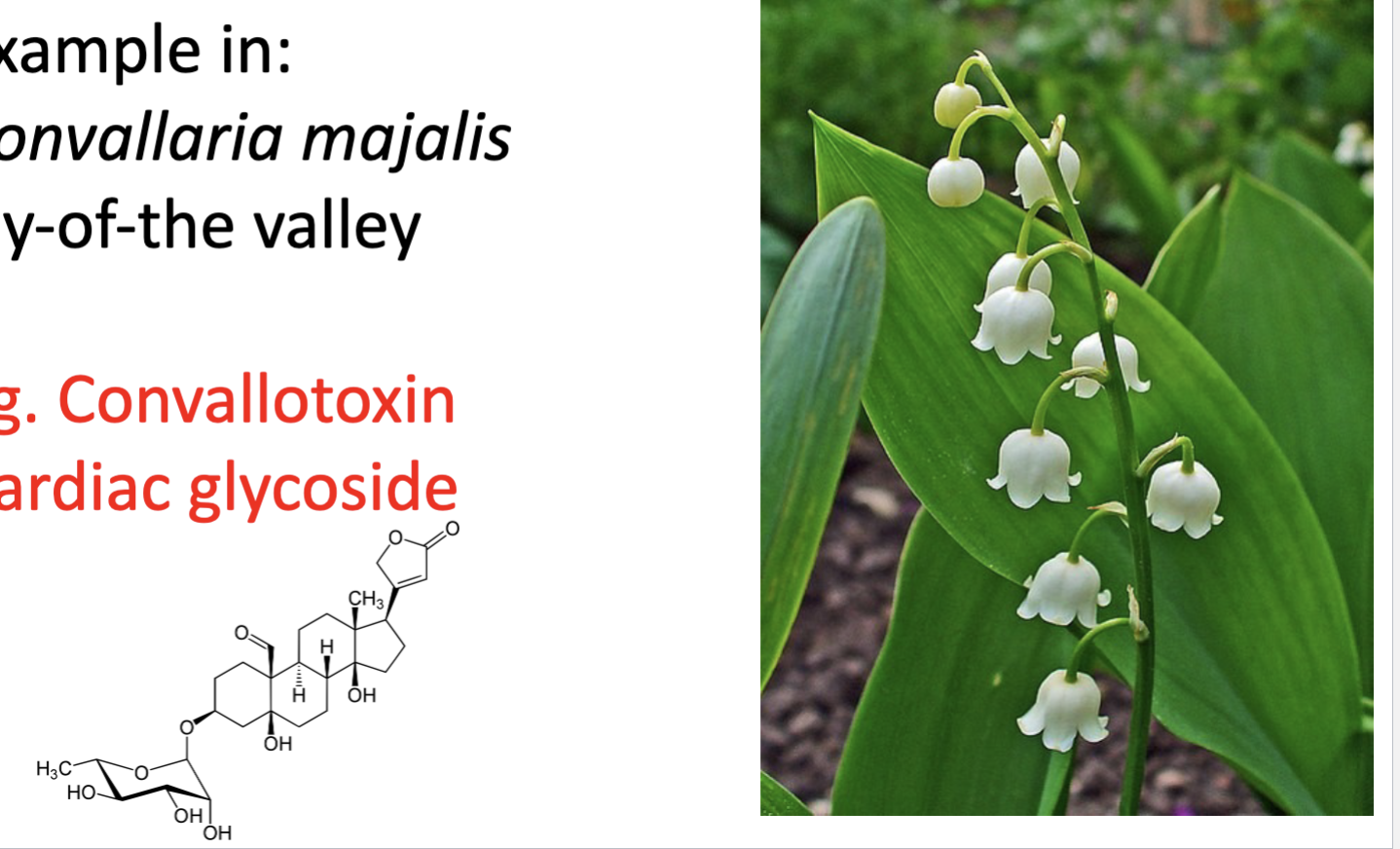
Monocot. Convallaria majalis aka lily-of-the valley. Convallotoxin Cardiac glycoside
Other Cardiac Plant Toxins
Khat – Catha edulis (Celastraceae) This plant chewed for centuries, used where alcohol prohibited, and moved around the world by expats. 2. Mistletoe –commonly used as holiday adornment.
Menispermaceae
Moonseed Family. Arrow Poison.
Loganiaceae species, toxins
Strychnos spp. Paralyzing curares called toxiferine (similar to tubocurarine)
Strychnos nux vomica contains toxin strychnine (spasms/convulsions)
Different mechanisms of action!

Fabaceae toxin
muscle toxin quinizolidine
Solanaceae
Apiaceae toxin
Muscle toxin, Piperidine Alkaloid
Muscle Toxins Families
Apiaceae
Solanaceae
Menispermaceae
Loganiaceae
Fabaceae
Three muscle types
Cardiac (autonomous, autonomous nervous system), skeletal (voluntary), smooth (involuntary)
Autonomic Nervous System
Sympathetic (fight and flight) - inhibits salivary gland secretion
Parasympathetic (rest and digest) - stimulates! bladder emptying
Acetylcholine- cholinergic receptors
Muscarinic and nicotinic
Nicotinic receptors
Postsynaptic membrane of neuromuscular junctions, autonomic ganglia, and some CNS pathways. Excitatiom/depolarization when ACh binds. Na+ out and K+ in.
Muscarinic receptors
Parasympathetic nerve effects in heart, smooth muscles, glands
GPCR
ACh binding in heart muscle causes hyperpolarization/inhibition (K+ out through opened K+ channels), lowering HR
ACh binding in smooth muscle causes depolarization/excitation (K+ channels close and Na+ or Ca2+ in) so digestive muscles contract
neuromuscular junction
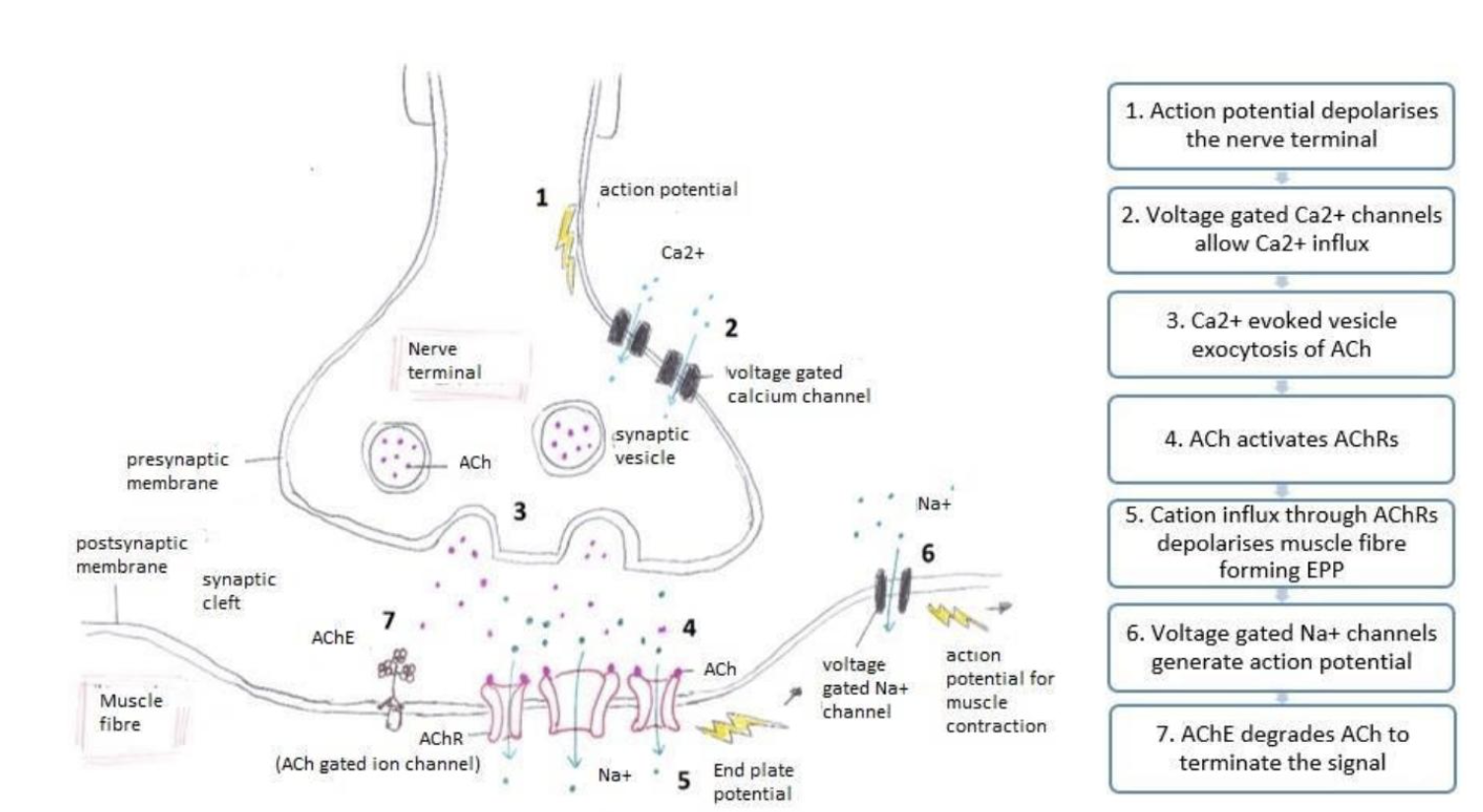
Paralyzing Curares
Menispermaceae, Loganaceae, Fabaceae
Piperdine Alkaloids
Solanaceae, Apiaceae
Quinolizidine
Fabacaea
Chondodendron Tomentosum
Menispermaceae. Toxin Tubocurarine. Binds to nicotinic receptors, blocking ACh, leading to voluntary muscle paralysis in animals (arrow poison). Humans not affected (gut does not absorb) unless given parenterally.
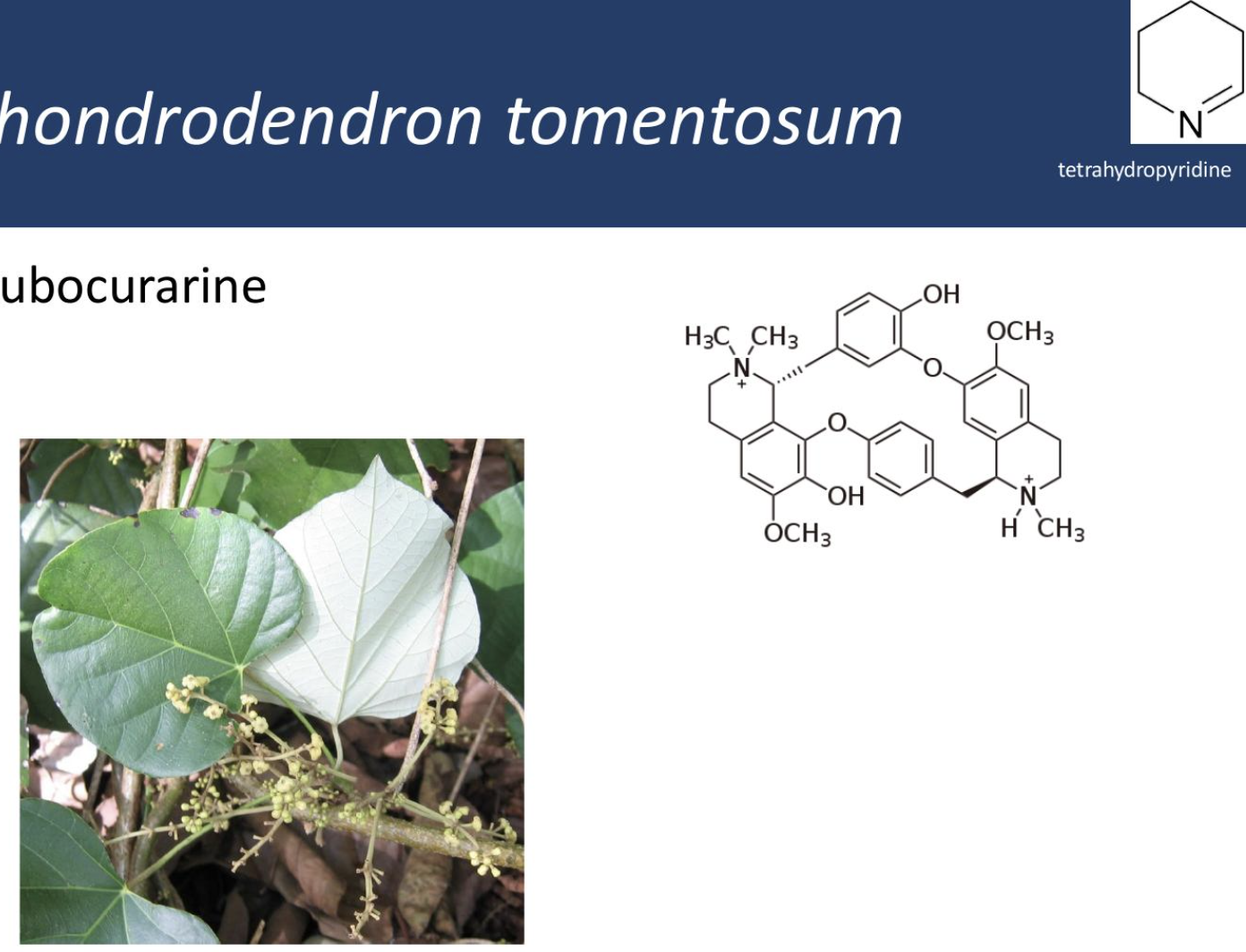
Different areas use different paralyzing curares
Tube and Pot curare (chondro) in areas 1 and 2. Calabash curare (strychnos) in area 3.
Strychnine
from strychnos spp. paralyzing curare. Causes spasms (motor neurons), convulsions. Other targets:
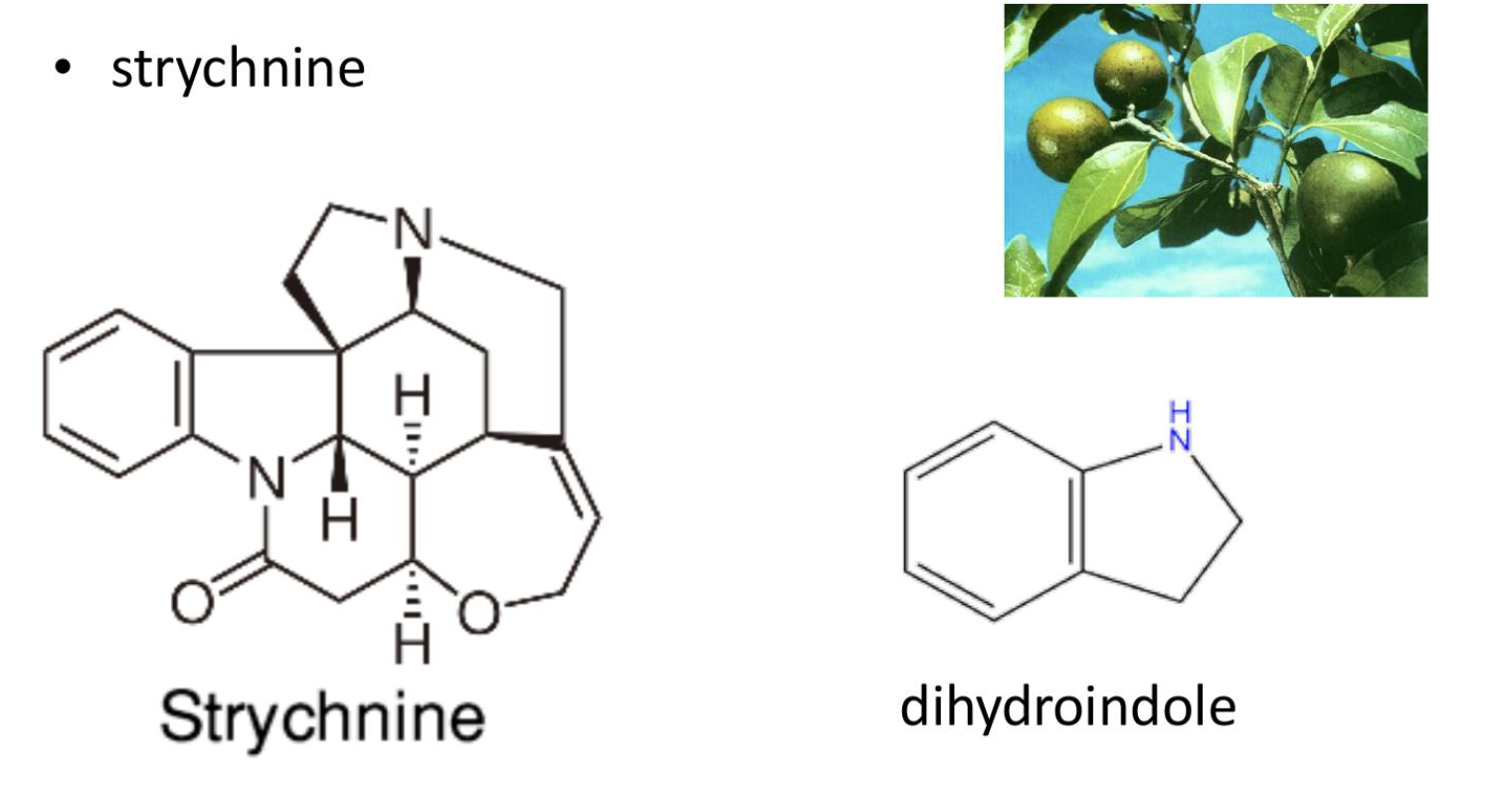
Glycine receptor
Glycine agonizes chloride channel -hyperpolarization.
Glutamate causes depolarization
Mainly found in spinal cord
Strychnine acts as antagonist at glycine receptors, so inhibits depolarization, so motor neurons stay excited, causing spasms convulsions.

Erythrina spp.
Fabacaea. Erysodine (erythrinan alkaloid). Orally effective. Antagonist of nicotinic acetylcholine receptors, like curare.


Erythrina herbacea
Erythrinan alkaloid. Fish poison from bark and leaves, rat poison from seeds.

Nicotiana spp.
Solanaceae. Piperidine alkaloids nicotine and anabasine.

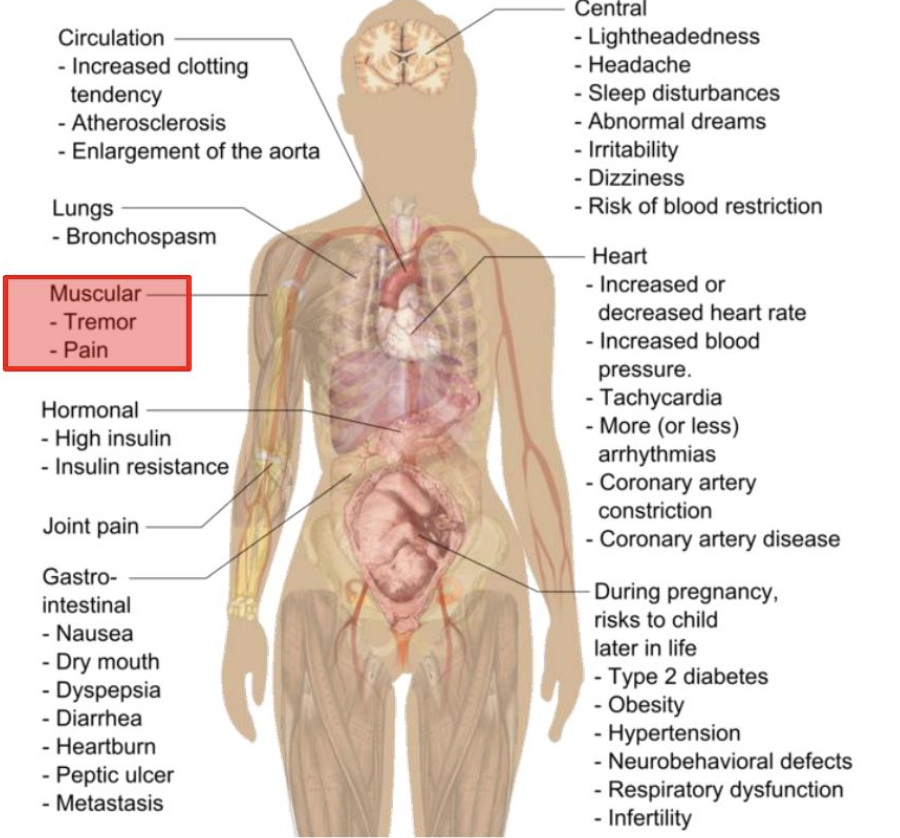
Nicotine effects
Pain, tremors in the muscles
Conium maculatum
Apiaceae family. True hemlock, poison hemlock. Compound umbels. Mouse urine odor.
Conium - toxic alkaloid. poisoned socrates
Conium
antagonist of nicotinic acetylcholine receptors. Normally in nAChR involved in muscle stimulation. muscular problems, convulsion, respiratory paralysis, death.
Piperidine alkaloid. Powerful muscle relaxant.
Dermatophyllum
Fabaceae. Mescal beans. Quinolizidine alkaloid. Cytisine - acts like nicotine.


Know yellow and blue
Mushroom toxins that affect autonomic nervous system (20 min to 2 hours to take effect)
Coprin (comprinus)
muscarine (PSL syndrome) - clitocybe, inocybe,

how do these differ
Mushroom classification
Holobasiodiomycetes (class), agaricales (order), agaricaceae (family)
Mushroom structures
Developmental stages of mushrooms
Button, puffball, mushroom
Mushroom identification features
Type of hymenium, features of gill trama, features of cystidia etc.
Coprinus
inky cap. inky fluid helps with spore dispersal
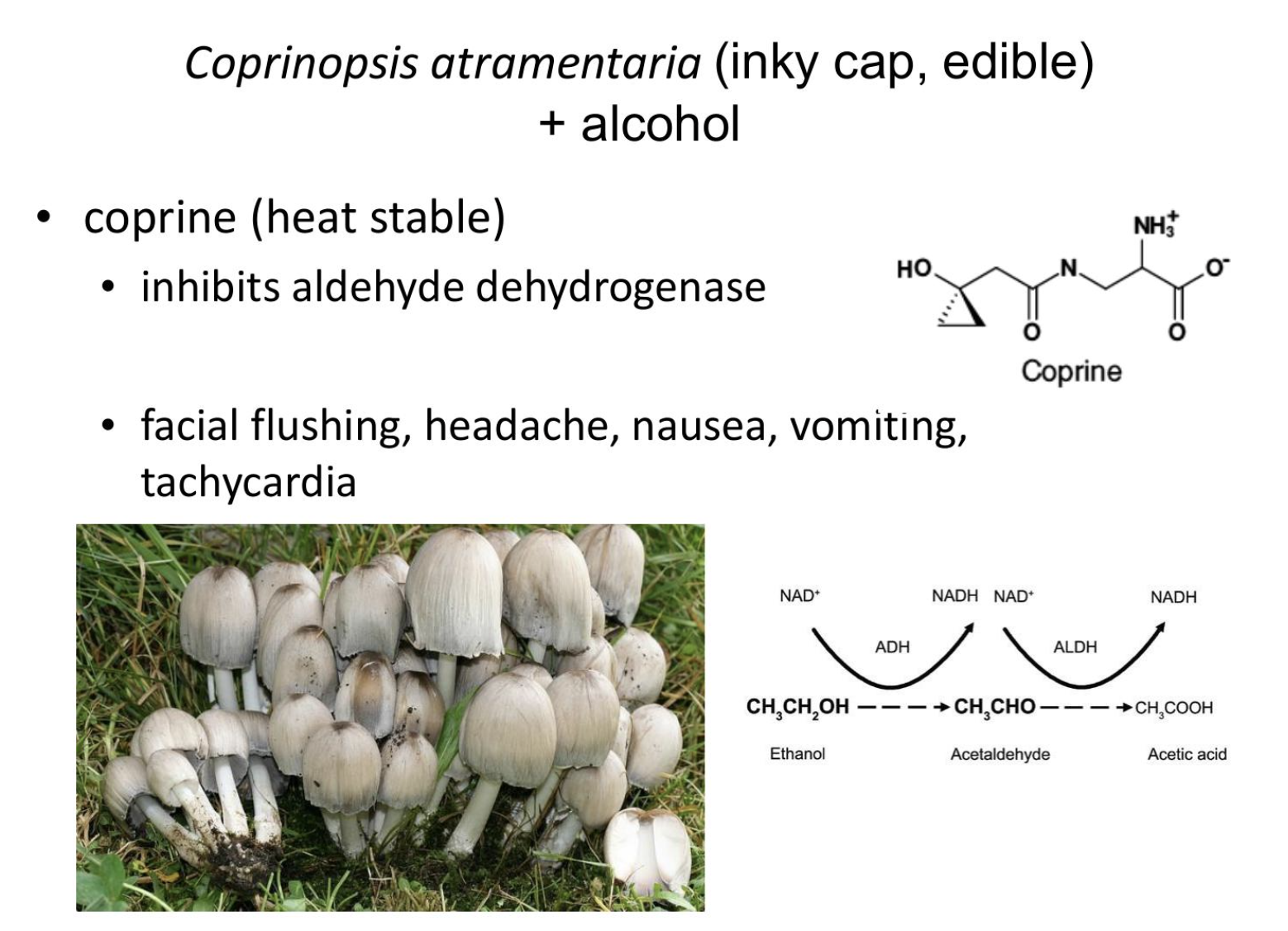
Coprinopsis atramentaria (inky cap, edible)
Coprine (heat stable) - inhibits aldehyde dehydrogenase (acetaldehyde accumulation). Causes facial flushing, headache, nausea, vomiting, tachycardia.
Coprinus syndrome when combined with alcohol
Spore prints
Print spore on paper, gives color, surface features
Parts of mushroom
Cap - pileus
Stipe - stalk
Gills - lamellae (on surface for basidia/hymenium)
Ring - annulus (remnants of partial inner veil)
Cup - volva
Scale - remnants of universal veil
Clitocybe clavipes
Muscarine
Clitocybe and Inocybe
First isolated from amanita muscaria. Mimics acetylcholine,
Mushroom toxins affecting CNS - 20 min to 2 hours
Ibotenic acid (precursor compound)
Muscimol
amanita, panaeolus, conocybe, gymnopilus
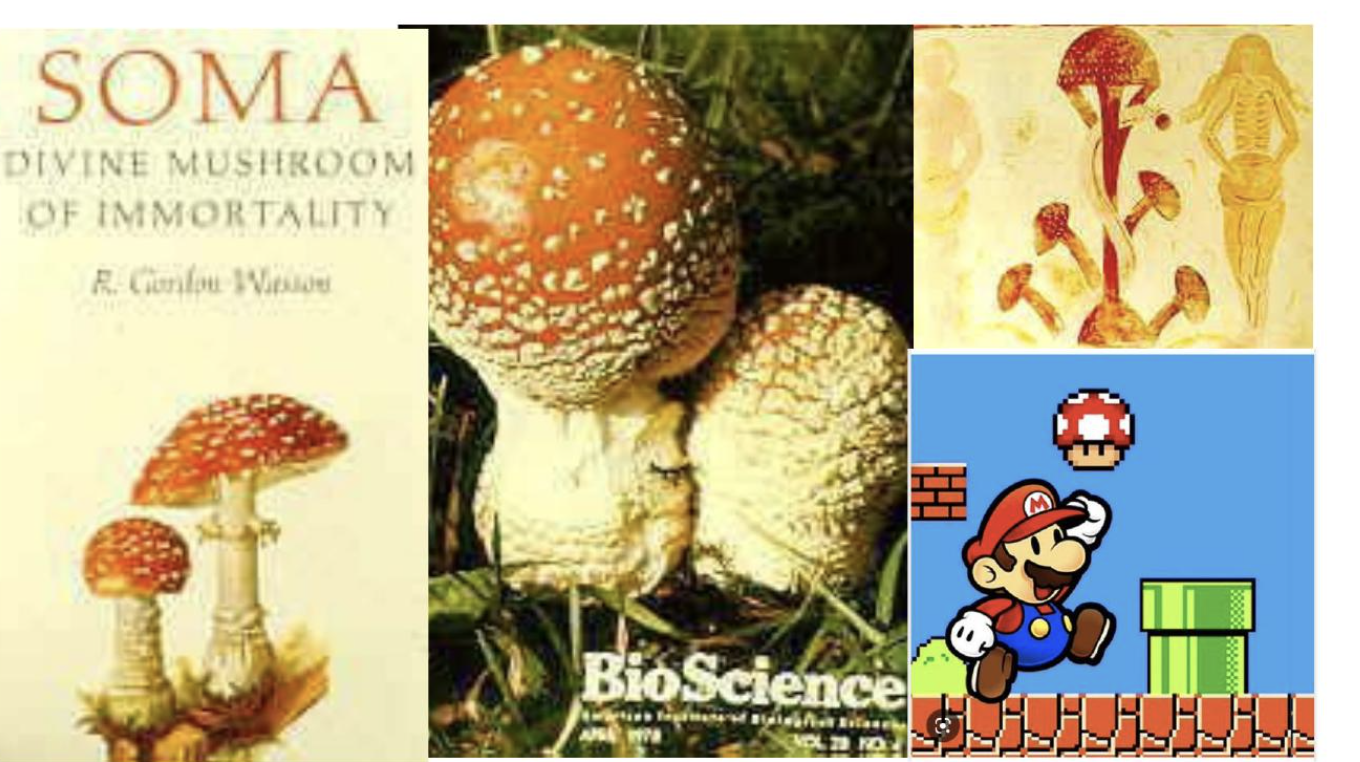
Amanita muscaria
Makes ibotenic acid, which gets converted to muscimol.
Drink of the gods?
Muscimol
aka agarin or pantherine
Potent, selective agonist for GABA receptors. sedative hypnotic, depressant, hallucinogenic psychoactivity. substance called isoxazole.
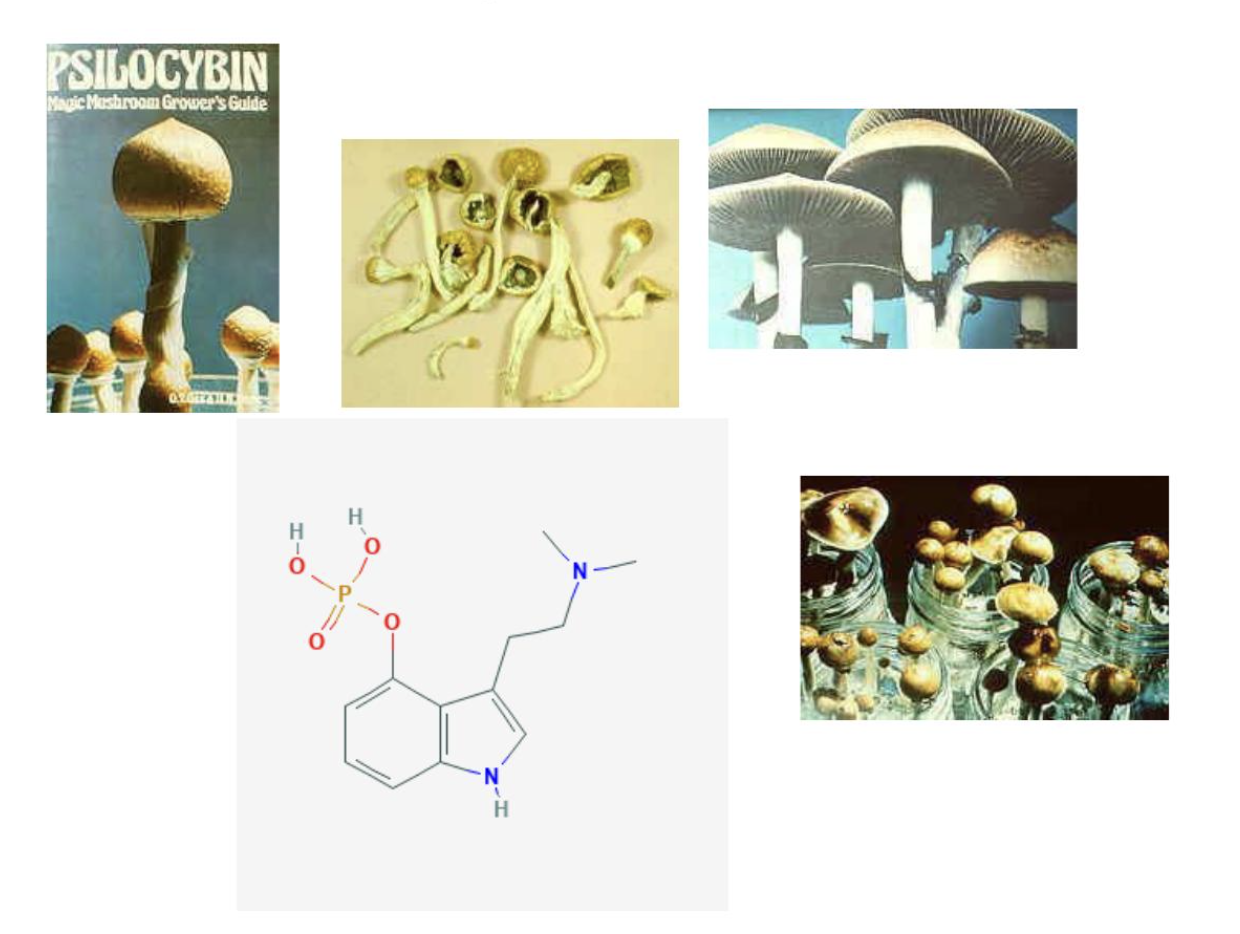
Psilocybin, psilocin
Magic mushrooms. Made by Conoscybe cyanopus, gymnopilus, panaeolus. Resembles serotonin.
Similar effects to LSD. Causes hallucinations, nausea, panic attacks

Psilocybe cubensis
Psilocybin, which is then converted to psilocin. blue